Tag: snacks

  • How To Use Food To Boost Your Energy

    HEALTHY EATING

    Image of business man eating a salad and cracker at his desk.

    Do you hit an afternoon slump every day? Are you feeling drained despite getting enough sleep? Take a look at your food.

    In general, healthy foods like fruits, vegetables and whole grains will keep your energy levels higher than processed or junk foods. But there are some ways you can use those good foods to boost your energy even more:

    *Eat enough calories.Very strict diets can zap your energy if you’re not eating enough. Healthy weight loss should not exceed one to two pounds per week. If you’re losing much more than that, you may feel tired and could be skipping important nutrients. Women should eat at least 1,200 calories and men should eat at least 1,500 calories per day.

    *Avoid candy and sugary treats.These foods may give you a quick boost of energy, but your body will quickly process the sugar. Then, you’ll feel more tired than before.

    *Eat between meals.Many people find they need small snacks throughout the day to keep their energy up. Keep the snacks small and light, such as a small serving of nuts or fruit.

    *Drink water.Even mild dehydration can make you tired. Aim for eight glasses of water per day. You may need more if you’re exercising or sweating.

    *Don’t overeat during meals.Do you ever feel like taking a nap after a big lunch? Avoid this by eating a moderate sized meal, and stopping when you start to feel full.

    *Don’t rely on “energy bars.”Many of these bars contain as much sugar as a dessert, as well as processed ingredients. Instead, opt for food with protein, healthy fats and whole grains to keep you satisfied.

    Source: Harvard Medical School and Centers for Disease Control and Prevention

    © American Institute for Preventive Medicine

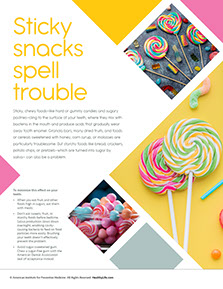
  • Sticky Snacks Spell Trouble

    Dental & Mouth Concerns

    Image of chewy candy.

    Sticky, chewy foods-like cough drops, hard candies, and sugary pastries-cling to the surface of your teeth, where they mix with bacteria in the mouth and produce acids that gradually wear away tooth enamel. Granola bars, many dried fruits, and foods or cereals sweetened with honey, corn syrup, or molasses are particularly troublesome. But starchy foods like bread, crackers, potato chips, or pretzels-which are turned into sugar by saliva-can also be a problem. To minimize this difficulty:

    *  If you eat fruit and other foods high in sugars, eat them with meals.  Finish a meal with foods that help buffer acid formation.

    *  Don’t eat sweets, fruit, or starchy foods before bedtime. Saliva production slows down overnight, enabling cavity-causing bacteria to feed on food particles more easily. Brushing your teeth doesn’t effectively prevent the problem.

    *  Avoid sugar-sweetened gum and beverages. Chew a sugar-free gum instead, especially one with the artificial sweetener xylitol.

    A Year of Health Hints book by the American Institute for Preventive Medicine. www.HealthyLife.com. All rights reserved.

    © American Institute for Preventive Medicine

  • Top 10 Fruit Snacks For Kids

    HEALTHY EATING

    Image of child eating yogurt with strawberries and blue berries.

    Forget cookies. Fruit is now the number-one snack item parents give to children under the age of 6. That’s because leading researchers believe that parents are taking childhood nutrition more seriously.

    The Produce for Better Health Foundation suggests these top 10 fruit snacks for kids:

    *  Popsicles (freeze fruit juice to make your own)

    *  Fruit sandwiches (slices of apples or pears and low-fat cheese)

    *  Peanut butter and fresh fruit

    *  Fresh fruit dipped in low-fat yogurt

    *  Fruit smoothies

    *  Canned fruit or single-serve fruit cups

    *  Applesauce as a dip for fresh fruit slices

    *  Dried fruit packs such as raisins

    *  Fresh fruit dipped in poppyseed dressing

    *  Frozen fruit chunks such as bananas and grapes

    © American Institute for Preventive Medicine

  • Build Support At Work

    Healthylife® Weigh

    Part 4

    Employees talking over a coffee break.

    *  Find out about your company’s wellness program.

    – Participate in challenges, such as a step contest, offered through your wellness program. There may be rewards for participation or winning the challenge.

    – Join the wellness committee and participate in surveys that give you a chance to share your opinion. Let your company know what policies will help you be healthy. Your employer wants you to be healthy, as this helps their health care costs and helps you be productive at work.

    – Volunteer to be a wellness champion. Sharing your journey with others may help give your goals a bigger purpose.

    *  Organize walk times with coworkers at work. If you can, spend part of your lunch break going for a walk around the building or outside.

    *  If you are going out to eat with coworkers, suggest you go somewhere that offers healthy options.

    *  Celebrations at work should include healthy options and limit unhealthy options. Encourage the person who organizes these events to make healthier options available.

    *  Split meal prep with a coworker. Bring a healthy lunch or snack to share for the first half of the week. For the second half of the week, your coworker brings a healthy lunch or snack to share.

    © American Institute for Preventive Medicine

  • Meal And Snack Ideas

    Healthylife® Weigh

    Part 3

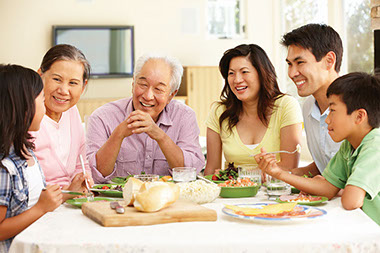
    Family eating dinner together at home.

    Below are ideas for basic meals and snacks. Use these ideas to start building your meal plan.

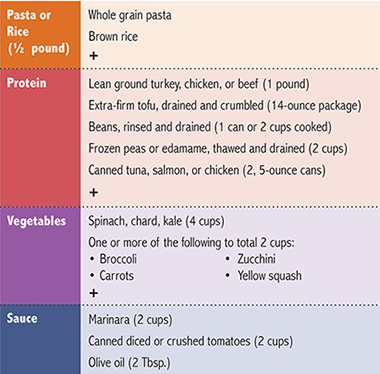
    Meal Idea: Pasta or Rice Dinner

    Choose ingredients from the chart below. This recipe makes four servings.

    Chart of meal ideas, pasta or rice dinner.

    Directions:

    1. Cook pasta or rice according to package directions and drain.

    2. Cook protein choice as needed.

    3. Cook veggies by steaming, grilling, roasting, sautéing, or adding to boiling pasta water in the last few minutes of cooking.

    4. In a large pot, heat sauce over medium heat. If using spices, add them now. Add protein and veggies to heat through. Toss with hot cooked pasta or rice and serve.

    For a casserole, follow the directions above. Then, pour into a 9 x 13-inch baking pan and bake for 40-60 minutes until the top is golden brown.

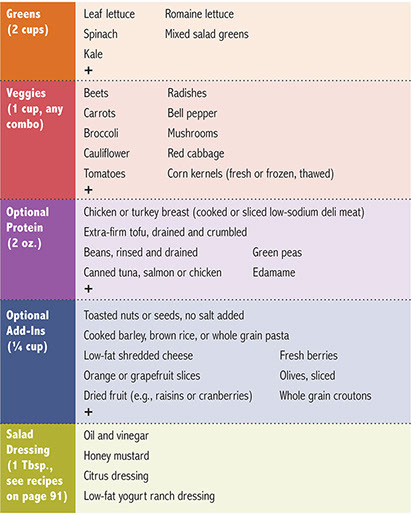
    Meal Idea: Salad

    Choose ingredients from the chart below. This salad recipe serves one person.

    Chart of meal ideas, salad.

    Directions:

    Toss ingredients together when ready to eat. Or, prepare a salad ahead of time in a container, keeping very moist ingredients (like tomatoes and dressing) separate. When you are ready to eat, toss and empty onto a plate or in a large bowl.

    Salad Dressing

    Salad dressing can be a healthy choice for your salad. Use healthy, unsaturated fats in salad dressing to:

    *  Help you feel full and more satisfied.

    *  Help your body get the benefits of other vitamins in your salad, like fat-soluble vitamins A, D, E, and K.

    *  Add flavor. Dressings are a great place for herbs, spices, and other powerful flavors to make your salad POP!

    *  Help you eat vegetables that you don’t like plain.

    Tips for Selecting a Dressing at a Restaurant:

    *  Ask for oil-based dressings, such as olive oil and balsamic vinegar.

    *  Ask for dressing on the side. Toss your salad with half the dressing provided and put the rest to the side. Most restaurants offer much more dressing than you need for your salad.

    *  If you are worried you may use too much dressing, ask for a half-size salad or order another vegetable as a side dish.

    *  On bottled dressings, look for ones made without added sugars.

    Make Your Own Salad Dressing

    Use 1-2 Tbsp. of the dressing on your salad. Store leftovers in a sealed jar.

    *  Oil and vinegar dressing: 3 Tbsp. olive oil, 2 Tbsp. red wine vinegar,  1/8 tsp. salt (a dash), ¼ tsp. black pepper. Serving size: 1 Tbsp.

    *  Honey mustard dressing: 6 Tbsp. mustard, ½ Tbsp. fresh lemon juice or cider vinegar, 1½ Tbsp. honey, 1 tsp. olive or canola oil, 1/8 tsp. salt  (a dash), ¼ tsp. black pepper. Serving size: 2 Tbsp.

    *  Citrus dressing: 2 Tbsp. lime, lemon, or orange juice; 3-4 Tbsp. canola or olive oil, 1/8 tsp. salt (a dash), ¼ tsp. black pepper. Serving size: 1 Tbsp.

    *  Creamy low-fat ranch dressing: 1 (6-ounce) container plain nonfat or  low-fat yogurt, 1/3 cup low-fat mayonnaise, 2 Tbsp. white vinegar, 1 Tbsp. dried dill, ¼ tsp. garlic powder, 1/8 tsp. salt (a dash). Serving size: 2 Tbsp.

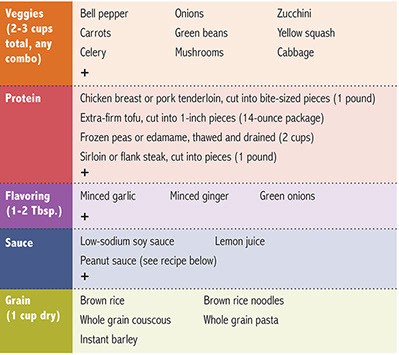
    Meal Ideas: Stir-Fry

    Choose ingredients from the chart below. This recipe makes four servings.

    Chart of meal ideas, stir-fry.

    Peanut Sauce:In a small bowl, stir together ¼ cup peanut butter, 1/3 cup water, ¼ cup low-sodium soy sauce, 2 Tbsp. cider vinegar, and 4 tsp. sugar.

    Directions

    1. Cook grains. Follow package directions and set aside.

    2. If using meat: In a large skillet over medium heat, cook meat or poultry in 1 tablespoon canola or olive oil. Set aside.

    3. Add veggies to skillet, starting with harder veggies (these take longer to cook). Cook to desired softness. Add flavoring (garlic, ginger, or green onions). If adding tofu, peas, or edamame, add that now.

    4. Add sauce and cook for 1-2 more minutes. Stir in cooked meat.

    5. Serve over cooked grains.

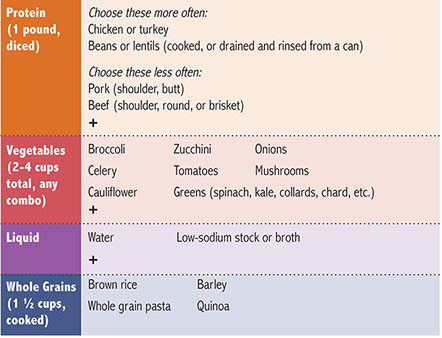
    Meal Ideas: Soup

    Choose ingredients from the chart below. This recipe makes four servings.

    Chart of meal ideas, soup.

    Directions

    1. If using meat: Heat 1 Tbsp. of canola or olive oil in a soup pot. Add meat and cook for 5 minutes. If not using meat, skip this step.

    2. Add chosen vegetables and sauté for 5 minutes. If using frozen vegetables, thaw in the microwave first.

    3. Add liquid and beans or lentils (if using) and bring to a boil. Once boiling, reduce heat and simmer for 25-30 minutes. Stir occasionally.

    4. Add grains and seasonings. Cook for an additional 5 minutes.

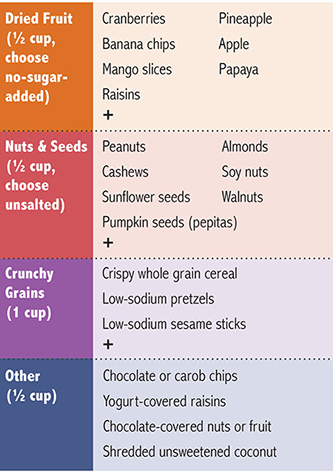
    Snack Ideas: Trail Mix

    Choose ingredients from the chart below. This recipe makes four servings.
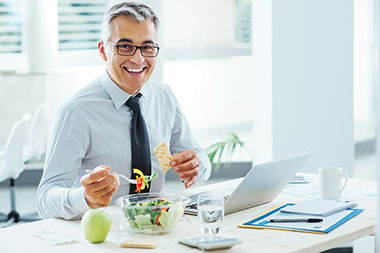
    Chart of snack ideas, trail mix.

    © American Institute for Preventive Medicine

  • Pack Travel Snacks

    Healthylife® Weigh

    Part 3

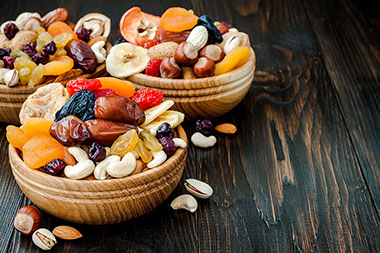
    Mix of dried fruits and nuts.

    Pack these items ahead of time. Take them with you when you drive, fly, or take a bus or train. Be sure to pack snacks for kids traveling with you as well. This can help kids get in the habit of packing their own travel snacks. It can also take away your excuse to stop for fast food and buy candy or salty snacks. Use these ideas for a healthy work snack as well. Keep a healthy snack in your desk drawer, locker or fridge, if they need to be kept cold, like hummus or fresh edamame.

    *  Homemade granola bars. Look for recipes with nuts, seeds, peanut butter, and dried fruit to help keep you full and give you lasting energy.

    *  Homemade trail mix.

    *  Peanut butter + apple slices, celery sticks, or whole grain crackers

    *  Hummus + sliced veggies (celery, carrots, cucumber slices)

    *  Apple slices with cinnamon

    *  Almonds, peanuts, walnuts, cashews

    *  Dried fruit

    *  String cheese

    *  Whole fruit, like apples and bananas

    *  Edamame

    *  Protein bar

    *  Small, single-serving boxes of whole grain cereal

    *  Small square of dark chocolate

    Respect Food Allergies

    If traveling in a public place (e.g., train, bus, airplane), avoid snacks that contain peanuts. If someone has a severe peanut allergy, you may be putting their life in danger.

    © American Institute for Preventive Medicine

  • Plan A Balanced Day

    Healthylife® Weigh

    Part 2

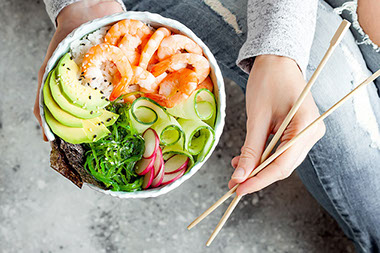
    Person holding a shrimp bowl with seaweed, avocado, cucumber, radish, sesame seeds.

    1. Select a healthy eating plan based on the calorie needs you identified. Or, follow these guidelines:

    – Plan A: best suited for women who are currently less active and want to lose more than 10-15 pounds. This calorie level is generally too low for men.

    – Plan B: best suited for women who are moderately active and for men who are less active and want to lose more than 10-15 pounds.

    – Plan C: best suited for men and for women who are very active and need to lose less than 10 pounds.

    2. Learn how much to eat from each food group. Meet, but don’t go over, your goals for each food group.

    3. Make healthier choices within each group. Choose nutrient-dense foods that meet your body’s needs.

    4. Make changes, as needed, to your plan. Meet your goals while having enough energy to do your favorite activities.

    5. Plan activity: Be physically active for at least 2 ½ hours (150 minutes) per week. You can do this for 5, 10, 15, 20, or 30 minutes at a time.

    © American Institute for Preventive Medicine

  • Plan A Balanced Day 2

    Healthylife® Weigh

    Menus & Recipes

    Person holding a shrimp bowl with seaweed, avocado, cucumber, radish, sesame seeds.

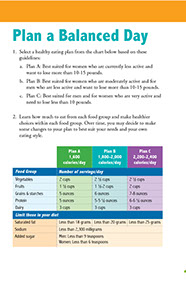
    1. Select a healthy eating plan from the chart below based on these guidelines:

    a. Plan A: Best suited for women who are currently less active and want to lose more than 10-15 pounds.

    b. Plan B: Best suited for women who are moderately active and for men who are less active and want to lose more than 10-15 pounds.

    c. Plan C: Best suited for men and for women who are very active and need to lose less than 10 pounds.

    2. Learn how much to eat from each food group and make healthier choices within each food group. Over time, you may decide to make some changes to your plan to best suit your needs and your own eating style.

    © American Institute for Preventive Medicine

  • Avoiding The Afternoon Slump

    WORK LIFE

    Image of a group of co-workers smiling and laughing.

    Do you often feel tired and worn out after lunch? It can be hard to stay productive and get through the workday if you’re fighting fatigue and exhaustion. Often times, this afternoon slump can be avoided by making a few simple changes:

    *Use caffeine sparingly.A cup of coffee or tea can give you a boost in the morning, but drinking too much can cause an energy crash after it wears off. Finish your last caffeinated drink before noon, and limit intake to four 8 oz. cups of coffee.

    *Include lean protein and healthy fats in your lunch.This can help stabilize blood sugar levels and fight fatigue. Examples include turkey, low-fat dairy, avocado, nuts and fish.

    *Drink plenty of water.Even mild dehydration can make you tired. Aim for eight 8 oz. glasses per day.

    *Get moving.If you can, walk outside at lunch and get fresh air, even for just 10 minutes. This can energize and relax you. But even walking indoors or stretching in your office can be helpful. Sitting at a desk for hours without getting up can make you feel tired. Do alternative activities and walk around when you can.

    *Having more energy starts the day before.If you find that you’re tired every day despite these tips, you may need more sleep. Aim for 7 to 9 hours a night.

    Sometimes, ongoing fatigue can be a sign of a health issue. If you find that your energy levels are always low despite making healthy choices, talk to your doctor. Problems such as sleep disorders, anemia, depression, diabetes, and many other conditions can cause energy levels to sag. Certain medications can also cause sleepiness. You and your doctor can discuss your health history and make a plan to address any issues to get you feeling better again.

    © American Institute for Preventive Medicine

  • Best Snacks To Eat Before And After Exercise

    HEALTHY EATING

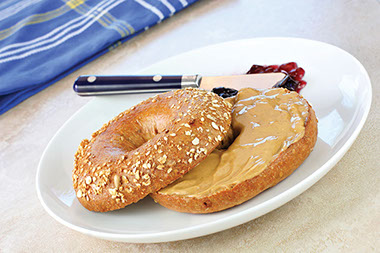
    Image of a whole grain bagel with a peanut butter spread.

    Pick the right foods that give the most energy regardless of your activity level. Carbohydrates are the first responders to the body’s need for energy during exercise. Protein and fat are not nearly as efficient.

    Hit the trail or the gym with the following healthy food ideas before and after your workout, suggests Anita Kobuszewski, RD, author of Food: Field to Fork, How to Grow Sustainably, Shop Wisely, Cook Nutritiously, and Eat Deliciously:

    *  Whole-grain bagel with peanut butter and yogurt

    *  Thin-crust pizza with green peppers

    *  Granola with low-fat milk and banana

    *  Trail mix with nuts and dried fruit (see Walk the Trail Mix recipe)

    *  Instant oatmeal made with low-fat milk

    *  Bran or corn muffin with egg whites and salsa

    *  Fig bars with peanut butter and juice

    © American Institute for Preventive Medicine