Tag: snow

  • Cold Hearts (Why Shoveling Snow Is Extra Dangerous)

    WELL-BEING

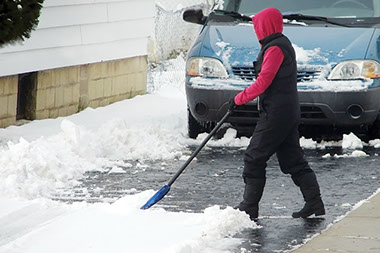
    Image of person shoveling snow from the driveway.

    While you may be used to battling frigid temperatures and the inevitable snowstorms that arrive every winter, are you aware of the dangers these pose to your heart?

    “When the temperature outside drops, our blood vessels narrow to prevent our bodies from losing heat. This is a natural response that can also put people with heart conditions and those involved in strenuous exercise at greater risk of having a heart attack,” says Dr. Holly Andersen of the Perelman Heart Institute at NewYork-Presbyterian Hospital/Weill Cornell Medical Center.

    Shoveling snow is one of the most strenuous and dangerous winter exercise activities. It can raise blood pressure, and coupled with the effects of colder temperatures, shoveling can increase heart attack risk drastically. Take these precautions:

    *Warm up.Warm up with stretching and light activity before shoveling, exercising or beginning more strenuous physical activities.

    *Bundle up.When going out to shovel, always wear a scarf over your mouth and nose to warm the air before you breathe in, and dress in layers. Layering clothes underneath a windproof and waterproof outer shell helps maintain body heat.

    *Push the shovel.It is less strenuous to push the snow rather than lifting it, and this reduces the risk of overexerting yourself.

    *Take breaks.You should take frequent breaks while shoveling to give your muscles, especially your heart muscle, a chance to relax. You may also consider sharing the work with a friend to make the workload lighter and ensure that you are not alone in the event of an emergency.

    *Consult a doctor.If you are over the age of 50, overweight, out of shape or have suffered a heart attack, you should consult a doctor before shoveling snow or starting any exercise routine.

    © American Institute for Preventive Medicine
  • The Downside Of Skiing: Falls And Spills

    BE FIT

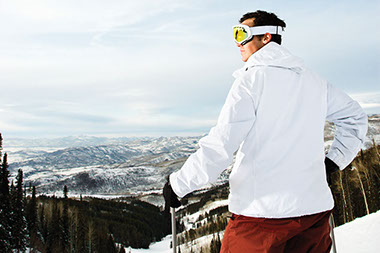
    Image of man on top of a skiing slope.

    If you find yourself heading downhill on skis, but you’re swooshing down on your backside because of a fall, you’ll be glad you prepared for the inevitable spills.

    According to the American College of Sports Medicine, falls account for up to 85% of skiing injuries. The majority of those injuries are sprains, broken bones, cuts, and dislocations-and now more knee injuries because mid-calf plastic ski boots are protecting ankles.

    Thirty to 40% of ski injuries affect the knee area, most likely the MCL (medial collateral ligament). This trauma often occurs with slow twisting falls or when beginners maintain a snowplow position for lengthy periods and stress the ligament. If skiers catch an edge (when the lower leg is suddenly twisted away from the upper leg) or skis separate, the foot is forced away from the body, which causes a distraction force on the inside of the knee.

    Another common knee injury is rupture of the anterior cruciate ligament (ACL), which can be caused by a backward fall as the lower leg moves forward. Catching an edge causes a sudden external rotation below the knee, which can cause the ACL to become sprained or snap (5 times more common in women skiers).

    Your pre-conditioning program should include 4 elements: endurance, strength training, flexibility, and balance. Aerobic fitness is the key to preventing the end-of-the-day injuries. Cross training, which includes multiple sports and activities, will help with cardiovascular endurance, while strength and flexibility focusing on the legs is vital for injury prevention, says Scott M. Levin, MD, a board-certified orthopaedic surgeon and sports medicine specialist.

    “Besides conditioning, skiers need to warm up and stretch before starting down the hill because cold muscles are more prone to injury,” notes Dr. Levin. Warm up with jumping jacks, running, or walking in place for a few minutes and then stretch your hamstrings, hip flexors, and quadriceps.

    © American Institute for Preventive Medicine

  • The Scoop On Shoveling

    WELL-BEING

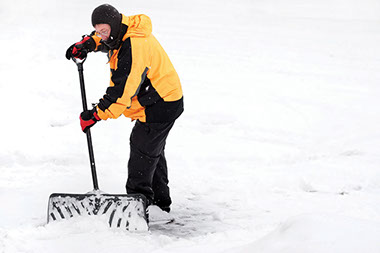
    Image of man shoveling snow.

    Push the snow, dress in layers, and warm up first are sensible rules for shoveling snow. Here are some guidelines you may not know:

    *  Avoid caffeine or nicotine before shoveling, especially if you have a history of or are at high risk for a heart attack. These stimulants may increase your heart rate and cause your blood vessels to constrict, which places extra stress on the heart. If you have a heart condition, respiratory issues, or back problems, check with your doctor before doing any shoveling.

    *  Drink plenty of water to avoid dehydration.

    *  Try to shovel fresh snow, before it becomes packed or refrozen. It may be helpful to shovel a few times during a snowfall rather than waiting until the storm ends when the snow is deeper and heavier.

    *  Switch hands periodically and alternate the side to which you are throwing snow to more evenly distribute the work load and repetitive muscle use.

    *  Use a sturdy snow shovel that has open ends to allow you to easily toss the snow off to the side.

    *  Pace yourself. Be sure to take frequent breaks to rest and avoid overexertion. Exhaustion can make you more susceptible to injury, hypothermia, and frostbite.

    Most important:

    If you begin to experience any pain in your chest, arm or neck, shortness of breath or profuse sweating, stop shoveling immediately and seek emergency medical attention.

    [Source: Kessler Institute]

    © American Institute for Preventive Medicine
  • Watch List For Winter Weather Activities

    BE FIT

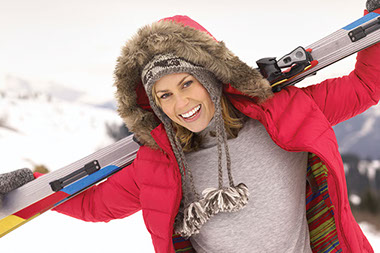
    Image of women with skis.

    Winter weather doesn’t have to derail your exercise routine, says a Saint Louis University exercise expert. As you adjust to darker days, colder temperatures, and slippery surfaces, it’s important to be mindful of safety issues that come with the territory of winter workouts.

    “A change in weather should bring a change to your mindset. As temperatures get colder, it’s important for athletes to adjust their routines,” said Dr. Tony Breitbach, director of athletic training education.

    Dr. Breitbach offers the following tips to avoid injury during winter months:

    *Watch what you wear.Dress in layers for outside exercise. Next to your skin, wear a  breathable wicking material, not cotton because it retains sweat. Next, add a thermal layer of fleece or cotton to keep in heat. Use a third, outer layer as a cover. As you start to heat up, you’ll be able to peel off layers to manage your comfort level.

    *Watch for pain.Your furthest extremities are the first to be affected by the cold. If you get pain or tingling in your ears, fingers, or toes, it’s time to go inside to warm up.

    *Watch your hydration.Staying well-hydrated is another concern during cold winter months due to dry air and indoor heat. Drink plenty of fluids, but be sure to avoid caffeine and alcohol-based beverages, which also lead to dehydration.

    *Watch for hazards.Use caution when running after dark. Wear light-colored, reflective clothing so drivers can see you.

    *Watch out for overuse.Winter weather can limit outdoor exercise options such as running in the park, golfing, and swimming. So be careful to avoid over-doing it with one activity. Working out on hard, unforgiving surfaces like gym floors or concrete can worsen any over-use issues you have. Think outside the gym. Be creative; try ice-skating, cross-country skiing, or a yoga class.

    © American Institute for Preventive Medicine