Tag: storage

  • Handle Food With Care

    Home Safety

    Healthy eating starts with preparation.

    Your body will know if you’ve eaten harmful bacteria, because it can make you mildly to very sick. Bacteria spread easily onto hands, cutting boards, utensils, and countertops – all things that come into contact with food. To avoid problems, cook foods to  proper temperatures and follow some simple steps.

    Clean: Wash your hands and surfaces often.

    *  Wash your hands with warm water and soap for at least 20 seconds before and after handling food or touching other surfaces.

    *  Wash cutting boards, dishes, utensils, and countertops with hot soapy water after preparing each food item.

    *  Rinse fruits and vegetables with running tap water.

    Separate: Don’t cross-contaminate.

    *  Keep raw meat, poultry, seafood and eggs separate from other foods.

    *  Use one cutting board for fruits and vegetables and another for meat, poultry, seafood, or eggs.

    *  Never place cooked food on a plate that held raw food.

    Chill: Refrigerate perishable foods.

    *  Refrigerate or freeze meat, poultry, eggs, and other perishables as soon as you get home from shopping for foods.

    *  Don’t let raw meat, poultry, eggs, cooked food, or cut fruits or vegetables sit at room temperature more than two hours.

    *  Defrost foods in the refrigerator or cold water. Use the microwave on the defrost setting if you are cooking the food right away.

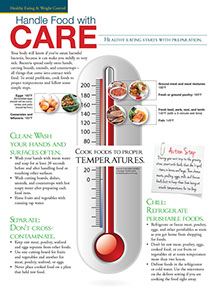
    Cook foods to proper temperatures.

    Eggs: 160ºF (Scrambled eggs should not be runny; whites and yolks should be firm.)

    Casseroles and leftovers: 165ºF

    Ground meat and meat mixtures: 160ºF

    Fresh or ground poultry: 165ºF

    Fresh beef, pork, veal, and lamb: 145ºF (with a 3-minute rest time)

    Fish: 145ºF

    Action Step

    During your next trip to the grocery store, start with foods that don’t spoil − items in boxes and bags. Then choose meats, poultry, eggs, milk, and frozen foods last to keep them from being at unsafe temperatures for too long.
    Ways to Well-Being book by the American Institute for Preventive Medicine. www.HealthyLife.com. All rights reserved.

    © American Institute for Preventive Medicine
  • Over-The-Counter Medication Safety

    Medication

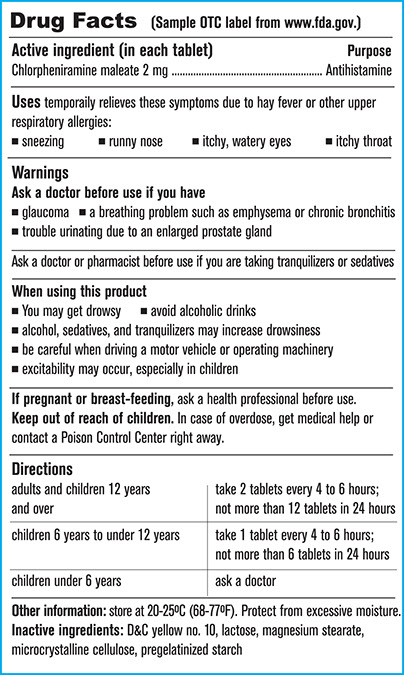
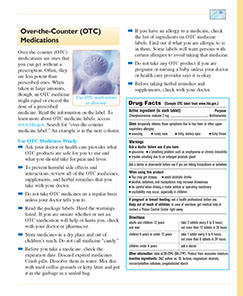
    Over-the-counter (OTC) medications are ones that you can get without a prescription. Often, they are less potent than prescribed ones. When taken in large amounts, though, an OTC medicine might equal or exceed the dose of a prescribed medicine. Read the information on the label. To learn more about OTC medicine labels, accesswww.fda.gov. Search for “over-the-counter medicine label.”

    Use OTC Medicines Wisely

    *  Ask your doctor or health care provider what OTC products are safe for you to use and what you should take for pain and fever.

    *  To prevent harmful side effects and interactions, review all of the OTC medicines, supplements, and herbal remedies that you take with your doctor.

    *  Do not take OTC medicines on a regular basis unless your doctor tells you to.

    *  Read the package labels. Heed the warnings listed. If you are unsure whether or not an OTC medication will help or harm you, check with your doctor or pharmacist.

    *  Store medicines in a dry place and out of children’s reach. Do not call medicine “candy.”

    *  Before you take a medicine, check the expiration date. Discard expired medicines. Crush pills. Dissolve them in water. Mix this with used coffee grounds or kitty litter and put it in the garbage in a sealed bag.

    *  If you have an allergy to a medicine, check the list of ingredients on OTC medicine labels. Find out if what you are allergic to is in them. Some labels will warn persons with certain allergies to avoid taking that medicine.

    *  Do not take any OTC product if you are pregnant or nursing a baby unless your doctor or health care provider says it is okay.

    *  Before taking herbal remedies and supplements, check with your doctor.

    Drug fact chart.

    Resources

    U.S. Food and Drug Administration

    www.fda.gov

    Page from the Healthier at Home book by the American Institute for Preventive Medicine. www.HealthyLife.com. All rights reserved.

    © American Institute for Preventive Medicine
  • Safe Use Of Medications

    Medication

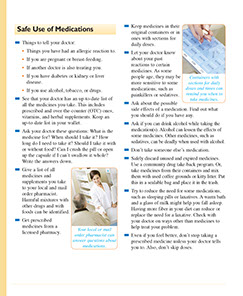
    Image of man picking up medications.

    *  Things to tell your doctor:

    – Things you have had an allergic reaction to.

    – If you are pregnant or breast-feeding.

    – If another doctor is also treating you.

    – If you have diabetes or kidney or liver disease.

    – If you use alcohol, tobacco, or drugs.

    *  See that your doctor has an up-to-date list of all the medicines you take. This includes prescribed and over-the-counter (OTC) ones, vitamins, and herbal supplements. Keep an up-to-date list in your wallet.

    *  Ask your doctor these questions: What is the medicine for? When should I take it? How long do I need to take it? Should I take it with or without food? Can I crush the pill or open up the capsule if I can’t swallow it whole? Write the answers down.

    *  Give a list of all medicines and supplements you take to your local and mail order pharmacist. Harmful mixtures with other drugs and with foods can be identified.

    *  Get prescribed medicines from a licensed pharmacy.

    *  Keep medicines in their original containers or in ones with sections for daily doses.

    *  Let your doctor know about your past reactions to certain medicines. As some people age, they may be more sensitive to some medications, such as painkillers or sedatives.

    *  Ask about the possible side effects of a medication. Find out what you should do if you have any.

    *  Ask if you can drink alcohol while taking the medication(s). Alcohol can lessen the effects of some medicines. Other medicines, such as sedatives, can be deadly when used with alcohol.

    *  Don’t take someone else’s medication.

    *  Safely discard unused and expired medicines. Use a community drug take-back program. Or, take medicines from their containers and mix them with used coffee grounds or kitty litter. Put this in a sealable bag and place it in the trash.

    *  Try to reduce the need for some medications, such as sleeping pills or laxatives. A warm bath and a glass of milk might help you fall asleep. Having more fiber in your diet can reduce or replace the need for a laxative. Check with your doctor on ways other than medicines to help treat your problem.

    *  Even if you feel better, don’t stop taking a prescribed medicine unless your doctor tells you to. Also, don’t skip doses.

    Resources

    U.S. Food and Drug Administration

    www.fda.gov

    Page from the Healthier at Home book by the American Institute for Preventive Medicine. www.HealthyLife.com. All rights reserved.

    © American Institute for Preventive Medicine

  • Breastfeeding And Work

    WORK LIFE

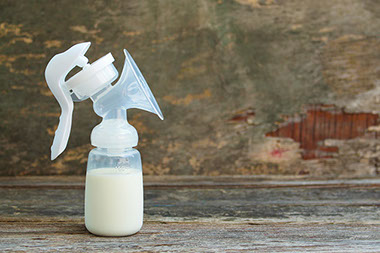
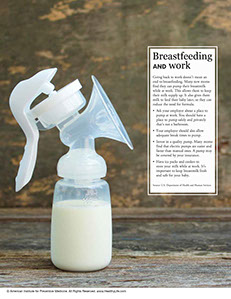
    Breast pump bottle filled with milk.

    Going back to work doesn’t mean an end to breastfeeding. Many new moms find they can pump their breastmilk while at work. This allows them to keep their milk supply up. It also gives them milk to feed their baby later, so they can reduce the need for formula.

    *  Ask your employer about a place to pump at work. You should have a place to pump safely and privately that’s not a bathroom.

    *  Your employer should also allow adequate break times to pump.

    *  Invest in a quality pump. Many moms find that electric pumps are easier and faster than manual ones. A pump may be covered by your insurance.

    *  Have ice packs and coolers to store your milk while at work. It’s important to keep breastmilk fresh and safe for your baby.

    Source: U.S. Department of Health and Human Services

    © American Institute for Preventive Medicine
  • What To Know About Moldy Food

    HEALTHY EATING

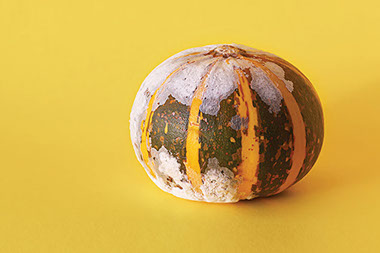
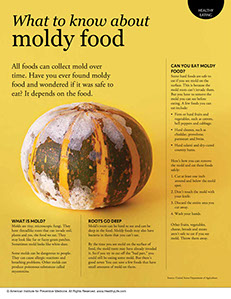
    A squash that has mold on it.

    All foods can collect mold over time. Have you ever found moldy food and wondered if it was safe to eat? It depends on the food.

    What is mold?

    Molds are tiny, microscopic fungi. They have threadlike roots that can invade soil, plants and yes, the food we eat. They may look like fur or fuzzy green patches. Sometimes mold looks like white dust.

    Some molds can be dangerous to people. They can cause allergic reactions and breathing problems. Other molds can produce poisonous substances called mycotoxins.

    Roots go deep

    Mold’s roots can be hard to see and can be deep in the food. Moldy foods may also have bacteria in them that you can’t see.

    By the time you see mold on the surface of food, the mold roots may have already invaded it. So if you try to cut off the “bad part,” you could still be eating some mold. But there’s good news: You can save a few foods that have small amounts of mold on them.

    Can you eat moldy food?

    Some hard foods are safe to eat if you see mold on the surface. This is because the mold roots can’t invade them. But you have to remove the mold you can see before eating. A few foods you can eat include:

    *  Firm or hard fruits and vegetables, such as carrots, bell peppers and cabbage.

    *  Hard cheeses, such as cheddar, provolone, parmesan and Swiss.

    *  Hard salami and dry-cured country hams.

    Here’s how you can remove the mold and eat these foods safely:

    1.  Cut at least one inch around and below the mold spot.

    2.  Don’t touch the mold with your knife.

    3.  Discard the entire area you cut away.

    4.  Wash your hands.

    Other fruits, vegetables, cheese, breads and meats aren’t safe to eat if you see mold. Throw them away.

    Source: United States Department of Agriculture

    © American Institute for Preventive Medicine
  • Keep Produce At Its Peak

    Nutrition

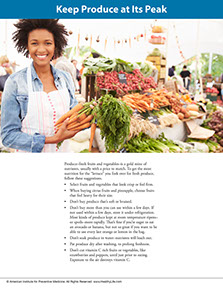
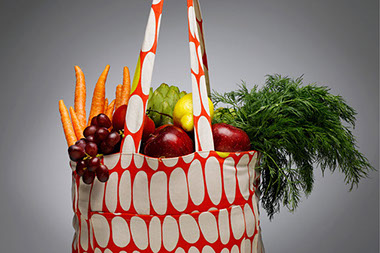
    Image of reusable bag filled with produce.

    Produce-fresh fruits and vegetables-is a gold mine of nutrients, usually with a price to match. To get the most nutrition for the “lettuce” you fork over for fresh produce, follow these suggestions.

    *  Select fruits and vegetables that look crisp or feel firm.

    *  When buying citrus fruits and pineapple, choose fruits that feel heavy for their size.

    *  Don’t buy produce that’s soft or bruised.

    *  Don’t buy more than you can use within a few days. If not used within a few days, store it under refrigeration. Most kinds of produce kept at room temperature ripens-or spoils-more rapidly. That’s fine if you’re eager to eat an avocado or banana, but not so great if you want to be able to use every last orange or lemon in the bag.

    *  Don’t soak produce in water-nutrients will leach out.

    *  Pat produce dry after washing, to prolong freshness.

    *  Don’t cut vitamin C rich fruits or vegetables, like strawberries and peppers, until just prior to eating. Exposure to the air destroys vitamin C.

    Page from A Year of Health Hints book by the American Institute for Preventive Medicine. www.HealthyLife.com. All rights reserved.

    © American Institute for Preventive Medicine
  • Choose Fresh, Frozen, Canned, Or Dried

    Healthylife® Weigh

    Part 2

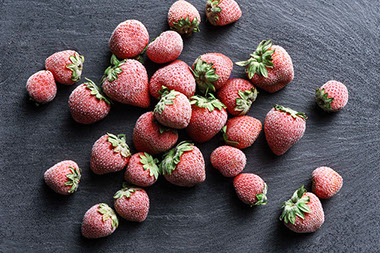
    Frozen strawberries.

    All forms of fruits and vegetables can be healthy options. You may like the taste of one form over another. If you have only tried a vegetable in one form (for example, canned green beans), try it fresh or frozen. You may be surprised how different it tastes. Frozen and canned produce is picked at the peak of ripeness. This means the nutrients were able to fully develop before the plant was picked. This makes these choices very healthy, especially outside of the growing/harvest season.

    Fresh

    *  Choose a variety of fresh produce. Include ready-to-eat snacks like apples and baby carrots.

    *  Buy produce that’s in season to help the environment and provide natural variety in your diet.

    *  Grow your own, when possible.

    Frozen

    *  Choose frozen veggies without added sauces or salt. Add your own seasonings that have little or no salt or sodium.

    *  Choose fruits without added sugar. Fruit has plenty of natural sugar.

    Canned

    *  Choose low-sodium added varieties.

    *  Wipe off the top of the can before opening it.

    *  Rinse the vegetables in a colander to reduce the sodium content further.

    *  With canned fruit, look for options packed in water or 100% fruit juice. Avoid canned fruits that are packed in syrup.

    Dried

    *  Avoid choices with added sugar.

    *  Drink a glass of water to replace the water that has been removed.

    © American Institute for Preventive Medicine
  • Join The Team: The Rest Of Your Kitchen

    Healthylife® Weigh

    Part 4

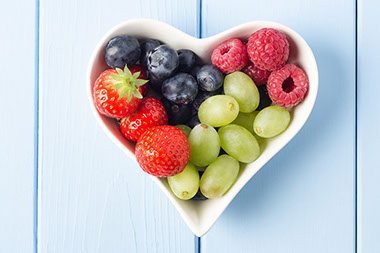
    Selection of fruits in a heart shaped bowl.

    Avoid going to battle every day with unhealthy choices. Learn your own strengths and weaknesses. If you are more likely to chop veggies after shopping than after coming home from work, do this after shopping and store in clear containers. If having visible candy is tempting, keep it in a tin in the basement, out of sight and inconvenient.

    Dish Cupboards

    *  Stock small bowls and plates on easy-to-reach shelves. Put large plates and bowls in a hard-to-reach place or in another closet in the house.

    *  Put smaller wine glasses in front of larger ones. Use tall, narrow glasses for non-water drinks.

    *  Make it easier to cook. Have a blender on the counter and organize your pots and pans to make it easy to pull out a frying pan or pot.

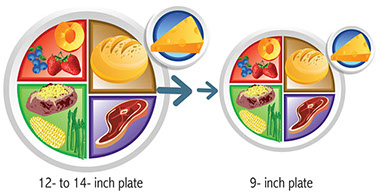
    Use a smaller plate (9-10 inches) and downsize your cereal bowl. This helps reduce portion sizes, even if what is on your plate has not changed.

    Use dessert forks, appetizer forks, or child-sized utensils to eat your meals. This will help you take smaller bites and eat slower. You may find you feel full before you’ve finished your meal! You may also be satisfied with less.

    Counter Tops & Kitchen Space

    *  Add a fruit bowl to the counter with two or more fruits. Tomatoes can go in here too! Roma tomatoes can make for a refreshing, convenient, and filling snack!

    *  Organize counter tops and decrease kitchen clutter-even on the refrigerator door.

    *  Take out the lounge factor-no TV, tablets, comfy chairs, etc. Spending extra time in the kitchen could lead to munching and eating when you are not hungry.

    *  Don’t sit down to a meal unless it includes a fruit or vegetable.

    Pantry

    *  Keep healthy choices at eye level-oatmeal, quinoa, nut butters, beans, canned fruit in water or juice, whole grain pasta, rice, etc.

    *  Move foods you want to eat less of to a less convenient location (like in a cupboard you need a stool to reach) or to a different place in the house where you do not go as often (like the basement or laundry room).

    *  Store packaged, processed foods in solid-colored bins in a closed pantry or closet.

    *  Make less healthy foods less visible and harder to reach. Make healthy foods more visible and easier to reach.

    Now Go! Take a Look

    *  Is there food sitting out in the open in your kitchen? If so, what is visible (e.g., bags of chips or boxes of cereal on top of the fridge, bowl of fruit on the table)?

    *  Where do you keep “treat” foods (desserts, sweet snacks, chips, etc.)?

    *  How quickly can you reach for these? Is it easy?

    *  Where else can you store highly processed snacks and high-sugar treats? If options are limited, put them in a solid-colored plastic container or put them on a shelf that is not at eye level. These changes might help everyone else in your household too!

    *  When you drink water, do you prefer filtered, chilled water, or tap water? Is your preferred water easily accessible?

    © American Institute for Preventive Medicine
  • Keep Food Safe

    Healthylife® Weigh

    Part 3

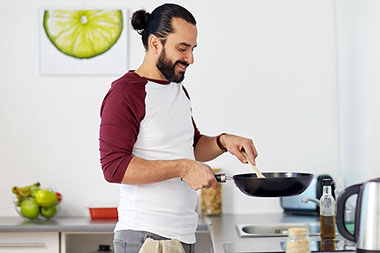
    Man with frying pan cooking food at home.

    *  Freezing: Keep freezer temperature at or below 0°F. Keep frozen foods in airtight containers.

    *  Refrigerator: Keep refrigerator temperature at or below 40°F. Store foods made from animal products in a drawer or in the back of the refrigerator, where it is cooler.

    *  Thawing: Thaw food on the bottom shelf of the refrigerator. Or, submerge the sealed container in cold water. Or, use the defrost settings on your microwave. Never thaw food on the counter.

    Heat to Safe Temperatures

    Use a food thermometer to make sure foods are safe to eat.

    *  145ºF: Fish, roasts, steaks, chops (beef, pork, veal, and lamb)

    *  160ºF: Egg dishes and ground meats (beef, veal, and lamb)

    *  165ºF: Stuffing, all poultry, casseroles, reheated leftovers

    Simple Cooking Methods

    When you cook vegetables, do so quickly and in little water. Some vitamins, like vitamin C, are lost when soaked in water or overcooked.

    Microwave: Place chopped vegetables in a microwave-safe dish with a lid. Or, use plastic wrap with a few holes poked for venting. Add 2 Tbsp. of water, or enough to cover the bottom of the dish. Microwave on high for 5 minutes. Check firmness. Add time to reach desired softness.

    Stove Top: Add 1 to 2 inches of water to a pot. Add vegetables. Simmer until tender, checking vegetables often after the first 5 minutes. Greens will cook faster, so check these after 2 minutes.

    Oven: Preheat oven to 450ºF. Coat a baking sheet with non-stick cooking spray or use a sheet of parchment paper. Toss vegetables with 1 Tbsp. of canola oil. Spread vegetables evenly and bake for at least 15 minutes. Check for desired softness. Add cooking time, if needed. Experiment with spices to flavor vegetables to your liking.

    © American Institute for Preventive Medicine
  • Master Food Prep

    Healthylife® Weigh

    Part 3

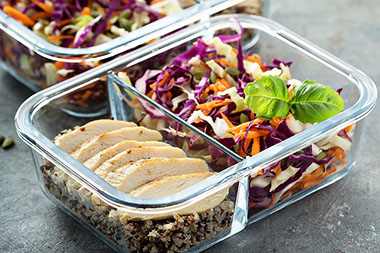
    Healthy meal prep with quinoa and chicken.

    Food preparation does not need to take a lot of time. The more you prepare food, the better you will get at being efficient in the kitchen!

    1. Make double batches of dinner meals. Freeze individual portions in airtight containers. Label with the date and what it is.

    2. Buy pre-cut vegetables, either fresh or frozen.

    3. Keep a supply of foods on hand that can be stored for weeks or months, such as brown rice, quinoa, whole grain pasta, frozen and canned vegetables, beans, tuna, oils, and spices.

    4. Cut up fruits and vegetables and store them in individual bags or containers for easy, grab-and-go snacks. Dry anything you have washed by laying it on a towel. This will help prevent mold.

    5. Freeze berries or sliced and peeled bananas. They can be easily added to smoothies or pancakes.

    Tips for Nibbling Cooks

    Be aware of how much you eat while cooking. A taste here and there can help you check for flavor, such as when seasoning a soup. Too many nibbles can add up to a lot of extra eating in your diet.

    *  Have a small snack before you start cooking, like a piece of fruit or raw veggies and hummus.

    *  Chew sugar-free gum with xylitol, which does not cause tooth decay.

    *  Brush and floss your teeth before you cook.

    *  Sip water every time you are tempted to snack on the meal you are preparing.

    *  Sit down when you eat. Use utensils for all items you eat.

    © American Institute for Preventive Medicine