Tag: strength

  • Test Your Fitness Level

    Fitness

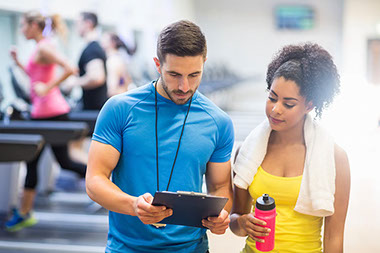
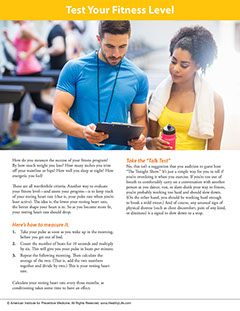
    Image of women talking to her fitness trainer.

    How do you measure the success of your fitness program? By how much weight you lose? How many inches you trim off your waistline or hips? How well you sleep at night? How energetic you feel?

    These are all worthwhile criteria. Another way to evaluate your fitness level-and assess your progress-is to keep track of your resting heart rate (that is, your pulse rate when you’re least active).

    The idea is, the lower your resting heart rate, the better shape your heart is in. So as you become more fit, your resting heart rate should drop.

    Here’s how to measure it.

    1.  Take your pulse as soon as you wake up in the morning, before you get out of bed.

    2.  Count the number of beats for 10 seconds and multiply by six. This will give you your pulse in beats per minute.

    3.  Repeat the following morning. Then calculate the average of the two. (That is, add the two numbers together and divide by two.) This is your resting heart rate.

    Calculate your resting heart rate every three months, as conditioning takes some time to have an effect.

    Take the “Talk Test”

    No, this isn’t a suggestion that you audition to guest host “The Tonight Show.” It’s just a simple way for you to tell if you’re overdoing it when you exercise. If you’re too out of breath to comfortably carry on a conversation with another person as you dance, run, or slam-dunk your way to fitness, you’re probably working too hard and should slow down. (On the other hand, you should be working hard enough to break a mild sweat.) And of course, any unusual sign of physical distress (such as chest discomfort, pain of any kind, or dizziness) is a signal to slow down to a stop.

    Page image from A Year of Health Hints book by the American Institute for Preventive Medicine. www.HealthyLife.com. All rights reserved.

    © American Institute for Preventive Medicine

  • Time To Get Physical

    Fitness

    Get fit and stay fit.

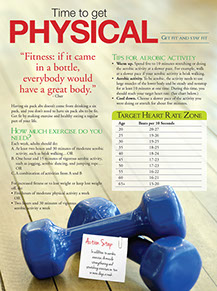
    “Fitness: if it came in a bottle, everybody would have a great body.”

    – Cher

    Having six pack abs doesn’t come from drinking a six pack, and you don’t need to have six pack abs to be fit. Get fit by making exercise and healthy eating a regular part of your life.

    How much exercise do you need?

    Each week, adults should do:

    A.  At least two hours and 30 minutes of moderate aerobic activity, such as brisk walking…OR

    B.  One hour and 15 minutes of vigorous aerobic activity, such as jogging, aerobic dancing, and jumping rope…OR

    C.  A combination of activities from A and B

    For increased fitness or to lose weight or keep lost weight off, do:

    *  Five hours of moderate physical activity a week…OR

    *  Two hours and 30 minutes of vigorous aerobic activity a week

    Tips for aerobic activity

    *  Warm up. Spend five to 10 minutes stretching or doing the aerobic activity at a slower pace. For example, walk at a slower pace if your aerobic activity is brisk walking.

    *  Aerobic activity. To be aerobic, the activity needs to use large muscles of the lower body and be steady and nonstop for at least 10 minutes at one time. During this time, you should reach your target heart rate. (See chart on this page.)

    *  Cool down. Choose a slower pace of the activity you were doing or stretch for about five minutes.

    Target Heart Rate Zone

    Age

    20

    25

    30

    35

    40

    45

    50

    55

    60

    65+

    Beats per 10 Seconds

    20-27

    19-26

    19-25

    18-25

    18-24

    17-23

    17-23

    16-22

    16-21

    15-20

    Action Step

    In addition to aerobic exercise, do muscle strengthening and stretching exercises on two or more days a week.

    Page image from the Ways to Well-Being Book by the American Institute for Preventive Medicine. www.HealthyLife.com. All rights reserved.

    © American Institute for Preventive Medicine

  • Be Strong At Any Age

    BE FIT

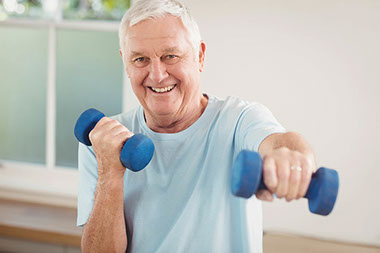
    Older man using weights.

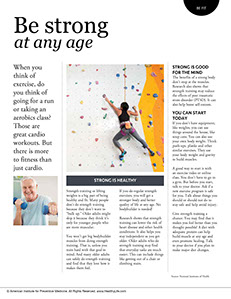
    When you think of exercise, do you think of going for a run or taking an aerobics class? Those are great cardio workouts. But there is more to fitness than just cardio.

    Strong is healthy

    Strength training or lifting weights is a big part of being healthy and fit. Many people don’t do strength training because they don’t want to “bulk up.” Older adults might skip it because they think it’s only for younger people who are more muscular.

    You won’t get big bodybuilder muscles from doing strength training. That is, unless you train hard with that goal in mind. And many older adults can safely do strength training and find that they love how it makes them feel.

    If you do regular strength exercises, you will get a stronger body and better quality of life at any age. No bodybuilder is needed!

    Research shows that strength training can lower the risk of heart disease and other health conditions. It also helps you stay independent as you get older. Older adults who do strength training may find that everyday tasks are much easier. This can include things like getting out of a chair or climbing stairs.

    Strong is good for the mind

    The benefits of a strong body don’t stop at the muscles. Research also shows that strength training may reduce the effects of post traumatic stress disorder (PTSD). It can also help boost self-esteem.

    You can start today

    If you don’t have equipment, like weights, you can use things around the house, like soup cans. You can also use your own body weight. Think push-ups, planks and other similar exercises. They use your body weight and gravity to build muscles.

    A good way to start is with an exercise video or online class. You don’t have to go to a gym. But before you start, talk to your doctor. Ask if a new exercise program is safe for you. Talk about things you should or should not do to stay safe and help avoid injury.

    Give strength training a chance. You may find that it makes you feel better than you thought possible! A diet with adequate protein can help build muscle at any age and even promote healing. Talk to your doctor if you plan to make major diet changes.

    Source: National Institutes of Health

    © American Institute for Preventive Medicine

  • How To Build Strong, Healthy Nails

    SELF-CARE CORNER

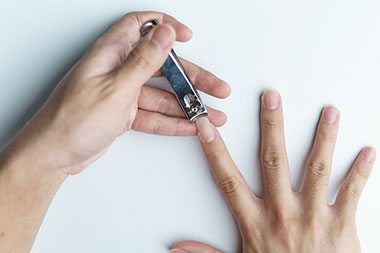
    Close up of hands clipping nails.

    Taking proper care of your nails is more than a matter of looks. Clear, strong nails are a marker of good physical health. They reflect everything from your level of stress to the quality of your diet.

    It may seem like a simple thing, but caring for your nails is an essential part of a comprehensive self-care routine. Healthy nails don’t happen by chance. Here is what you need to know to keep your nails in excellent condition.

    Keep nails trimmed and shaped

    Don’t wait for nails to break or become jagged before giving them a good trim. Fingernails, in particular, need frequent grooming to maintain a healthy shape.

    For best health, cut nails straight across. Then, use an emery board to give them a rounded shape at the tips. This will prevent breakage and minimize the risk of ingrown nails.

    The nails on your fingers grow three times faster than the nails on your toes. Plan to trim and shape them more often than your toenails.

    Care for your cuticles

    The cuticle seals the skin of your finger around the nail. Never trim or move the cuticles as this disrupts the seal and increases your risk of a nail infection. If you go for a manicure, let the technician know to leave the cuticles alone.

    Cuticles benefit from extra moisture, especially in the winter months. You can use a special cuticle moisturizer. Or, even simple hand lotion massaged into the nail area will improve cuticle health.

    Limit manicures and pedicures

    Harsh nail products and regular use of polish weaken your nails. Wearing artificial nails can make your nails thin and brittle, as well as increase the risk of infection.

    Enjoy manicures and pedicures on occasion, but make sure to give your nails a break in between. Letting your nails enjoy time without polish or products will keep them healthy and less prone to breakage.

    If you really love artificial nails, save them for special occasions and opt for a simple french manicure whenever possible.

    Don’t forget your toenails

    Because toenails do not grow as fast, they often don’t get as much care and attention. But don’t fall into the habit of ignoring them.

    Inspect toenails regularly and watch for sharp edges or ingrown nails. Also, keep a close eye out for changes in nail color which could signal a nail problem or even an infection.

    Wear comfortable shoes that don’t pinch the toes and use flip-flops at public showers or pools. These steps will keep the toenails clean and healthy.

    © American Institute for Preventive Medicine

  • Pedal For Fitness

    Fitness

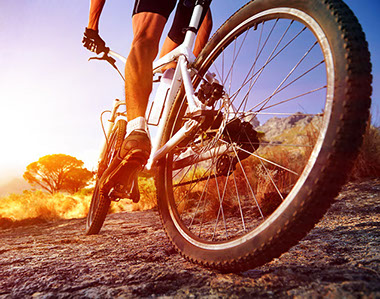
    A closeup image of a bike tire while a cyclist rides through a trail.

    Riding a bicycle is good for body and soul. Cycling gets you out in the fresh air, leaves you feeling invigorated, and can do wonders for cardiovascular health. And you don’t have to ride fast and furiously to benefit from cycling.

    Here’s what to do to avoid undue muscle aches when you cycle.

    *  To avoid back and knee problems, take your bike to a bike shop and have the handlebars and seat adjusted to fit you properly. The seat should be adjusted so that when one leg is extended and bent slightly, the ball of your foot contacts the pedal at the lowest point of its revolution. Handlebars should be positioned no lower than your seat.

    *  Stretch your shoulders, back, and legs slowly and gently before and after biking.

    Page image from A Year of Health Hints book by the American Institute for Preventive Medicine. www.HealthyLife.com. All rights reserved.

    © American Institute for Preventive Medicine

  • Get Your Recommended Daily Calcium

    Nutrition

    Recommended amounts for some nutrients, such as calcium, are called adequate intakes (AIs). These are the amounts that appear to provide what is needed for good health.

    Note: Ask your doctor how much calcium you should get each day. If you are at risk for osteoporosis, ask, too, if you might benefit from medications to prevent further bone loss. Examples are estrogen from hormone therapy (HT), if you are female; alendronate; raloxifene; and risedronate.

    What Does Calcium Do in the Body?

    Calcium is needed for strong bones and teeth. It is also needed for your:

    *  Heart to beat

    *  Nerves to react

    *  Blood to clot

    *  Muscles to flex

    *  Body cells to stick together

    Milk, yogurt, cheese, soy milk, tofu, collard greens, and broccoli are good sources of calcium. (See “Calcium Content in Foods” chart.) If you don’t drink milk because you can’t digest the sugar in milk (lactose intolerance), do the following:

    *  Have milk products that already have lactase added to them.

    *  Drink milk fermented by certain bacteria (acidophilus milk), if tolerated.

    *  Take commercial preparations of lactase (which can be added as drops or taken as pills) when you have lactose-containing foods.

    *  Have soy milk and other food products with added calcium.

    Some persons who can’t digest milk sugar (lactose) can tolerate aged cheeses, yogurt with active cultures, and possibly small amounts of dairy foods if eaten with meals and snacks.

    If you can’t tolerate milk products at all, eat nondairy food sources of calcium (soymilk, beans, tofu, broccoli, kale, collard greens, spinach, fish with small bones). Have food items that are fortified with calcium, such as some orange and apple juices and calcium fortified cereal products. (See “Calcium Content in Foods” chart and check food labels.)

    Labels do not list calcium in milligrams (mg), but as a percentage of the daily value (DV). The DV for calcium is based on 1,000 mg of calcium per day. It’s easy to figure out calcium in mg. Just add zero to the % DV. Examples are given in the chart below.

    Calcium Content in Foods

    Calcium Supplements

    (Check with your doctor or dietitian about taking calcium supplements.)

    Calcium supplements should not be used in persons with a history of calcium-containing kidney stones. Supplemental calcium may also worsen chronic constipation and interfere with iron absorption.

    If you do take calcium supplements:

    *  Drink at least 6 to 8 glasses of water per day.

    *  Avoid taking more than 500 to 600 mg at one time. Take calcium with meals.

    *  Avoid bone meal or dolomite. These could contain lead or other toxic metals.

    *  Avoid taking calcium supplements with iron supplements and laxatives. These can reduce calcium absorption.

    There are many forms of calcium supplements. Look for the amount in milligrams of elemental calcium that a source provides. Choose calcium supplements that have calcium carbonate, calcium citrate, and/or calcium gluconate.

    {Note: Beware of marketing claims for “coral calcium” products which promote them to prevent or treat cancer, heart disease, lupus, and multiple sclerosis. The Federal Trade Commission (FTC) has charged some marketers of this with making false and unsubstantiated claims about the product’s health benefits.}

    Should I Take a Vitamin D Supplement If I Take a Calcium Supplement?

    Vitamin D helps the body absorb and use calcium. You can get vitamin D, daily, from vitamin D fortified dairy products. Other food sources are salt-water fish, egg yolks, and liver. You can also get vitamin D from direct exposure to sunlight on your skin. In general, about 15 minutes of direct sunlight per day gives you the amount of vitamin D needed for a day. Persons who are elderly or homebound often do not get adequate sun exposure to get enough vitamin D. Also, during winter, sunlight in the Northern U.S. is not intense enough to let the body build up enough vitamin D. Check with your doctor or health care provider about the need for a vitamin D supplement. Some calcium supplements also contain vitamin D.

    On the average, American women are getting about half the amount of calcium that’s recommended. Also, surveys show 65% of adult men, 90% of teenage girls, and 50% of children fall short on calcium intake.

    How Do I Get My Adequate Intake for Calcium?

    You can get your Adequate Intake (AI) for calcium by having good food sources of calcium and by taking calcium supplements, if necessary.

    Can I Get Too Much Calcium?

    Whether or not you tolerate milk products, if you use calcium supplements, do so wisely. You can easily consume too much calcium with the use of calcium-fortified foods, calcium supplements, and antacids. Long term excessive intakes of calcium might decrease the absorption of other minerals and promote kidney stone formation. Your goal should be to get adequate, rather than, excessive amounts of calcium. Aim to get your Adequate Intake (AI) amount or the amount recommended by your doctor.
    Page from HealthyLife Weigh book by the American Institute for Preventive Medicine. www.HealthyLife.com. All rights reserved.

    © American Institute for Preventive Medicine

  • Physical Health

    Healthylife® Weigh

    Part 5

    Male jogger with earphones.

    Stronger Muscles and Bones

    Muscles let you move, lift, and stretch. When you use your muscles, they get stronger so you can do everything from opening a door to smiling, chewing, and talking! Weight-bearing exercises, in particular, help bones become stronger. This helps prevent osteoporosis and fractures.

    Stronger muscles and bones will help you have good posture and keep your joints and body more naturally aligned.

    Improved Cardiovascular Health

    Heart Strength: Exercise strengthens your heart muscle. This means the heart can pump more blood per stroke and doesn’t require as many heartbeats to pump the same amount of blood. This makes your heart more efficient and lessens your risk of having a heart attack or blood clots.

    Cholesterol Levels: Exercise boosts high-density lipoprotein (HDL), or “good,” cholesterol and decreases unhealthy triglycerides. This helps to keep your blood flowing smoothly, decreasing your risk of cardiovascular disease. The more you exercise, the more your cholesterol levels will improve.

    Blood Pressure Control: Hormones that are released during exercise make blood vessels more elastic. This helps lower blood pressure.

    Improved Breathing

    Exercise improves your body’s ability to take in oxygen and transport and use oxygen throughout the body. This helps your muscles get the oxygen they need to be more efficient during exercise. With improved lung function, your ability to exercise longer (stamina) can increase! You’ll also be able to think more clearly throughout the day.

    Improved Immune System

    Exercise improves the circulation of immune cells in your blood that fight off viruses and bacteria. Exercise also helps combat damage done to cells, tissues, and organs.

    © American Institute for Preventive Medicine

  • Resistance Training

    Healthylife® Weigh

    Part 5

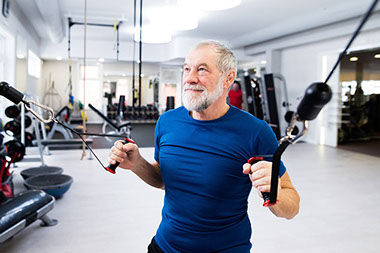
    Fit senior man in gym working out with weights.

    Make resistance training part of your exercise routine. Resistance training:

    *  Builds endurance. Your muscles can work longer before getting tired.

    *  Builds muscle. Muscle increases your resting metabolism. This means that even when your body is at rest, you are burning more fuel.

    *  Improves bone density. This helps prevent osteoporosis and fractures.

    *  Makes your body look more toned.

    *  Reduces the chance of injury while exercising.

    Tips for Resistance Training:

    *  Use free weights, a stretch band, or your body weight. Use the Dyna® Band and Exercise Guide if you received these with HealthyLife® Weigh.

    *  Follow guidelines on resistance machines for proper form. Ask a personal trainer to make sure you are doing exercises correctly.

    *  Work out with a friend. Have someone spot you.

    *  Warm up with 15 repetitions, using ½ to ¾ of your usual weight.

    *  Rest your muscles for a day in between workouts. If you want to work out every day, do the upper body one day; the lower body the next.

    *  Move slowly. Don’t jerk the weights up or drop them too fast.

    *  Breathe out when you are at the hardest part of the exercise. Breathe in when you return to the starting position. Don’t hold your breath.

    *  Work opposing muscles. For example, after you work the front of the arm (biceps), work the back of the arm (triceps).

    Examples of Resistance Training:

    Knee Push-Up: Rest on your knees and on the palms of your hands, about shoulder width apart. Push up. Keep your body straight from knees to shoulders. Push up and down slowly to the count of 4.

    Calf Raises: Stand with your feet about hip distance apart. Rise onto your toes. Hold for 1 count and lower. Try it on the edge of a step and let your heel drop below your toes for a wider range of motion.

    © American Institute for Preventive Medicine

  • Types Of Physical Activity

    Healthylife® Weigh

    Part 5

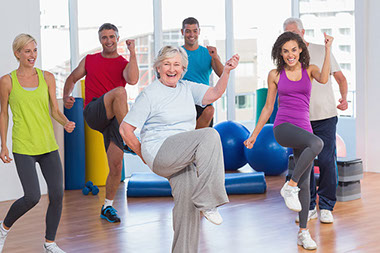
    Group of people doing power exercise at fitness studio.

    All exercise helps with stress management, heart health, and weight management. The more intense the activity, the more calories you burn.

    Combine different forms of physical activity to get the most benefit. This guide breaks physical activity into three categories:

    1. Cardio Training

    2. Resistance Training

    3. Stretching & Rehabilitation

    © American Institute for Preventive Medicine

  • A Matter Of Balance

    WELL-BEING

    Illustration of 3 people figures with one of them falling.

    A fall for a senior is not simply a matter of shaking it off and standing back up. A fall could mean a broken hip or a bruise, and some seniors really “can’t get up.” Falls are a major threat to the health and independence of older adults.

    The best solution is preventing falls in the first place. And a recent study in the British Medical Journal pointed to the success of exercise programs in reducing falls that cause injuries and broken bones.

    Risk factors for falls include muscle weakness, especially in the legs, and poor balance-all linked to lack of exercise or certain medical conditions. Poor vision and confusion can also lead to falls. Even some medications can cause dizziness. To lower your risk for falls, CDC recommends you do four things:

    1. Exercise to improve balance and strength.

    Walking, using a stretch band and lifting weights increase muscle strength. Yoga and tai chi improve balance. Follow your doctor’s advice for exercise.

    2. Have your doctor or pharmacist review all prescribed and over-the-counter medications you take.

    Some, when taken alone or with other medications or alcohol can make you dizzy or sleepy and raise your risk for falls. Also, let your doctor know if you feel lightheaded when you get up from sitting in a chair or out of bed. Before you get out of bed, sit on the edge of it for a minute or two and get up slowly.

    3. Get an eye exam from an eye doctor at least once a year.

    Follow his or her advice for wearing corrective lenses and/or using low-vision aids. Get treatment for cataract, glaucoma, macular degeneration and other eye conditions as needed.

    4. Make your house safer.

    *  Keep the inside of your house well lit. Use night lights.

    *  Have secure handrails on both sides of  all stairs.

    *  Keep stairs and walk paths clear from clutter and tripping hazards.

    *  Install grab bars in the tub/shower and next to the toilet. If needed, use a shower chair that has rubber tips on the legs and a hand-held shower.

    *  If you use throw rugs, use ones with nonskid backs. Or, put nonslip rug pads or carpet tape underneath rugs.

    *  Wear sturdy shoes with thin, nonslip soles. Avoid going barefoot.

    *  Avoid using a step ladder or a chair to stand on. Keep items you use often in easy-to-reach places.

    *  Be mindful of where your pet and his or her toys are to avoid tripping over them.

    © American Institute for Preventive Medicine