Tag: strength

  • A Matter Of Balance

    WELL-BEING

    Illustration of 3 people figures with one of them falling.

    A fall for a senior is not simply a matter of shaking it off and standing back up. A fall could mean a broken hip or a bruise, and some seniors really “can’t get up.” Falls are a major threat to the health and independence of older adults.

    The best solution is preventing falls in the first place. And a recent study in the British Medical Journal pointed to the success of exercise programs in reducing falls that cause injuries and broken bones.

    Risk factors for falls include muscle weakness, especially in the legs, and poor balance-all linked to lack of exercise or certain medical conditions. Poor vision and confusion can also lead to falls. Even some medications can cause dizziness. To lower your risk for falls, CDC recommends you do four things:

    1. Exercise to improve balance and strength.

    Walking, using a stretch band and lifting weights increase muscle strength. Yoga and tai chi improve balance. Follow your doctor’s advice for exercise.

    2. Have your doctor or pharmacist review all prescribed and over-the-counter medications you take.

    Some, when taken alone or with other medications or alcohol can make you dizzy or sleepy and raise your risk for falls. Also, let your doctor know if you feel lightheaded when you get up from sitting in a chair or out of bed. Before you get out of bed, sit on the edge of it for a minute or two and get up slowly.

    3. Get an eye exam from an eye doctor at least once a year.

    Follow his or her advice for wearing corrective lenses and/or using low-vision aids. Get treatment for cataract, glaucoma, macular degeneration and other eye conditions as needed.

    4. Make your house safer.

    *  Keep the inside of your house well lit. Use night lights.

    *  Have secure handrails on both sides of  all stairs.

    *  Keep stairs and walk paths clear from clutter and tripping hazards.

    *  Install grab bars in the tub/shower and next to the toilet. If needed, use a shower chair that has rubber tips on the legs and a hand-held shower.

    *  If you use throw rugs, use ones with nonskid backs. Or, put nonslip rug pads or carpet tape underneath rugs.

    *  Wear sturdy shoes with thin, nonslip soles. Avoid going barefoot.

    *  Avoid using a step ladder or a chair to stand on. Keep items you use often in easy-to-reach places.

    *  Be mindful of where your pet and his or her toys are to avoid tripping over them.

    © American Institute for Preventive Medicine

  • Abs: The Core Of A Healthy Body

    BE FIT

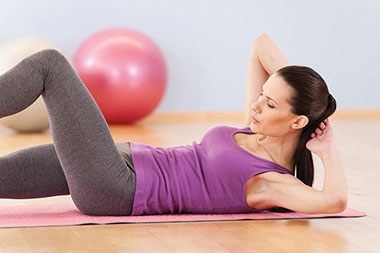
    Image of women doing abdominal exercises.

    Strong abdominal muscles can do more than just make you look slimmer. Healthy ab muscles can help you improve posture and alleviate back pain. For those who thought ab exercises were only for achieving a “six pack,” it’s time to discover all the benefits of a strong midsection.

    Your abdominal muscles are part of the body’s core muscles, which support your entire body when you sit, stand and move. For those who don’t like sit-ups or can’t get on the floor, there are other options to strengthen and tone these important muscles. In fact, “vertical” core exercises may be even more effective than sit-ups.

    Try this standing core exercise that’s suitable for beginners:

    *  Stand facing a wall. Place your feet shoulder-width apart and push your hands against the wall.

    *  Bend your knee and bring your leg toward the wall. Keep the other foot flat on the floor at all times.

    *  Step your leg across the other one in front. Then, step the same leg out to the side.

    *  Bend the knee again and open your leg to the outside, using your hip. Then, swing the leg to the inside.

    Repeat these exercises with the other leg. Concentrate on keeping your abs tight each time you lift and move your leg. Try to repeat them several times, and increase the number of reps as you get stronger.

    Source: American College of Sports Medicine

    © American Institute for Preventive Medicine
  • Exercise Benefits Outweigh The Struggle At Any Age

    BE FIT

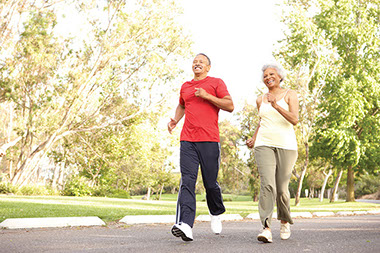
    Image of older couple on a brisk walk.

    The more you age, the more you need exercise to stay independent and healthy, said Dr. Keith Veselik, director of primary care at Loyola University Health System. “Around age 35 is when our muscle mass and resting metabolism starts to decrease. When this happens our bodies require more, not less exercise to manage our caloric intake. When this starts to happen, we can eat the same things, do the same things and may gain 3 pounds a year. That’s 30 pounds in a decade,” he said.

    Dr. Veselik said the best workout program balances heart healthy exercise, strength training, and flexibility. He recommends an hour of cardiovascular exercise 4 days a week, 2 days of strength training for 30 minutes, and balance and flexibility exercises such as stretching, yoga or pilates, 1 to 2 times a week.

    In your 50s:

    *  Muscle and joint aches and pains start becoming more apparent, so get creative about how to keep up cardiovascular exercise that is easy on the joints but gets the heart rate up (hint: swimming, biking, or running on softer surfaces).

    *  Cardiovascular exercise also helps to fight many of the most common and deadly medical concerns, including heart disease, asthma, and COPD.

    *  Don’t go from doing nothing to running a marathon. Talk to your doctor, ask about risk factors, and together create a plan that’s right  for you.

    *  If back pain occurs, protect your back by building strong core muscles and make sure you are lifting heavy objects correctly.

    In your 60s:

    *  Balance and strength should be a major focus. Many people are scared of breaking a hip, which can limit independence.

    *  Bones aren’t as strong and both men and women become more prone to osteoporosis.

    *  Add balance and leg strengthening exercises to increase flexibility, as well as balance to help prevent accidental falls. Weight-bearing exercise is crucial to bone health and keeping bone density strong.

    *  If arthritis develops at this age, exercise can help you cope. Swimming or aquatic classes are especially good.

    *  Walking is a great form of exercise. Just make sure you get your heart rate up.

    In your 70s and beyond:

    To combat seniors’ biggest worry, dementia, know that exercise is the only thing that is proven to prevent Alzheimer’s disease. And many of the major risk factors for dementia – high blood pressure, high cholesterol and diabetes can be countered with exercise.

    © American Institute for Preventive Medicine

  • Protect Your Bones

    SELF-CARE CORNER

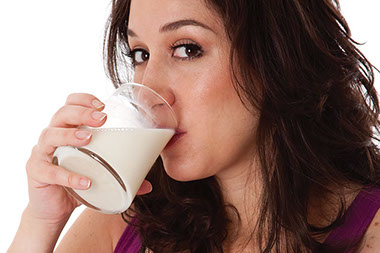
    Image of women drinking a glass of milk.

    Bones feel solid, but the inside of a bone is actually filled with holes like a honeycomb. Bone tissues are broken down and rebuilt all the time. While some cells build new bone tissue, others dissolve bone and release the minerals inside, according to experts at NIH in Health.

    As we get older, we begin to lose more bone than we build. The tiny holes within bones get bigger, and the solid outer layer becomes thinner. In other words, our bones get less dense. Hard bones turn spongy, and spongy bones turn spongier. If this loss of bone density goes too far, it’s called osteoporosis. Over 10 million people nationwide are estimated to have osteoporosis.

    In bad accidents, it’s normal for bones to break. But if your bones are dense enough, they should be able to withstand most falls. Bones weakened by osteoporosis, though, are more likely to break.

    You can lower your risk of osteoporosis.

    Getting plenty of calcium, vitamin D, and exercise is a good start.

    *Calciumis a mineral that helps bones stay strong. It can come from the foods you eat-including milk and milk products, dark green leafy vegetables like kale and collard greens-or from dietary supplements.

    *Vitamin Dhelps your body absorb calcium. As you grow older, your body needs more vitamin D, which is made by your skin when you’re in the sun. You can also get vitamin D from dietary supplements and from certain foods, such as milk, egg yolks, saltwater fish, fortified milks and cereals, and cod liver oil.

    *Exercise,especially weight-bearing exercise, helps bones too. Weight-bearing exercises include jogging, walking, tennis, and dancing. The pull of muscles is a reminder to the cells in your bones that they need to keep the tissue dense.

    Smoking, in contrast, weakens bones. Heavy drinking does too-and makes people more likely to fall. Certain drugs may also increase the risk of osteoporosis. Having family members with osteoporosis can raise your risk for the condition as well.

    The good news

    Even if you already have osteoporosis, it’s not too late to start taking care of your bones. Since your bones are rebuilding themselves all the time, you can help push the balance toward more bone growth by giving them exercise, calcium, and vitamin D.

    © American Institute for Preventive Medicine