Tag: Student Health & Safety

  • Drugs & Drug Safety

    Substance Use & Abuse

    After alcohol, the most common drugs used are tobacco and marijuana. Other drugs used are amphetamines (uppers); barbiturates (downers); hallucinogens, such as LSD; inhalants; and narcotics, such as cocaine. On the increase is the use of substances known collectively as “club drugs.” These are used at all-night dance parties, such as “raves” or “trances,” dance clubs, and bars. Examples are MDMA (Ecstasy), GHB, Rohypnol, Ketamine, methamphetamine, and LSD.

    The safest use of drugs is no use of drugs!

    Cocaine
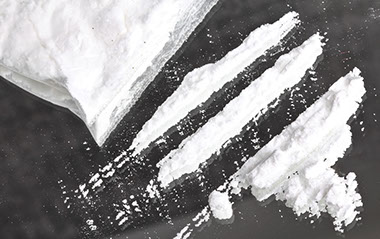
    Image of cocaine.

    This drug is also called blow, crack, crank, “C”, coke, nose candy, rock, and white girl.

    Dangers of Use

    Increases pulse rate and blood pressure. Causes insomnia, irritability, and paranoia. Can result in severe depression, convulsions, heart attack, lung damage, hallucinations, brain damage, risk of infection (hepatitis, HIV from using contaminated needles), coma, and death.

    Depressants
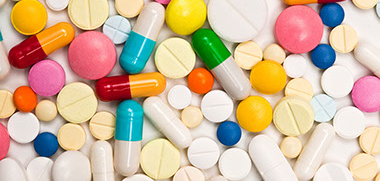
    Image of depressants.

    Examples are alcohol, barbiturates, sedatives, tranquilizers, downers, ludes, reds, and yellow jackets.

    Dangers of Use

    Causes drowsiness, slurred speech, drunkenness, memory loss, sudden mood shifts, depression, and lack of coordination. Can result in shallow breathing, dilated pupils, clammy skin, weak pulse, coma, and death.

    Ecstasy
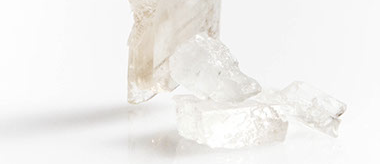
    Image of ecstasy.

    This is MDMA. Other names are Adam, Clarity, Lover’s Speed, and K.

    Dangers of Use

    Euphoric state initially, but depression can occur after taking the drug. Also carries the risk of a heat stroke from lack of fluids and sweating from dancing too long, especially in the hot environment of a club. May lead to a heart attack, seizure, and stroke.

    GHB and GLB

    GLB is a similar drug that turns into GHB in the body. Other names are: Grievous Bodily Harm; Liquid Ecstasy, Liquid Sex, Georgia Home Boy, and Scoop.
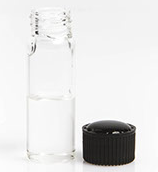
    Image of GHB.

    Dangers of Use

    Common date rape drug that results in nausea, vomiting, a feeling of intoxication, and amnesia-like symptoms. The drug slows the heartbeat, reduces blood pressure, and can cause the user’s breathing to stop. Overdose results in unconsciousness, coma, and eventual death. There is little difference in the dose that can get someone high and one that can cause death.

    Inhalants
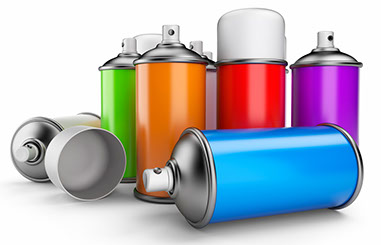
    Image of unmarked inhalants.

    Examples are vapors from: Solvents, such as gasoline; aerosols, such as hair sprays; anesthetics, such as ether, chloroform, nitrous oxide; and spray paints, especially gold and silver.

    Dangers of Use

    Slows heart rate, breathing and brain activity. Can cause headaches, dizziness, nausea, lack of coordination, slurred speech, blurred vision. Can result in suffocation, heart failure, unconsciousness, seizures, brain damage, and even death.

    Ketamine

    This drug is also called: Special K, K, Vitamin K, and Cat Valium.
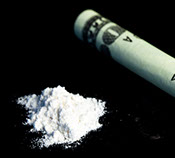
    Image of ketamine.

    Dangers of Use

    Causes dream-like states and hallucinations. Can cause delirium, amnesia, impaired motor functions, high blood pressure, depression, and breathing problems that can result in death.

    LSD
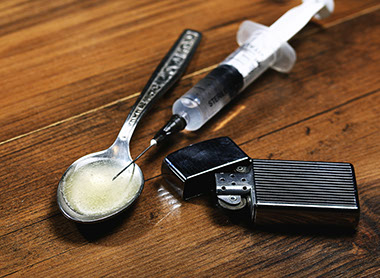
    Image of LSD.

    This is also called acid, bloomers, and yellow sunshines.

    Dangers of Use

    Causes hallucinations, dilated pupils, increased heart rate and blood pressure, sweating, sleeplessness, dry mouth, and tremors. Nausea, weakness, numbness or trembling are common. Long term use can cause persistent psychosis and what used to be called “flashbacks” – re-experiencing symptoms of past hallucinogen use even though not taking the drug at the present time.

    Marijuana
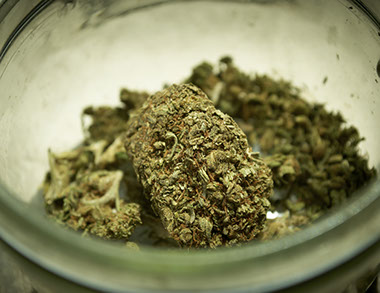
    Image of marijuana.

    This is also called pot, grass, reefer, herb, jay, joint, smoke, weed, and AMP (marijuana with formaldehyde).

    Dangers of Use

    Can result in feelings of panic, impaired short term memory, decreased ability to concentrate, fatigue, paranoia, and possible psychosis. Also causes lung damage. Synthetic marijuana, such as K2 can have serious side effects, such as extremely high blood pressure, very fast heartbeat, paranoia, delusions, seizure, and hallucinations.

    Methamphetamine

    This drug is also called speed, ice, chalk, crystal meth, crack, fire, and glass.
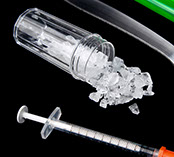
    Image of methamphetamine.

    Dangers of Use

    Can result in memory loss, agitation, aggression, and violent or psychotic behavior and potential cardiac and neurological damage. Can contribute to higher rates of transmission of hepatitis and HIV, if injected. Can result in heart attacks, seizures, and death from overdose.

    Rohypnol

    This is also called R-2, Rib, Roofies, Rope, and Forget-Me Pill.
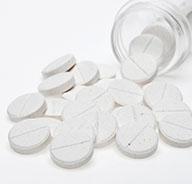
    Image of rohypnol.

    Dangers of Use

    Common date rape drug. Used in sexual assaults. Results in decreased blood pressure, drowsiness, visual disturbances, confusion, nausea, and vomiting. When mixed with alcohol or other drugs, this clear, odorless, and tasteless drug can cause death.

    Signs of a Drug Overdose

    Signs of an overdose depend on the type of drug used. Call 9-1-1 or get emergency care for one or more of the following:

    *  Unconsciousness. This means the person is hard to rouse and can’t be made aware of his or her surroundings. This can be brief, such as with fainting or blacking out. It can put a person into a coma.

    *  No breathing or slow and shallow breathing. This means 10 or fewer breaths per minute or time lapses of more than 8 seconds between breaths.

    *  Slow pulse rate (40 or fewer beats per minute).

    *  Suicidal gestures.

    *  Seizures.

    *  Tremors.

    *  Sudden hostile personality or violent behavior.

    *  Very rapid pulse rate (140 or more beats per minute) and/or extreme anxiety or paranoia.

    Resources

    Alcoholics Anonymous (AA) World Services

    Gives names and phone numbers for local AA groups. Gives materials on the AA program.

    www.aa.org

    Al-Anon/Alateen World Service Office

    A self-help program for families and friends of alcoholics. Also a referral line.

    888.4AL-ANON (425.2666)

    www.al-anon.org

    American Council for Drug Education

    A substance abuse prevention and education agency for youth, college students, parents, employers, educators, and health professionals.

    800.488.DRUG (488.3784)

    www.acde.org

    Cocaine Anonymous (CA) World Services

    Gives names and numbers for local self-help meetings.

    310.559.5833

    www.ca.org

    Narcotics Anonymous (NA) World Services Inc.

    Gives names and phone numbers for local self-help meetings and mails out literature on narcotics to hospitals and individuals.

    818.773.9999

    www.na.org

    Substance Abuse and Mental Health Services Administration (SAMHSA)

    Provides a free treatment referral service to link people with community-based substance abuse services they need.

    800.662.HELP (662.4357)
    www.findtreatment.samhsa.gov

    Page from the Student Self-Care book by the American Institute for Preventive Medicine. www.HealthyLife.com. All rights reserved.

    © American Institute for Preventive Medicine
  • Over-The-Counter Medication Safety

    Medication

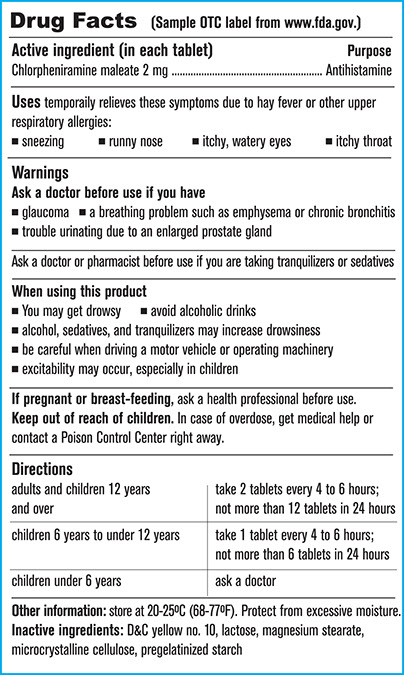
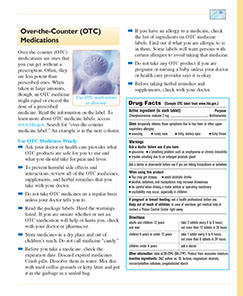
    Over-the-counter (OTC) medications are ones that you can get without a prescription. Often, they are less potent than prescribed ones. When taken in large amounts, though, an OTC medicine might equal or exceed the dose of a prescribed medicine. Read the information on the label. To learn more about OTC medicine labels, accesswww.fda.gov. Search for “over-the-counter medicine label.”

    Use OTC Medicines Wisely

    *  Ask your doctor or health care provider what OTC products are safe for you to use and what you should take for pain and fever.

    *  To prevent harmful side effects and interactions, review all of the OTC medicines, supplements, and herbal remedies that you take with your doctor.

    *  Do not take OTC medicines on a regular basis unless your doctor tells you to.

    *  Read the package labels. Heed the warnings listed. If you are unsure whether or not an OTC medication will help or harm you, check with your doctor or pharmacist.

    *  Store medicines in a dry place and out of children’s reach. Do not call medicine “candy.”

    *  Before you take a medicine, check the expiration date. Discard expired medicines. Crush pills. Dissolve them in water. Mix this with used coffee grounds or kitty litter and put it in the garbage in a sealed bag.

    *  If you have an allergy to a medicine, check the list of ingredients on OTC medicine labels. Find out if what you are allergic to is in them. Some labels will warn persons with certain allergies to avoid taking that medicine.

    *  Do not take any OTC product if you are pregnant or nursing a baby unless your doctor or health care provider says it is okay.

    *  Before taking herbal remedies and supplements, check with your doctor.

    Drug fact chart.

    Resources

    U.S. Food and Drug Administration

    www.fda.gov

    Page from the Healthier at Home book by the American Institute for Preventive Medicine. www.HealthyLife.com. All rights reserved.

    © American Institute for Preventive Medicine
  • Alcohol & Alcohol Safety

    Student Health

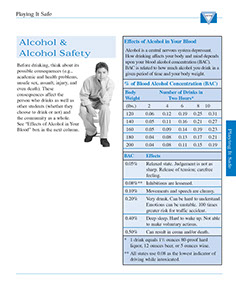
    Before drinking, think about its possible consequences (e.g., academic and health problems, unsafe sex, assault, injury, and even death). These consequences affect the person who drinks as well as other students (whether they choose to drink or not) and the community as a whole.

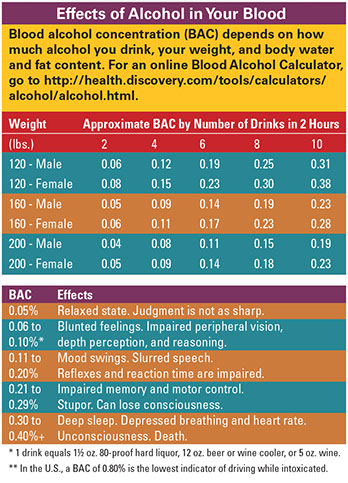
    Chart of effects of alcohol in your blood.

    Alcohol Poisoning

    Call 9-1-1 for one or more of the following signs of alcohol poisoning or combining alcohol and other drugs, such as sedatives or tranquilizers. Act quickly. Alcohol poisoning can be fatal.

    *  Unconsciousness. This means the person is hard to rouse and can’t be made aware of his or her surroundings. This can be brief, such as with fainting or blacking out. It can put a person into a coma.

    *  No breathing or slow and shallow breathing. This means 10 or fewer breaths per minute or time lapses of more than 8 seconds between breaths.

    *  Slow pulse rate (40 or fewer beats per minute).

    *  Skin that is cold, clammy, and/or pale or blue in color.

    {Note: Before emergency care arrives, place the person on his or her side with the knees bent, to prevent choking if he or she vomits. Loosen the person’s clothing around the neck and check the mouth and back of the throat to see that nothing obstructs the person’s breathing. Stay with the person.}

    Alcohol Poisoning

    *  Choose substance-free housing, if available and desired.

    *  Be aware and think about the risks and consequences of drinking, including getting arrested, getting sick, contracting an STI, etc. One incident of alcohol use could cause you to do something you will regret for the rest of your life. Alcohol plays a part in most sexual assaults.

    *  Mixing drinking with driving, drugs, or operating machines can be fatal. Designate a sober driver.

    *  Not everyone drinks. Be with people who drink non-alcoholic beverages or ones that look like “drinks,” such as non-alcoholic beer in a glass.

    *  It is better to get medical help for a person who needs it instead of worrying about getting a friend in trouble.

    *  Drink alcohol only if you want to, and if you do:

    – Know your limit and stick to it or don’t drink any alcohol.

    – Drink slowly. You are apt to drink less. Have one drink during a party. Take fake sips, if necessary. In reality, anything over two drinks does not increase the feeling of pleasure. Drinking too much leads to being unable to enjoy yourself.

    – Eat when you drink. Food helps to slow alcohol absorption.

    – Alternate an alcoholic beverage with a non-alcoholic one. Use non-alcohol or reduced alcohol beverages. Dilute distilled beverages. Use more and more mixer and less and less alcohol. After two drinks, your taste buds are dulled and you won’t be able to notice much difference.

    – Avoid drinking contests and games.

    Resources

    Emergency Medical Service (Call 9-1-1) if you suspect alcohol poisoning or a drug overdose

    Your school’s Student Health Service, Student Counseling Service, or Alcohol and other Drug Program

    Al-Anon/Alateen World Service Office

    888.4AL.ANON (425.2666)

    www.al-anon.org

    Alcoholics Anonymous (AA) World Services

    www.aa.org

    Center for Substance Abuse Treatment (CSAT) National Drug Treatment Referral Routing Service

    800.662.HELP (4357)

    www.findtreatment.samhsa.gov

    Narcotics Anonymous (NA)

    818.773.9999

    www.na.org

    National Institute on Alcohol Abuse & Alcoholism (NIAAA)

    www.niaaa.nih.gov

    www.thecoolspot.gov

    Student Self-Care book by the American Institute for Preventive Medicine. www.HealthyLife.com. All rights reserved.

    © American Institute for Preventive Medicine
  • General Safety Guidelines

    Student Health

    *  Learn your school’s safety guidelines and follow them. Read your school’s safety handbook. Memorize the telephone number(s) for emergency help, such as 9-1-1. Carry a cell phone with you at all times. Pre-program emergency telephone numbers in the phone to be able to call them quickly.

    *  If you choose to drink, do so responsibly. Don’t use drugs. Be careful around other persons who drink heavily and/or use drugs, too. Designate a sober driver.

    *  Always wear a seatbelt in a motor vehicle. Wear a helmet when riding on a motorcycle, bike, or when rollerblading.

    *  To avoid being robbed, assaulted, etc.

    – When you go out, go with a friend or a group of people, especially at night and to unfamiliar places.

    – Use ATM machines in well-lit areas, preferably while a friend is with you.

    – Keep your doors and windows locked, especially when you are alone.

    – Lock your bike with a U-shaped lock that is hard for someone to remove.

    – Hold your backpack, purse, etc., securely so someone can’t grab it from you. Don’t leave these and other personal items, such as your laptop computer, unattended.

    – Have your car, house, or room keys in your hand, ready to unlock your doors.

    – If you use social networking Web sites, such as facebook, be aware of potential dangers. Find out safety tips fromwww.wiredsafety.org.

    – Report suspicious behaviors and activities to your school’s security or the police.

    – Take a class, etc., to learn how to avoid sexual assault.

    *  To Avoid Fires:

    – Don’t smoke in bed or when you are very tired. Better yet, don’t smoke at all!

    – Follow fire safety precautions when cooking in your dorm room or kitchen.

    – Follow your school’s policy on candle use.

    – Keep a working fire extinguisher in your dorm room or house.

    *  To Manage Conflict Without Violence:

    – Be assertive, not aggressive, when you communicate.

    – Learn to deal with frustration, disappointment, rejection, ridicule, jealousy, and anger.

    – Accept differences in others, including sexual preferences, ethnic and religious backgrounds, etc. You do not need to change your convictions, but don’t expect other persons to change their convictions either.

    – Be an active listener. Pay attention to what the other person is saying and try to understand his or her point of view or simply accept it as an opinion.

    – Take a class or seminar in conflict resolution to gain skills in managing conflict.

    – When you can’t resolve a conflict on your own, get help.

    Resources

    Your school’s Student Health Service, Student Counseling or Mental Health Service, Office of Student Conflict Resolution, Office of the Ombudsman, or Student Affairs

    The National Crime Prevention Council’s Online Resource Center

    www.ncpc.org

    For Sexual Assault/Hate Crimes/Other Crimes: The National Center for Victims of Crime

    www.ncvc.org

    National Domestic Violence Hotline

    800.799.SAFE (799.7233)

    www.ndvh.org

    Student Self-Care book by the American Institute for Preventive Medicine. www.HealthyLife.com. All rights reserved.

    © American Institute for Preventive Medicine
  • Set Up Good Sleep Habits

    Student Health

    *  Plan ahead. Don’t start writing a paper the night before it is due or cram for a test the night before you have it. Doing these things starts a cycle of staying up all night and never catching up on sleep.

    *  Get at least 30 minutes of sunlight exposure daily.

    *  Get regular exercise, but not within a few hours of going to bed.

    *  If you have a roommate, discuss and decide when your room will be used for studying, socializing, and sleep.

    *  If your dorm is too noisy to sleep, talk to your resident advisor and/or learn to tune out the noise in order to get to sleep. If it helps, listen to soft music with earphones when you fall asleep. Wear earplugs, if necessary.

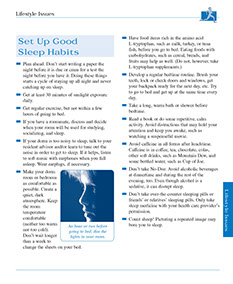
    *  Make your dorm room or bedroom as comfortable as possible. Create a quiet, dark atmosphere. Keep the room temperature comfortable (neither too warm nor too cold). Don’t wait longer than a week to change the sheets on your bed.

    *  Have food items rich in the amino acid  L-tryptophan, such as milk, turkey, or tuna fish, before you go to bed. Eating foods with carbohydrates, such as cereal, breads, and fruits may help as well. (Do not, however, take L-tryptophan supplements.)

    *  Develop a regular bedtime routine. Brush your teeth, lock or check doors and windows, get your backpack ready for the next day, etc. Try to go to bed and get up at the same time every day.

    *  Take a long, warm bath or shower before bedtime.

    *  Read a book or do some repetitive, calm activity. Avoid distractions that may hold your attention and keep you awake, such as watching a suspenseful movie.

    *  Avoid caffeine in all forms after lunchtime. Caffeine is in coffee, tea, chocolate, colas, other soft drinks, such as Mountain Dew, and some bottled water, such as Cup of Joe.

    *  Don’t take No-Doz. Avoid alcoholic beverages at dinnertime and during the rest of the evening, too. Even though alcohol is a sedative, it can disrupt sleep.

    *  Don’t take over-the-counter sleeping pills or friends’ or relatives’ sleeping pills. Only take sleep medicine with your health care provider’s permission.

    *  Count sheep! Picturing a repeated image may bore you to sleep.

    Student Self-Care book by the American Institute for Preventive Medicine. www.HealthyLife.com. All rights reserved.

    © American Institute for Preventive Medicine
  • Skin Safety

    Skin Conditions

    The skin is your body’s largest organ. It protects your internal organs from environmental irritants, infections, and ultraviolet light; all of which can be harmful. Take good care of your skin so it can do its job. Keep your skin clean and protect it from injury.

    Tattoo and Body Piercing Safety

    You may already have one or more tattoos and/or area(s) of your body pierced. You may be thinking about getting one of these procedures done as a way to fit in and look like others; as a way to express your individuality; and/or to get noticed. Before you get a tattoo or a part of your body pierced, consider the following:

    *  In many states, the law does not allow minors to get tattoos. Find out about this in your state.

    *  Unsterile tattooing equipment and needles can transmit serious infectious diseases, such as tetanus, hepatitis B, and HIV. Never do one of these procedures on yourself or have anyone else do it that is not certified by the Association of Professional Piercers (APP) or the Alliance of Professional Tattooists (APT). Certified members are trained in strict safety and health requirements. Because of the high risk of infection, you cannot donate blood for one year after getting a tattoo.

    *  Tattoos and body piercings also carry the risk of less serious local infections. You will need to follow proper care procedures for weeks or months after the procedure to reduce the risk of getting an infection. You may also get large growths of scar tissues called keloids.

    *  Tattoos are not easily removed and in some cases may cause permanent discoloration. Keep a record of the dyes used in the tattoo you get. This includes the lot number of each pigment. If you choose to get a tattoo removed in the future, this information will be helpful. Think carefully before getting a tattoo and consider the possibility of an allergic reaction. Know that it is expensive, too, to get a tattoo removed. Don’t get a tattoo or body piercing done on an impulse. Wait at least 24 hours.

    *  Visit several tattoo parlors to see whether the tattooist follows recommended safety guidelines and sterilization techniques, such as using a heat sterilization machine regulated by the Food and Drug Administration (FDA).

    *  For body piercing, to avoid allergic reactions and infections, jewelry made from non- corrosive, non-toxic metals should be used. Examples are solid 14K gold (not gold-plated), niobium, surgical stainless steel, and titanium.

    *  After the procedure, follow the skin care guidelines provided by your skin piercer or tattooist. Care of the site will depend on its location and/or the procedure you had done.

    *  According to the APT guidelines, these practices should be followed:

    – The tattooist should have an autoclave (a heat sterilization machine regulated by the FDA) on the premises.

    – Consent forms (which the customer must sign) should be handed out before tattooing.

    – Immediately before tattooing, the tattooist should wash and dry his or her hands thoroughly and put on medical latex gloves, which should be worn at all times during application of the tattoo.

    – Needle bars and tubes should be autoclaved after each customer. Non-autoclavable surfaces, such as pigment bottles, drawer pulls, chairs, tables, sinks, and the immediate floor area, should be cleaned with a disinfectant, such as a bleach solution.

    – Used absorbent tissues should be placed in a special puncture-resistant, leak-proof container for disposal.

    Protect Your Skin From Sun Damage

    Do you look forward to semester breaks so you can relax in the sun and get a tan? Many students do. A suntan looks good, but it is a sign that your skin is trying to protect itself from damage. Be especially careful not to get sunburned. In fact, you should never get sunburned! It can lead to premature aging, wrinkling of the skin, and skin cancer. (Be extra cautious if you have a family history of skin cancer.) Even if you are not concerned about these problems now, the pain and blisters that come with a severe sunburn can make spring break unbearable.

    The risk for sunburn is increased for persons with fair skin, blue eyes, red or blond hair, and for persons taking some medicines. These include birth control pills; some antibiotics, such as tetracycline and sulfa drugs; and Benadryl, an over-the-counter antihistamine.

    To Prevent Sunburn

    *  Avoid exposure to the midday sun (10 a.m. to 4 p.m. standard time or 11 a.m. to 5 p.m. daylight saving time).

    *  Use sunscreen with a sun protection factor (SPF) of 15 to 30 or more when exposed to the sun. The lighter your skin, the higher the SPF number should be. Apply the sunscreen 15 to 30 minutes before you go out in the sun. Use about 2 tablespoons to adequately cover all exposed body parts. Reapply sunscreen every 60 to 90 minutes, even if the sunscreen is water-resistant.

    *  Along with sunscreen, use moisturizers, makeup, lip balm, etc. that contain sunscreen. Use water- based ones if you have acne.

    *  Wear a wide-brimmed hat and long sleeves.

    *  Wear clothing with sunscreen protection or muted colors, such as tan. Bright colors and white reflect the sun onto the face.

    *  Wear sunglasses that absorb at least 90% of both UVA and UVB rays.

    Student Self-Care book by the American Institute for Preventive Medicine. www.HealthyLife.com. All rights reserved.

    © American Institute for Preventive Medicine
  • 4 Warning Signs Of Teen Depression

    SELF-CARE CORNER

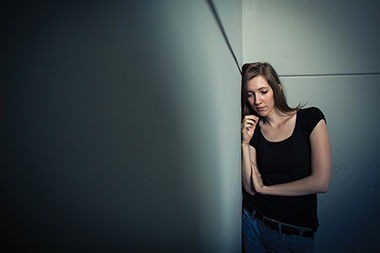
    Image of teen girl depressed.

    Withdrawn. Irritable. Sleepy. This could describe almost any teenager, but these are also symptoms of teen depression.

    Teen depression sometimes gets overlooked because it doesn’t always look like depression in adults. For example, sadness is a core feature of most depression and what most people associate with depression, according to Dr. Ken Duckworth, medical director of the National Alliance on Mental Illness. Many teens also experience other symptoms-parents might miss these warning signs.

    1.Sleep disturbance.“Many adolescents sleep until noon on a Saturday, but if you notice a change in their sleep or their sleep is irregular even more than before, that’s something to worry about,” Dr. Duckworth says.

    2.Social changes.“Adolescents are typically very focused on social connections,” he says. “If they’re not interested in their social network and they want to quit sports, pay attention to that.”

    3.Physical symptoms.Some teens demonstrate their emotional distress through physical symptoms, such as headaches, stomach aches, weakness, and body aches.

    4.Substance abuse.Some depressed teens use drugs and alcohol to change how they’re feeling. Abusing drugs and alcohol also increases the risk for depression or worsening depression.

    © American Institute for Preventive Medicine