Tag: summer

  • Corn On The Cob: A Summertime Staple

    HEALTHY EATING

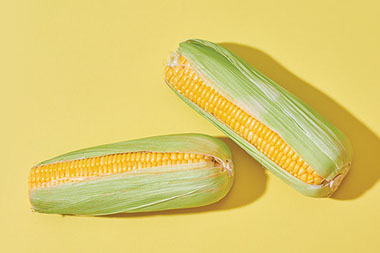
    Two corn on the cobs.

    Corn on the cob is a favorite food at summer barbecues and outings. Its popular flavor makes it a treat – but it has plenty of health benefits too.

    Basics of corn

    Corn isn’t a vegetable. It’s actually a type of grain. Whole grain corn contains vitamins and heathy plant compounds.

    Some of corn’s nutrients include:

    *  Soluble and insoluble fiber, which helps with digestion and preventing constipation

    *  B vitamins, including vitamin B5, folate, B6, and niacin, which help with energy and many body processes

    *  Potassium, which is important for heart health

    *  Antioxidants, including zeaxanthin and lutein, which may be linked to eye health

    Making corn the healthy way

    Corn is versatile and can be cooked in several different ways. Many people simply remove the husk and boil it until tender. But you can also grill it, bake it and microwave it.

    If you can’t find fresh corn on the cob, frozen corn (on the cob or removed) is a healthy option. Look for brands that do not add salt, sugar or other ingredients. Frozen corn is usually microwaved or steamed.

    If you use butter or margarine, measure it so you know how much you’re using. Start with 1/2 teaspoon and see if you can cover the entire ear of corn with that small amount. Try a salt-free seasoning blend or black pepper for a flavor kick without sodium.

    What about corn chips?

    If corn is healthy, then are foods with corn in them a healthy choice? Not necessarily.

    Corn is used in many processed foods like chips and crackers. These products won’t have the same health benefits as real corn on the cob.

    Many processed foods contain added salt, sugar and unhealthy fats. They may also remove many of corn’s natural nutrients. Some research shows that eating a lot of highly processed foods can lead to obesity and health problems.

    Sources: American Heart Association, United States Department of Agriculture

    © American Institute for Preventive Medicine
  • Make Your Summer Workout Easier

    BE FIT

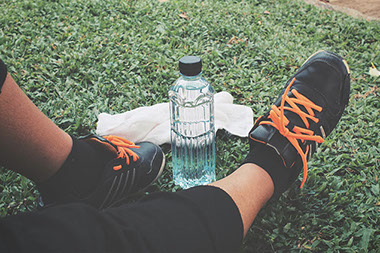
    Feet wearing tennis shoes and a bottle of water on grass.

    You can still enjoy a productive workout during the warmer months. Try these tips:

    1.Start early with water.Don’t wait to start drinking water right before you exercise. Drink water throughout the day to keep your body hydrated. Then, drink additional water during and after your workout.

    2.Go indoors when heat and humidity are too high.Don’t try to brave extreme weather with an outdoors workout. Heat exhaustion and heat stroke are dangerous and can happen to anyone. On heat advisory days, take your workout indoors.

    3.Wear the right clothes.Choose light-colored clothing that is made for sweating and workouts. Many new, lighter fabrics will keep sweat and moisture away, which makes you feel cooler. Cotton clothing is best suited for low-humidity weather conditions.

    4.Shun the midday sun.In the summer, limit or avoid heavy workouts from 10 a.m. to 4 p.m. The sun and temperatures will be hottest during these times. Instead, go out early in the morning or in the evening.

    Source: Academy of Nutrition and Dietetics

    © American Institute for Preventive Medicine

  • Plan For Summer Safety

    Home Safety

    Group of friends, holding sparklers around a picnic table.

    *  Use a broad-spectrum sunscreen with a sun protection factor (SPF) of 30 or higher.

    *  Wear sunglasses that block both UVA and UVB rays.

    *  Learn to swim and teach your children how to swim.

    * Check the depth of the water before diving into a pool. Don’t dive into water that is less than 9 feet deep. Never dive into an above-ground pool.

    Dos

    *  Watch a professional fireworks display in person or on TV.

    *  Wear and have children wear a personal flotation device when you are on a boat, water ski, etc.

    Don’ts

    *  Don’t play with fireworks or let your children play with fireworks.

    *  NEVER leave a child alone near a pool or water, not even for a few seconds.

    A Year of Health Hints book by the American Institute for Preventive Medicine. www.HealthyLife.com. All rights reserved.

    © American Institute for Preventive Medicine

  • A Simple Remedy For Prickly Heat

    Skin Conditions

    Image of women sitting in grass field on sunny summer day.

    Feeling hot and sticky is bad enough. A visible sign of discomfort only makes it worse. Such is the case with prickly heat (also known as heat rash), identified by clusters of small blisters that itch and appear where you perspire the heaviest – the armpits, neck, back, or creases in the elbows (but not the face).

    Hot, humid weather, sensitive skin, and excess weight all aggravate prickly heat. Here are some simple ways to find relief:

    *  Wear loose, lightweight clothing.

    *  Dust the affected area with cornstarch.

    *  Take cool baths to reduce itching.

    *  Avoid hot, humid environments and stay in air-conditioned places, if possible.

    The key to managing prickly heat is to avoid sweating by staying in a cool environment. The rash will disappear in a couple of days.

    A Year of Health Hints book by the American Institute for Preventive Medicine. www.HealthyLife.com. All rights reserved.

    © American Institute for Preventive Medicine
  • Avoid Summer Headaches

    SELF-CARE CORNER

    Image of women sitting at the beach talking on the phone.

    The sun can be especially bothersome if you suffer from migraine. Looking directly or indirectly at the sun can trigger a migraine attack for some people.

    Don’t forget your shades-sunglasses, visors, or sun hat when you are out and enjoying the sunshine at the beach, tennis court, golf course, or a baseball game, advises the National Headache Foundation.

    Other summer headache triggers include changes in barometric pressure. Watch out for those sudden thunderstorms and windy days.

    Drink plenty of water, not soft drinks, to help prevent those “dehydration” headaches. You don’t want to drink too many soft drinks containing caffeine, which can also contribute to your headaches.

    At backyard barbecues and picnics, you may encounter food items that you wouldn’t normally eat. The sauces and dry rubs on those tasty ribs may contain monosodium glutamate (MSG) to which many headache sufferers are sensitive. The spread at a picnic may include aged cheeses, hot dogs, and other meats with nitrates, and pickles-all possible triggers. Also watch your intake of beer and cocktails.

    © American Institute for Preventive Medicine

  • Eating Healthy At Summer Gatherings

    HEALTHY EATING

    Image of a group of friends eating at a pinic table.

    Eating and socializing go hand in hand. Throughout human history, people have gathered together to eat. Some research has shown that when people are in a group, they tend to eat larger meals and more calories. As a result, it can be hard to stick with your healthy eating plans when you’re at a social event such as a summer barbecue or special occasion.

    To help you stay on track, try these tips from the Academy of Nutrition and Dietetics:

    *Drink plenty of water.Your body needs water for nearly all of its functions. And if you’re dehydrated, the hunger and thirst cues can get confused. Drink water at gatherings, especially before your meals. You may end up feeling fuller and eating less.

    *Bring your own food.If you know you’ll have a hard time passing up the high-calorie treats, bring your own healthy dish to pass. Summer is the optimal time to share delicious, fresh fruits and vegetables that are in season.

    *Don’t deprive yourself.You can still have a small portion of your favorite summer treat. Just fill up on the healthier options first. This will satisfy most of your hunger and can help you control your portion sizes. Choose low-calorie, high-fiber foods like fruits, vegetables and beans before you go for the fried foods or desserts.

    © American Institute for Preventive Medicine