Tag: support

  • Stress Relief For Caregivers

    Mature Health: Over Age 50

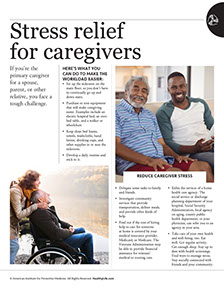
    Image of a caregiver helping a man in a wheelchair.

    If you’re the primary caregiver for a spouse, parent, or other relative, you face a tough challenge. Here’s what you can do to make the workload easier.

    *  Set up the sickroom on the main floor, so you don’t have to continually go up and down stairs.

    *  Purchase or rent equipment that will make caregiving easier. Examples include an electric hospital bed, an over-bed table, and a walker or wheelchair.

    *  Keep clean bed linens, towels, washcloths, hand lotion, drinking cups, and other supplies in or near the sickroom.

    *  Develop a daily schedule and stick to it.

    To reduce the stress of your ongoing responsibility:

    *  Delegate some tasks to family and friends.

    *  Investigate community services that provide transportation, deliver meals, and provide other kinds of help.

    *  Enlist the services of a home health care agency. The social service or discharge planning department of your hospital, Social Security Administration, local agency on aging, county public health department, or your physician, can refer you to an agency in your area.

    *  Plan to get out of the house to shop or socialize at least one day a week.

    *  Find out if the cost of hiring help to care for someone at home is covered by your medical insurance provider, Medicaid, or Medicare. The Veterans Administration may be able to provide financial assistance for veterans’ medical or nursing care.

    A Year of Health Hints book by the American Institute for Preventive Medicine. www.HealthyLife.com. All rights reserved.

    © American Institute for Preventive Medicine

  • Family Matters

    FAMILY LIFE

    Image of family sitting on a couch with their pet dog.

    Your family is where you learn who you are and how to relate to others. It plays a vital role in fulfilling the human need to belong and have close, long-term relationships. Whether you are a child, teen, or adult, family experiences can promote or hinder your well-being.

    Tips to foster family well-being

    *  Live a healthy lifestyle together.

    – Plan for, shop, and eat healthy foods.

    – Exercise as a family if you can. Or, promote physical activity suited for each family member.

    – Get enough sleep.

    *  Plan to eat at least one meal a day together. Have each person talk about his or her day, such as stating the best part and worst part.

    *  Spend time together. Attend important events for each family member.

    *  Express care and concern. Be available to help each other out. Listen, listen, listen.

    *  Practice good manners. Say, “Thank you” and “You’re welcome.” Make it a practice to send thank you calls, notes, letters, or emails to others for gifts and other acts of kindness.

    *  Express affection. Say, “I love you,” “I care about you,” and “You mean a lot to me.”

    *  Discuss the value of the family as a whole. Encourage individual expression and development.

    *  Define clear, yet flexible roles for family members. Assign family chores.

    *  Keep the house as organized as possible.

    *  Discuss the need to adapt to changes and deal with stressful events.

    *  Seek professional help for problems the family cannot deal with on its own.

    © American Institute for Preventive Medicine

  • Depression

    Student Health

    Depression is the most common reason college students go to their school’s counseling service. Depression makes a person less able to manage life. It affects a person’s mood, mind, body, and behaviors.

    Signs & Symptoms

    The number and severity of the symptoms vary from person to person. A person who is depressed has one or more of the signs and symptoms listed below.

    *  Feeling sad, hopeless, and helpless.

    *  Feeling guilty and/or worthless.

    *  Thinking negative thoughts.

    *  Having a loss of interest in things, such as social activities, hobbies, and sex.

    *  Sleeping too little or too much.

    *  Fatigue or loss of energy.

    *  Problems concentrating or making decisions.

    *  Ongoing physical symptoms, such as headaches, chronic pain, or digestive problems that don’t respond to treatment.

    *  Uncontrollable crying.

    *  Poor appetite with weight loss, or overeating and weight gain.

    *  Thoughts of suicide or death.

    Causes & Risk Factors

    *  Major changes and stress that accompany college, including choosing career goals, leaving home, and the strain from trying to study and socialize at the same time.

    *  Obsessing about expenses.

    *  Abuse of alcohol, drugs, and some medications.

    *  Relationship changes, such as break ups, a family divorce, or the death of someone close.

    *  Brain chemical imbalances. Also, some types of depression run in families.

    *  Hormonal changes. This could be from taking birth control pills or using anabolic steroids which can cause changes in mood.

    *  Lack of natural, unfiltered sunlight between late fall and spring. This is called Seasonal Affective Disorder (SAD). It may only affect some people that are prone to this disorder.

    *  Holiday “blues.”

    Most likely, depression is caused by a mix of: A family history of the illness; brain chemical imbalances; emotional issues; and other factors, such as a medical illness or alcohol abuse.

    In some people, events like extreme stress and grief may cause depression. In others, depression occurs even when life is going well.

    Treatment

    Treatment includes medicines, psychotherapy, and other therapies that are specific to the cause of the depression. Exposure to bright lights (similar to sunlight) for depression that results from SAD can be helpful. {Note: Some antidepressant medicines can increase the risk for suicidal thoughts and behaviors, especially in children and adolescents. This risk may be higher within the first days to a month after starting the medicine. Persons who take antidepressants should be closely monitored.}

    Questions to Ask

    Self-Care / Prevention

    *  Take medications as prescribed. Get your doctor’s advice before you take over-the-counter herbs, such as St. John’s Wort, especially if you take other medications.

    *  Don’t use illegal drugs. Limit alcohol. These can cause or worsen depression. Drugs and alcohol can also make medicines for depression less effective. Harmful side effects can occur when drugs and/or alcohol are mixed with medicine.

    *  Eat healthy foods. Eat at regular times.

    *  Get regular exercise.

    *  Talk to someone who will listen to the tensions and frustrations you are feeling.

    *  Try not to isolate yourself. Be with people you trust and feel safe with, even though you feel down.

    *  Do things you enjoy. Do something that lets you express yourself. Draw. Paint. Write your thoughts in a diary or journal.

    *  Relax. Listen to soft music, take a warm bath or shower. Do relaxation exercises.

    *  Avoid stressful situations or taking on added commitments when you feel depressed.

    *  Keep an emergency number handy (e.g., crisis hotline, trusted friend’s number, etc.) in case you feel desperate.

    Feeling better takes time. Don’t expect to just “snap out” of your depression.

    To Help A Friend Who Is Depressed

    *  Help your friend get an appropriate diagnosis. Make an initial appointment with a professional and offer to take your friend.

    *  Do not ignore remarks about suicide. Report them, immediately, to a student advisor, teacher, or health care provider.

    *  Be aware of the type of medication your friend needs to take and when it should be taken. If necessary, alert your friend’s health care provider about any side effects that you notice.

    *  Be supportive. Depression is no different from any other physical illness. It requires patience, understanding, love, and encouragement. Encourage your friend to continue with treatment and to see his or her health care provider if there is no improvement.

    *  Listen with care. Point out your friend’s successes and attributes when he or she feels worthless, helpless, or down about the future. Helping your friend see previous successes can help give the confidence needed to continue with treatment. Your friend doesn’t need you to tell him or her what to do. Listening is very helpful.

    *  Encourage your friend to go out and do things with you or with others, such as to see a movie or to do things your friend enjoyed in the past. Don’t push, though, or make too many demands.

    *  Seek support from organizations that deal with depression.

    Resources

    Your school’s Student Counseling Service or Student Mental Health Service. (Normally, these services are no cost to you.)

    International Foundation for Research and Education on Depression (IFRED)

    www.ifred.org

    Mental Health America (MHA)

    800.969.6642

    www.mentalhealthamerica.net

    National Mental Health Consumers’ Self-Help Clearinghouse

    800.553.4539

    www.mhselfhelp.org

    Student Self-Care book by the American Institute for Preventive Medicine. www.HealthyLife.com. All rights reserved.

    © American Institute for Preventive Medicine

  • Tips To Help Kids Succeed

    FAMILY LIFE

    Image of kid holding an 'A' graded paper with thumbs up.

    Parenting is not an easy job, and it seems there are thousands of ways to do it. With so many parenting books and techniques available, how do you know what works? Sometimes, it helps to go back to the basics. You don’t have to be perfect or read every parenting book on the market.

    Years of research from medical experts says the following parenting tips will help keep your kids healthy and happy:

    *Be loving.Kids need love every day. Tell them you love them and give hugs and kisses.

    *Give them comfort.If a child is scared, help them to feel safe. Take steps to protect them and help them cope with fears.

    *Spend time with them.Set aside time each day to focus on them, and put the phones and devices away during this time. Point out good things they do. Be specific. For example, you might say, “I’m really proud of you for cleaning your room without being asked.”

    *Be a good listener.No matter what the topic, kids will feel valued if you look at them and listen to what they say.

    *Use a routine.Kids like to know what’s coming next. Set times for bed, meals and simple chores to help them feel secure.

    *Forgive mistakes.Help them by saying what they could do next time to avoid the mistake. Don’t criticize them as a person by saying, “you were bad.”

    *Have rules & stick to them.Parents, babysitters and other caregivers should follow the same rules. Don’t change them or let certain people break them. This only creates confusion and can lead to behavior problems.

    Even with the best advice, parents may need help from an expert. This doesn’t mean you’re a bad parent. Sometimes, talking to someone who can help makes a big difference. If you feel you need help with parenting, try the following resources:

    *  Your child’s pediatrician

    *  Your own primary doctor

    *  Local parenting classes at hospitals, schools or community centers

    *  A family counselor or minister

    *  Online support groups

    Don’t be embarrassed to ask for help. It’s a sign that you want to be the best parent you can be, and that’s a good thing!

    © American Institute for Preventive Medicine

  • Depression 2

    Women’s Health

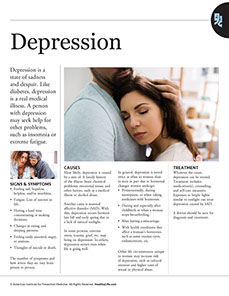
    Close up of women's face as she leans on man chest for support.

    Depression is a state of sadness and despair. Like diabetes, depression is a real medical illness. A person with depression may seek help for other problems, such as insomnia or extreme fatigue.

    Signs & Symptoms

    *  Feeling sad, hopeless, helpless, and/or worthless.

    *  Fatigue. Loss of interest in life.

    *  Having a hard time concentrating or making decisions.

    *  Changes in eating and sleeping patterns.

    *  Feeling easily annoyed, angry, or anxious.

    *  Thoughts of suicide or death.

    The number of symptoms and how severe they are vary from person to person.

    Causes

    Most likely, depression is caused by a mix of: A family history of the illness; brain chemical problems; emotional issues; and other factors, such as a medical illness or alcohol abuse.

    Another cause is seasonal affective disorder (SAD). With this, depression occurs between late fall and early spring due to a lack of natural sunlight.

    In some persons, extreme stress, trauma, grief, etc. may bring on depression. In others, depression occurs even when life is going well.

    In general, depression is noted twice as often in women than in men in part due to hormonal changes women undergo:

    *  Premenstrually, during menopause, or when taking medicines with hormones.

    *  During and especially after childbirth or when a woman stops breastfeeding.

    *  After having a miscarriage.

    *  With health conditions that affect a woman’s hormones, such as some ovarian cysts, endometriosis, etc.

    Other life circumstances unique to women may increase risk of depression, such as cultural stressors and higher rates of sexual or physical abuse.

    Treatment

    Whatever the cause, depression can be treated. Treatment includes medication(s), counseling, and self-care measures. Exposure to bright lights similar to sunlight can treat depression caused by SAD.

    A doctor should be seen for diagnosis and treatment.

    Questions to Ask

    Self-Care / Prevention

    *  Take medications as prescribed. Get your doctor’s advice before you take over-the-counter herbs, like St. John’s Wort, especially if you take other medications.

    *  Don’t use illegal drugs. Limit alcohol. These can cause or worsen depression. Drugs and alcohol can also make medicines for depression less effective. Harmful side effects can happen when alcohol and/or drugs are mixed with medicine.

    *  Eat healthy foods. Eat at regular times. Don’t skip meals or binge on junk food. Limit caffeine and sugary foods.

    *  Try not to isolate yourself. Be with people you feel safe with even though you feel down.

    *  Do something you enjoy. Do things that let you express yourself. Write, paint, etc.

    *  Exercise regularly.

    *  Relax. Listen to soft music, take a warm bath or shower. Do relaxation exercises. Meditation can help you deal with depression.

    *  Keep an emergency number handy (e.g., crisis hotline, trusted friend’s number, etc.) in case you feel desperate.

    Resources

    Women's Self-Care book by the American Institute for Preventive Medicine. www.HealthyLife.com. All rights reserved.

    © American Institute for Preventive Medicine

  • Giving The Gift Of Healthy Eating

    HEALTHY EATING

    Image of salad filled with a variety of berries.

    The holiday season is usually associated with a lot of unhealthy, rich foods and sweets. The result of eating too much of these treats is often weight gain. A study in the New England Journal of Medicine found that people gained weight within 10 days of a national holiday, and it took several months to lose that weight.

    This year, celebrate without extra weight! Spread the gift of healthy eating to others by giving gifts that encourage good habits.

    Making healthy food easier

    If you’re looking for a thoughtful gift that will be truly appreciated, try giving the gift of healthy food that saves time and effort! Here are some ideas:

    *Make a healthy meal that freezes well and hand deliver it.The recipient can choose to freeze and eat later, or eat it that day. Be sure you are aware of any food allergies or other dietary needs. Some ideas include homemade chili or pasta sauce.

    *Put a more creative twist on a traditional fruit basket and give them a fruit salad that’s ready to eat.Pre-washed and cut fruit that’s ready to grab means they can enjoy it right away, without any prep time.

    *Put soup ingredients in a mason jar.This is a popular gift that helps the person prepare an easy and healthy dinner. Usually, the dry ingredients for your favorite soup will go well in a jar. Be sure to include directions on how to cook it, and consider adding some whole-grain bread on the side.

    *Share your favorite mix or sauce.Do you have a secret recipe for healthy granola or a delicious marinade for meats? Share your gift of cooking by putting it in a jar or container with a nice label. Provide tips on how to use or prepare it.

    Not into cooking?You can always purchase dishes or containers that are useful for healthy eating. For instance, a person who eats lunch on the go may appreciate containers that can keep salads, dressing or other healthy foods fresh and delicious.

    © American Institute for Preventive Medicine

  • Want To Quit? Start Here

    WELL-BEING

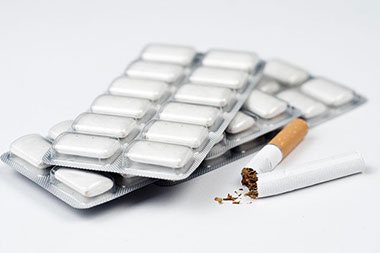
    Image of broken cigarette and nicotine gum.

    There’s no one right way to quit smoking. Some people find that they just quit on their own. Others use medical treatments to help. If you’re thinking about quitting, you have several options:

    *  Attend support groups or counseling

    *  Get your doctor’s advice and support

    *  Choose medicines that contain nicotine and help with nicotine addiction, including patches, gum, lozenges, inhalers and nasal spray. Some are available in stores and others need a prescription.

    *  Find a prescription medicine that doesn’t contain nicotine and still helps a person quit smoking.

    *  Go cold turkey: stop completely, all at once, without any help.

    *  Slowly decrease the amount of cigarettes smoked each day until you stop altogether.

    Counseling and medicine together may be more helpful than using just one method. Sometimes, you may need to try a few different approaches to find the one that works for you.

    Get free quitting help by phone

    If you’d like to talk with someone about quitting, call 1-800-QUIT-NOW (1-800-784-8669). This service is FREE and may include support and advice, a quit plan, free or discounted medications and other resources.

    Free quitting help online

    For those with a computer or tablet, help with quitting is just a few clicks away. Smokefree.gov offers a number of resources to help people quit smoking. There are tools and tips, information and support throughout the process of quitting.

    Source: Centers for Disease Control and Prevention, National Institutes of Health

    Reasons to quit smoking

    Quitting smoking isn’t easy. But, it means you will start to become healthier within just minutes of quitting. Take a look at the benefits of quitting:

    *  20 minutes after quitting: Blood pressure and heart rate gets lower.

    *  12 hours after quitting: Carbon monoxide levels in the blood go back to normal.

    *  2 weeks to 3 months after quitting: Lungs start to work better and blood circulation gets better.

    *  1 to 9 months after quitting: Lungs can handle mucus and recover from infections more easily. This means less coughing and shortness of breath.

    *  1 year after quitting: The risk of a heart attack drops dramatically. The increased risk of heart disease is cut in half.

    *  2 to 5 years after quitting: Risk of a stroke is now the same as a non-smoker.

    *  5 years after quitting: Risk of several cancers is slashed in half. This includes cancers of the bladder, mouth, throat and esophagus.

    *  10 years after quitting: Risk of lung cancer decreases by half. Risk of cancer of the voice box and pancreas drop.

    *  15 years after quitting: The risk of heart disease drops to that of a non-smoker.

    Don’t forget about benefits to your appearance. Yellowed teeth and fingers can become a thing of the past, as well as bad breath and smoke odors on clothes and in hair. Tobacco also causes wrinkling of the skin and tooth loss, so quitting can mean better skin and a brighter smile.

    It’s never too late to quit. Quitting at any age can extend a person’s life, reduce or eliminate health problems, and lower the risk of dying from smoking-related diseases.

    Source: American Cancer Society

    © American Institute for Preventive Medicine