Tag: surgery

  • Hernias

    Abdominal & Urinary Conditions

    A hernia occurs when body tissue “bulges” through a weak area or hole in a muscle. Often, this happens in the wall of the abdomen.

    Signs & Symptoms

    *  A bulge in the skin. The bulge may be more easy to see when you cough, lift, or strain, or when you lie flat on your back. The bulge may feel soft.

    *  Mild pain or discomfort at the hernia site. The pain may only be felt when you strain, lift, or cough. The pain can be extreme when the hernia bulges out and can’t be pushed back in.

    *  For an inguinal hernia, weakness, pressure, burning, or pain in the groin area. A lump in the groin near the thigh may be seen when standing.

    *  Swelling of the scrotum.

    Causes

    A weakness in the wall of the abdomen is often the cause. Some persons are born with this problem. Hernias can run in families. Other causes include:

    *  Lifting heavy objects. Heavy coughing.

    *  Obesity.

    *  Straining to pass stool.

    *  Abdominal surgery.

    *  Being male or elderly.

    Treatment

    Treatment depends on the type and symptoms. Some hernias can be put back into the body. Others may need treatment with surgery.

    Questions to Ask

    Self-Care / Prevention

    *  Don’t smoke. If you smoke, quit. Avoid secondhand smoke.

    *  Maintain a healthy diet. Lose weight if you are overweight.

    *  Avoid constipation. Don’t strain to pass stool.

    *  Exercise to keep abdominal muscles strong. Follow your doctor’s advice.

    *  When you do sit ups, keep your knees bent and your feet flat on the floor.

    *  Follow proper lifting techniques.

    *  Wear a weight lifting belt to support the back when lifting.

    *  Wear a truss. This is a device that holds a hernia in place.

    *  For mild pain, take an over-the-counter medicine for pain. If even mild pain lasts longer than a week, see your doctor.

    Common Hernias Include

    *  Hiatal hernia.

    *  Inguinal hernia. A part of the intestine bulges through a muscle near the groin or scrotum.

    *  Incisional hernia. This is a bulge through a muscle at the site of a past surgical scar.

    *  Femoral hernia. This is a bulge in the top front of a thigh. It is most common in obese women.

    *  Ventral hernia. This is a bulge in the middle of the abdomen, usually near the navel.
    Healthier at Home book by the American Institute for Preventive Medicine. www.HealthyLife.com. All rights reserved.

    © American Institute for Preventive Medicine
  • Hiatal Hernia

    Abdominal & Urinary Conditions

    With a hiatal hernia, the normal action that closes off the top of the stomach does not work well. Food or stomach acids back up into the esophagus. This is known as Gastroesophageal reflux disease (GERD).

    Signs & Symptoms

    Many people have no symptoms with a hiatal hernia. Others have one or more of these problems:

    *  Acid reflux. Stomach acid backs up into the esophagus.

    *  Chest pain. {Note: Don’t assume that chest pain is due to a hiatal hernia.}

    *  Pain in the esophagus. Heartburn.

    *  Hiccups. Belching after meals.

    *  A hard time swallowing.

    Causes

    The actual cause is not known. Risk factors are obesity, being a woman, or being middle aged. Smoking, lifting, strong coughing, and straining with bowel movements also increase the risk.

    Treatment

    Hiatal hernias are usually not serious problems. Often they can be treated with self-care. If not, surgery is an option.

    Questions to Ask

    Self-Care / Prevention

    *  Don’t smoke. If you smoke, quit.

    *  Get regular exercise. This helps keep abdominal muscles in shape.

    *  Lose weight if you are overweight.

    *  Eat 5 to 6 small meals a day instead of 3 larger meals.

    *  Avoid alcohol, caffeine, and spicy foods.

    *  Don’t lie down after eating. Wait 2 to 3 hours.

    *  Raise the head of the bed 6 inches. Put 6 inch blocks under the legs of the head of the bed or put a 6 inch wedge between the mattress and box springs at the head portion. Don’t prop your head up with pillows. Doing this puts pressure on your stomach area and can help force acid up into the esophagus.

    *  Don’t strain to pass stool.

    *  Take over-the-counter antacids or acid controllers, such as Pepcid AC or Tagamet HB. {Note: Read the labels before taking. Check with your doctor, too. Adverse side effects are more likely and more severe in older persons who take some acid controllers, such as Tagamet HB.}

    *  If you take aspirin, ibuprofen, or naproxen sodium, take it with food.

    Healthier at Home book by the American Institute for Preventive Medicine. www.HealthyLife.com. All rights reserved.

    © American Institute for Preventive Medicine
  • Uterine Cancer

    Women’s Health

    The uterus (womb) is a hollow, pear- shaped organ in a female’s lower abdomen between the bladder and the rectum. Cancer of the uterus most often affects the endometrium, the lining of the uterus, so is also called endometrial cancer. It is the most common reproductive cancer in women. Most women diagnosed with uterine cancer are between the ages of 50 and 70. When found and treated early, though, more than 90% of cases can be cured.

    Signs & Symptoms

    *  Abnormal bleeding, spotting, or discharge from the vagina is the most common symptom.

    *  Any vaginal bleeding or spotting after menopause. The bleeding can begin as a watery, blood-streaked discharge. Later it can contain more blood.

    {Note: Some cases of uterine cancer can be detected by a Pap test, but this is used to detect cervical cancer. Even if you have had a recent normal Pap test, see your doctor if you have post menopausal vaginal bleeding.}

    Cancer of the uterus does not often occur before menopause. It can occur around the time menopause begins, though.

    When bleeding stops and starts up again, let your doctor know. If you are on hormone therapy, you may have regular cyclic bleeding.

    Causes, Risk Factors & Care

    The risk for uterine cancer is greater if you have had increased exposure to estrogen from one or more of the following:

    *  Late menopause or early menstruation

    *  Irregular periods or ovulation

    *  Polycystic ovarian disease. The ovaries become enlarged and contain many cysts due to hormone imbalances.

    *  Obesity. Women who are obese make more estrogen.

    *  Estrogen therapy. {Note: Estrogen therapy increases the risk for uterine cancer. Giving progestin with estrogen can dramatically reduce the risk.}

    Other risk factors include:

    *  A history of infertility

    *  A history of endometrial hyperplasia. This is abnormal thickening of the endometrium.

    *  A history of breast, colon, or ovarian cancer

    *  Diabetes

    Treatment includes one or more of the following:

    *  Surgery. Most women have a total hysterectomy. This removes the uterus, cervix, fallopian tubes, and ovaries.

    *  Radiation therapy

    *  Chemotherapy

    *  Hormonal therapy

    *  Clinical trials

    Self-Care

    Medical care, not self-care, is needed for uterine cancer.

    When to Seek Medical Care

    Contact Doctor When

    *  You have any “Signs & Symptoms” of uterine cancer.

    *  You need to schedule your yearly pelvic exam.

    Resources

    National Cancer Institute

    1-800-4-CANCER (422-6237)

    www.cancer.gov

    Health at Home Lifetime book by the American Institute for Preventive Medicine. www.HealthyLife.com. All rights reserved.

    © American Institute for Preventive Medicine

  • 4 Questions To Ask Before Having Surgery

    MEDICAL NEWS

    Image of doctors.

    Millions of people have surgery every year. No matter what your reason is for having surgery, be sure you ask your surgeon these questions in advance:

    1.Do I have other options?Surgery is safer today than ever before. But, there are still risks to having any surgery. Find out if other treatments, such as medicine or therapy, may be tried first. This will depend on how serious your health condition is. With any treatment, you and your doctor should discuss any possible risks and benefits.

    2.What will happen during the procedure?Ask your doctor to explain how and why the surgery will be performed. Where will your incisions be made? What kind of anesthesia is used? How  will you be monitored  during surgery?

    3.What should I do before surgery?Tell your doctor about all supplements, vitamins and medicines you take. You may need to stop taking some or all of these things a few days or weeks before surgery. Plus, you may need to follow a special diet and/or stop using tobacco for a period of time.

    4.What is the recovery like?Many of today’s minimally invasive procedures mean that you can go home the same day. Major surgeries may require you stay more days in the hospital. Ask your doctor about which activities you should avoid and when you can get back to things like work, driving, exercise, and a regular diet.

    Sometimes, surgery must be performed in emergency situations. In these cases, you may not be able to talk with your doctor beforehand. But, be sure to talk afterward about what you can expect from your recovery and how to take care of yourself in the days and weeks ahead.

    © American Institute for Preventive Medicine
  • Cataract Facts

    WELL-BEING

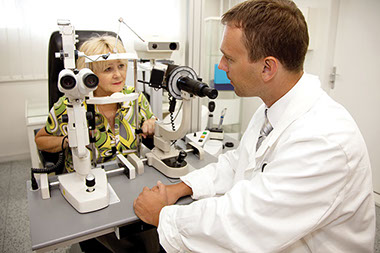
    Image of eye doctor and patient.

    With aging comes the possibility of developing cataracts. In fact, age is the primary risk factor for developing a clouding of the lens of one or both eyes.

    Smoking and diabetes may contribute to the proteins in the eye that clump together and begin to cloud vision, but wear and tear over the years is the main culprit, according to the National Eye Institute.

    If you have trouble identifying blues and purples, you may have what is called lens discoloration from a cataract forming. The condition can begin as early as age 40, but after age 60 is when cataracts start to reduce the sharpness of your vision.

    Other signs of cataract formation include glaring headlights and poor night vision, double vision, faded colors, or frequent prescription changes in your eyeglasses or contacts.

    Wearing sunglasses and a hat with a wide brim to block ultraviolet sunlight may help to delay cataracts. If you smoke, stop. Researchers also believe good nutrition can help reduce the risk of age-related cataract. They advise eating green leafy vegetables, fruit, and other foods with antioxidants.

    If you are age 60 or older, you should have a comprehensive dilated eye exam at least once every 2 years. In addition to checking for cataracts, your eye care professional can check for signs of age-related macular degeneration, glaucoma, and other vision disorders. Early treatment for many eye diseases may save your sight.

    © American Institute for Preventive Medicine
  • Understanding Your Gallbladder

    MEDICAL NEWS

    Image of man talking to his doctor.

    The hardest working digestive helper might well be your gallbladder, a pear-sized organ that sits just under the liver and next to the pancreas.

    The gallbladder stores bile, a thick liquid that’s produced by the liver to help digest fat. When you eat, the gallbladder’s thin, muscular lining squeezes bile into the small intestine through the main bile duct. The more fat you eat, the more bile the gallbladder injects into the digestive tract.

    Bile has a delicate chemical balance. It’s full of soluble cholesterol produced by the liver. This is a different type of cholesterol than the kind related to cardiovascular disease. If the chemical balance of bile gets slightly off, the cholesterol can crystalize and stick to the wall of the gallbladder. Over time, these crystals can combine and form gallstones.

    Gallstones can range from the size of a grain of sand to that of a golf ball. When the gallbladder injects bile into the small intestine, the main bile duct can become blocked by these stones. That may cause pressure, pain, and nausea, especially after eating meals.

    Gallstones can cause sudden pain in the upper-right abdomen, called a gallbladder attack. In most cases, though, people with gallstones don’t realize they have them.

    The causes of gallstones are unclear, but you’re more likely to have gallstone problems if you have too much body fat, especially around your waist, or if you’re losing weight very quickly.

    If left untreated, a blocked main bile duct and gallbladder can become infected and lead to a life-threatening situation. A surgeon can remove the gallbladder. You can live normally without it.

    Symptoms of a gallstone attack

    Talk with your doctor if you have:

    *  Severe pain in the upper-right side of the abdomen that starts suddenly and lasts from 30 minutes to many hours

    *  Pain under the right shoulder or in the right shoulder blade

    *  Indigestion after eating foods high in fat or protein, including desserts and fried foods

    Seek help right away if you have these signs of a serious attack:

    *  Abdominal pain that lasts more than 5 hours

    *  Nausea and vomiting

    *  Fever or chills

    *  Yellowish color of the skin or the whites of the eyes

    *  Dark urine or light-colored stools

    © American Institute for Preventive Medicine