HEALTHY EATING
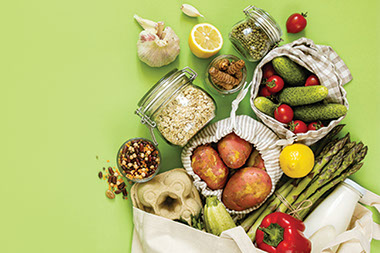
A sustainable food system is one that provides health and food security both now and in the future.
Food may be grown, processed, distributed, and prepared in ways that protect, or do not protect, the future ability to produce food. As a consumer, you can make choices that increase the demand for sustainable food.
Sustainable food systems
The term food system refers to the elements and activities that relate to the food you eat. This includes agriculture, production, processing, distribution, preparation, and consumption of food.
A sustainable food system encompasses three pillars:
*Environmental:A sustainable food system protects natural resources through efficient use of land, water, forest, and fisheries.
*Economic:A sustainable food system protects and improves livelihoods and requires responsible and efficient governance.
*Social:A sustainable food system supports the resilience of the community and enhances social well-being.
Why it matters
If any aspect of a food system degrades the ability to continue to produce nutritious food, that practice is considered unsustainable.
For example, some farming techniques may deplete the health of the soil. Over time the soil may be less able to support healthy crops, making the practice unsustainable.
In addition, a sustainable food system ensures no one goes hungry, now or in future generations.
What you can do
Much of the work to make food systems sustainable requires top-down regulation and innovation. However, there are things you can do to support sustainability efforts:
* Grow some of your own food.
* Purchase from local growers.
* Cook at home.
* Compost food scraps.
* Reduce food waste.
* Volunteer with non-profit organizations that are working to fight hunger.
© American Institute for Preventive Medicine