Tag: swaps

  • Easy Food Swaps For A Healthy Heart

    HEALTHY EATING

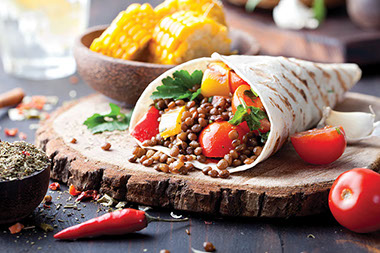
    Image of a healthy vegetable wrap.

    Eating better for your heart doesn’t have to be complicated. In fact, making some small substitutions in your diet each day can add up to better health. It doesn’t require a big investment of time or money to make these changes:

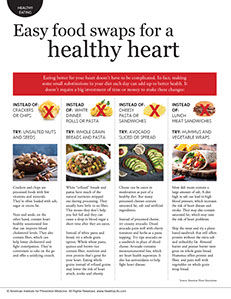
    Instead of: Crackers or chips

    Try: Unsalted nuts and seeds

    Crackers and chips are processed foods with few vitamins and minerals. They’re often loaded with salt, sugar or excess fat.

    Nuts and seeds, on the other hand, contain heart healthy unsaturated fats that can improve blood cholesterol levels. They also contain fiber, which can help lower cholesterol and fight constipation. They’re convenient to take on the go and offer a satisfying crunch.

    Instead of:  White dinner rolls or pasta

    Try: Whole grain breads and pasta

    White “refined” breads and pastas have much of the natural nutrients stripped out during processing. They usually have little to no fiber. This means they don’t help you feel full and they can cause a drop in blood sugar a short time after they are eaten.

    Instead of white pasta and bread, try a whole grain option. Whole wheat pasta, quinoa and brown rice contain fiber, nutrients and even protein that’s great for your heart. Eating whole grains instead of refined grains may lower the risk of heart attack, stroke and obesity.

    Instead of: Cheesy pasta or sandwiches

    Try: Avocado sliced or spread

    Cheese can be eaten in moderation as part of a healthy diet. But many processed cheeses contain saturated fat, salt and artificial ingredients.

    Instead of processed cheese, try creamy avocado. Diced avocado pairs well with cherry tomatoes and herbs as a pasta topping. Try ripe avocado on a sandwich in place of sliced cheese. Avocado contains monounsaturated fats, which are heart health superstars. It also has antioxidants to help fight heart disease.

    Instead of:  Lunch meat sandwiches

    Try: Hummus and vegetable wraps

    Most deli meats contain a large amount of salt. A diet high in salt can lead to high blood pressure, which increases the risk of heart disease and stroke. They may also contain saturated fat, which may raise the risk of heart problems.

    Skip the meat and try a plant-based sandwich that still offers protein without the extra salt and unhealthy fat. Almond butter and peanut butter taste great on whole grain bread. Hummus offers protein and fiber, and pairs well with vegetables on whole grain wrap bread.

    Source: American Heart Association
    © American Institute for Preventive Medicine
  • Escape The Holiday Carbohydrate Trap

    HEALTHY EATING

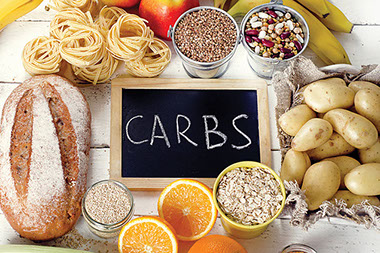
    Small chaulk board with the word CARBS written with a variety of carbs.

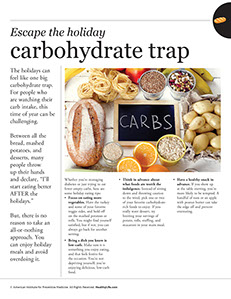
    The holidays can feel like one big carbohydrate trap. For people who are watching their carb intake, this time of year can be challenging. Between all the bread, mashed potatoes, and desserts, many people throw up their hands and declare, “I’ll start eating better AFTER the holidays.” But, there is no reason to take an all-or-nothing approach. You can enjoy holiday meals and avoid overdoing it.

    Whether you’re managing diabetes or just trying to eat fewer empty carbs, here are some holiday eating tips:

    *Focus on eating more vegetables.Have the turkey and some of your favorite veggie sides, and hold off on the mashed potatoes or rolls. You might find yourself satisfied, but if not, you can always go back for another serving.

    *Bring a dish you know is low-carb.Make sure it is something you enjoy eating, and that feels festive for the occasion. You’re not depriving yourself; you’re enjoying delicious, low-carb food.

    *Think in advance about what foods are worth the indulgence.Instead of sitting down and throwing caution to the wind, pick one or two of your favorite carbohydrate-rich foods to enjoy. If you really want dessert, try limiting your servings of potato, rolls, stuffing, and macaroni in your main meal.

    *Have a healthy snack in advance.If you show up at the table starving, you’re more likely to be tempted. A handful of nuts or an apple with peanut butter can take the edge off and prevent overeating.

    © American Institute for Preventive Medicine
  • Put Your Menu On A Diet

    Nutrition

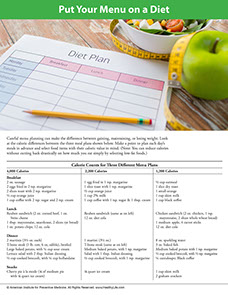
    Careful menu planning can make the difference between gaining, maintaining, or losing weight. Look at the caloric differences between the three meal plans shown below. Make a point to plan each day’s meals in advance and select food items with their caloric value in mind. (Note: You can reduce calories without cutting back drastically on how much you eat simply by selecting low-fat foods.)

    Page from A Year of Health Hints book by the American Institute for Preventive Medicine. www.HealthyLife.com. All rights reserved.

    © American Institute for Preventive Medicine
  • Rethink Your Drink

    Weight Control

    Avoid liquids that fill you up and out.

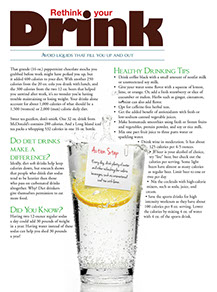
    That grande (16 oz.) peppermint chocolate mocha you grabbed before work might have perked you up, but it added 400 calories to your diet. With another 250 calories from the 20 oz. cola you drank with lunch, and the 300 calories from the two 12 oz. beers that helped you unwind after work, it’s no wonder you’re having trouble maintaining or losing weight. Your drinks alone account for about 1,000 calories of what should be a 1,500 (women) or 2,000 (men) calorie daily diet.

    Sweet tea guzzlers, don’t smirk. One 32 oz. drink from McDonald’s contains 280 calories. And a Long Island iced tea packs a whopping 532 calories in one 16 oz. bottle.

    Did You Know?

    Having two 12-ounce regular sodas a day could add 30 pounds of weight in a year. Having water instead of these sodas can help you shed 30 pounds a year!

    Healthy Drinking Tips

    *  Drink coffee black with a small amount of nonfat milk or unsweetened soy milk.

    *  Give your water some flavor with a squeeze of lemon, lime, or orange. Or, add a fresh strawberry or slice of cucumber or melon. Herbs such as ginger, cinnamon, or mint can also add flavor.

    *  Opt for caffeine-free herbal teas.

    *  Get the added benefit of antioxidants with fresh or low-sodium canned vegetable juices.

    *  Make homemade smoothies using fresh or frozen fruits and vegetables, protein powder, and soy or rice milk.

    *  Mix one part fruit juice to three parts water or sparkling water.

    *  Drink wine in moderation. It has about 125 calories per 4-5 ounces.

    *  If beer is your alcohol of choice, try “lite” beer, but check out the calories per serving. Some light beers have almost as many calories as regular beer. Limit beer to one or two per day.

    *  Nix the cocktails with high-calorie mixers, such as soda, juice, and cream.

    *  Save the sports drinks for high intensity workouts as they have about 100 calories per 8 oz. serving. Lower the calories by mixing 4 oz. of water with 4 oz. of the sports drink.

    Do diet drinks make a difference?

    Ideally, diet soft drinks help keep calories down, but research shows that people who drink diet sodas tend to be heavier than those who pass on carbonated drinks altogether. Why? Diet drinkers give themselves permission to eat more food.

    Action Step

    Every day, drink plenty of water and other refreshing low-calorie beverages, such as unsweetened iced tea with lemon.

    Page from Ways to Well-Being book by the American Institute for Preventive Medicine. www.HealthyLife.com. All rights reserved.

    © American Institute for Preventive Medicine
  • Fast-Food Restaurants

    Healthylife® Weigh

    Part 3

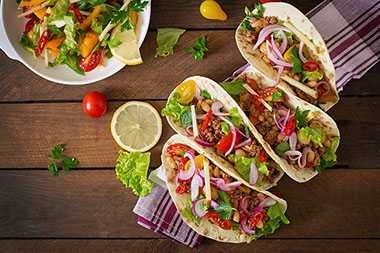
    Mexican tacos with meat, beans and salsa.

    Fast-food restaurants can be very convenient, especially if they have a drive-thru window. Look for the healthier choices on the menu, though they may not be the biggest or most colorfully advertised.

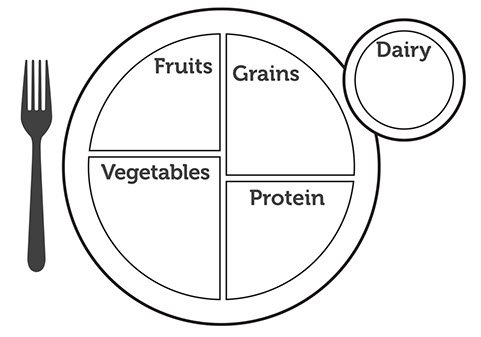
    If you are getting a meal, use the MyPlate guidelines. Choose from at least two food groups, like protein + fruit or protein + vegetable + dairy. Count these toward your goals for the day.

    Tips

    *  Choose grilled options over fried. This reduces saturated fat.

    *  Look for lower-sodium options.

    *  Order the smaller portions on the menu.

    *  Order water instead of 100% fruit juice. Order 100% fruit juice instead of soda.

    *  If you are treating yourself, choose a small portion, like a small ice cream.

    *  Eat half a portion and save the other half for later. Or, split a meal or menu item with a friend.

    Healthier Choices

    *  Regular burger, skip the fries and add a side salad with a vinaigrette dressing

    *  Grilled chicken wrap with apple slices and a side salad

    *  4-piece chicken nuggets, small fries, apples, yogurt

    *  Salad with chicken and a clementine

    *  Chili with a small salad

    *  Baked potato with plain yogurt

    A menu item may be prepared differently at a specific location, which affects nutrition. For example, an extra scoop of cheese or dash of salt can add extra saturated fat or a lot of sodium to a food. Take posted nutrition information with a grain of salt!

    © American Institute for Preventive Medicine
  • Tips For Myplate

    Healthylife® Weigh

    Part 2

    Middle aged man in kitchen about to prepare food.

    This activity will go through each part of MyPlate.

    *  Learn how eating certain foods can help your body, energy level, and mood. Learn new ways to prepare foods.

    *  Enjoy foods that taste good to you. Eat new things that you want to try. Avoid eating foods just because you think you “should” eat them. Explore different ways to prepare and eat foods. Celebrate cultural traditions and foods that are special to you.

    *  Allow some room in your diet for less nutritious foods. Make this a small part of your diet. If you have too many less nutritious foods, it will be more difficult to manage weight.

    The chart on “Plan a Balanced Day” gives a whole day’s servings of different food groups. Write amounts from these groups from the plan you selected. Write them on a blank plate. Remember, these are totals for the day.

    © American Institute for Preventive Medicine
  • Easy Food Swaps For A Healthier You

    HEALTHY EATING

    Image of middle-aged couple preparing food in their kitchen.

    What if you could be healthier without making a bunch of drastic changes? No extreme dieting or starving, but just taking some small steps to improve your food choices. It is possible if you know which foods to eat more of, and which ones to scale back on. The American Heart Association recommends a few simple switches that can add up to better overall health:

    *  Don’t cook with butter, lard, or shortening. Use vegetable oils that are high in unsaturated fats. Great choices include olive, canola, walnut, and safflower oils.

    *  When purchasing canned soups or vegetables, look for lower-sodium or “no salt added” varieties. Choose frozen vegetables without added salt or sauces.

    *  Avoid foods with added sugar, such as canned fruits with syrup. Choose canned fruits with no sugar added and/or packed in 100 percent fruit juice.

    *  Use nonstick cooking spray instead of shortening for recipes that call for “greased” cookware.

    *  When buying bread or crackers, look for those labeled “whole grain” or “whole wheat.” These choices contain more fiber and nutrients than refined grains.

    *  Cut back on red meat by using ground turkey or chicken in place of ground beef in recipes. Turkey tacos, meatballs, or chili can be just as tasty and many people can’t tell the difference.

    These simple tips can help you cut back on saturated fat, excess sugar and sodium. This adds up to great health benefits without having to change your eating habits entirely.

    © American Institute for Preventive Medicine

  • Easy Snack Substitutions

    HEALTHY EATING

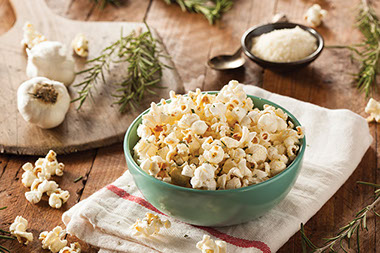
    Image of popcorn in a bowl.

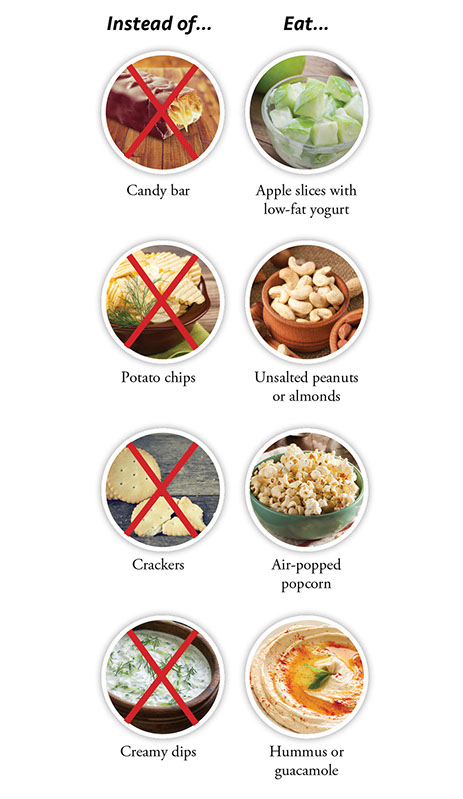
    Skip the vending machine and processed foods when you need to fill up between meals. Try these alternatives to everyday unhealthy snacks:

    © American Institute for Preventive Medicine