Tag: swimming

  • Smart Ways To Exercise During Pregnancy

    Pregnancy & Prenatal Care

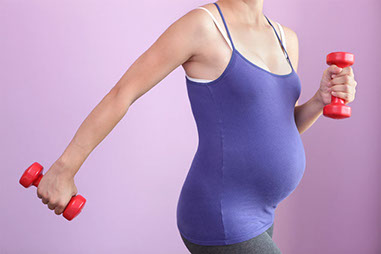
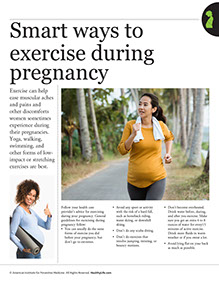
    Image of pregnant women exercising with dumb bells.

    Exercise can help ease muscular aches and pains and other discomforts women sometimes experience during their pregnancies. Yoga, walking, swimming, and other forms of low-impact or stretching exercises are best.

    Follow your health care provider’s advice for exercising during your pregnancy. General guidelines for exercising during pregnancy follow:

    *  You can usually do the same forms of exercise you did before your pregnancy, but don’t go to extremes.

    *  Check your pulse when you exercise. In general, your heart rate should stay below 140 beats a minute.

    *  Avoid any sport or activity with the risk of a hard fall, such as horseback riding and water skiing.

    *  Don’t do exercises that involve jumping, twisting, or bouncy motions.

    *  Don’t become overheated. Drink water before, during, and after you exercise. Make sure you get an extra 4 to 8 ounces of water for every 15 minutes of active exercise. Drink more fluids in warm weather or if you sweat a lot.

    *  After the 20th week of pregnancy, avoid exercises in which you lie flat on your back.

    A Year of Health Hints book by the American Institute for Preventive Medicine. www.HealthyLife.com. All rights reserved.

    © American Institute for Preventive Medicine

  • Stay Healthy When Swimming

    WELL-BEING

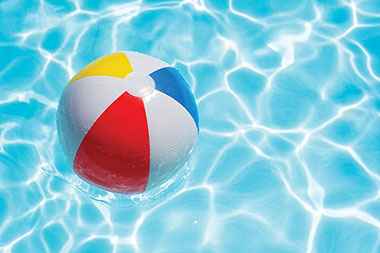
    Image of beach ball in swimming pool.

    Did you know you can get sick from swimming? Whether it’s a pool, hot tub, water park, fountain, lake, river or ocean, some water can have germs or chemicals in it that cause recreational water illness (RWI). And, the number of RWI outbreaks have increased steadily in the last 30 years.

    RWIs can ruin summer fun

    RWIs most often cause diarrhea, but they can make you sick in other ways too. They can also cause nausea and vomiting, skin rashes, and infections of the eyes, ears, skin and respiratory system.

    Most healthy people will recover from RWIs, but they can be dangerous to pregnant women, young children, and people with weakened immune systems.

    Healthy swimming guidelines

    Many times, the water may look clean and safe when it contains dangerous germs or unsafe chemicals. Though proper chlorine levels are important, some germs are not killed by chlorine. Some water may be treated with too much chlorine or an improper balance that can make people sick. So what can you do to enjoy the water this summer and stay healthy?

    *  Don’t swim when you have diarrhea or you’ve been vomiting. Even a tiny, invisible amount of germs can get in the water and make others sick.

    *  Never get swimming water in your mouth. Keep your mouth closed when underwater.

    *  Shower with soap before you swim and wash your hands after using the toilet or changing diapers. Have your children wash their hands as well.

    *  Don’t allow kids to play in fountains that haven’t been treated with chlorine.

    *  Stop swimming at least once every hour for bathroom breaks and/or diaper changes. Use swim diapers on kids who aren’t potty trained. Many kids will have “accidents” in the water if they don’t get out to use the bathroom.

    *  Don’t change diapers near the swimming area. Do it in a bathroom or away from the water.

    *  If you own a pool, check chlorine levels regularly. Use pool test strips to check for proper pH levels and chemical balances.

    *  Ask to see the last pool inspection report before swimming in a public pool or water park.

    The germ that survives chlorine

    Cryptosporidium, commonly called crypto, is a bacteria that can be spread in swimming water. Chlorine won’t kill crypto, and people with weakened immune systems can get very sick from it. It can cause severe watery diarrhea and is a leading cause of RWIs. To avoid getting or spreading crypto, follow the healthy swimming guidelines on this page. It is not killed by hand sanitizer, so washing hands with soap and water is critical.
    © American Institute for Preventive Medicine

  • Water Safety Tips You Need To Know

    SELF-CARE CORNER

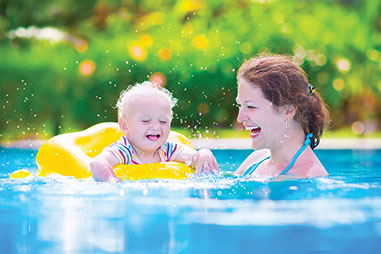
    Image of mother and young child in the pool.

    When the summer sun beats down, many people flock to water for cooling relief and fun. Swimming, boating and water activities are a favorite pastime for many Americans. But, it’s important to know the dangers of water and how to keep yourself and your loved ones safe.

    The Centers for Disease Control and Prevention says more than 3,500 people DROWN in the U.S.  each year in swimming (non-boating) related accidents.

    Most of these are children under the age of 14.

    And according to the U.S. Coast Guard,

    hundreds more die in boating-related accidents

    each year – and the majority of them are DUE TO DROWNING.

    Most drownings are preventable –

    so here’s what you should do any time you’re around water:

    *Keep pools gated and locked.Home pools should be enclosed with a locked fence that’s at least 4 feet high.

    *Always supervise.Children drown within seconds, not minutes. And, there’s typically no screaming, splashing, or other noise. Keep your eyes on children in the water at all times. Don’t turn your back, even for “just a minute.”

    *Wear life jackets.Many boating-related deaths could be avoided if all passengers wore U.S. Coast Guard-approved life jackets. Children should also wear them when swimming.

    *Consider swimming lessons.Children and adults can benefit from knowing how to swim, and it can reduce the risk of drowning.

    *Learn CPR.Giving cardiopulmonary resuscitation (CPR) can save lives if given quickly after a water accident.

    *Stay sober.Alcohol and water don’t mix – so don’t drink if you’re boating, swimming or supervising children in the water.

    *Watch the weather.If there’s a chance of strong winds or a thunderstorm, stay out of the water.

    *Watch for rip currents in natural bodies of water.A rip current is a powerful current that you can’t see, but can quickly take even a grown adult underwater. If you feel one pull you down, swim parallel to the shore until you get free. Don’t try to fight it or swim toward the shore.

    *Know the boating laws.There are state and federal laws that boaters must follow. Learn about them atwww.uscgboating.org. You can also look into boating safety courses and safety checks for your boat on this website.

    © American Institute for Preventive Medicine

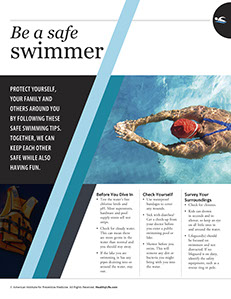
  • Be A Safe Swimmer

    BE FIT

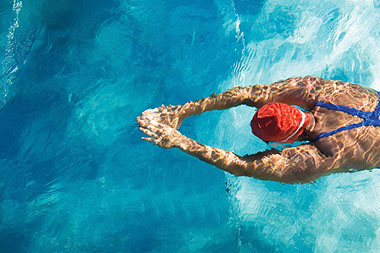
    Bird eye view of female swimming.

    Protect yourself, your family and others around you by following these safe swimming tips. Together, we can keep each other safe while also having fun.

    Before You Dive In

    *  Test the water’s free chlorine levels and pH. Most superstores, hardware and pool supply stores sell test strips.

    *  Check for cloudy water. This can mean there are more germs in the water than normal and you should stay away.

    *  If the lake you are swimming in has any pipes draining into or around the water, stay out.

    Check Yourself

    *  Use waterproof bandages to cover any wounds.

    *  Sick with diarrhea? Get a check-up from your doctor before you enter a public swimming pool or lake.

    *  Shower before you swim. This will remove any dirt or bacteria you might bring with you into the water.

    Survey Your Surroundings

    *  Check for closures.

    *  Kids can drown in seconds and in silence, so keep an eye on all little ones in and around the water.

    *  Lifeguard(s) should be focused on swimmers and not distracted. If no lifeguard is on duty, identify the safety equipment, such as a rescue ring or pole.

    © American Institute for Preventive Medicine