Tag: symptoms

  • Understanding Multiple Sclerosis

    MEDICAL NEWS

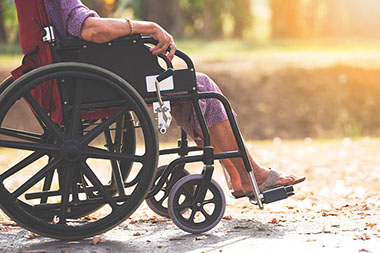
    Women in wheel chair.

    Multiple sclerosis (MS) is a common condition affecting millions of people across the world.

    What is MS?

    MS is an autoimmune disease. Your immune system is designed to fight off invaders like viruses and bacteria. Autoimmune means the immune system attacks healthy tissue by mistake.

    With MS, the immune system attacks a protective coating on the nerves in the brain and spinal cord. When this coating, called the myelin sheath, is damaged, the nerves have trouble sending signals.

    Types of MS

    Most people with MS have relapsing-remitting MS (RRMS). RRMS causes MS symptoms over a few days or weeks, known as a relapse. Then, MS symptoms go away for months or even years. When symptoms go away, this is called remission. The relapse and remission cycle repeats itself over time.

    Other people may have symptoms that slowly get worse. They don’t have periods of remission. This is known as primary progressive or secondary progressive MS.

    Symptoms of MS

    MS symptoms are very different from person to person. They can also change over time. Symptoms include:

    *  Feeling tired (fatigue)

    *  Weakness

    *  Loss of balance

    *  Numbness or tingling

    *  Stiff muscles or spasms

    *  Blurry vision

    *  Dizziness

    *  Loss of control of bladder or bowels

    *  Trouble with memory, learning or attention

    *  Speech problems

    *  Shaking

    *  Seizures

    If you have one or more of these symptoms, it doesn’t mean you have MS. However, you should see your doctor to find out the cause.

    How is MS treated?

    If you have MS, see your doctor regularly. Treatment can help slow the disease and manage symptoms. There are different medications available to treat MS, and physical therapy is helpful for some people. A doctor who specializes in treating MS can recommend the best treatment for you.

    While there is no cure, treatments for MS continue to improve. With a doctor’s help, many people with MS can manage their symptoms and feel their best.
    © American Institute for Preventive Medicine
  • What Is Lymphoma?

    MEDICAL NEWS

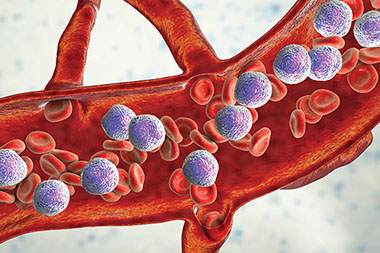
    Illustration of vein with blood cells.

    There are several different types of blood cancers. About half of all blood cancers are lymphomas. Lymphoma is cancer in the lymph system. The lymph system is part of the immune system that fights off illnesses and infections. It also helps control the flow of fluids in the body.

    Lymphoma is not one type of cancer. It is a group of many types.

    Hodgkin lymphoma is one type. It was named after the doctor who discovered it. All other lymphomas are called non-Hodgkin lymphomas. There are more than 60 types of non-Hodgkin lymphomas.

    What’s the difference?

    Hodgkin and non-Hodgkin lymphomas affect lymphocytes, which are cells in the lymphatic system. Doctors can tell which type of lymphoma a person has by looking at their cells under a microscope.

    Hodgkin lymphoma has a special cell with two centers, or nuclei. These are known as Reed-Sternberg cells, and they only occur in people with Hodgkin lymphoma.

    Similar signs

    Even though there are different types of lymphoma, the signs look alike. Some signs include:

    *  A painless lump in the neck, armpit or groin

    *  Excessive sweating

    *  Fever

    *  Trouble breathing

    *  Weight loss

    *  No appetite

    *  Feeling weak

    *  Itching

    Know the risk

    Lymphoma can attack almost any area of the body. Often its symptoms are hard to spot, or they may be blamed on other health issues. That’s why it’s good to know if you’re at a higher risk of getting lymphoma. Risk factors include:

    *  Having a close relative with lymphoma

    *  Previously being exposed to radiation or chemotherapy

    *  Long-term exposure to chemicals

    *  Having a weakened immune system

    Talk to your doctor

    There is no surefire way to prevent lymphoma. However, you can get regular checkups and talk to your doctor about your health. Ask them about your risk of cancer and ways you can lead the healthiest life possible. If you notice changes in your health or symptoms, tell them.

    Sources: American Cancer Society, Leukemia and Lymphoma Society

    © American Institute for Preventive Medicine
  • What To Know About Blood Clots

    SELF-CARE CORNER

    Veins on the back of a women's leg.

    Healthy blood is designed to clot. When blood clots, it prevents heavy bleeding. But, if a clot happens inside a vein, it can be dangerous. This is called a deep vein thrombosis (DVT). Sometimes, the blood clot may move through the body and get stuck in the lungs. This is called a pulmonary embolism (PE).

    Up to 100,000 Americans die from a DVT or PE every year. These clots kill more people than breast cancer, car collisions, and HIV/AIDS combined.

    Signs of a clot

    Signs of a DVT or PE include:

    *  Swelling, tenderness, redness or warmth in one area of the body

    *  Chest heaviness or pain

    *  Sweating

    *  Feeling out of breath

    *  Weakness or fainting

    *  Fast heart beat

    *  Feeling of impending doom

    Know your risk

    Certain things make you more likely to get a blood clot. They include:

    *  Recent surgery or an injury

    *  Being in bed for long periods

    *  Not moving a certain body part, such as a broken leg

    *  Sitting for a long time, including during travel

    *  Higher levels of estrogen from birth control pills, pregnancy or hormone replacement therapy

    *  Medical conditions, such as cancer, Crohn’s disease, ulcerative colitis, heart disease, blood clotting disorders or lung disease

    *  Obesity

    *  Smoking

    *  History of atrial fibrillation (A-fib)

    Reduce your risk

    Talk about your risk with your doctor. You can lower your risk of getting a blood clot by:

    *  Getting up from sitting at least every two hours

    *  Moving around after surgery or being in bed for a long time

    *  Moving legs and feet while on plane trips

    *  Wearing loose-fitting clothes while sitting for a long time

    *  Exercising regularly

    *  Wearing compression stockings if recommended by your doctor

    What to do?

    If you think you or a loved one might have a blood clot, see a doctor right away. A blood clot can be treated if it’s caught early. Sometimes, doctors use medicines that dissolve the clot. Other times, doctors will perform surgery to remove the clot.

    Sources: American Society of Hematology, Centers for Disease Control and Prevention

    © American Institute for Preventive Medicine

  • When Blood Pressure Is Low

    MEDICAL NEWS

    Man taking his blood pressure at home.

    High blood pressure gets a lot of attention. But low blood pressure can cause health problems as well.

    If blood pressure is too low, your organs will not receive enough blood. This can quickly become dangerous. While a one-time low blood pressure reading is not usually concerning, a doctor should address chronic low blood pressure that occurs with other symptoms.

    Symptoms

    The normal range for blood pressure is between 90/60 mm/Hg to 120/80 mm/Hg. However, some people naturally have lower blood pressure than others. Low blood pressure is a problem when accompanied by any of these symptoms:

    *  Feeling dizzy or lightheaded

    *  Nausea or vomiting

    *  Blurry vision

    *  Confusion

    *  Fainting

    *  Fatigue

    *  Weakness

    *  Clammy, pale skin

    *  Rapid, shallow breathing

    *  Sleepiness

    *  Depression

    Causes

    Low blood pressure can be a sign of a problem that needs to be addressed right away. Causes may include:

    *  Severe allergic reaction

    *  Sudden loss of blood volume due to dehydration, injury, or internal bleeding

    *  Septic shock caused by infection impacts the blood vessels causing blood pressure to drop

    *  Heart problems such as heart attack or changes in heart rhythm, which may prevent the heart from pumping blood efficiently

    *  Certain medications or substances can lower blood pressure

    *  Orthostatic hypotension which is temporary and happens when you change position quickly

    *  Endocrine or hormone imbalances

    Treatment

    If you have low blood pressure, your doctor is your best resource for treatment. Depending on the specific cause, treatment may include:

    *  Changing or switching medications if recommended by your doctor

    *  Drinking more fluids to stay well hydrated

    *  Moving slowly when going from sitting to standing

    *  Wearing compression socks to prevent blood from pooling in the legs

    *  Medicines to increase heart strength and improve blood pressure

    *  Avoiding alcohol

    *  In severe cases, receiving blood through an IV

    © American Institute for Preventive Medicine
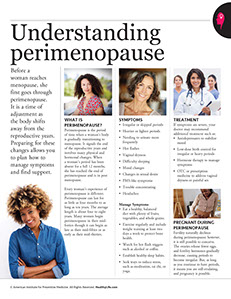
  • Understanding Perimenopause

    MEDICAL NEWS

    Women outside looking out to the distance.

    Before a woman reaches menopause, she first goes through perimenopause. It is a time of adjustment as the body shifts away from the reproductive years. Preparing for these changes allows you to plan how to manage symptoms and find support.

    What is perimenopause?

    Perimenopause is the period of time when a woman’s body is gradually transitioning to menopause. It signals the end of the reproductive years and involves many physical and hormonal changes. When a woman’s period has been absent for a full 12 months, she has reached the end of perimenopause and is in post menopause.

    Every woman’s experience of perimenopause is different. Perimenopause can last for as little as four months to as long as ten years. The average length is about four to eight years. Many women begin perimenopause in their mid-forties though it can begin as late as their mid-fifties or as early as their mid-thirties.

    Symptoms

    *  Irregular or skipped periods

    *  Heavier or lighter periods

    *  Needing to urinate more frequently

    *  Hot flashes

    *  Vaginal dryness

    *  Difficulty sleeping

    *  Mood changes

    *  Changes in sexual desire

    *  PMS-like symptoms

    *  Trouble concentrating

    *  Headaches

    Manage Symptoms

    *  Eat a healthy, balanced diet with plenty of fruits, vegetables, and whole grains.

    *  Exercise regularly and include weight training at least two days a week to protect bone health.

    *  Watch for hot flash triggers such as alcohol or coffee.

    *  Establish healthy sleep habits.

    *  Seek ways to reduce stress, such as meditation, tai chi, or yoga.

    Treatment

    If symptoms are severe, your doctor may recommend additional treatment such as:

    *  Antidepressants to stabilize mood

    *  Low-dose birth control for irregular or heavy periods

    *  Hormone therapy to manage symptoms

    *  OTC or prescription medicine to address vaginal dryness or painful sex

    Pregnant during perimenopause

    Fertility naturally declines during perimenopause; however, it is still possible to conceive. The ovaries release fewer eggs, and fertility hormones gradually decrease, causing periods to become irregular. But, as long as you continue to have periods, it means you are still ovulating, and pregnancy is possible.

    © American Institute for Preventive Medicine

  • Covid-19, Cold, Flu, Or Allergy?

    SELF-CARE CORNER

    Women wearing a face mask.

    Know the difference

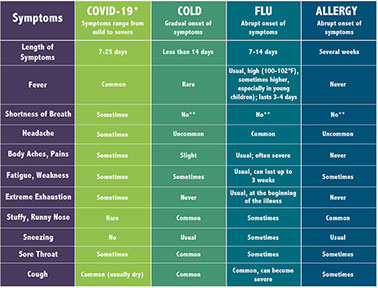
    You’re feeling pretty lousy. You’ve got sniffles, sneezing, and a sore throat. Is it COVID-19, a cold, flu, or allergies? It can be hard to tell them apart because they share so many symptoms. But understanding the differences will help you choose the best treatment.

    Comparison chart of symptoms between COVID-19, Cold, Flu and Allergies.

    © American Institute for Preventive Medicine
  • Is It Food Poisoning Or A Virus?

    SELF-CARE CORNER

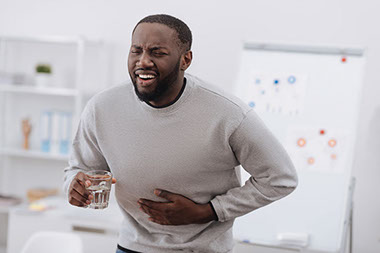
    Man holding a glass of water with one hand and holding stomach in pain with the other hand.

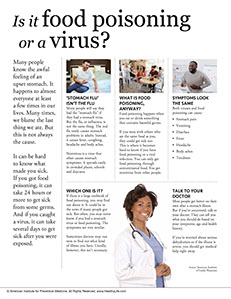
    Many people know the awful feeling of an upset stomach. It happens to almost everyone at least a few times in our lives. Many times, we blame the last thing we ate. But this is not always the cause.

    It can be hard to know what made you sick. If you got food poisoning, it can take 24 hours or more to get sick from some germs. And if you caught a virus, it can take several days to get sick after you were exposed.

    ‘Stomach flu’ isn’t the flu

    Many people will say they had the “stomach flu” if they had a stomach virus. But the flu, or influenza, is not the same thing. The real flu rarely causes stomach problems in adults. Instead, it causes fever, coughing, headache and body aches.

    Norovirus is a virus that often causes stomach symptoms. It spreads easily in crowded places, schools and daycares.

    What is food poisoning, anyway?

    Food poisoning happens when you eat or drink something that contains harmful germs.

    If you were with others who ate the same food as you, they could get sick too. This is where it becomes hard to know if you have food poisoning or a viral infection. You can only get food poisoning through contaminated food. You get norovirus from other people.

    Symptoms look the same

    Both viruses and food poisoning can cause:

    *  Stomach pain

    *  Vomiting

    *  Diarrhea

    *  Fever

    *  Headache

    *  Body aches

    *  Tiredness

    Which one is it?

    If there is a large outbreak of food poisoning, you may find out about it. It could be in the news if many people got sick. But often, you may never know if you had a stomach virus or food poisoning. The symptoms are very similar.

    Sometimes doctors may run tests to find out what kind of illness you have. Usually, however, this isn’t necessary.

    Talk to your doctor

    Most people get better on their own after a stomach illness. But if you’re concerned, talk to your doctor. They can tell you what you should do based on your symptoms, age and health history.

    If you’re worried about serious dehydration or if the illness is severe, you should get medical help right away.

    Source: American Academy of Family Physicians

    © American Institute for Preventive Medicine