Tag: techniques

  • Address Anxiety 2

    Healthylife® QuitWell™

    Part 2

    Zen garden with massage stones and waterlily.

    Anxiety is a feeling of dread, fear, or distress over a real or imagined threat to your mental or physical well-being. Smoking, chewing, or vaping may be a way that you have coped in the past with these feelings. At all stages of change, you can learn to address anxiety in healthy ways.

    First, try to calm your body physically. Calming the physical body can make working through what is in your mind easier.

    *  Breathe deeply and evenly.

    *  Take a walk or get some other form of exercise.

    *  Take a long, warm bath or shower. Or, go for a swim.

    *  Listen to soothing music. Or, go somewhere quiet.

    *  Connect with people. Visit or call someone who will listen to you and support you.

    *  Drink a warm cup of decaf coffee or tea-avoid caffeine, which can make anxiety worse.

    As you take a step back, use these tips to manage the thoughts that are causing your anxiety:

    *  Ask: is your thought based on facts?

    *  Identify what you are trying to do. Know your purpose.

    *  Consider many different outcomes and their effects.

    *  View the situation from many perspectives.

    *  Don’t assume a situation will have the same outcome as it did in the past.

    *  Have good evidence for a generalization before you make it.

    *  Avoid assuming one event caused another just because they happened at the same time.

    You will likely feel calmer after you quit. Nicotine only makes you more nervous. Nicotine is a stimulant. After you get over the initial stress of quitting, you’ll find that without all that nicotine in your body, you feel calmer and more relaxed.

    © American Institute for Preventive Medicine

  • Practice Relaxation Techniques 2

    Healthylife® QuitWell™

    Part 4

    Image of man relaxing while reading a book.

    Use relaxation techniques to manage daily stressors.

    Plan Relaxation Time

    Plan time during the day to relax. You can also do relaxation exercises as needed during the day. Practice these techniques before, during, or after trigger activities (like eating or talking on the phone).

    Relaxation techniques can help reduce stress-related health problems, such as high blood pressure, headaches, and pain. These tools also help you to have greater physical and mental control. This helps you get through times when you may have had a cigarette or other form of tobacco/nicotine in the past.

    How the mind can control the body:

    *  It can slow brain wave patterns.

    *  It can reduce heart and breathing rates.

    *  It can increase blood flow to the limbs.

    *  It can relax muscles.

    Think about the rest of today. When can you spend 10 minutes relaxing? Here are a few ideas of times you can practice relaxation:

    *  Break times when you would usually be on your phone, checking apps or scrolling mindlessly

    *  While drinking your morning coffee

    *  Winding down for bed in the evening

    *  Walking the dog or playing with your pet

    © American Institute for Preventive Medicine

  • Practice Relaxation Techniques 3

    SleepWell® Program

    Week 4

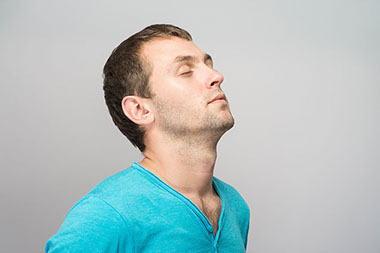
    Image of man deep breathing.

    Learn These Three Skills to Relax

    1.  Relaxation Reflex: Get rid of muscle tension.

    2.  Mental Imagery: Think of calm, restful places.

    3.  Deep Natural Breathing: Feel relaxed by breathing in more oxygen.

    Plan Relaxation Time

    If possible, use the hour before you sleep to wind down and prepare your body and mind for sleep. You can also do relaxation exercises as needed throughout the day. Relaxation techniques can help reduce stress-related health problems, such as high blood pressure, headaches, and pain. These tools also help you to exercise greater mental and physical control and reduce negative emotions.

    How the mind can control the body:

    *  It can slow brain wave patterns.

    *  It can reduce heart and breathing rates.

    *  It can increase blood flow to your limbs.

    *  It can relax muscles.

    Prepare for Relaxation

    Remove external factors that could be causing your body and mind to be overly alert. Watching TV is ok, but avoid loud, violent, or exciting programs. Mindless programs are better. Dim the lights. Play a quiet game (though not on your phone or computer), read a book, or organize your sock drawer or the clothes in your closet.

    A bath taken two hours before bedtime allows your body temperature to drop to a sleep-inducing level.

    Relaxation Reflex

    This skill relaxes four basic muscle groups. Tightening and relaxing these muscles produces a soothing effect which helps you relax. Take slow deep breaths, drop your head, and place your shoulders forward to add to the effect.

    Practice this every day for about five to 10 minutes. Divide the body into four muscle groups. Tense each group for five seconds, then release.

    1. Arms and Hands – Lift your arms, bend them at your wrists and elbows, make fists, and tighten your upper arms.

    2. Face and Neck – Squinch your eyes, nose, cheeks and brow. Stretch your mouth and grit your teeth. Point your chin down toward your chest.

    3. Middle Torso – Push your shoulders back, tighten your stomach and the middle of your back.

    4. Legs and Feet – Lift your legs off the floor and hold them straight out. Point your toes towards your face. Tighten your thighs.

    Mental Imagery

    Choose a peaceful scene like a beach, forest, or sunrise. You can even choose a place of fantasy. Then take an imaginary visit there and relax in the process. Imagine this place using the following 10 steps:

    1. Find a comfortable sitting or reclining position.

    2. Gently close your eyes.

    3. Notice nothing but your own gentle breathing pattern.

    4. Begin to think about your peaceful scene. Picture where you are and what you do when your mind and body are very, very relaxed. Pause to create and capture the image of your soothing place.

    5. Pretend that you are really there in your special relaxing environment. Picture all the colors… Hear the sounds… Smell the aromas… Taste… Touch your surroundings as if you are really there… Enjoy… Relax…

    6. Find the calm and peace. Allow yourself to feel good… Let your whole body relax and enjoy the moment.

    7. Pause for five to 10 minutes and become filled with relaxation.

    8. Allow the relaxation to re-energize your body and mind.

    9. As you feel comfortable, slowly open your eyes, feeling totally refreshed.

    10. Escape to your special place anytime you wish to relax, if even for a moment.

    Deep Natural Breathing

    An increased amount of oxygen allows your heart rate to slow down. This produces a calming effect.

    1. Sit in a chair, arms at your sides, with your legs uncrossed.

    2. Note any tension in your muscles.

    3. Put one hand on your chest and the other hand on your abdomen.

    4. Take in a breath slowly and deeply through your nose allowing your abdomen to expand and push up your hand. After your abdomen is full of air, allow your chest to expand, pushing up your other hand. This is one long steady breath.

    5. Hold the air in for three seconds.

    6. Purse your lips and exhale through your mouth making a relaxing, whooshing sound.

    7. Continue to take long, slow, deep inhales through your nose and let out long, slow exhales through your mouth.

    8. Focus on the sound and feeling of deep breathing. Continue for three to five minutes.

    9. Your chest should feel less constricted. You should feel less stress and tension physically and mentally.

    © American Institute for Preventive Medicine

  • Address Anxiety

    Healthylife® Weigh

    Part 6

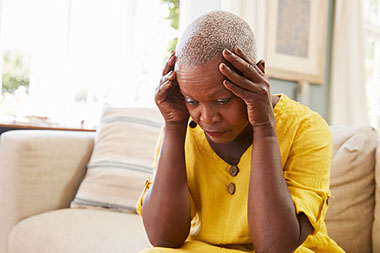
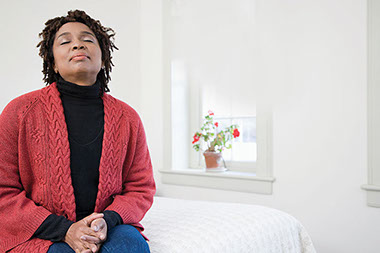
    Women at home coping with anxiety.

    Anxiety is a feeling of dread, fear, or distress over a real or imagined threat to your mental or physical well-being. Avoid eating as a way to cope with anxiety. Try the strategies listed below.

    Strategy

    *  Take a long, warm bath or shower. Or, go for a swim.

    *  Focus on relaxing through exercise, soothing music, helping others, etc.

    *  Connect with people. Visit or call someone who will listen to you and support you.

    *  Drink a warm cup of decaf coffee or tea – avoid caffeine, which can make anxiety worse.

    *  Practice mindfulness and other relaxation techniques.

    Wash, Peel & Chop Away Anxiety

    Get your meal prep done and work away anxious feelings at the same time!

    Gently wash fruits and vegetables. Chop foods slowly and evenly. Prepare all of the ingredients for a meal neatly before starting to cook.

    Take your time to cook. Clean as you go, keeping your space tidy. Slowly wash and dry dishes by hand. Take breaks if you need to.

    Other Causes of Anxiety

    Anxiety could be a symptom of low blood sugar. Other symptoms of low blood sugar include shakiness, feeling faint, headache, rapid heartbeat, and sweating. In this case, you will need to have something to drink or eat, such as orange juice, a piece of hard candy, or crackers. Anxiety can also be a symptom of an anxiety disorder or other health condition. Check with your doctor if the symptoms above happen often.

    Take a Step Back

    Write down what you are anxious about. Step back and look at your concern from an outsider’s point of view. Imagine how others might handle these issues. You can also use this technique to look at your job or family duties. Ask yourself these questions:

    *  What can I expect of myself in this situation?

    *  Are my expectations realistic, given my abilities, strengths, and weaknesses?

    *  What do others expect of me?

    *  What ideas would others have for me? When you imagine how someone else might respond to a situation, you may come up with helpful ideas!

    If you struggle to answer these questions, wait at least an hour or sleep on it. When you come back to this worry, you may see things in a different way and feel more ready to address the issue.

    © American Institute for Preventive Medicine

  • Practice Relaxation Techniques

    Healthylife® Weigh

    Part 6

    Women deep breathing.

    Use relaxation techniques to manage emotional eating triggers.

    Learn These Four Skills to Relax

    1. Relaxation Reflex: Get rid of muscle tension.

    2. Mindfulness: Be fully present in the moment.

    3. Deep Breathing: Feel relaxed by breathing in more oxygen.

    Plan Relaxation Time

    Plan 15 minutes during the day to intentionally relax. You can also do relaxation exercises as needed throughout the day. Practice these techniques before eating or to cope with an emotion that is triggering you to eat. Relaxation techniques can help reduce stress-related health problems, such as high blood pressure, headaches, and pain. These tools also help you to have greater mental and physical control and improve your response to negative emotions.

    How the mind can control the body:

    *  It can slow brain wave patterns.

    *  It can reduce heart and breathing rates.

    *  It can increase blood flow to the limbs.

    *  It can relax muscles.

    © American Institute for Preventive Medicine