Tag: temperature

  • Get Grilled On Safety Tips

    HEALTHY EATING

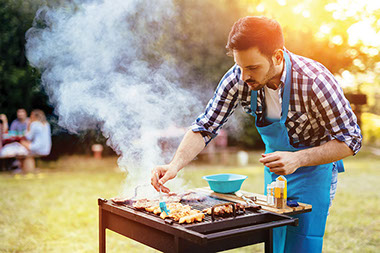
    Man grilling food outside.

    Metal grill brushes pose dangers

    If you’ve ever used a grill, you know that it needs to be cleaned. Many people reach for a metal wire grill brush to remove stuck-on food and debris. But this could be a dangerous mistake.

    The American Medical Association says that wire grill brushes were responsible for more than 1,600 emergency room visits in just one year. These brushes have metal bristles that can break off and stick to the grill. They may be too small to see, so you don’t know they’re there. When you cook food on your grill, the tiny bristles can stick to the food.

    If someone accidentally swallows one of these metal bristles, they can be seriously injured. The bristles can cut the inside of the mouth, throat or tonsils. This could require emergency surgery.

    If you use a wire brush to clean the grill, be sure to wipe the grill off with a cloth afterward. Check the underside of the grill and lid for any bristles too.

    You can also avoid using wire brushes altogether. Instead, soak the grill parts in soapy water and clean with a sponge or a paint scraper. Some people use a ball of aluminum foil to scrape the grill.

    Be safe with your grill

    *  Propane (gas) and charcoal grills should only be used outside. Never use them inside a garage, barn or other building.

    *  Keep the grill well away from your deck railings, tree branches and house.

    *  Don’t let children or pets near the grill.

    *  Open the gas grill lid before lighting it.

    *  Keep charcoal fluid out of reach of children and pets.

    *  Do not add charcoal fluid or other flammable liquids to a fire. Use it only to get the grill started.

    *  Let charcoal cool completely before throwing it away.

    Source: National Fire Protection Association

    © American Institute for Preventive Medicine
  • Keep Food Safe

    Healthylife® Weigh

    Part 3

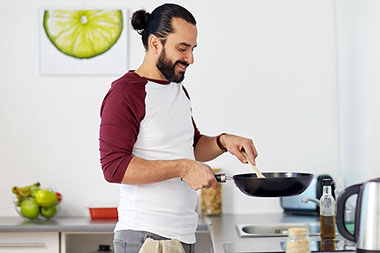
    Man with frying pan cooking food at home.

    *  Freezing: Keep freezer temperature at or below 0°F. Keep frozen foods in airtight containers.

    *  Refrigerator: Keep refrigerator temperature at or below 40°F. Store foods made from animal products in a drawer or in the back of the refrigerator, where it is cooler.

    *  Thawing: Thaw food on the bottom shelf of the refrigerator. Or, submerge the sealed container in cold water. Or, use the defrost settings on your microwave. Never thaw food on the counter.

    Heat to Safe Temperatures

    Use a food thermometer to make sure foods are safe to eat.

    *  145ºF: Fish, roasts, steaks, chops (beef, pork, veal, and lamb)

    *  160ºF: Egg dishes and ground meats (beef, veal, and lamb)

    *  165ºF: Stuffing, all poultry, casseroles, reheated leftovers

    Simple Cooking Methods

    When you cook vegetables, do so quickly and in little water. Some vitamins, like vitamin C, are lost when soaked in water or overcooked.

    Microwave: Place chopped vegetables in a microwave-safe dish with a lid. Or, use plastic wrap with a few holes poked for venting. Add 2 Tbsp. of water, or enough to cover the bottom of the dish. Microwave on high for 5 minutes. Check firmness. Add time to reach desired softness.

    Stove Top: Add 1 to 2 inches of water to a pot. Add vegetables. Simmer until tender, checking vegetables often after the first 5 minutes. Greens will cook faster, so check these after 2 minutes.

    Oven: Preheat oven to 450ºF. Coat a baking sheet with non-stick cooking spray or use a sheet of parchment paper. Toss vegetables with 1 Tbsp. of canola oil. Spread vegetables evenly and bake for at least 15 minutes. Check for desired softness. Add cooking time, if needed. Experiment with spices to flavor vegetables to your liking.

    © American Institute for Preventive Medicine
  • Store Picnic Food Safely

    HEALTHY EATING

    Image of teens at the beach with a cooler.

    A picnic in the park can be great fun for everyone, but it’s important to assure your food arrives safely along with your family and guests. Follow smart food packing guidelines, say the experts at the Institute of Food Technologists. Keep meats, including lunch meats and raw meats, cheeses, and condiments cold in insulated, soft-sided bags or coolers with freezer gel packs.

    Food needs to be stored at 40ºF or colder to reduce the risk of germ growth, so limit the number of times you open the cooler. Never allow food to sit for more than 2 hours at temperatures below 90ºF, and no more than an hour when temperatures exceed 90ºF outside. Throw away food that’s been sitting out too long.

    Securely package raw meat, seafood and poultry to ensure the juices don’t contaminate other foods. Pack only the amount of perishable food that you think will be eaten. Beverages and perishable foods should travel in separate containers and coolers, especially if you’ll be transporting raw meat.

    When it’s time to go home, don’t reuse packaging material that has contacted raw meats or meat juices. Make sure perishable leftovers stay cold on the trip home. Avoid taking home uncooked leftovers.

    © American Institute for Preventive Medicine