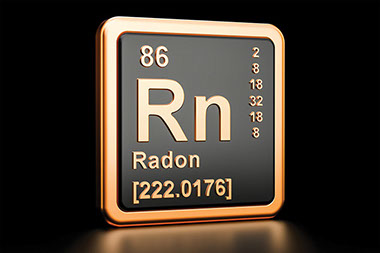
Tag: test

  • Fight Back Against Radon

    WELL-BEING

    Women yawning while driving.

    Radon can get into your home and cause serious health problems. But you can take steps to remove this dangerous gas that you can’t see, taste or smell.

    Radon is a natural radioactive gas. When uranium breaks down in the soil, it makes radon. Then, radon can seep into a home’s foundation, causing health problems for the people who live there.

    Why is radon harmful?

    When you breathe in radon, its natural radioactive particles can get trapped in your lungs. Radon is a leading cause of lung cancer in non-smokers. If you smoke and breathe radon, your risk of lung cancer is especially high.

    How do I know if I have radon?

    The only way to know if a home has radon is through a radon test. You can buy radon tests at hardware stores or online. Your local health department may sell them.

    Radon tests are easy to use. Usually, you let the test stay in your basement or the lowest point in your house for a few days. When the test is complete, you mail it in. The testing company sends you the results.

    If your test results say your radon level is 4pCi/L or higher, take a second test to be sure. If the average between the two tests is 4pCi/L or higher, you need to fix the problem. You can do this with radon removal, also called radon mitigation.

    How do I get rid of radon?

    Removing radon from a home requires special skills and tools. Choose a qualified radon mitigation contractor to fix your home.

    Ask your state radon office for names. Many states require radon professionals to be licensed, certified or registered for your added safety.

    New homes aren’t safe

    No matter how old or new your home, radon can get in. It seeps in through foundation seams, joints and cracks. It can also get in through a sump pump or drain located in the basement.

    If you’re buying a home, make sure the home has been tested for radon or that it has a radon mitigation system in place.

    Source: Environmental Protection Agency

    © American Institute for Preventive Medicine
  • Install Smoke Detectors And Be Sure They Work

    Home Safety

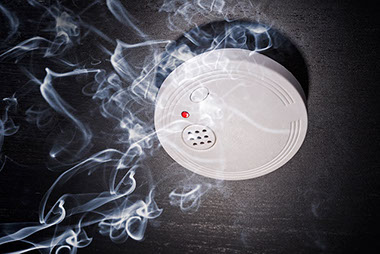
    Image of smoke around a smoke detector.

    Smoke detectors save lives. But if a smoke detector is placed in the wrong spot or not maintained, it may be useless in a fire.

    To install and maintain smoke detectors:

    *  Install at least one smoke detector on each level of your house. Best locations are in hallways and just outside bedroom doors.

    *  As an added safety measure, install two types of smoke detectors. The photoelectric cell variety detects smoldering fires, and the ionization type detects hot, flaming fires. Check for a UL (Underwriters Laboratory) emblem on the label to be sure the detectors you buy meet industry standards. And make sure they each come with a warranty, in case they’re defective.

    *  Affix detectors on the ceiling or high on an interior wall, because smoke and heat rise.

    *  Once a month, check the detectors to make sure the batteries still work. Most detectors have a test button. If you push the button and hear a beep, the batteries are good. If you hear a chirping sound, the batteries need to be replaced. (To be safe, you should replace the batteries annually, whether the malfunction signal goes off or not. To help you remember, choose an annual holiday, like New Year’s Day, as replacement time.)

    *  To make sure the sensing chamber works, you should also test the device with a lit match or candle.

    *  Be sure the alarm rings loudly enough to alert your family.

    *  Most smoke detectors last three to five years. Replace as needed.

    A Year of Health Hints book by the American Institute for Preventive Medicine. www.HealthyLife.com. All rights reserved.

    © American Institute for Preventive Medicine
  • Pregnancy Tests

    Pregnancy & Prenatal Care

    How can you find out for sure if you are pregnant? Do a home pregnancy urine test. You can do one yourself. Facts about these tests:

    *  They test for a hormone called HCG. HCG is present in the urine only during pregnancy.

    *  You can buy them over-the-counter. Look for them at the drug store or supermarket.

    *  They are 95 to 100% error-free. But you have to do what the label says.

    *  They come in many brands. Some brands include a second test in the package.

    *  They are not all used the same way. Read the label to find out what to do. Some can be used the day after you miss a period. That’s about 14 days after conception. Some have you wait 3 to 5 days after you miss a period. Some have you use your first morning urine sample.

    {Note: If your test is positive, call your health care provider. Make a date to be seen. Ask what prenatal vitamins (vitamin pills) you should take. Do this if you are not already taking them. It is a good idea to start taking prenatal vitamins before you get pregnant and right at the start of pregnancy. Doing this, especially getting enough folic acid, may prevent some birth defects. Prenatal vitamins will supply the minerals you need, too.}

    *  Get a lab or in-office urine test. Ask your health care provider to order one. Facts about these tests:

    – They test for HCG in the urine.

    – They are nearly 100% error-free.

    – They can confirm pregnancy 7 to 10 days after conception.

    *  Get a blood test. Ask your health care provider to order it. Facts about these tests:

    – They test for HCG in the blood.

    – They are 100% error-free.

    – They can confirm pregnancy 7 days after conception. That’s even before you miss a period.

    Always follow up your pregnancy test with a medical exam. Your health care provider can see signs of pregnancy by or even before the 6th week!

    Prenatal Self-Care book by the American Institute for Preventive Medicine. www.HealthyLife.com. All rights reserved.

    © American Institute for Preventive Medicine