Tag: testing

  • Importance Of A Drug-Free Workplace

    WORK LIFE

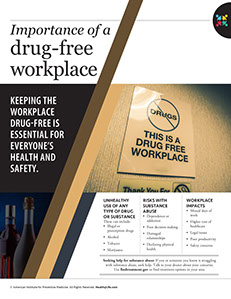
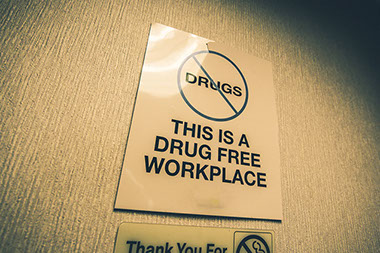
    Sign that says "This is a drug free workplace."

    Keeping the workplace drug-free is essential for everyone’s health and safety.

    Unhealthy use of any type of drug or substance

    These can include:

    *  Illegal or prescription drugs

    *  Alcohol

    *  Tobacco

    *  Marijuana

    Risks with substance abuse

    *  Dependence or addiction

    *  Poor decision making

    *  Damaged relationships

    *  Declining physical health

    Workplace impacts

    *  Missed days of work

    *  Higher cost of healthcare

    *  Legal issues

    *  Poor productivity

    *  Safety concerns

    Seeking help for substance abuse: If you or someone you know is struggling with substance abuse, seek help. Talk to your doctor about your concerns. Usefindtreatment.govto find treatment options in your area.

    © American Institute for Preventive Medicine

  • Hearing Loss

    Ear, Nose & Throat Conditions

    People over age 50 are likely to lose some hearing each year. The decline is usually gradual. About 30% of adults age 65 through 74 and about 50% of those age 85 and older have hearing problems.

    Hearing problems can get worse if they are ignored and not treated. People with hearing problems may withdraw from others because they may not be able to understand what others say. Hearing loss can cause an older person to be labeled “confused” or “senile.”

    Signs & Symptoms

    *  Words are hard to understand. This worsens when there is background noise.

    *  Certain sounds are overly loud or annoying.

    *  Hearing a hissing or ringing background noise. This can be constant or it can come and go.

    *  Concerts, TV shows, etc. are less enjoyable because much goes unheard.

    Causes

    Presbycusis (prez-bee-KU-sis). This is a gradual type of hearing loss. It is common with aging. With this, you can have a hard time understanding speech. You may not tolerate loud sounds. You may not hear high pitched sounds. Hearing loss from presbycusis does not cause deafness.

    *  Ear wax that blocks the ear canal.

    *  A chronic middle ear infection or an infection of the inner ear.

    *  Medicines (e.g., aspirin).

    *  Blood vessel disorders, such as high blood pressure.

    *  Acoustic trauma, such as from a blow to the ear or from excessive noise. Noise-Induced Hearing Loss (NIHL) can be from a one-time exposure to an extremely loud sound or to repeated exposure to loud level sounds.

    *  Ménière’s disease. This is a problem of the inner ear. The hearing loss comes and goes. Dizziness is also a symptom.

    *  Small tumors on the auditory nerve. Brain tumor (rarely).

    Treatment

    *  Earwax is removed by a health care provider.

    *  Hearing aid(s). These make sounds louder.

    *  Speech reading. This is learning to read lips and facial expressions.

    *  Auditory training. This helps with specific hearing problems.

    *  Surgery. This can be done if the problem requires it.

    Questions to Ask

    Self-Care / Prevention

    For Gradual, Age-Related Hearing Loss

    *  Ask people to speak clearly, distinctly, and in a normal tone.

    *  Look at people when they are talking to you. Watch their expressions.

    *  Try to limit background noise when speaking with someone.

    *  In a church or theater, sit in the 3rd or 4th row with people sitting around you.

    *  Install a flasher or amplifier on your phone, door chime, and alarm clock.

    To Hear Sounds Better

    *  Use a hearing aid. There are many kinds. Examples are ones worn:

    – In-the-Ear (ITE).

    – Behind-the-Ear (BTE).

    – In-the-Canal (ITC).

    *  To find the hearing aid that works best for you, see an audiologist. Ask him or her about a trial period with different hearing aids to find one you are comfortable with.

    *  Use devices and listening systems that help you hear better when you use your telephone, mobile phone, TV, stereo, etc.

    To Clear Earwax

    Use only if the eardrum is not ruptured. Check with your doctor if you are not sure.

    *  Lie on your side. Using a syringe or medicine dropper, carefully squeeze a few drops of lukewarm water into your ear (or have someone else do this). Let the water remain there for 10 to 15 minutes and then shake it out. Now, squeeze a few drops of hydrogen peroxide, mineral oil, or an over-the-counter cleaner, such as Debrox, into the ear. Let the excess fluid flow out of the ear.

    *  After several minutes, put warm water in the ear again. Let it stay there for 10 to 15 minutes. Tilt the head to allow it to drain out of the ear.

    Repeat this entire procedure again in 3 hours if the earwax has not cleared.

    Resources

    American Speech-Language Hearing Association

    800.638.8255

    www.asha.org

    Better Hearing Institute

    800.EAR.WELL (327.9355)

    www.betterhearing.org

    Healthier at Home book by the American Institute for Preventive Medicine. www.HealthyLife.com. All rights reserved.

    © American Institute for Preventive Medicine

  • Hiv/Aids

    Sexual Health

    HIV stands for human immunodeficiency virus. AIDS is acquired immune deficiency syndrome. It is caused by HIV. The virus destroys the body’s immune system. This leaves a person unable to fight off diseases. The virus also attacks the central nervous system causing mental problems. One million people in the U.S. have HIV, but about 25% of them do not know they have it. People ages 15 to 65 are advised to be screened for HIV.

    Signs & Symptoms

    Many people have no symptoms when first infected with HIV. Within a month or two, some people have flu-like symptoms. These include fever, fatigue, headache, and swollen glands in the neck and groin. These symptoms usually go away within a week to a month. They are often mistaken for other infections.

    In adults, symptoms of HIV may take a few months to 10 or more years to appear. In children born with HIV, symptoms appear within 2 years.

    Symptoms of HIV Before the Onset of AIDS

    *  Swollen glands.

    *  Fatigue. Weight loss.

    *  Fever and sweating that occur often.

    *  Skin rashes that persist. Flaky skin.

    *  Infections. These include herpes, shingles, and yeast infection.

    *  Short-term memory loss.

    *  Getting sick often. Slow growth in children.

    AIDS is the most advanced stage of HIV. With AIDS, a low level of cells in the blood called T4 cells occurs. Persons with AIDS get many illnesses. These include skin infections, pneumonia, and cancer.

    Symptoms of AIDS

    *  Extreme fatigue. Weight loss.

    *  Severe and chronic diarrhea.

    *  Fever. Severe headaches.

    *  Shortness of breath. Coughing. A hard time swallowing.

    *  Abdominal cramps. Nausea. Vomiting.

    *  Lack of coordination. Vision loss.

    *  Mental status changes. Seizures. Coma.

    Causes

    HIV is spread when body fluids, such as semen and blood, pass from an infected person to another person. This includes having unprotected sexual contact and/or sharing drug needles.

    Infected females can give HIV to their babies during pregnancy, birth, or breast-feeding. The risk of the baby getting HIV is lowered a great deal if the female takes antiviral medicines during the pregnancy and delivery. The baby takes medicine the first six weeks of life, too.

    HIV is not spread from donating blood, touching, hugging, or (dry) kissing a person with HIV. A cough, a sneeze, tears, sweat, or using a hot tub, or public restroom does not spread HIV either.

    Treatment

    A rapid oral HIV test and blood tests detect antibodies to HIV. There is no cure for AIDS, but treatment helps the immune system fight HIV, infections, and cancers that can occur with it. Treatment includes medications (often used in multidrug combinations) and treating infections.

    Questions to Ask

    Self-Care / Prevention

    *  Take medication as prescribed.

    *  Take steps to reduce the risk of getting infections and diseases. Get enough rest. Eat healthy foods. Take vitamins and minerals as advised by your doctor.

    *  Get emotional support. Join a support group for persons infected with HIV. Let your family and friends know how they can help you.

    To Reduce the Risk for HIV

    *  Follow Safer Sex.

    *  Don’t share needles with anyone. Don’t have sex with people who use or have injected illegal drugs.

    *  Don’t share personal items that have blood on them, such as razors.

    *  Don’t have sex with people who are at high risk for HIV:

    – Persons with multiple sex partners or who inject illegal drugs.

    – Partners of persons infected or exposed to HIV.

    – Persons who have had multiple blood transfusions, especially before 1985, unless tested negative for HIV.

    Resources

    AIDSinfo

    800.HIV.0440 (448.0440)

    www.aidsinfo.nih.gov

    CDC National AIDS Hotline (NAH) and National STD Hotline

    800.CDC.INFO (232.4636)

    www.cdc.gov/std

    Healthier at Home book by the American Institute for Preventive Medicine. www.HealthyLife.com. All rights reserved.

    © American Institute for Preventive Medicine

  • Hiv/Aids 2

    Women’s Health

    HIV stands for human immunodeficiency virus. AIDS is acquired immune deficiency syndrome. It is caused by HIV. The virus destroys the body’s immune system. This leaves a person unable to fight off diseases. The virus also attacks the central nervous system causing mental problems.

    Signs & Symptoms

    When first infected with HIV, many people have no symptoms. Within a month or two, some persons have flu-like symptoms (e.g., fever, fatigue, headache, and swollen glands). These symptoms usually go away within a week to a month. They are often mistaken for other infections. In adults, symptoms of HIV may take months to 10 or more years to appear. In children born with HIV, symptoms appear within 2 years.

    Symptoms of HIV Before the Onset of AIDS

    *  Fatigue. Weight loss.

    *  Swollen glands.

    *  Fever and sweating. These occur often.

    *  Skin rashes that persist. Flaky skin.

    *  Getting sick often.

    *  Short-term memory loss.

    *  Infections. These include herpes, shingles, and yeast infections.

    In Women, Signs that HIV Could be Present Include:

    *  Chronic vaginal yeast infections.

    *  Abnormal Pap test from HPV exposure in the past.

    *  Cervical cancer.

    *  Pelvic inflammatory disease (PID).

    *  Some sexually transmitted infections, such as human papillomavirus (HPV). {Note: HPV can be present without HIV. Testing confirms its presence.}

    AIDS is the most advanced stage of HIV. With AIDS, there is a low level of cells in the blood called T4 cells. Persons with AIDS get many illnesses. These include skin infections, pneumonia, and cancer. These conditions are what lead to death.

    Symptoms of AIDS

    *  Extreme fatigue. Weight loss.

    *  Severe and chronic diarrhea.

    *  Fever. Severe headaches.

    *  Shortness of breath. Coughing. A hard time swallowing.

    *  Abdominal cramps. Nausea. Vomiting.

    *  Lack of coordination. Vision loss.

    *  Mental status changes.

    *  Seizures. Coma.

    Causes

    HIV is spread when body fluids, such as semen or blood, pass from an infected person to another person. This includes having sex without a latex or polyurethane condom and/or sharing drug needles.

    Infected females can give HIV to their babies during pregnancy, delivery, and breast-feeding. The risk of the baby getting HIV is greatly lowered if the mother takes antiviral medicines during the pregnancy and delivery. The baby takes medicine the first six weeks of life, too.

    High Risk Activities for HIV Infection

    *  Anal, oral and/or vaginal sex without a latex or polyurethane condom, unless you limit sexual contact to one person and neither of you is infected with HIV. High risk situations are having sex:

    – When drunk or high. (Judgement is impaired.)

    – With multiple or casual sex partners or with a partner who has had multiple sex partners.

    – With a partner who has used drugs by  injection or is a bisexual male.

    – When you or your partner has signs and symptoms of a genital tract infection.

    *  Sharing needles and/or “the works” when injecting any kind of drugs.

    *  Having had blood transfusions, especially before 1985, unless tested negative for HIV.

    *  Prolonged, open-mouth kissing with a person infected with HIV.

    Blood screening tests are also done on donated blood which makes it highly unlikely that you’d get HIV from current blood transfusions. You cannot get HIV from:

    *  Donating blood.

    *  Casual contact, such as touching, holding hands, hugging, and dry kissing.

    *  A cough, sneeze, tears, or sweat.

    *  An animal or insect bite.

    *  A toilet seat. Using a hot tub or swimming.

    Treatment

    There is no cure for AIDS. Treatment includes:

    *  Medications. Multi-drug combinations are used.

    *  Measures to reduce the risk of infections and diseases (e.g., rest, proper nutrition, and vitamin supplements, as advised).

    *  Emotional support.

    *  Medical treatment for infections and chronic problems.

    Questions to Ask

    Self-Care / Prevention

    Someday, a cure for HIV/AIDS may exist. For now, prevention is the best protection. Take these steps:

    *  Unless you are in a monogamous relationship in which you and your partner are HIV free, use male latex or polyurethane condoms every time you have sex.

    *  Don’t have sex with people who are at high risk for HIV. These are:

    – Persons with multiple sex partners.

    – Persons who inject illegal drugs.

    – Partners of persons infected or exposed to HIV.

    – Persons who have had multiple blood transfusions, especially before 1985, unless tested negative for HIV.

    *  Ask specific questions about your partner’s sexual past (e.g., have they had many partners or unprotected (no condom) sex?). Ask if they have been tested for HIV and if the results were positive or negative. Be aware, though, that the response may not be an honest one. You need to protect yourself! Get tested for HIV. Ask your partner to get tested, too. If you have been exposed to HIV, use prevention measures or avoid sex until you get tested for it.

    *  If you’ve had sex with someone you suspect is HIV positive, see your doctor.

    *  Don’t share needles with anyone. This includes illegal drugs, such as heroin, as well as, steroids, insulin, etc.

    *  Don’t share personal items that have blood on them, such as razors.

    *  Plan ahead for safer sex. Decide what you’ll say and be willing to do ahead of time with a potential sex partner.

    *  Keep a supply of condoms handy (e.g., in your purse, by the bed, in your pocket, etc.). Know the correct way to use them. Putting the condom on your partner can be a part of foreplay.

    *  Don’t have sex when your judgement is impaired, such as while under the influence of drugs or alcohol.

    *  Avoid sex if either partner has signs and symptoms of a genital tract infection.

    Detection

    A rapid oral HIV test and blood tests detect antibodies to HIV. Get tested for HIV at doctors’ offices, clinics, and health departments or use a home test and counseling service, such as Home Access. You can buy this over-the-counter, by phone at 800.HIV.TEST (448.8378), or online atwww.homeaccess.com.

    Resources

    National AIDS Hotline

    800.CDC.INFO (232.4636)

    AIDS Info

    800.HIV.0440 (448.0440)

    www.aidsinfo.nih.gov
    Women's Self-Care book by the American Institute for Preventive Medicine. www.HealthyLife.com. All rights reserved.

    © American Institute for Preventive Medicine

  • Gbs: Get Tested, Get Treated

    MEDICAL NEWS

    Image of pregnant women at the doctors office.

    GBS is a bacteria that can be dangerous for pregnant women and their babies.

    About 1 in 4 pregnant women have GBS in their bodies, but they may not know it. That’s because GBS doesn’t always make the mother sick. But, if GBS is passed to her newborn during labor and delivery, the baby can become very sick. GBS can cause:

    *  Pneumonia

    *  Sepsis (blood infection)

    *  Meningitis (infection in the fluid around the brain)

    *  Premature birth

    *  Stillbirth

    Testing for GBS

    Many women have GBS because it’s a normal part of the body’s bacteria. You don’t get GBS from another person. It may live in the body for years without any signs. That’s why all pregnant women should be tested for GBS between 35 and 37 weeks of pregnancy.

    If the test is positive for GBS, the mother should get antibiotics during labor and delivery. The antibiotics are given through an IV. This is a safe and effective way to prevent serious GBS infection in the baby.

    Babies most at risk

    Not all babies get sick from GBS. But, because GBS can be life-threatening, every mother should be tested and treated to avoid spreading this bacteria.

    Some babies may be more at risk of serious health problems from GBS. This is more likely to happen if:

    *  The baby is born before 37 weeks of pregnancy

    *  The mother’s water breaks 18 hours or more before the baby is born

    *  The mother has a fever during labor

    *  The mother had a urinary tract infection during pregnancy that was caused by GBS

    *  The mother had a previous baby with a GBS infection

    GBS can make a baby sick even if none of these risk factors happen.

    Signs of GBS in babies

    With proper testing and treatment, GBS can be prevented. But, it’s important to know the signs of GBS infection in a baby. Get treatment right away if you notice any of these signs in your baby:

    *  Fever

    *  Breathing problems

    *  Being very drowsy

    *  Coughing or congestion

    *  Trouble eating

    These symptoms don’t mean a baby has GBS. But, any unusual signs in a baby should be checked by a doctor right away.

    Sources: Centers for Disease Control and Prevention, Group B Strep International, March of Dimes

    © American Institute for Preventive Medicine

  • You May Need To Get Tested For Hepatitis C

    MEDICAL NEWS

    Image of doctor talking to a patient.

    An estimated 3.2 million Americans are infected with chronic hepatitis C, a viral infection of the liver. Among those are larger numbers of Veterans and baby boomers.

    The CDC recently recommended that all baby boomers in the U.S. (those born between 1945 and 1965) get a simple one-time blood test for hepatitis C. They estimate that this testing could identify more than 800,000 additional people with the disease.

    Here’s what we know:

    *  Chronic hepatitis C won’t go away on its own.

    *  Many people living with hepatitis C are not aware they have the condition and may go years without showing symptoms. Hepatitis C is treated with a combination of medications.

    *  The rate of hepatitis C among people born in 1945 through 1965 is about 4%, compared to about 1% among other Americans. That difference is likely due to risky behaviors among this group.

    *  You can get hepatitis C from infected blood or body fluids. Today, the most common way people get infected is by needle-sharing during intravenous drug use. Most new infections occur among drug users. In addition, an infected pregnant woman can infect her unborn baby.

    *  Since 1992, when reliable blood screening procedures became available, the risk of transmission of hepatitis C by blood transfusion has fallen to less than one per million units of transfused blood, according to the CDC. Rarely, the virus can be transmitted through sexual intercourse.

    *  Hepatitis C is not transmitted through shaking hands, coughing, sneezing, breastfeeding, or sharing cups and utensils.

    *  Hepatitis C can cause serious liver problems.

    © American Institute for Preventive Medicine