Tag: timing

  • Want To Have A Baby? Try This

    Pregnancy & Prenatal Care

    Image of happy couple looking at positive pregnancy test, while male is making a phone call.

    Many couples don’t conceive as quickly as they’d like to. You can improve your chances of getting pregnant if you follow these measures.

    *  Avoid alcohol, tobacco, and marijuana.

    *  Avoid foods and beverages that contain caffeine.

    *  Avoid extreme overweight or underweight.

    *  Lie on your back with your hips elevated by a pillow for approximately 30 minutes after intercourse.

    *  Know when your ovaries release eggs. Time intercourse for your fertile period. Ovulation normally occurs 14 to 16 days after the start of your period. Signs of ovulation include a dull ache in either the lower right or left side of the abdomen; clear, elastic vaginal mucus; and a slightly elevated temperature.

    You can buy an ovulation predictor kit at most drugstores. The kit contains sticks which, when dipped in urine, turn blue if you’re ovulating.

    Or you can keep track of your fertile days with a special basal thermometer, also available at drugstores. Having intercourse when your temperature drops approximately 0.4ºF increases your chances of conception.

    If you fail to conceive after one year of trying, consult your gynecologist or a fertility specialist. A number of factors can prevent conception.
    A Year of Health Hints book by the American Institute for Preventive Medicine. www.HealthyLife.com. All rights reserved.

    © American Institute for Preventive Medicine
  • Exercise And Eating

    Healthylife® Weigh

    Part 5

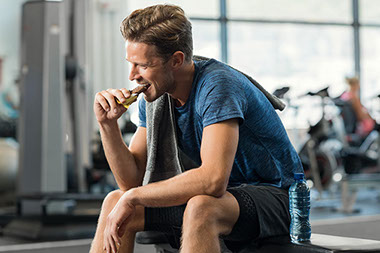
    Man eating a power bar at the gym.

    Exercise is not a solution for overeating or for eating unhealthy foods. Avoid treating exercise as a way to “make up” for eating more than your body needs. This can lead to feelings of guilt. It can also make exercise feel like a punishment.

    We tend to overestimate the calories burned through exercise and under-estimate the calories in food. The number of calories burned during exercise also varies from person to person. Factors like age, gender, and physical fitness can increase or decrease the caloric burn. The number in a chart or on a cardio machine monitor may not be accurate for you.

    Pre-Workout Eating

    You don’t have to eat before working out early in the morning, but it may give you more energy and help your body recover faster.

    Eat foods low in fat and fiber that can be digested easily. Include small amounts of protein in your pre-workout meals and snacks. This will help reduce muscle soreness. Experiment to find out what works best for you and allows you to feel your best.

    Pre-workout snack ideas (30-60 minutes before exercise):

    *  Piece of fruit

    *  Low-fat or non-fat yogurt

    *  Trail mix

    *  Whole-wheat toast with banana slices

    *  Smoothie with plain yogurt, frozen berries, and protein powder

    *  Oatmeal with fresh fruit

    Post-Workout Eating

    Exercise can increase your appetite. Your body wants to replace the calories you burned during exercise. Avoid overeating after exercise.

    Eat foods rich in protein, fiber, and healthy fats. Drink water to replenish fluids.

    Post-workout snack ideas (within 2 hours of exercise):

    *  Smoothie with plain yogurt, frozen berries, protein powder and avocado

    *  Banana with peanut butter

    *  Whole-wheat pita with turkey and veggies

    *  Protein bar (choose a bar with fewer than 5g of sugar)

    *  String cheese, apple, and whole grain crackers

    *  Veggie omelet with avocado

    If you are close to your normal meal time, just have that. Or, if you are not close to your normal meal time, have a small snack.

    © American Institute for Preventive Medicine
  • Plan A Balanced Day

    Healthylife® Weigh

    Part 2

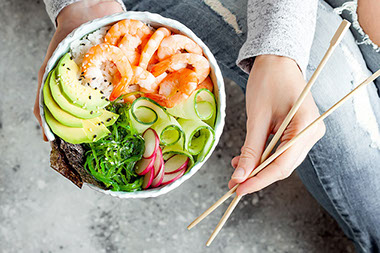
    Person holding a shrimp bowl with seaweed, avocado, cucumber, radish, sesame seeds.

    1. Select a healthy eating plan based on the calorie needs you identified. Or, follow these guidelines:

    – Plan A: best suited for women who are currently less active and want to lose more than 10-15 pounds. This calorie level is generally too low for men.

    – Plan B: best suited for women who are moderately active and for men who are less active and want to lose more than 10-15 pounds.

    – Plan C: best suited for men and for women who are very active and need to lose less than 10 pounds.

    2. Learn how much to eat from each food group. Meet, but don’t go over, your goals for each food group.

    3. Make healthier choices within each group. Choose nutrient-dense foods that meet your body’s needs.

    4. Make changes, as needed, to your plan. Meet your goals while having enough energy to do your favorite activities.

    5. Plan activity: Be physically active for at least 2 ½ hours (150 minutes) per week. You can do this for 5, 10, 15, 20, or 30 minutes at a time.

    © American Institute for Preventive Medicine
  • Plan A Balanced Day 2

    Healthylife® Weigh

    Menus & Recipes

    Person holding a shrimp bowl with seaweed, avocado, cucumber, radish, sesame seeds.

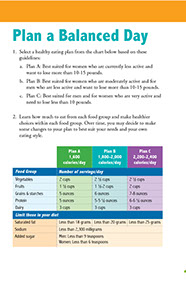
    1. Select a healthy eating plan from the chart below based on these guidelines:

    a. Plan A: Best suited for women who are currently less active and want to lose more than 10-15 pounds.

    b. Plan B: Best suited for women who are moderately active and for men who are less active and want to lose more than 10-15 pounds.

    c. Plan C: Best suited for men and for women who are very active and need to lose less than 10 pounds.

    2. Learn how much to eat from each food group and make healthier choices within each food group. Over time, you may decide to make some changes to your plan to best suit your needs and your own eating style.

    © American Institute for Preventive Medicine

  • Best Snacks To Eat Before And After Exercise

    HEALTHY EATING

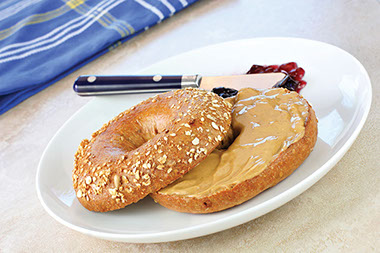
    Image of a whole grain bagel with a peanut butter spread.

    Pick the right foods that give the most energy regardless of your activity level. Carbohydrates are the first responders to the body’s need for energy during exercise. Protein and fat are not nearly as efficient.

    Hit the trail or the gym with the following healthy food ideas before and after your workout, suggests Anita Kobuszewski, RD, author of Food: Field to Fork, How to Grow Sustainably, Shop Wisely, Cook Nutritiously, and Eat Deliciously:

    *  Whole-grain bagel with peanut butter and yogurt

    *  Thin-crust pizza with green peppers

    *  Granola with low-fat milk and banana

    *  Trail mix with nuts and dried fruit (see Walk the Trail Mix recipe)

    *  Instant oatmeal made with low-fat milk

    *  Bran or corn muffin with egg whites and salsa

    *  Fig bars with peanut butter and juice

    © American Institute for Preventive Medicine
  • Fueling Your Workout The Healthy Way

    BE FIT

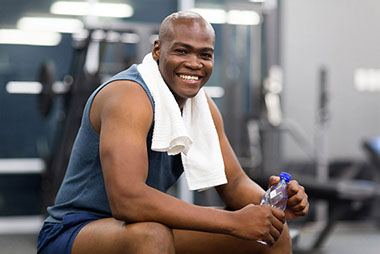
    Image of man at the gym.

    Food is your body’s fuel. When it comes to exercise, healthy food can power you through a workout session, while less healthy food can leave you feeling flat.

    Finding the right pre-workout foods doesn’t have to be complicated. Listen to your body and keep track of your diet. This can help you discover what you should eat – and avoid eating – when you want to make the most of your exercise time.

    No “quick fixes”

    Though many products on the market claim to boost energy and performance, many of them aren’t as healthy as nutritious, whole foods. Some energy bars and drinks contain high levels of sugar, caffeine and other additives. These may give you a quick “jolt,” but when your blood sugar drops and the caffeine wears off, you could feel sluggish or downright exhausted.

    Is timing everything?

    Some athletes swear by eating 30 minutes before a workout. Others experience cramping or tiredness if they eat too close to when they exercise.

    If you’re doing an intense workout, such as running or high-impact aerobics, you may need to give your body longer to digest a meal. But lower-intensity activities, such as walking or gardening, may be more enjoyable if you’ve had a small meal first.

    Healthy pre-workout choices

    Whole foods are often a great choice pre-workout – and in daily life. But don’t stick to fruits and vegetables only. The body needs some protein and fat to make energy. Try avocados, nuts, seeds, eggs, fish or beans with some fruit or veggies. If you’re going to exercise within the hour, make it a smaller portion.

    Skip sugary treats, sweetened beverages, and energy bars and drinks. Drink plenty of water before your workout and continue to drink during and afterward. If you’ll be sweating excessively, a sports drink may be advised – but make water the drink of choice most of the time.

    Coffee and exercise – a good match?

    Some people find they have a better workout after they’ve had their morning cup of joe. This can be helpful for those who already drink coffee, but it’s not for everyone. Coffee can dehydrate you, so drink plenty of water. And, if you don’t already drink caffeinated beverages, you could end up jittery or anxious. If your doctor has told you to avoid caffeine, don’t try this.

    Consuming the right foods at the right time may help you feel your best during and after your workout.

    © American Institute for Preventive Medicine
  • Minutes Count With A Stroke

    MEDICAL NEWS

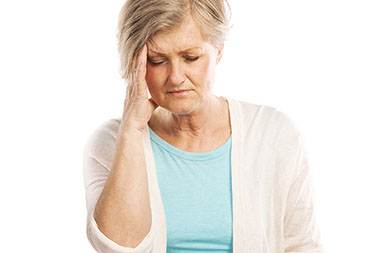
    Image of older women with hand on head.

    If someone were having a stroke, would you recognize the signs? Would you know what to do?

    These are important questions to consider. During a stroke, brain cells are damaged due to a blood clot or rupture of a blood vessel in the brain. This can lead to serious disability and death.

    According to the National Institute of Neurological Disorders and Stroke, about 795,000 strokes occur every year. It is the third leading cause of death in the U.S. But with fast action, you might save someone from permanent brain damage.

    Preventing stroke

    Health problems like atrial fibrillation (an irregular beating of the heart), high cholesterol, high blood pressure, heart disease and diabetes increase your risk. Take medicines to control risk factors and follow a heart-healthy lifestyle. Eat right, exercise, limit alcohol and don’t smoke. See your doctor as recommended for health exams and screenings.

    Aspirin may help reduce the risk of stroke due to a blood clot in women ages 55-79 years, but you should discuss the use of aspirin with your doctor before taking it.

    Know the signs of stroke

    The five most common signs and symptoms of stroke:

    *SUDDENnumbness or weakness of the face, arm or leg

    *SUDDENconfusion, trouble speaking or understanding others

    *SUDDENtrouble seeing in one or both eyes

    *SUDDENdizziness, trouble walking or loss of balance or coordination

    *SUDDENsevere headache with no known cause

    What to do

    Call 9-1-1 immediately. Hospital emergency rooms have medication that can dissolve blood clots and restore blood flow to the brain. The window of opportunity is three hours, but in order to receive treatment in time, patients must get to the hospital within 60 minutes. Don’t wait – if you see signs of stroke, seek emergency medical care!

    © American Institute for Preventive Medicine
  • Re-Freeze Foods Safely

    HEALTHY EATING

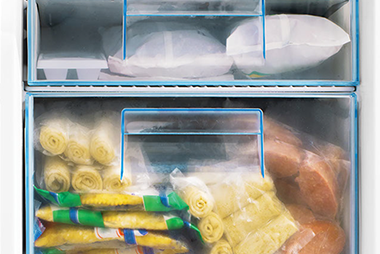
    Image of a freezer.

    It’s an old-wives’ tale that foods cannot be refrozen. But follow guidelines for safe food handling, according to the Partnership for Food Safety Education and the USDA.

    If raw foods such as meat, poultry, egg products, and seafood have been thawed in the refrigerator, then they may be safely re-frozen without cooking for later use. Never thaw raw foods by letting them sit on the kitchen counter. If raw foods are thawed outside of the refrigerator, for example in the microwave or in cool water, they should be cooked immediately. Never re-freeze raw or not fully cooked foods that have been thawed outside of the refrigerator.

    © American Institute for Preventive Medicine