SELF-CARE CORNER
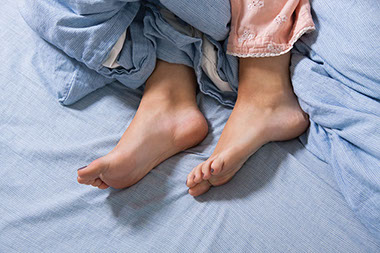
Do you feel a twitchy, jumpy feeling in your legs when you sit or lie down? Do you have an urge to move your legs when you go to bed at night? If so, you may have restless legs syndrome (RLS).
What is RLS?
RLS is known as a sleep disorder, although it can happen when you’re awake or asleep. It occurs when you’re resting or lying still, and is more common at night. Because it can interfere with sleep, RLS is linked to:
* Daytime sleepiness
* Memory problems or trouble concentrating
* Mood changes
* Job performance issues
* Problems with personal relationships
RLS affects people of any age, but tends to cause more problems in older adults.
What causes it?
RLS can run in families, especially if your symptoms began before age 40. Experts believe RLS may be related to a problem in the part of the brain that controls movement. It may be linked to certain health problems, including:
* Low iron in your blood (iron deficiency anemia)
* End-stage renal (kidney) disease
* Neuropathy (nerve damage)
Most of the time, though, there’s no clear cause of RLS.
Self-care tips for restless legs
You may be able to manage mild RLS at home. Try these tips:
* Avoid caffeine. Drinks like coffee, tea, energy drinks and cola usually contain caffeine.
* Don’t smoke. Ask your doctor if you need help quitting.
* Avoid alcohol.
* Get moderate exercise early in the day. Don’t exercise right before bedtime.
* Try relaxation techniques like deep breathing, meditation or yoga before bed.
* Make sleep a priority. Go to bed and get up at the same time each day. Aim for seven to eight hours of sleep each night.
See your doctor regularly and tell your doctor about any symptoms you’re having. You may also want to ask if you should get your iron levels checked. Doctors sometimes treat more severe cases of RLS with medications.
Sources: American Academy of Family Physicians, National Institute of Neurological Disorders and Stroke, Restless Legs Syndrome Foundation
© American Institute for Preventive Medicine