Tag: tinnitus

  • Ringing In The Ears

    SELF-CARE CORNER

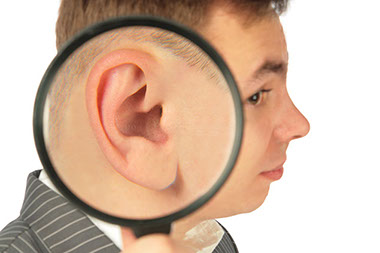
    Image of man holding a magnifying glass next to his ear.

    Developing tinnitus or ringing in the ears can be annoying at best. At worse, the condition can cause anxiety, depression, insomnia, and other serious medical issues. Tinnitus is often described as buzzing, ringing, hissing, humming, roaring, or whistling that someone hears. Imagine hearing something that seems to come from inside your head. More than 50 million people in the United States have the condition, according to the American Tinnitus Association.

    If you struggle with tinnitus, you may find help with these tips from Neuromonics:

    *Be good to yourself.Tinnitus can affect many areas of life.

    *Educate yourself.Tinnitus has several causes and affects each person differently. The more a tinnitus sufferer understands, the greater the chances of making the tinnitus less bothersome.

    *Educate others.Family members, friends, coworkers, and associates can benefit from understanding tinnitus and its effects. They can be more supportive if they understand the conditions that are difficult for a tinnitus sufferer.

    *Seek out support.A few individuals who understand the daily trials of tinnitus can be invaluable. Consider a formal support group-in-person or online-to find out about coping strategies.

    *Contact the ATA’s Support Networkatwww.ata.org/support.

    *Obtain counseling.For some people, a licensed therapist or counselor can help with techniques to make tinnitus symptoms less bothersome and with effects of tinnitus such as anxiety and depression.

    © American Institute for Preventive Medicine

  • Are Your Ears Ringing?

    WELL-BEING

    Women covering her ears with her fingers.

    Ringing in the ears, known as tinnitus, is not a disease. It’s a symptom of something wrong with your body’s hearing system. And, it may not be “ringing” at all. Some people hear sounds like roaring, hissing, clicking or buzzing.

    Experts think that tinnitus happens when certain nerve cells are out of balance. This makes a person hear a sound that isn’t really there.

    Why does it happen?

    Tinnitus can be caused by many different things. Some possible causes include:

    *  Certain medicines – see a doctor right away if this happens. Tinnitus can be a serious side effect.

    *  High blood pressure

    *  Being around loud noises

    *  Sinus infections

    *  Brain injuries

    *  Injuries to the neck or head

    * .  Anemia

    *  Thyroid problems

    *  Autoimmune diseases

    *  Temporomandibular joint (TMJ) disorders

    Sometimes a person has tinnitus without being able to identify an obvious cause.

    Can I make it stop?

    There is no cure for all types of tinnitus. But, if your doctor can find out what’s causing it, there may be a treatment to resolve the issue. For instance, you might need treatment for high blood pressure or a sinus or ear infection.

    Some people have tinnitus because they also have some hearing loss. That’s why using a hearing aid may be helpful in these cases.

    If there’s no obvious cause, other things may help. They include:

    *  Wearable sound generators. These small devices fit inside the ear. They create a soft, pleasant noise that helps you ignore the sound of tinnitus.

    *  White noise machines or sound machines. Some people notice tinnitus more at night. This is probably because when you’re lying down in a quiet room, the tinnitus is easier to hear. For these times, you may benefit from a machine that plays noise while you sleep to override the tinnitus sound.

    *  Antidepressants or anti-anxiety medicines. Some people have severe tinnitus that interferes with their life. Tinnitus can cause anxiety or depression. In these cases, medicine to treat these health conditions can help.

    If you notice sounds or ringing in your ears, see your doctor. They may be able to help you find a solution that improves your quality of life.

    Sources: American Tinnitus Association, National Institutes of Health

    © American Institute for Preventive Medicine