Tag: tips

  • Enjoy Thanksgiving Without Weight Gain

    HEALTHY EATING

    Family and friends sitting around the table having dinner.

    Most of us think of Thanksgiving as a huge meal where we enjoy our favorite foods. But you don’t have to feel guilty afterward. You can truly enjoy your holiday meal and hang on to your healthy habits.

    Don’t “save your appetite”

    Many people think that they should skip breakfast and lunch so they can be extra hungry for Thanksgiving dinner. This usually leads to extreme hunger and  overeating. In fact, you’ll probably eat much more than you would have done if you had eaten lunch!

    Instead of skipping meals, focus on eating very healthy meals early in the day to avoid feeling too hungry. This helps you make smart choices and control portion sizes when you show up for dinner.

    Enjoy every bite

    Start with smaller portions, and eat slowly while smelling and tasting each bite. We often overeat when we gobble food down quickly. We don’t truly enjoy it and experience how delicious it is. You can get just as much satisfaction and enjoyment from eating smaller portions.

    Small, slow and steady is key

    The appearance of food makes a difference in how much we eat. If you use a big plate, you may be more tempted to fill it up and eat more. It helps to start with a smaller plate.

    Put down your fork and wait a few minutes before getting second helpings. Give your stomach time to tell your brain that it’s full. You may find that you don’t need more food after all.

    Focus on colorful fruits and vegetables

    The fall harvest can be a great way to enjoy the season. Make your dish “to pass” a healthy plate of winter squash or baked apples (without added sugar). Or try roasted broccoli or cauliflower.

    If you’re hosting the meal, make sure you have lots of vegetables and fruits on the menu. For example, appetizers can be cut-up veggies, rather than chips.

    Don’t put healthy habits on “hold”

    The holidays are busy, but a 15-minute walk will help lower stress levels and burn a few calories. Keep exercise and healthy habits in mind, even if you decide to indulge in a few treats.

    Remember that one holiday slip-up doesn’t mean you have to give up your healthy eating or exercise plan! Get back on track tomorrow.

    Sources: Academy of Nutrition and Dietetics, American Heart Association

    © American Institute for Preventive Medicine

  • Get Grilled On Safety Tips

    HEALTHY EATING

    Man grilling food outside.

    Metal grill brushes pose dangers

    If you’ve ever used a grill, you know that it needs to be cleaned. Many people reach for a metal wire grill brush to remove stuck-on food and debris. But this could be a dangerous mistake.

    The American Medical Association says that wire grill brushes were responsible for more than 1,600 emergency room visits in just one year. These brushes have metal bristles that can break off and stick to the grill. They may be too small to see, so you don’t know they’re there. When you cook food on your grill, the tiny bristles can stick to the food.

    If someone accidentally swallows one of these metal bristles, they can be seriously injured. The bristles can cut the inside of the mouth, throat or tonsils. This could require emergency surgery.

    If you use a wire brush to clean the grill, be sure to wipe the grill off with a cloth afterward. Check the underside of the grill and lid for any bristles too.

    You can also avoid using wire brushes altogether. Instead, soak the grill parts in soapy water and clean with a sponge or a paint scraper. Some people use a ball of aluminum foil to scrape the grill.

    Be safe with your grill

    *  Propane (gas) and charcoal grills should only be used outside. Never use them inside a garage, barn or other building.

    *  Keep the grill well away from your deck railings, tree branches and house.

    *  Don’t let children or pets near the grill.

    *  Open the gas grill lid before lighting it.

    *  Keep charcoal fluid out of reach of children and pets.

    *  Do not add charcoal fluid or other flammable liquids to a fire. Use it only to get the grill started.

    *  Let charcoal cool completely before throwing it away.

    Source: National Fire Protection Association

    © American Institute for Preventive Medicine

  • Small Changes Your Heart Will Love

    MEDICAL NEWS

    Image of a basket filled with fruits and vegetables.

    You may know the basics of heart health that include a healthy diet, exercise, healthy weight, and avoiding tobacco. But, don’t let these major goals overwhelm you. Instead, take small steps each day that add up to big heart-healthy benefits.

    Say bye-bye to beige and eat the rainbow.

    Look at your plate’s color before you eat a meal. If it’s mostly browns, such as breads, pasta and meat, see if you can brighten it up with fruits and vegetables. Leafy greens, yellow peppers, carrots, blueberries and strawberries are just a few of the brightly colored foods that are great for your heart.

    Cut back on sodium when you can.

    If you’ve been eating salt for years, it can be hard to cut it out completely. But you may not taste the difference if you gradually replace some of the salt in your diet with herbs and spices without sodium. Cutting back on sodium can reduce your risk of heart attack, heart failure, and stroke. Many processed foods already contain high amounts of sodium, and adding salt to food greatly increases sodium intake for many people.

    Walk, if you can’t run.

    For many people, jogging, running, or other high-intensity workouts aren’t possible. Fortunately, you don’t have to choose a tough workout to get heart benefits. Start walking just a few minutes a day. Increase the amount of time you walk when you can until you are walking 30 minutes a day most days of the week. Brisk walking can be just as beneficial to your heart as running.

    If you use tobacco, keep trying to quit.

    Quitting tobacco is hard, and many people struggle to succeed. You may have strong urges to use tobacco or you may slip up and start again after you’ve quit. When this happens, be patient with yourself. Understand that many people have to quit several times before they’ve quit for good. When you quit, your heart – and your entire body – will start to heal. You’ll reduce your risk of heart disease, lung cancer, and many other serious diseases. Talk with your health care provider about prescription medication or nicotine replacement therapy.  Many of these treatments are now covered by insurance.

    Source: American Heart Association

    © American Institute for Preventive Medicine

  • Sure-Fire Ways To Prevent Hair Loss

    SELF-CARE CORNER

    Image of man examining hair line.

    You can head off hair loss by changing the way you care for your hair, say the experts from the American Academy of Dermatology.

    *  Do you vigorously towel dry your hair? Instead of rubbing wet hair, which is more elastic and vulnerable to breaking, wrap your hair in a towel to absorb the water or let it air dry.

    *  Do you brush or comb your hair when it is wet? If you have straight hair and are of Caucasian or Asian descent, try to comb and brush your hair only when it is dry. Otherwise, you can stretch the strands and cause them to break. People who have tightly curled or textured hair or are of African descent should comb or brush their hair when it is wet. Doing so decreases the chance of hair breakage.

    *  Do you use a blow dryer or curling iron? The high heat from a blow dryer can actually boil the water in the hair shaft leaving the hair brittle. Let your hair partially air dry before you style or comb it.

    *  Do you use styling products that promise a long-lasting hold? While these products may give your hair unbeatable hold, using a comb to style your hair after you apply the product often causes the hair to break. Over time, this can lead to major hair loss. Reduce the use of these products to lessen hair loss.

    *  Do you try to fit in 100 brush strokes per day? It is a myth that 100 strokes a day promotes healthy hair. Vigorous brushing can strip the ends of the hair, causing split ends.

    *  Do you color, perm, or relax your hair? All processes damage the hair and can cause dry, brittle strands.

    * Do you wear braids, a ponytail, or hair extensions? All of these styles pull on your hair and lead to breakage.

    *  Do you skip the conditioner? Use a conditioner after every shampoo. A conditioner cannot repair hair, but it can increase shine, decrease static electricity, improve strength, and offer some protection from harmful sun rays.

    © American Institute for Preventive Medicine

  • Talk Smart About Finances

    FINANCIAL HEALTH

    Image of young couple with laptop and piggy bank.

    Economic flux hurts more than our wallets. Financial woes can lead to emotionally damaging arguments among couples and put unnecessary strain on the family, said Josh Klapow, PhD, a clinical psychologist and professor at the University of Alabama at Birmingham. Dr. Klapow is the author of Living Smart:  5 Essential Skills to Change Your Health Habits Forever.

    He said financial discussions, and even disagreements, can have a positive impact on families struggling through uncertainty. The key is to make those discussions productive, not destructive. Dr. Klapow offers 5 talking tips:

    1.Keep a cool head.When your emotions are high-be it anger, sadness, frustration-thoughts get cloudy. Relax, breathe, wait 2-10 minutes, then start to talk.

    2.Start easy.Arguments often start because of a critical remark or an angry tone. Try to bring up problems and mistakes gently and without blame.

    3.Don’t assume.Talk about your feelings, not what you think your spouse or partner is feeling. Describe your feelings in first person with “I” and explain why.

    4.Think then speak.The goal of the conversation should be to problem-solve, not to win. Remember, once the words are out, you cannot take them back.

    5.Repair and recover.Don’t let the discussion get out of control. End on a positive, or at least neutral, note. Lean on patience, change the topic, or offer a positive comment to let the other person know you’re part of the same team.

    © American Institute for Preventive Medicine

  • Top Ten Recommendations For Cancer Prevention

    MEDICAL NEWS

    Image of doctor checking a women for skin cancer.

    1. Be as lean as possible without becoming underweight.

    2. Be physically active for at least 30 minutes every day.

    3. Avoid sugary drinks. Limit consumption of energy-dense foods.

    4. Eat more of a variety of vegetables, fruits, whole grains and legumes such as beans.

    5. Limit consumption of red meats (such as beef, pork and lamb) and avoid processed meats.

    6. If consumed at all, limit alcoholic drinks to 2 for men and 1 for women a day.

    7. Limit consumption of salty foods and foods processed with salt (sodium).

    8. Don’t use supplements to protect against cancer.

    9. It is best for mothers to breastfeed only for up to 6 months and then add other liquids and foods.

    10. After treatment, cancer survivors should follow these recommendations for cancer prevention.

    Source: American Institute for Cancer Research

    © American Institute for Preventive Medicine

  • Want To Eat Healthier?

    HEALTHY EATING

    Image of family eating dinner at the kitchen table.

    Then cook meals at home

    People who frequently cook meals at home eat healthier and consume fewer calories than those who cook less, according to Johns Hopkins Bloomberg School of Public Health research.

    “When people cook most of their meals at home, they consume fewer carbohydrates, less sugar and less fat than those who cook less or not at all-even if they are not trying to lose weight,” according to a study in Public Health Nutrition.

    © American Institute for Preventive Medicine

  • Tips For Myplate

    Healthylife® Weigh

    Part 2

    Middle aged man in kitchen about to prepare food.

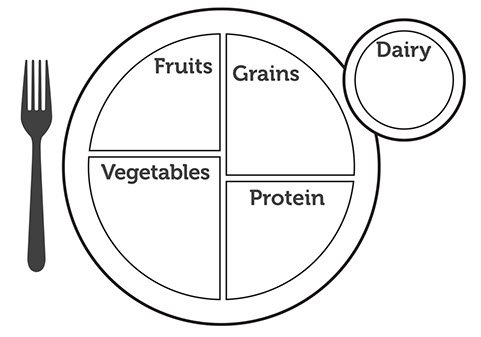
    This activity will go through each part of MyPlate.

    *  Learn how eating certain foods can help your body, energy level, and mood. Learn new ways to prepare foods.

    *  Enjoy foods that taste good to you. Eat new things that you want to try. Avoid eating foods just because you think you “should” eat them. Explore different ways to prepare and eat foods. Celebrate cultural traditions and foods that are special to you.

    *  Allow some room in your diet for less nutritious foods. Make this a small part of your diet. If you have too many less nutritious foods, it will be more difficult to manage weight.

    The chart on “Plan a Balanced Day” gives a whole day’s servings of different food groups. Write amounts from these groups from the plan you selected. Write them on a blank plate. Remember, these are totals for the day.

    © American Institute for Preventive Medicine

  • 10 Tips To Lower Your Risk For Colorectal Cancer

    SELF-CARE CORNER

    Image of older women smiling.

    UCLA experts encourage you to protect your colon health:

    1. Get regular colorectal cancer screenings starting at age 50 if you are at normal risk.

    2. Talk to your doctor about screenings before age 50 if you are at higher risk. This could be due to a personal or family history of colorectal cancer, other cancers or inflammatory bowel disease.

    3. Eat between 25 and 30 grams of dietary fiber each day. Fiber is in fruits, vegetables, whole-grain breads and cereals, nuts, and beans.

    4. Eat a low-fat diet. Colorectal cancer has been associated with diets high in saturated fat.

    5. Eat foods with the B-vitamin folate. Good sources are leafy green vegetables.

    6. Drink alcohol in moderation and quit smoking. Alcohol and tobacco in combination are linked to colorectal cancer and cancers of the stomach and intestines.

    7. Exercise for at least 20 minutes 3 to 4 days a week.

    8. Report to your doctor any persistent symptoms  such as:

    * Blood in the stool

    * A change in bowel habits

    * Weight loss

    * Narrower-than-usual stools

    * Abdominal pains or other gastrointestinal complaints

    9. Maintain a healthy weight.

    10. Get more information atwww.cancer.org(the American Cancer Society website).

    © American Institute for Preventive Medicine

  • 10 Ways To Avoid Holiday Weight Gain

    HEALTHY EATING

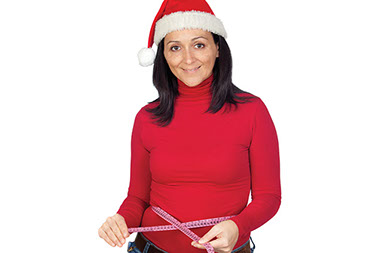
    Image of women wearing a santa hat while taking her waist measurement.

    It can be especially hard to avoid extra pounds when there’s holiday food everywhere you turn. Stick to the basics of healthy eating so you can make it to the new year without regrets.

    1.Drink more water:Drinking water before you eat may help you feel fuller and eat less.

    2.Skip the soda, hot cocoa and high-sugar coffee drinks:Replacing sugary drinks with water can help you lose weight.

    3.Get exercise:Even just a few minutes a day has health benefits and can help you burn calories.

    4.Eat fruits and vegetables:These foods are generally packed with nutrition and low in calories.

    5.Get enough sleep:Lack of sleep can cause more cravings for unhealthy foods.

    6.Listen to your body:Stop eating when you start to feel full, not when you’re stuffed.

    7.Start with small portions:Start with smaller amounts of food on your plate, and wait to see if you need more later.

    8.Keep a food diary:This helps you get a clear picture of what you’ve eaten.

    9.Don’t eat and watch TV:This can lead to mindless eating and consuming too many calories.

    10.Build muscle:Muscles help your body burn more calories, even when resting.

    © American Institute for Preventive Medicine