Tag: tips

  • 10 Ways To Get The Most Out Of Midlife

    SELF-CARE CORNER

    Image of couple dancing.

    Are your best years ahead? A national survey of women between the ages of 35 and 49, sponsored in partnership with the National Association of Nurse Practitioners in Women’s Health and Teva Women’s Health shows that more than three-quarters of women in midlife say the best years are ahead, not behind. Yet midlife is notoriously known as a time of crisis. Women’s health expert, Dr. Judith Reichman, tells how women are seizing the midlife moment and making new choices related to their health.

    If you have not already joined the ranks of women enjoying midlife, here are 10 ways to get the most out of these years:

    1. Don’t obsess about those 8 glasses of water each day. Drink when you are thirsty and when you are exercising briskly. Too much water reduces the impact of electrolytes and strains the bladder.

    2. Focus on family bonding. Often midlife crises for women are not an age phenomenon but rather due to the very significant changes that occur in the lives of our growing-up children and our maturing (we hope) partners.

    3. Spend more time with your partner. Don’t wait until the nest is already empty. This is the time to rediscover why you fell in love in the first place.

    4. Rev up the love life. You are free to go on dates with your partner-real dates!

    5. Periodically reevaluate your choice of birth control. The second-highest rates of unplanned pregnancies occur in midlife.

    6. Worry more about you. PMS gets worse with age, and work and family responsibilities continue to rise, so it is important to establish de-stressing routines, including setting aside time to exercise and visit with friends.

    7. Cut down on salt, reduce your caloric intact by 100-200 calories per day and boost your calcium and vitamin D intake. By midlife, most women are at high risk for high blood pressure and heart disease. Cutting salt can save your life and set up your family for healthy habits as they get older.

    8. Embrace your desire to sleep. Now is the time to develop good sleep habits to prepare you for the next stage of life as hormonal changes during menopause increase sleep troubles.

    9. Do something you thought you would never have time for. Take up a new hobby or go back to an activity you love-knitting, dancing, learning, or volunteering. Do something that makes you feel good about yourself.

    10. See your doctor. You have always made sure everyone else in the family gets a yearly check-up, but what about you? Schedule those yearly health screenings and don’t neglect your own health.

    Judith Reichman, MD, is an attending physician in gynecology at Cedars-Sinai Medical Center and author of Slow Your Clock Down: The Complete Guide to a Healthy, Younger You.

    © American Institute for Preventive Medicine
  • 4 Ways To Help Others With Diabetes

    MEDICAL NEWS

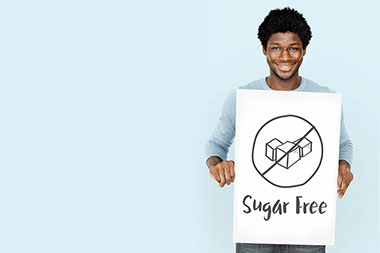
    Image of man holding a sign that says 'sugar free.'

    Diabetes affects millions of Americans. Although diabetes can be challenging, it can also be managed with proper health care.

    People with diabetes often need to change the way they eat and may need to exercise more and make other lifestyle changes. These changes can be hard for many people. But support from family and friends can make these things easier for them.

    If you have a loved one with diabetes, try supporting them with these tips.

    1.Learn about diabetes.If you understand the disease, you’ll be able to better understand what they’re going through. Use reputable sources like government health websites and the American Diabetes Association.

    2.Eat what they eat.Talk with your loved one about their diabetes eating plan, and buy foods they can eat. Avoid buying or eating foods that are “off limits” for them. This makes their diet easier and can also help improve your own health!

    3.Try exercising together.Walks, swimming, bike rides and trips to the gym can be more enjoyable with another person. Be sure the exercises you choose are safe for both of you, and ask your doctor first if you have any health conditions.

    4.Recognize signs of a problem.Get to know the signs and symptoms of blood sugar that is too high or too low (see sidebar on this page). You’ll be able to help your loved one get the help they need if this happens.

    Recognize blood sugar problems

    Signs of low blood sugar (hypoglycemia):

    *  Sudden mood changes or anger

    *  Feeling very tired, yawning

    *  Sweating or twitching

    *  Loss of coordination

    *  Inability to talk or think clearly

    *  Seizures

    *  Feeling faint or passing out

    If you notice signs of low blood sugar, offer the person a piece of sugary candy and take them to the emergency room. Or call 911.

    Signs of high blood sugar (hyperglycemia):

    *  Feeling very thirsty

    *  Extreme fatigue

    *  Blurred vision

    *  Having to urinate more than normal

    If a person is having high blood sugar too often, they should call their doctor right away. It needs medical attention.

    © American Institute for Preventive Medicine

  • Age Successfully

    SELF-CARE CORNER

    Image of older couple.

    Successful aging means more than good health. It means taking charge of your personal well-being so that you can continue to live a vibrant, independent life, regardless of your age, according to Dr. Terri Ginsberg of the Institute for Successful Aging at the University of Medicine and Dentistry of New Jersey.

    “Successful aging isn’t difficult, but it does require a personal commitment to active living,” says Ginsberg. To help them age successfully, Ginsberg recommends that adults of all ages follow these “10 Resolutions for Healthy Aging:”

    1.Sleep at night.Avoid frequent daytime naps, late night snacks or watching television in bed.

    2.Eat lots of colors.Vibrantly colored fruits and vegetables on your plate mean a healthy diet that keeps your body moving.

    3.Get checked out.Catch up on any health screenings your doctor has recommended and don’t forget eye and dental check-ups.

    4.Worry less.It really is possible to “worry yourself sick.” Excessive worrying can lead to high blood pressure, digestive problems, chronic headaches and unhealthy weight gain.

    5.Stay in touch.Living alone doesn’t mean being alone. Reach out to friends, neighbors and relatives.

    6.Move more.Exercise improves heart health, and good heart health helps prevent a range of related disorders, including blood clots and depression.

    7.Read more.You can “exercise your brain” with newspapers, books, magazines or puzzles.

    8.Laugh and sing.Is there a better way to enjoy life? And both will help you to worry less.

    9.Take control.Be proactive about your own health. Ask your doctor questions about your health and for advice on positive lifestyle changes.

    10.Get involved.Local organizations of all types need volunteers. Helping others is the best tonic for feeling good about yourself.

    © American Institute for Preventive Medicine

  • Eat Less Without Being Hungry

    HEALTHY EATING

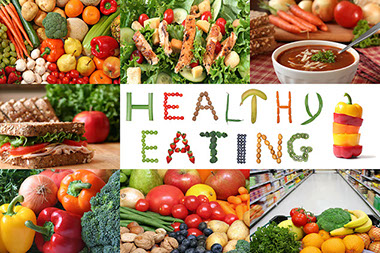
    Image of fruits, vegetables, soup and a sandwich with the words "Healthy Eating".

    If you’re trying to lose weight, you may already know that you need to cut calories. If you consume more calories than your body needs, it stores those extra calories as fat. To lose weight, you actually have to eat fewer calories than your body needs.

    But cutting calories isn’t always easy. Many people don’t stick with diets because of one main reason: hunger. The body’s hunger signals are nearly impossible to ignore. Your stomach growls, you feel tired, and you can’t concentrate. Over time, your hunger becomes harder to fight, and you may give up on your diet or overeat.

    It doesn’t have to be this way. You can eat enough food to stay satisfied while still cutting calories. Experts say it’s the amount and types of food you eat, not the number of calories that fills you up. The key is to choose “low-energy-dense foods,” or foods low in calories that can still satisfy your hunger, according to the CDC. In general, these types of foods have lots of water content, high fiber, and/or very little fat.

    Some of the best low-energy-dense foods include:

    *  Fresh fruits and vegetables

    *  Beans and legumes

    *  Low-fat or fat-free dairy foods

    *  Broth-based soups (not cream-based ones)

    *  Whole grains (look for whole grains and fiber on the food label)

    Think about a side-by-side comparison of low- versus high-energy-dense foods. One cup of french fries has 168 calories. But, one cup of salad with a tablespoon of low-calorie dressing has only 30 calories. You’ve just eaten the same amount of food, and slashed your calorie intake by more than 80 percent.

    It’s also a good idea to keep track of what you eat each day, so you have a clear picture of how many calories you’re consuming. The ChooseMyPlate website atwww.choosemyplate.govhas resources to help you focus on eating the right foods and making gradual, realistic changes to your diet for better health. No crash diets or hunger pangs are needed!

    © American Institute for Preventive Medicine

  • Eat Out, Eat Healthy: Here’S How

    HEALTHY EATING

    Image of sign that says 'Eating Out'

    Many people find that eating at restaurants can be hard on the diet. Restaurants usually offer an array of high-fat, high-sugar, and deep fried foods that can be tough to resist. But, eating out doesn’t have to be off limits.

    Before choosing what to eat, you need to decide where to eat. One of the best ways to stay on the healthy track is to do some research first. Many restaurants offer calorie counts and other nutrition information on their website. Check out which foods fall within your diet with regards to calories and fat. This can help you steer clear of foods that may seem healthy, such as certain salads, but are actually loaded with calories.

    And, making changes to dishes is a good way to get exactly what you want. Think about whether the restaurant:

    *  Will allow you to make substitutions without hassle or extra cost

    *  Uses healthier cooking methods, such as broiling, grilling, and baking instead of frying

    Once you’ve chosen your place, it’s time to pick your plate. Follow these guidelines for a healthy and enjoyable meal:

    *Don’t be afraid to ask questions.Ask the server about how a dish is prepared and what comes with it. Does it come with butter or oil? Can these items be placed on the side or taken off completely?

    *Eat slowly and watch portion sizes.Many restaurant portions are big enough for two meals. Consider splitting your meal with another person if this is allowed. Or, ask the waiter to box half of your meal right away.

    *If possible, ask for no salt to be added to your food.And, just say “no” to the salt shaker on the table.

    *Skip the pre-meal bread that often spoils your diet and appetite.Ask for no bread to be brought to the table.

    *Choose foods that taste good without being fried, such as grilled chicken, seafood, and fresh vegetables.

    *Watch out for drinks.Many beverages, such as lemonade, juices, and alcoholic drinks, are high in calories. Stick to water and drink plenty of it before and during the meal. This may help stave off hunger.

    *Be creative with dessert.Don’t look at the tempting dessert menu. Instead, ask for a bowl of fresh fruit if you’re craving something sweet. Or, keep sugar-free mints or gum with you to pop in your mouth after dinner.

    Source: American Diabetes Association

    © American Institute for Preventive Medicine
  • How To Put In Eyedrops

    SELF-CARE CORNER

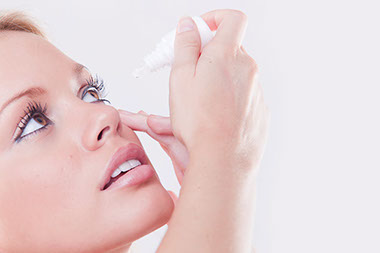
    Image of young women putting eyedrops into eye.

    *  Wash your hands with soap and water.

    *  Shake the eyedrop container gently. Make sure the prescription is for you. Check to see how many drops you are to put in and when.

    *  Remove the cap. Set it aside. Do not touch the dropper tip with your hand.

    *  Tilt your head back. With both eyes open, look at a point on the ceiling.

    *  Pull your lower lid down gently to form a pocket for the drop. Position the tip of the bottle less than an inch above your lower lid.

    *  Squeeze the bottle lightly to allow the drop to fall into the pocket.

    *  Close your eyes without squeezing them. Keep eyes closed for 30 seconds. Gently blot with a clean tissue.

    *  Replace the cap on the eyedrop bottle.

    *  Keep eyedrops out of sunlight.

    Other tips:

    *  Do not wear contact lenses while using eyedrops or ointments.

    *  If you have eyedrops and eye ointment, put in the eyedrops before the ointment.

    *  You may find this easier to do in front of a mirror or lying flat on your back.

    *  Check the bottle’s expiration date. Throw it away if outdated.

    Source: National Institutes of Health

    © American Institute for Preventive Medicine

  • How To Stop A Nosebleed

    SELF-CARE CORNER

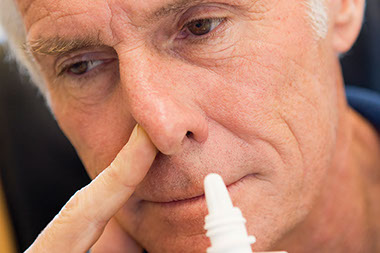
    Image of man using a nasal spray.

    When the furnace fires up and the humidity drops, the nose is most at risk. Nosebleeds can range from a simple, brief annoying amount of bleeding to life-threatening bleeding, according to Dr. Peter Shepard, an ear, nose, and throat expert.

    The nose has a collection of blood vessels called Kiesselbach’s plexus. This area is located at the front of the septum, the cartilage that divides the nose. Vessels from several different main trunks all meet in this spot and are very close to the surface. This is also the area of the nose that tends to dry out the most.

    If the surface cracks, the vessels will bleed. The size of the vessels determines how bad the bleeding is. People are more at risk if they have high blood pressure, take blood thinners, use oxygen, or have a deviated nasal septum.

    The best treatment for nosebleeds is avoiding them in the first place. Unless you can take an extended trip to Hawaii, you’ll want to work on improving the humidity inside your nose.

    Apply Vaseline at the front of your nostril twice a day. Saline spray can be kept with you and used throughout the day.

    If you do have a bleed, a few simple things will usually stop it.

    *  Apply pressure by squeezing the soft part of the nose between your thumb and index finger. Lean forward so you don’t swallow any blood (do not hold your head back, as some suggest).

    *  If that is not enough, oxymetazoline (Afrin) nasal spray can be a miracle drug for nosebleeds. It is a decongestant but works for nosebleeds since it causes blood vessels to tighten. Blow the blood out of the nose, spray twice, and then apply pressure for 15 minutes.

    *  If the bleeding won’t stop, go to the emergency room.

    © American Institute for Preventive Medicine

  • Life After Stroke: 9 Tips For Caregivers

    MEDICAL NEWS

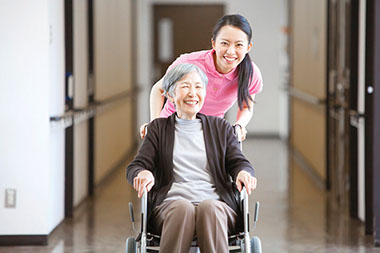
    Image of older women in wheelchair being helped by relative.

    A stroke can impact a person’s life in many ways. If you are caring for someone who recently had a stroke, you may be overwhelmed. With more than 7 million stroke survivors living today, you’re not alone. You can make life after a stroke a little easier for yourself and your loved one with these tips.

    1. Ask questions. If you’re not sure about a medication or other needs, talk to the doctor, nurse or therapist. Take notes, if possible.

    2. Focus on stroke prevention. People who have a stroke may be at higher risk of having another one. A healthy diet, exercise, regular doctor visits and taking medications as prescribed can help reduce this risk.

    3. Take falls seriously. People who have had a stroke may be more likely to fall. Seek medical care right away if a fall causes severe pain, a head injury, bruising or bleeding. Talk to a doctor if a fall happens more than once, even if it’s minor.

    4. Keep an eye out for problems like dizziness, balance problems or trouble walking. This may mean the person needs physical therapy to help with their recovery and improve their mobility.

    5. Keep track of progress. Stroke recovery may happen quickly, or it may take months or years. Write down progress your loved one has made each day or week. This can be helpful to the doctor during follow up visits.

    6. Be aware of depression. Up to 50 percent of stroke survivors get depression. This can harm their recovery. Talk to your loved one’s doctor if you notice they have symptoms like a loss of interest in activities, sadness or hopelessness.

    7. Don’t go it alone. A number of resources can help both you and your loved one with stroke recovery. Many support groups for survivors and their caregivers are available. Ask your case manager or social worker for help finding these groups.

    8. Know your loved one’s insurance benefits. There may be limits to how long insurance will pay for stroke rehabilitation. Be sure you are aware of the coverage limits and any costs. Ask your case manager or social worker if you’re not sure how to do this.

    9. Take a break when you can. Even the best caregiver needs some time off. Find a trusted friend or family member who can fill in for you. Try to get exercise, such as walking, to help combat stress and improve your sleep. A regular meditation practice may also help.

    Source: American Stroke Association

    © American Institute for Preventive Medicine