Tag: Tobacco Cessation

  • Review & Prepare 3

    Healthylife® QuitWell™

    Part 5

    Image of couple running.

    This section gave you more strategies to add to your quitting toolbox. By knowing more about yourself and what may trip you up, you can be more prepared to succeed when challenges arise. Taking a whole-body approach to quitting by adding exercise and healthy eating to your quit plan can also help you quit for good.

    *  Answer these questions as you review this section.

    *  What are your top 3 relapse triggers you will prepare for?

    *  What other lifestyle changes are you making to help improve your success with quitting?

    © American Institute for Preventive Medicine

  • Time Management 2

    Healthylife® QuitWell™

    Part 2

    Clock sitting on top of keyboard.

    Deciding to make a change and taking the steps to succeed will take some of your time. It’s an investment that will pay off down the road-it is worth it to take the time to plan and execute change.

    First, think of “time” management as “me” management. Time continues on, no matter how much we want it to slow down or speed up sometimes. The one thing you can work on is how you manage yourself given the time that you have.

    Look at how you currently spend your time. Get a piece of paper and write down how you spend each half hour of your day. A lot of this time may be sleeping or working, but there are probably blocks of time you have some flexibility (even if they are small).

    Think of quitting as a high-priority project that you would schedule into your day. Identify two 15-minute blocks of time that you could spend planning your day and what you are going to do when you have an urge. Try to make at least one of these blocks of time early in the day, as this will set the tone for the rest of your day.

    If you are having trouble finding a 15-minute block of time, look for the ‘low-hanging fruit’ in your day- time you spend doing things that are relatively mindless and don’t take a lot of thought. This could be when you are usually looking at your phone, watching TV, or walking the dog. Your dog will still need a walk, but this could be time you think through what you want the rest of your day to look like.

    Think about tomorrow-when can you spend 15 minutes reviewing the guide or thinking through your goals?

    © American Institute for Preventive Medicine

  • Smoking Triggers And How To Beat Them

    MEDICAL NEWS

    Cigarettes and nicotine gum.

    Many people have tried to quit smoking but couldn’t. There are many reasons for this, but one of them is because of triggers. A trigger is something that makes you want to smoke.

    Emotional triggers

    When you have certain emotions, you may get the urge to smoke. They may include feeling stressed, nervous, depressed or even bored.

    You can help stop these triggers by dealing with your emotions in other healthy ways. Try meditation, deep breathing or exercise to help manage stress and anxiety. Exercise is also a great way to beat boredom and fight depression. Listen to calming music or talk to a friend who can encourage you to keep up your efforts to quit.

    Pattern triggers

    Sometimes you’re used to smoking when you do something else, such as drinking coffee or alcohol. This is known as a pattern trigger. You may also like to smoke after eating or during a work break.

    Change your routine to help avoid these patterns. Chew your favorite gum, suck on a hard candy or mint or go for a walk. Try brushing your teeth after meals, coloring in an adult coloring book or squeezing a stress relief ball.

    Social triggers

    Many people want to smoke at bars, parties or when they’re with people who smoke. These can be powerful triggers for you to smoke.

    It’s best to avoid these triggers if you’re trying to quit. Instead, surround yourself with people who don’t smoke or who want you to quit. Try taking a class or find a hobby, such as painting or cycling.

    Withdrawal triggers

    Your body will crave nicotine when you quit smoking. Nicotine is very addictive and you may go through withdrawal. Withdrawal triggers include:

    *  Cravings for cigarettes or e-cigarettes

    *  Feeling like you need to do something with your hands or mouth

    *  Feeling restless or uncomfortable

    Withdrawal can be very difficult to manage. As with other triggers, spend time with people who don’t smoke and who want you to quit. Find things to do that have nothing to do with smoking. Avoid places or situations where you might see or smell cigarettes or vaping.

    Quitting is hard. But if you have support from your doctor, family and friends, you can do it. Millions of people have quit and you can too!

    Source: Smokefree.gov

    © American Institute for Preventive Medicine

  • Cutting Back

    Healthylife® QuitWell™

    Part 4

    Women smiling with 2 thumbs up.

    While there is no healthy level of tobacco/nicotine use, it can be helpful to cut back before quitting completely. This allows you to:

    *  Reduce the amount of tobacco/nicotine your body must process every day, reducing the damage and toxic load on the body.

    *  Practice strategies without the pressure of quitting completely.

    *  Build confidence as you show yourself how strong and capable you are with making changes.

    *  Get used to going through different times of the day without a cigarette/dip/vape.

    *  Learn which strategies are going to work for different triggers.

    *  Gradually change habits and how you respond to triggers.

    Remember, every less cigarette, dip, or vape gives your body a break.

    Cutting back can be helpful for all stages of quitting.

    *  If you aren’t ready to quit completely, cutting back can still give you all the benefits listed above. You may find that the new tobacco/nicotine-free habits stick and you now are at a lower level of tobacco/nicotine. While it can be hard to stay at a low level for a long time, due to the addictive nature of nicotine, you are now more ready to quit in the future.

    *  If you are thinking about quitting but not fully ready, cutting back can get the ball rolling. As you see yourself succeed with small steps, you may be ready to take more small steps. Eventually, all those small steps take you to the finish line.

    *  If you are fully ready to quit, taking a week to cut back before your quit date can help you prepare for the triggers you may face. It gives you time to try the strategies in this guide and prepare your environment.

    © American Institute for Preventive Medicine

  • Managing Slip-Ups

    Healthylife® QuitWell™

    Part 5

    Close up of nicotine gum.

    Start to plan your response to slip-ups even before you have fully quit. Slip-ups are very common, especially in the first few weeks of trying to be tobacco/nicotine free. A slip-up is also called a ‘lapse’. The better you manage a lapse, the easier it will be to avoid full relapse. Relapse refers to going back to a regular habit of using tobacco/nicotine products.

    No one is perfect. Try not to view the slip-up as a failure of willpower or strength. Remember, you are so strong.

    Become hyper-aware of what just happened. It is important to understand the triggers related to a slip-up.

    *  Where are you? Is this place still a trigger for you? If possible, try to avoid this area for now. Or, make sure you have substitutes handy, like NRT gum or cinnamon candies.

    *  Who are you with? How can this person support you in the future?

    *  How are you feeling? Learn to separate your emotional response from situations and feelings. Smoking/chewing won’t change anything about the situation.

    What do you need to work on so that you can respond differently next time? Review the urge tamers, call your support person, or give your mind a quiet moment to really answer the question.

    How do you want this situation to go next time? Imagine responding differently to the trigger. Use the creative imagination exercise. See yourself doing what you want to do.

    © American Institute for Preventive Medicine

  • Positive Reinforcement

    Healthylife® QuitWell™

    Part 4

    Image of money in a jar.

    Anytime you are given a reward for something you do, chances are you will do it again. For example: If a person popped out and handed you a $100 bill each time you walked around the block, you would take a lot of walks.

    The more rewards you get for quitting (from yourself and others), the more likely you will be successful.

    Ciggy Bank

    Take a jar and place it next to your “Butt Bottle.” Each day put the amount of money you would have used to buy tobacco in the jar. Write a reward you might buy with the money. Past QuitWell™ participants have taken vacations with their family, bought tickets to sporting events and concerts, and even bought a boat with the savings from quitting.

    The Little Things

    Give yourself a reward each day that you are successful. Choose things and activities that bring you joy. They don’t have to cost money.

    *  Buy or pick flowers

    *  Picnic in the park

    *  Call an old friend

    *  Take your car to the carwash

    *  Rent or stream a movie

    © American Institute for Preventive Medicine

  • Smokers: Use Matches Instead Of A Lighter

    Healthylife® QuitWell™

    Part 3

    A box of matches.

    If you smoke, use matches instead of a lighter to light your cigarettes. When you reach for your lighter and it isn’t there, you will interrupt your usual routine. This can be a reminder to wait 5 minutes or to question how strong that urge really is. Using a match is also more difficult and may change the taste of your cigarette. This can interrupt and weaken the routine even more.

    © American Institute for Preventive Medicine

  • Balance Of Choice

    Healthylife® Weigh

    Part 1

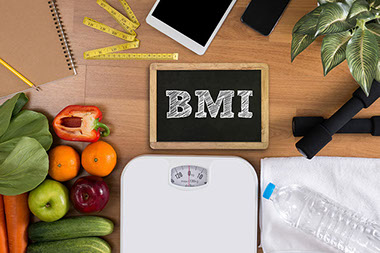
    Dumbbells, scale, towel, fruit, BMI body mass index formula rate formula in a board.

    Learn what is pulling you toward your goal and what is holding you back. All thoughts and feelings are valid. Is your goal more important to you than the challenges to achieve it? Are you pursuing this goal just because someone said you “should” do it? If you think of something later, come back to this to add another point.

    Benefits – “Pros” vs Costs-“Cons”

    Making a change.

    Pro Example: I will have more energy.

    Con Example: I won’t be able to have sweets as often as I do now.

    Not changing.

    Pro Example: I can keep all of my current habits.

    Con Example: I could keep putting on more weight.

    © American Institute for Preventive Medicine

  • Quit Smoking

    Healthylife® Weigh

    Part 3

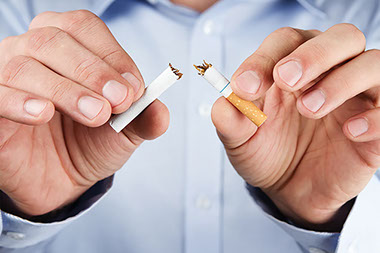
    Hands breaking a cigarette in half.

    Smoking and the use of other tobacco products causes serious harm to the body, including cancer, cardiovascular disease, and emphysema. Smoking can also complicate diabetes and other health conditions.

    If you are smoking, try to quit. Talk to your doctor about tools to help you quit. Call 800-QUIT-NOW (800-784-8669) to talk to someone who can help you quit.

    Quitting smoking may cause some weight gain as your body learns to regulate blood sugar and appetite normally again. Smoking can also be a coping strategy for stress, so you will need to learn new ways to manage stress. It is worth it to quit smoking.

    © American Institute for Preventive Medicine

  • Another Reason To Stop Smoking

    SELF-CARE CORNER

    Image of cigarettes butts.

    Each year Americans buy nearly 300 billion cigarettes. A vast number of those cigarette butts, including the filters, will be flicked into the environment, landing along waterways, parks, beaches, and public roads. This makes cigarettes the number one littered item in the nation, according to Legacy, the nonprofit created in the wake of tobacco lawsuits. Cigarette butts are made mostly of plastic, which can take years to decompose, and they only break up into small particles of plastic. Join a cleanup event and help build awareness around your community and workplace.

    © American Institute for Preventive Medicine