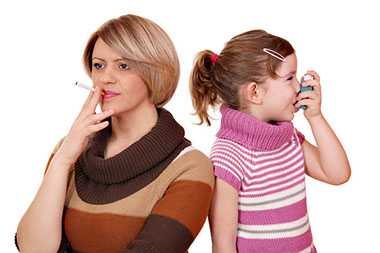
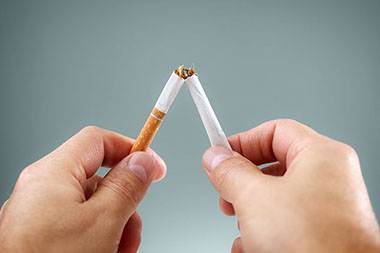
Not using tobacco is one of the best choices you can make for your health.
Have you seen the commercial of a frail woman putting in dentures, placing a wig on her head, speaking with a voice box, and tying a scarf around a hole in her throat? She had surgery that removed cancer in her throat. Not a pretty sight. And a reminder that tobacco use can and does cause serious health problems.
Be smart, don’t start.
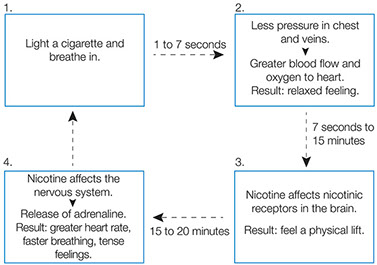
If you don’t smoke, don’t even think about trying it. Nicotine is a powerful addiction. If you do use tobacco, get help to quit.
* Use a nicotine replacement product, such as a patch, gum, or lozenges. Use as directed.
* Ask your doctor about prescribed medicines that can help you quit.
* Take part in a stop smoking program.
* Throw away all your tobacco and tobacco items.
* When the urge to smoke, dip or chew tobacco hits you, breathe deeply through your mouth and slowly exhale through your mouth. Repeat four more times.
* Get rid of familiar tobacco triggers.
* Try sugarless gum, mints, and toothpicks to keep your mouth busy.
* Put the money you used to spend on cigarettes in a “ciggy” bank so you can reward yourself later.
* Put a rubber band on your wrist. Snap it when the urge to smoke, dip or chew strikes.
* Talk to a nonsmoking friend for support.
* Make a list of the positive changes you’ve noticed since quitting.
* Renew your commitment to quit daily.
* Don’t give up if you relapse. Most people try several times before they finally quit.
Bidis – Not a Safe Alternative
Bidis are thin brown cigarettes made in India and other Southeast Asian countries. They are filled with tobacco flakes and dust and rolled in dried tendu or temburni leaves (plants native to Asia). These unfiltered cigarettes may be tied with a string at one or both ends. To mask the poor quality of tobacco used, flavors are often added. These include cherry, chocolate, mango, and vanilla.
Bidis are cheaper and easier to buy than regular cigarettes, but have serious health risks.
* One bidi produces more than three times the carbon monoxide than one cigarette.
* Smoke from an unfiltered bidi has three to five times the amount of nicotine as a regular cigarette. This increases risk for nicotine addiction.
* One bidi releases three to five times more tar than a regular cigarette.
* Bidi smoke contains more deadly chemicals, such as ammonia than the smoke of one regular cigarette.
* Smoking bidis increases the risk for:
* Lung cancer, oral cancer, stomach cancer, and cancer of the esophagus
* Heart attack and coronary heart disease
* Chronic bronchitis and emphysema
In India, the majority of bids are made by women and children and in their homes. Exposure to particles and dust in the process leads to many health problems. These include:
* Asthma
* Lung cancer
* Tuberculosis
* Skin problems
* Eye problems
Resources
American Lung Association
800.LUNG.USA (586.4872)
www.lungusa.org/tobacco
National Cancer Institute’s Smoking Quitline
877.44U.QUIT (448.7848)
www.cancer.gov/cancertopics/smoking
National Network of Tobacco Cessation Quitlines
800.QUIT.NOW (784.8669)
Smokefree Women
www.women.smokefree.gov
U.S. Department of Health & Human Services
www.smokefree.gov
www.surgeongeneral.gov/tobacco
Action Step
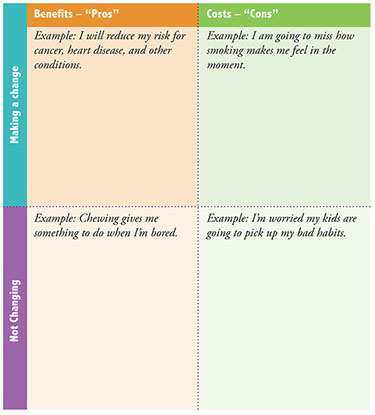
If the thought of quitting this very moment makes you crave another cigarette, don’t fret. Start with an action plan. Write down the top reasons you want to quit and set a date. Tell others so they can encourage you.