Tag: tracking

  • Ready, Set, Goal

    Fitness

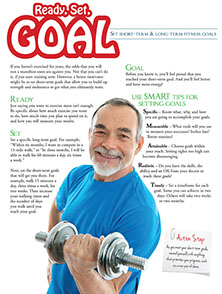
    Set short-term & long-term fitness goals.

    If you haven’t exercised for years, the odds that you will run a marathon soon are against you. Not that you can’t do it, if you start training now. However, a better motivator might be to set short-term goals that allow you to build up strength and endurance to get what you ultimately want.

    Ready

    Just saying you want to exercise more isn’t enough. Be specific about how much exercise you want to do, how much time you plan to spend on it, and how you will measure your results.

    Set

    Set a specific long-term goal. For example, “Within six months, I want to compete in a 15-mile walk,” or “In three months, I will be able to walk for 60 minutes a day, six times a week.”

    Next, set the short-term goals that will get you there. For example, walk 15 minutes a day, three times a week, for two weeks. Then increase your walking times and the number of days you walk until you reach your goal.

    Goal

    Before you know it, you’ll feel proud that you reached your short-term goal. And you’ll feel better and have more energy!

    Use SMART tips for setting goals

    *  Specific – Know what, why, and how you are going to accomplish your goals.

    *  Measurable – What tools will you use to measure your successes? Inches lost? Better stamina?

    *  Attainable – Choose goals within your reach. Setting sights too high can become discouraging.

    *  Realistic – Do you have the skills, the ability and an OK from your doctor to reach these goals?

    *  Timely – Set a timeframe for each goal. Some you can achieve in two days. Others will take two weeks or two months.

    Action Step

    As you meet your short-term goals, reward yourself with anything that promotes your progress, such as a new pair of shoes.

    Page image from the Ways to Well-Being book by the American Institute for Preventive Medicine. www.HealthyLife.com. All rights reserved.

    © American Institute for Preventive Medicine

  • The “Write” Way To Healthy Habits

    Weight Control

    Keep a daily food and activity diary.

    How many calories have you consumed today? Your best guess is likely 10 to 25 percent less than you think. To find out how many calories you do have, keep a daily food diary. And, while you are at it, record your physical activity, too. Burning calories might make up for those little mouthfuls that add up.

    Set your target.

    Health experts say that the average woman should have 1800-2,000 calories per day, and the average man, 2200-2,500. Your needs may vary and depend on whether you need to lose weight, gain weight, or have other diet-related issues. You should discuss your caloric and physical activity needs with your doctor.

    Be honest.

    Record everything you eat from the time you wake until the time you go to bed. This means what you eat and drink at meals and in between meals. Include coffee drinks, mindless munchies, 20-ounce sodas, and peppermints you pop in your mouth throughout the day.

    Get ready for a reality check.

    You can find out how many calories are in foods and drinks from:

    *  Books like Calorie King Fat & Carbohydrate Counter or online atwww.calorieking.com

    *  SuperTracker atwww.choosemyplate.gov

    *  Smartphone apps like My Fitness Pal, Calorie Counter, and The Daily Burn.

    Enter physical activities you do, too. You may be in for an unpleasant surprise to find out how many calories you take in and how few you expend in energy.

    If you had to pay for calories with physical activity:

    Food

    1 oz. potato chips

    Jelly doughnut

    Large cinnamon roll

    Calorie Cost

    150

    300

    800

    Activity Cost

    30-minute walk

    60-minute walk

    160-minute walk

    Action Step

    Think before you munch. If you are eating just because food is in front of you, walk away. Better yet, take a walk around the block. Then record the activity in your diary.

    Page from Ways to Well-Being book by the American Institute for Preventive Medicine. www.HealthyLife.com. All rights reserved.

    © American Institute for Preventive Medicine

  • Family Medical Record

    Medical History

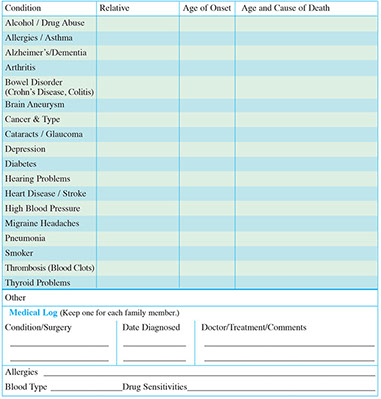
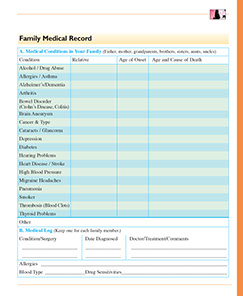
    Family medical record chart.
    Page from the Healthier at Home book by the American Institute for Preventive Medicine. www.HealthyLife.com. All rights reserved

    © American Institute for Preventive Medicine

  • Medical History Chart

    Medical History

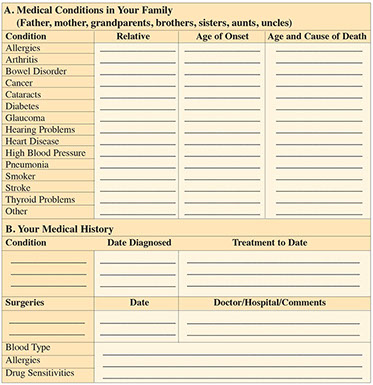
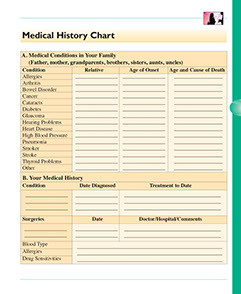
    Medical history chart.
    Page from the Health at Home Lifetime book by the American Institute for Preventive Medicine. www.HealthyLife.com. All rights reserved.

    © American Institute for Preventive Medicine

  • Mend Your Spending

    Financial Health

    Use your money wisely.

    You have probably asked or heard the question, “Do you really need that?” It is a good question to ask when you are thinking of making a purchase. Buying on impulse can be a big budget buster. Getting by with less is a budget saver.

    Use credit cards wisely:

    *  Keep cards to a minimum.

    *  Pay your bill on time to avoid a late payment fee and a higher “penalty” interest rate. Stay below your credit limit.

    *  Pay the balance in full. If you can’t, make more than the minimum payment.

    *  Try to avoid getting cash advances, which have very high interest rates.

    *  Ask for a lower interest rate on credit cards you currently have.

    Trim costs for tech services:

    *  Choose a cellphone plan that avoids hefty fees for extra minutes and texts. Consider dropping your landline phone or just using it for basic services.

    *  Shop around for best prices and services for Internet, phone, and cable. Bundle services if this saves money. Contact your current provider and ask if it will match a competitor’s lower price.

    *  Evaluate your use of cable, especially premium channels. Check out cheaper ways to get movies and programs, such as through your local library, Netflix for movies, and Hulu for TV.

    Other savings tips:

    *  Refinance your mortgage if you can lower the interest rate enough to make it worth your while. Use the extra money for other bills or to apply to the principal to pay your mortgage off sooner.

    *  Shop for items, even cars, online. Compare prices.

    *  Take advantage of employer sponsored programs and services. Examples are matching your 401(k) contributions and flexible spending accounts (FSAs), which allow you to use pre-tax dollars to pay for medical and child care expenses.

    *  Clip and download coupons for free, as well as reduced prices on groceries, restaurant meals, retail items, and home improvement services. Send in rebates that come with products you buy.

    *  Eat out less. Take your lunch to work.

    Action Step

    Have fun at little or no cost. Attend free community events, such as concerts and picnics. See movies at discount theaters or swap DVDs with family and friends. Go for hikes and bike rides as a family.

    Ways to Well-Being book by the American Institute for Preventive Medicine. www.HealthyLife.com. All rights reserved.

    © American Institute for Preventive Medicine

  • See Your Fitness Progress

    BE FIT

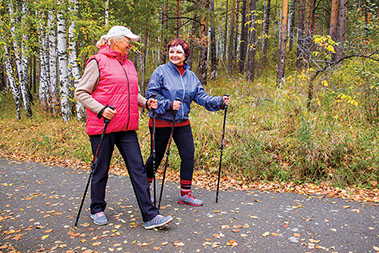
    Two women walking with walking sticks.

    When you’re trying to get fit, it can be hard to stay motivated. Look for ways that you’re making progress. This can help you keep going!

    Progress isn’t just about weight. You are making progress if:

    *  You have more energy. Do you feel less tired than you used to? Are you getting more done?

    *  Your daily tasks are easier. Maybe carrying the groceries isn’t as tough as it used to be. Or going upstairs doesn’t leave you out of breath.

    *  You’re getting better sleep. Exercise can help you sleep better, leaving you feeling refreshed and energized in the morning.

    Keep it up! The longer you exercise, the better you’ll feel!

    Source: National Institute on Aging

    © American Institute for Preventive Medicine

  • Tips For A Healthy Budget

    FINANCIAL HEALTH

    Couple smiling going over budget.

    Not sure where to start with a budget? It doesn’t have to be complicated. Here are some tips.

    Add up your monthly income.

    Look at paystubs or your bank deposits from your job for one month. Include other income, like child support payments, if you have them.

    Cut back where you can.

    Put a limit on coffee stops or meals out. Too much online shopping? Give yourself a 48-hour waiting period before you buy.

    Add up your expenses.

    Think about bills you pay each month, such as mortgage, rent, utilities and car payment. Look at credit card bills or bank withdrawals. This tells you how much you’re spending.

    Divide into optional and essential.

    On a piece of paper or computer, divide your expenses into two columns: optional and essential. When needed, cut expenses from your optional column.

    Source: Federal Trade Commission

    © American Institute for Preventive Medicine

  • Healthy Pregnancy Checklist

    Pregnancy & Prenatal Care

    You can do a lot of things to improve the chance of having a healthy pregnancy. And you should not do some other things! Knowing what to do and what to avoid will help you and your baby stay well.

    *  Ask your health care provider before you take any medicines, even ones you can buy without a prescription.

    *  Go to all your prenatal health care visits.

    *  Don’t drink alcohol, take drugs, or smoke. When you drink alcohol, smoke, or take drugs, your baby does, too!

    *  Have a routine for exercise. Follow your health care provider’s advice.

    *  Eat healthy foods.

    *  Take your prenatal vitamins (vitamin pills) every day. These also supply the minerals you need.

    *  Get plenty of rest.

    *  Wash your hands throughout the day.

    *  Accept all your emotions. Express your feelings to others.

    *  Learn to deal with stress. Experts think stress may limit blood supply to the placenta. The placenta is the baby’s only source of oxygen and nutrients.

    *  Don’t have X-rays unless your prenatal health care provider says it’s okay.

    *  Avoid harmful chemicals such as paint fumes, insect poisons, and weed killers. Ask your health care provider what else you should avoid.

    *  When you use cleaning agents, wear rubber gloves. Make sure there is plenty of fresh air.

    *  Don’t wear high-heeled shoes.

    *  Don’t pick up, carry, or move heavy objects.

    *  Stay out of hot tubs and saunas. When you bathe, use warm water only. Never use hot water. Put a rubber mat in the tub or shower to prevent slipping.

    *  Don’t handle cat feces or cat litter. If you have a cat, have someone else empty the litter box. Cat droppings can carry a disease called toxoplasmosis. (Eating meat that is not cooked enough can cause this, too.) If a pregnant woman gets this disease, the baby can be harmed. It’s okay to pet your cat.

    *  Don’t have any contact with hamsters, guinea pigs or any rodents. These animals can carry a virus that can cause severe harm to your baby.

    *  Discuss your work life with your health care provider. Find out if it is healthy for you and your baby.

    *  Find out if you should limit or stop having sex. Bleeding or pain during sex could be reasons. Ask your health care provider.

    *  Always wear lap and shoulder seat belts when you ride in a vehicle. Fasten the lap belt as low as you can, below your belly.

    *  Are you going far from home late in your pregnancy? Have your health care provider refer you to a provider in the area where you are going. Take a copy of your prenatal records with you.

    *  When you travel:

    – By plane or train, get up and walk around every now and then. Get an aisle seat.

    – By car, stop at least every 2 hours and do the same.

    Prenatal Self-Care book by the American Institute for Preventive Medicine. www.HealthyLife.com. All rights reserved.

    © American Institute for Preventive Medicine

  • Take Control Of Your Health

    General Health Conditions

    Man jogging with his dog.

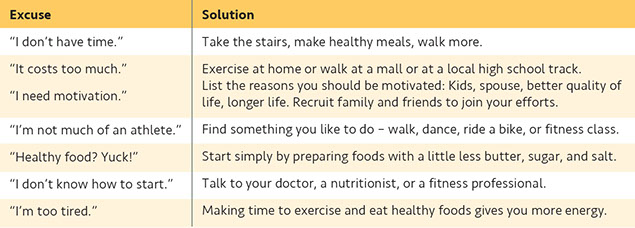
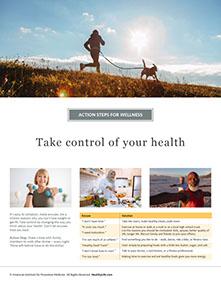
    It’s easy to complain, make excuses, list a million reasons why you can’t lose weight or get fit. Take control by changing the way you think about your health. Don’t let excuses hold you back.

    Action Step:Make a date with family members to walk after dinner – every night. Those left behind have to do the dishes.

    Health at Home Lifetime book by the American Institute for Preventive Medicine. www.HealthyLife.com. All rights reserved.

    © American Institute for Preventive Medicine

  • Use Social Media For Support

    Healthylife® Weigh

    Part 4

    People using social media.

    Today’s social world goes beyond the people you see on a daily basis. From Facebook to Twitter, Instagram to Snapchat, social media may be a big part of your life. Perhaps you follow friends, family, sports and entertainment personalities, or online groups and message boards.

    Social media can be a powerful, positive part of your healthy lifestyle change. What you read, see, and hear can affect your mood, knowledge, what you think is normal, and how you feel about yourself. It can also be negative and make it harder for you to reach your goals.

    Positive ways to use social media:

    *  Follow friends, nutritionists, and food bloggers who promote positive, healthy body and mind messages.

    *  Un-follow or block individuals who tend to post negative comments or who engage in arguments on social media.

    *  Share what inspires and motivates you on social media.

    *  Instead of reading or listening to short clips of news, read more investigative and thorough articles that make you think. Use this as food for thought on your next walk or in a discussion.

    *  Explore websites that bring people who share a common interest together. Join an outdoor adventure club or social group on MeetUp! (www.meetup.com).

    *  Support your friends and family who you see working to make changes in their lives, whether in health or another area of life.

    *  Follow friends, bloggers, or magazines that share ideas for meals, snacks, or workouts.

    *  Share what challenges you face and ask for support from friends & family.

    *  Share your goals to improve accountability.

    *  Note how much time you spend on social media sites. Could this time be spent planning a grocery list, going for a quick walk, or getting to bed earlier?

    Follow & Subscribe

    Tune into positive influencers on social media. Subscribe to recipe-packed magazines and blogs. Find new information, colorful ideas, and inspiring people to help you stay motivated and find social support.

    Magazines (and corresponding websites):

    *  Clean Eating (www.cleaneating.com)

    *  Eating Well (www.eatingwell.com)

    *  Cooking Light (www.cookinglight.com)

    *  Vegetarian Times (even if you’re not a vegetarian, this magazine provides great plant-based meal and snack ideas!)(www.vegetariantimes.com)

    *  Experience Life (www.experiencelifemag.com)

    Blogs & Social Media Accounts

    Pinterest (www.pinterest.com) – Think of Pinterest as a picture-book guide to meal plans, recipes, printables, workout ideas, and inspiration. This site offers much more than tips for healthy eating, but here are some search terms to get you started: “clean eating” “healthy recipes” “healthy (food item, like stir fry or quiche)” or “easy workouts.”

    @SproutedKitchen (Twitter, Instagram) andwww.sproutedkitchen.com– Whole foods inspiration and recipes

    @Veggieful (Twitter, Instragam)- Ideas for incorporating more fiber-rich, plant-based foods into your diet

    @Skinnytaste (Twitter, Instagram) andwww.skinnytaste.com– A healthy take on many easy, familiar recipes

    Content and advertising in these publications and websites may or may not reflect the opinion of the American Institute for Preventive Medicine or that of its Medical Review Board.

    Filter Your Social Media

    *  Who or what do I want to start following?

    *  Who or what do I need to stop following?

    *  How can I reduce the time I spend on social media?

    Comparing Yourself to Others

    Avoid physical comparisons with others. You will never look exactly like someone else. Instead, look at the qualities you admire in others.

    *  Who is someone I admire? What values does this person show by their actions? Underline the values you want to have yourself (e.g., sense of adventure).

    *  What actions can I take to start living one of those values?
    © American Institute for Preventive Medicine