Tag: Travel Tips

  • Prevent In-Flight Ear Pops

    Healthy Travel

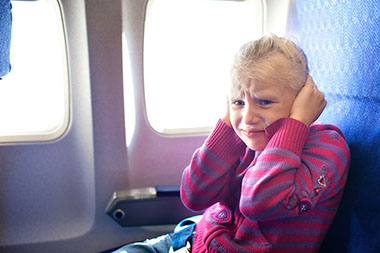
    Image of young girl on plane covering her ears.

    If you’re riding in a plane, your ears might feel full during takeoff and landing, then suddenly “pop.” Ear pops result from pressure changes in the middle ear as a plane changes altitude. You may feel pain or only mild discomfort. And if you have a head cold, ear pops can promote an ear infection.

    It’s rarely convenient to cancel or postpone your flight because of ear trouble. It is highly recommended, however, that you don’t fly if you have an acute ear infection, a severe head cold, or sinusitis. Consult your physician regarding this. If you still decide to fly, here are some ways to keep your ears from popping.

    *  Swallow frequently, yawn, or gently blow through your nose while pinching the nostrils shut, to equalize pressure within your ears. (Don’t do this if you have a head cold, as it will promote an ear infection.)

    *  If you have a mild head cold, use a nasal spray to keep the nasal passages open. Oral decongestant medications are also effective.

    Infants and young children tend to develop ear pain when traveling by plane, too. To prevent discomfort and ear infections in your children:

    *  Have your infant suck on a pacifier or bottle during the takeoff and landing. (Nursing a baby helps, too.)

    *  Ask your doctor about giving children a mild decongestant and antihistamine 1 hour before takeoff and 1 hour before landing.
    Page image from A Year of Health Hints book by the American Institute for Preventive Medicine. www.HealthyLife.com. All rights reserved.

    © American Institute for Preventive Medicine
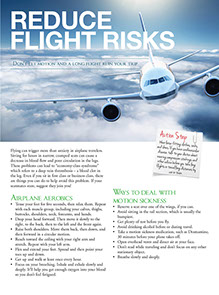
  • Reduce Flight Risks

    Healthy Travel

    Don’t let motion and a long flight ruin your trip.

    Flying can trigger more than anxiety in airplane travelers. Sitting for hours in narrow, cramped seats can cause a decrease in blood flow and poor circulation in the legs. These problems can lead to “economy-class syndrome” which refers to a deep vein thrombosis – a blood clot in the leg. Even if you sit in first class or business class, there are things you can do to help avoid this problem. If your seatmates stare, suggest they join you!

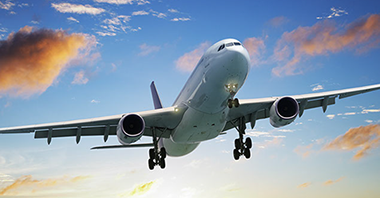
    Image of flying airplane.

    Airplane aerobics:

    *  Tense your feet for five seconds, then relax them. Repeat with each muscle group, including your calves, thighs, buttocks, shoulders, neck, forearms, and hands.

    *  Drop your head forward. Then move it slowly to the right, to the back, then to the left and the front again.

    *  Raise both shoulders. Move them back, then down, and then forward in a circular motion.

    *  Reach toward the ceiling with your right arm and stretch. Repeat with your left arm.

    *  Flex and extend your feet. Spread and then point your toes up and down.

    *  Get up and walk at least once every hour.

    *  Focus on your breathing. Inhale and exhale slowly and deeply. It’ll help you get enough oxygen into your blood so you don’t feel fatigued.

    To deal with motion sickness:

    *  Reserve a seat over one of the wings, if you can.

    *  Avoid sitting in the tail section, which is usually the bumpiest.

    *  Get plenty of rest before you fly.

    *  Avoid drinking alcohol before or during travel.

    *  Take a motion sickness medication, such as Dramamine, 30 minutes before your plane takes off.

    *  Open overhead vents and direct air at your face.

    *  Don’t read while traveling and don’t focus on any other stationary object.

    *  Breathe slowly and deeply.

    Action Step

    Wear loose-fitting clothes, socks, and shoes. If you have cardiovascular disease, talk to your doctor about wearing compression stockings and other advice before you take long flights or travel long distances by car or train.

    Page image from Ways to Well-Being book by the American Institute for Preventive Medicine. www.HealthyLife.com. All rights reserved.

    © American Institute for Preventive Medicine
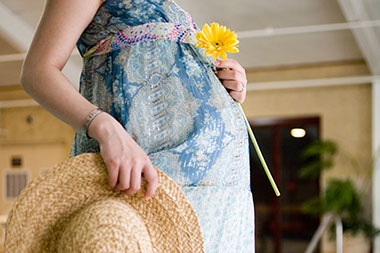
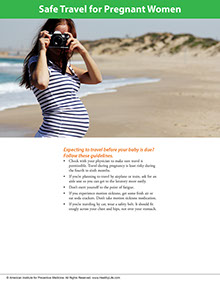
  • Safe Travel For Pregnant Women

    Healthy Travel

    Image of pregnant women on vacation.

    Expecting to travel before your baby is due? Follow these guidelines.

    *  Check with your physician to make sure travel is permissible. Travel during pregnancy is least risky during the fourth to sixth months.

    *  If you’re planning to travel by airplane or train, ask for an aisle seat so you can get to the lavatory more easily.

    *  Don’t exert yourself to the point of fatigue.

    *  If you experience motion sickness, get some fresh air or eat soda crackers. Don’t take motion sickness medication.

    *  If you’re traveling by car, wear a safety belt. It should fit snugly across your chest and hips, not over your stomach.

    Page image from A Year of Health Hints book by the American Institute for Preventive Medicine. www.HealthyLife.com. All rights reserved.

    © American Institute for Preventive Medicine
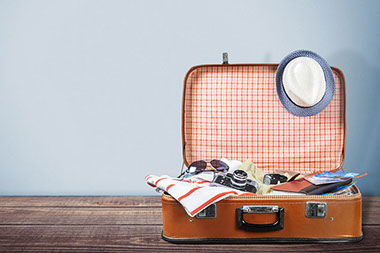
  • Taking The Stress Out Of Travel

    Healthy Travel

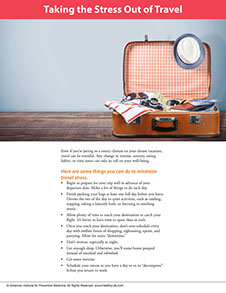
    Image of suit case opened.

    Even if you’re jetting to a sunny climate on your dream vacation, travel can be stressful. Any change in routine, scenery, eating habits, or time zones can take its toll on your well-being.

    Here are some things you can do to minimize travel stress.

    *  Begin to prepare for your trip well in advance of your departure date. Make a list of things to do each day.

    *  Finish packing your bags at least one full day before you leave. Devote the rest of the day to quiet activities, such as reading, napping, taking a leisurely bath, or listening to soothing music.

    *  Allow plenty of time to reach your destination or catch your flight. It’s better to have time to spare than to rush.

    *  Once you reach your destination, don’t over-schedule every day with endless hours of shopping, sightseeing, sports, and partying. Allow for some “downtime.”

    *  Don’t overeat, especially at night.

    *  Get enough sleep. Otherwise, you’ll come home pooped instead of renewed and refreshed.

    *  Get some exercise.

    *  Schedule your return so you have a day or so to “decompress” before you return to work.

    Page image from A Year of Health Hints book by the American Institute for Preventive Medicine. www.HealthyLife.com. All rights reserved.

    © American Institute for Preventive Medicine
  • Travel Hints For Retirees On The Go

    Healthy Travel

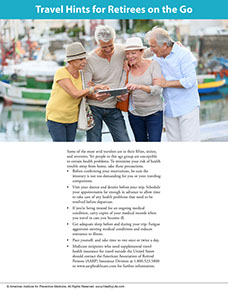
    Image of retired couple traveling.

    Some of the most avid travelers are in their fifties, sixties, and seventies. Yet people in this age group are susceptible to certain health problems. To minimize your risk of health trouble away from home, take these precautions.

    *  Before confirming your reservations, be sure the itinerary is not too demanding for you or your traveling companions.

    *  Visit your doctor and dentist before your trip. Schedule your appointments far enough in advance to allow time to take care of any health problems that need to be resolved before departure.

    *  If you’re being treated for an ongoing medical condition, carry copies of your medical records when you travel in case you become ill.

    *  Get adequate sleep before and during your trip. Fatigue aggravates existing medical conditions and reduces resistance to illness.

    *  Pace yourself, and take time to rest once or twice a day.

    *  Medicare recipients who need supplemental travel health insurance for travel outside the United States should contact the American Association of Retired Persons (AARP) Insurance Division at 1.800.523.5800 orwww.aarphealthcare.comfor further information.

    Page image from A Year of Health Hints book by the American Institute for Preventive Medicine. www.HealthyLife.com. All rights reserved.

    © American Institute for Preventive Medicine
  • Traveling

    Healthy Travel

    Smiling women standing in front of the Leaning Tower of Pisa, holding a camera.

    The best of travel plans can be ruined if you get sick or aren’t able to deal with health problems on your trip. Discuss your travel plans with your doctor.

    Make sure to take enough medicines you need for the whole trip.

    Depending on your destination, this may include insect repellant, sunscreen (SPF 30 or higher), hand sanitizer (60% alcohol or higher), and face masks.

    Find out if and what your health insurance covers if you need medical care during your trip. You may consider purchasing additional travel health insurance. Find out where to go for care, if needed.

    Certain vaccines may be required by some countries before you visit them. Find out if and what vaccines are required for places that you plan to travel from the CDC Travelers’ Health Web site atcdc.gov/travel.

    Page from HealthyLife Weigh book by the American Institute for Preventive Medicine. www.HealthyLife.com. All rights reserved.

    © American Institute for Preventive Medicine
  • What To Do If Turista Strikes

    Healthy Travel

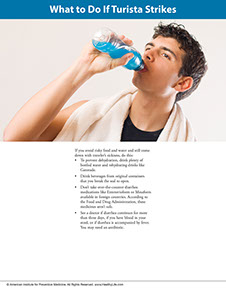
    Image of man rehydrating with liquids.

    If you avoid risky food and water and still come down with traveler’s sickness, do this:

    *  To prevent dehydration, drink plenty of bottled water and rehydrating drinks like Gatorade.

    *  Drink beverages from original containers that you break the seal to open.

    *  Don’t take over-the-counter diarrhea medications like Enterovioform or Mesaform available in foreign countries. According to the Food and Drug Administration, these medicines aren’t safe.

    *  See a doctor if diarrhea continues for more than three days, if you have blood in your stool, or if diarrhea is accompanied by fever. You may need an antibiotic.

    Page image from A Year of Health Hints book by the American Institute for Preventive Medicine. www.HealthyLife.com. All rights reserved.

    © American Institute for Preventive Medicine
  • Beating Jet Lag

    SELF-CARE CORNER

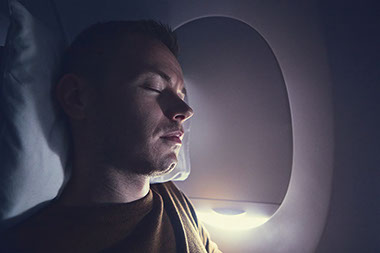
    Man sleeping on plane.

    Summer travel plans may take you to places across the globe. While this can be exciting, switching to a different time zone can take a toll on the body.

    The body has its own internal clock that tells you when to be awake and when to sleep. This is your circadian rhythm.

    If you travel to a different time zone, the clock gets disrupted:

    You may be awake when it’s nighttime or want to sleep during the day. This can make you exhausted. Jet lag can also cause:

    *  Headaches

    *  Feeling irritable

    *  Trouble concentrating

    *  Loss of appetite

    *  Upset stomach

    *  Diarrhea

    There are some ways to fight jet lag so you can enjoy your trip:

    *  Stay hydrated. Drink plenty of water before, during, and after your arrival.

    *  Avoid alcohol. Some people think a nightcap will help them sleep. But alcohol actually disrupts sleep and makes you more tired.

    *  Use your travel time wisely. If you’ll be on a plane during the “new” night time, try to rest. Use a sleep mask and ear plugs. Avoid staring at TV screens or other devices.

    *  Be careful with caffeine. If you must have caffeine, drink it in the new time zone’s morning hours. Avoid it after lunch.

    *  Get out in the sun. When you get to your destination, go outside if it’s daytime. This will help to tell your body when to be awake.

    *  Skip naps if possible. Napping could make it harder for you to fall asleep at the correct time. If you take a nap at 6 p.m., you could be awake most of the night.

    *  Consider melatonin. Melatonin is a hormone that your body makes to tell you that it’s time for sleep. Taking melatonin at your new bedtime can help you sleep better. It is available over-the-counter, but ask your doctor before trying it.

    Source: National Sleep Foundation

    © American Institute for Preventive Medicine
  • Exercise When You Travel

    BE FIT

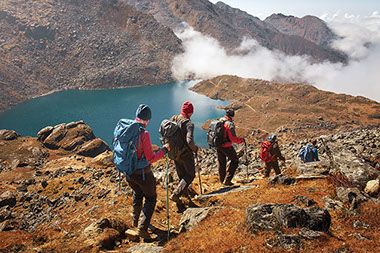
    Group of people hiking.

    How you exercise may look different when traveling, but it’s still worthwhile. In fact, mixing things up when you’re away from home keeps your workouts fresh and interesting. Try these tips:

    *Bring resistance bands along.Easily packable and super lightweight, resistance bands give you the flexibility to exercise anywhere. Bring a few different types for the most exercise options.

    *Book a hotel with a gym.Many hotels offer fitness rooms. The equipment is often fairly basic, but you can usually depend on a treadmill or bike and a set of free weights.

    *Use your bodyweight.All you really need for a good sweat session is your body! Movements like push-ups, tricep dips, squats, and lunges can be combined in a challenging circuit.

    *Get outside.What better way to get the most out of your travel than to explore on foot. And all that walking counts as exercise!

    © American Institute for Preventive Medicine

  • The Abcs Of Traveling With Children

    Healthy Travel

    Image of kids hanging around a camp site.

    Traveling with children can be very trying-you try to keep them from getting tired, bored, hungry, sick, or lost. Here are a few strategies to help you succeed.

    *  Make sure your child has had all immunizations required or recommended for travel.

    *  Have each child wear an identification tag that includes his or her name, plus your name and home address, phone number where you can be reached, and where you’ll be staying. In airports, add the name of your airline, flights, and departure times. The identification tag should be placed inside (not on the outside) of the child’s garments. Tell your child what to do if he or she gets lost.

    *  Take along a child-strength painkiller, motion sickness medication, cold preparations, an antibiotic, and Pedalyte (a medicine that replaces essential body minerals lost due to vomiting and diarrhea).

    *  Dress your child in loose, comfortable travel clothing and shoes.

    *  According to the American Academy of Pediatrics, all children need their own seats on airplanes and children younger than age 2 or weighing less than 40 pounds should be fastened in child restraint seats on an airplane. Parents should choose safety seats that are labeled for use on aircraft.

    *  On long automobile trips, stop every 2 hours and walk around with your child. When flying or traveling by train, take your child for a walk around the coach or cabin.

    *  Help prevent your child from getting motion sickness. Children between the ages of 2 and 12 are more prone to motion sickness than toddlers or teens.

    *  If your child will be flying unaccompanied by an adult, make arrangements with the airline for an adult to escort the child off the plane.

    *  Avoid introducing a young child to a lot of unfamiliar foods away from home.

    *  When traveling in developing countries, repeatedly remind your child about food and beverage safety.

    *  For more information on safe air travel for children, contact the FAA at 1.866.TELL.FAA (835.5322) orwww.faa.gov.

    Page image from A Year of Health Hints book by the American Institute for Preventive Medicine. www.HealthyLife.com. All rights reserved.

    © American Institute for Preventive Medicine