Tag: travel

  • Hassle-Free Screening Tips While Traveling

    WELL-BEING

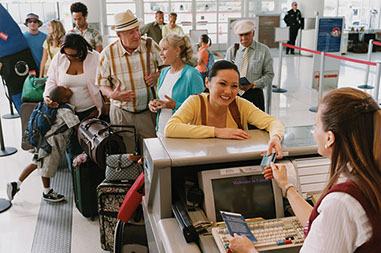
    Image of airport check-in line.

    If you’re flying, make sure you familiarize yourself with the TSA screening process. You’ll have smooth flying if you do the following when passing through airport security:

    *Clothing:To maximize efficiency at the security checkpoint, avoid wearing clothing with metal and stow all metal items in carry-on luggage.

    *Zip it:Make sure any liquids are in 3-ounce bottles in a clear, quart-size, zip top plastic bag.

    *Footwear:Passengers are required to remove footwear for X-ray screening. Wearing footwear that can be easily removed helps speed the screening process.

    *Boarding pass and ID:When approaching the security checkpoint, passengers will be asked to present a boarding pass and a government-issued identification.

    *Electronics:Large electronics such as laptops should be removed from their cases for X-ray screening. E-readers and small electronics may stay in luggage.

    *Locking checked bags:When locking checked baggage, use a TSA recognized lock. A list of these locks can be found atwww.tsa.gov.

    © American Institute for Preventive Medicine

  • How Not To Get Sick When Traveling

    SELF-CARE CORNER

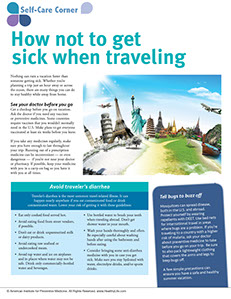
    Illustration of different city landmarks.

    Nothing can ruin a vacation faster than someone getting sick. Whether you’re planning a trip just an hour away or across the ocean, there are many things you can do to stay healthy while away from home.

    See your doctor before you go

    Get a checkup before you go on vacation. Ask the doctor if you need any vaccines or preventive medicines. Some countries require vaccines that you wouldn’t normally need in the U.S. Make plans to get everyone vaccinated at least six weeks before you leave.

    If you take any medicines regularly, make sure you have enough to last throughout your trip. Running out of a prescription medicine can be inconvenient – or even dangerous –  if you’re not near your doctor or pharmacy. If possible, keep your medicine with you in a carry-on bag so you have it with you at all times.

    Avoid traveler’s diarrhea

    Traveler’s diarrhea is the most common travel-related illness. It can happen nearly anywhere if you eat contaminated food or drink contaminated water. Lower your risk of getting it with these guidelines:

    *  Eat only cooked food served hot.

    *  Avoid eating food from street vendors, if possible.

    *  Don’t eat or drink unpasteurized milk or dairy products.

    *  Avoid eating raw seafood or undercooked meats.

    *  Avoid tap water and ice on airplanes and in places where water may not be safe. Drink only commercially-bottled water and beverages.

    *  Use bottled water to brush your teeth when traveling abroad. Don’t get shower water in your mouth.

    *  Wash your hands thoroughly and often. Be especially careful about washing hands after using the bathroom and before eating.

    *  Consider bringing some anti-diarrhea medicine with you in case you get sick. Make sure you stay hydrated with water, electrolyte drinks, and/or sports drinks.

    Tell bugs to buzz off

    Mosquitoes can spread disease, both in the U.S. and abroad. Protect yourself by wearing repellents with DEET. Use bed nets for international travel in areas where bugs are a problem. If you’re traveling to a country with a higher risk of malaria, ask your doctor about preventive medicine to take before you go on your trip. Be sure to also pack lightweight clothing that covers the arms and legs to keep bugs off.

    A few simple precautions can ensure you have a safe and healthy summer vacation.

    © American Institute for Preventive Medicine

  • Pack A Travel First Aid Kit

    WELL-BEING

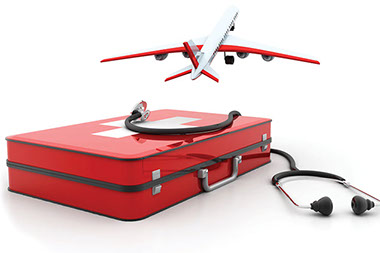
    Illustration of an airplane and first aid kid.

    Traveling? Make a little room in your luggage for a travel first aid kit. It won’t cost much or take up much space. Once you reach your destination, you won’t need to reach any further than your suitcase to relieve those minor aches and pains that can put a major damper on your plans.

    A basic travel first aid kit should include a handful of over-the-counter remedies you can buy just about anywhere, said Caroline Sullivan, DNP, assistant professor at Columbia University School of Nursing.

    Here’s what should go in the kit:

    *  Tylenol or Advil to ease a headache or fever

    *  Cortisone 10 cream to soothe an itchy, swollen insect bite

    *  Antibiotic ointment like Neosporin or Bacitracin to prevent infection from minor cuts, scrapes, and burns

    *  Band-Aids to cover up blisters, or for those minor cuts and scrapes

    *  Pepto-Bismol tablets to relieve diarrhea, upset stomach, heartburn, indigestion, and nausea after too much food and drink. Note: This is for adults only. Pepto-Bismol has salicylates which have been linked to Reye’s syndrome.

    *  Benadryl to relieve allergies, and also to help you sleep

    *  Hand sanitizer that contains at least 60% alcohol

    *  Tissues to sneeze, dab cuts, and clean hands in a pinch

    *  Pack your prescription medicines in their original bottles in your carry-on bag.

    © American Institute for Preventive Medicine

  • Tips To Save On Your Summer Vacation

    FINANCIAL HEALTH

    Image of family about to go on a road trip.

    You want your vacation to be memorable, but you probably don’t want to remember spending a lot of money. With some advanced planning, you can save a good amount of your travel and vacation expenses. Here’s what travel experts recommend:

    *Don’t pick prime times for flights.If you’re flying, you’ll usually pay less for airline tickets during off-peak times. This means flying during the middle of the week, early in the morning or late at night.

    *Be flexible.When booking airline tickets, choose the flexible dates option to find the lowest price for airfare. Sometimes, the savings can be substantial.

    *Visit during the off-season.Many people travel to warm, tropical destinations during the winter months. Try going during the late fall or early spring instead.

    *Check out renting a house.Many destinations offer houses for rent at about the same price per night as hotels but with much more space. When you share with another family, you split the cost for even more savings.

    *Look for online deals & coupons.Look online for local activities you want to do, such as visiting museums or scuba diving excursions. Many places offer deals or coupons if you book in advance. You may also be able to avoid lines for buying tickets.

    *Don’t forget your discounts.Companies like AARP and AAA often have discount rates for members. Some employers have discounts available to employees for car rentals and other vacation items.

    *Pack snacks.Pack healthy snacks in a cooler for a car trip like fresh-cut fruits and vegetables. For flights, bring your own food to the airport and eat before getting on the plane. Keep in mind liquids more than 3.4 ounces can’t be taken through the security checkpoints.

    *Get a kitchen.Look for hotel rooms that have a full kitchen so you can store food and beverages, cook your own meals and avoid the higher costs of eating out.

    *Try camping.Instead of traditional hotels, look for campsites. Camping often costs a fraction of what a hotel costs, as long as you have a tent, mats to sleep on and a few more basic camping supplies.

    *Look nearby.If the prices of airline tickets and hotels aren’t in your budget, look for daytrip options. Destinations within 2 hours of home are often doable for families and can be just as fun as a longer trip.

    © American Institute for Preventive Medicine

  • Traveling With Diabetes

    SELF-CARE CORNER

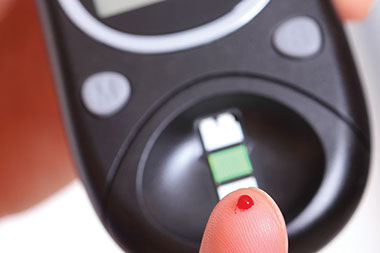
    Image of pricked finger about to test blood glucose levels.

    The American Association of Diabetes Educators suggests a plan for ensuring your next travel adventure is safe and successful.

    Over-pack your medications.

    Gone for a week? Pack two weeks’ worth of your diabetes medications in case of travel delays or misplaced supplies (insulin, syringes, testing strips, extra batteries for your pump, a first-aid kit, glucagon emergency kit). If you use an insulin pump, ask the company if you can bring a backup in case yours fails. Have a prescription from your doctor for insulin or oral medication in case of an emergency.

    Protect your supplies.

    Keep your medications and supplies close at hand and don’t put them in checked luggage or in the car trunk, where they can be exposed to harmful extreme temperatures (too hot or too cold). If you’re flying, keep them in the original packaging (so no one questions they’re yours) in a bag separate from your toiletries, as requested by the TSA. Don’t worry, the TSA allows you to go over the 3.4 liquid-ounce carry-on limit for diabetes medications and supplies.

    Identify yourself.

    Wear your medical bracelet or necklace that notes you have diabetes and take insulin (if you do). Bring a doctor’s note that explains you have diabetes and lists your medications, as well as a prescription in case you need more. Carry a health card that includes your emergency contact and doctor’s name and phone number. Learn how to say “I have diabetes,” “sugar,” and “orange juice, please” in the language of the country you are visiting.

    Carry snacks and low blood sugar treatment.

    Low blood sugar (hypoglycemia) can strike any time and food access during travel is unpredictable, so be sure to bring plenty of snacks such as peanut butter crackers, granola bars, and trail mix as well as glucose tablets or gel.

    Simplify flying.

    Tell the TSA folks that you have diabetes (they’re used to accommodating people with health issues). Visitwww.tsa.gov/traveler-information/passengers-diabetesbefore your trip to learn about current screening policies. If you plan to inject insulin while flying, be forewarned-the pressurized air can make it more challenging to draw up your insulin, if using a vial and syringe, so be extra careful not to inject air into the bottle.

    Test often.

    New foods, increased activity, and different time zones can throw your glucose levels out of whack, so be sure to test frequently, including before and after meals. If you take insulin, keeping your levels steady can be tricky when changing time zones, so make a plan to adjust your schedule for injecting. Before your trip, see a diabetes educator, who can help you with this challenging process.

    Favor your feet.

    Wear comfortable well-fitting shoes and socks at all times. Never go barefoot. Check your feet often, especially after a hike or long walk. Feet and ankles often swell during flights so consider wearing light knee-high compression stockings or bring thinner socks to change into if your feet swell. Wear a shoe that can be loosened if that occurs. Pointing and flexing your ankles during a flight can improve blood flow in your calf muscles and decrease swelling as well as lower the risk of blood clots.

    Prepare for a health emergency.

    If you need medical treatment, ask your hotel to recommend a local doctor who treats diabetes. Before you travel overseas, get a list of local English-speaking doctors through the International Association for Medical Assistance to Travelers atwww.iamat.org.
    © American Institute for Preventive Medicine

  • Women Traveling Alone: Safety Tips

    WELL-BEING

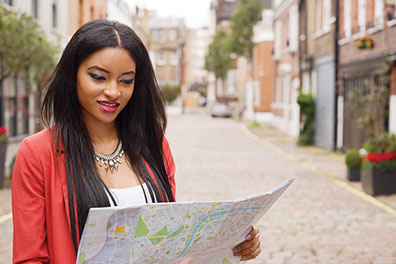
    Image of young women reading a map.

    Perhaps more than ever, women are willing to ditch their traveling companions and go solo when it comes time to hit the road and see the world. Many travel for business.

    Still, despite the trend, many women may worry that traveling alone can carry too many risks, making them a target for thieves, kidnappers,

    and other criminals.

    Barbara Foster, a veteran globetrotter and author of the book The Confessions of a Librarian: A Memoir of Loves, advises, “Sure, there are risky places and bad types out there. But with the right precautions, women can travel solo with confidence, visiting the places and meeting the people they always dreamed of and returning home with wonderful stories and memories.”

    *Steer clear of the most dangerous locales.Simply put, some places just aren’t worth the risk. Avoid “no go” neighborhoods, cities, and countries.

    *Connect with friendly contacts.Make yourself known not only to the US embassy or consul, but also to people in your field, Foster said. During her travels, Foster wrote articles about libraries she visited. Her fellow librarians were a  protective group.

    *Learn the language or at least useful phrases.Even if it’s just a few key words, speaking the language can come in handy if you need to seek help. Knowing what others are saying can also alert you to potential dangers.

    *Dress wisely, pay attention to manners, and spend money in moderation.Don’t draw needless attention to yourself. For added protection against thieves, Foster suggests carrying money and ID in a pouch under your shirt.

    *Travel in the US.You will miss many of the world’s must-see places, but if the thought of traveling abroad holds too much stress for you, it might be better to stick closer to home.

    © American Institute for Preventive Medicine