Tag: treatment

  • Understanding Multiple Sclerosis

    MEDICAL NEWS

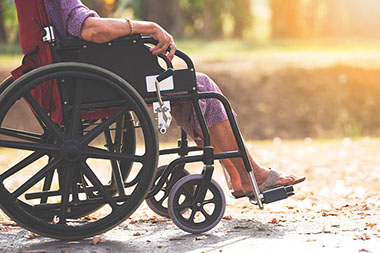
    Women in wheel chair.

    Multiple sclerosis (MS) is a common condition affecting millions of people across the world.

    What is MS?

    MS is an autoimmune disease. Your immune system is designed to fight off invaders like viruses and bacteria. Autoimmune means the immune system attacks healthy tissue by mistake.

    With MS, the immune system attacks a protective coating on the nerves in the brain and spinal cord. When this coating, called the myelin sheath, is damaged, the nerves have trouble sending signals.

    Types of MS

    Most people with MS have relapsing-remitting MS (RRMS). RRMS causes MS symptoms over a few days or weeks, known as a relapse. Then, MS symptoms go away for months or even years. When symptoms go away, this is called remission. The relapse and remission cycle repeats itself over time.

    Other people may have symptoms that slowly get worse. They don’t have periods of remission. This is known as primary progressive or secondary progressive MS.

    Symptoms of MS

    MS symptoms are very different from person to person. They can also change over time. Symptoms include:

    *  Feeling tired (fatigue)

    *  Weakness

    *  Loss of balance

    *  Numbness or tingling

    *  Stiff muscles or spasms

    *  Blurry vision

    *  Dizziness

    *  Loss of control of bladder or bowels

    *  Trouble with memory, learning or attention

    *  Speech problems

    *  Shaking

    *  Seizures

    If you have one or more of these symptoms, it doesn’t mean you have MS. However, you should see your doctor to find out the cause.

    How is MS treated?

    If you have MS, see your doctor regularly. Treatment can help slow the disease and manage symptoms. There are different medications available to treat MS, and physical therapy is helpful for some people. A doctor who specializes in treating MS can recommend the best treatment for you.

    While there is no cure, treatments for MS continue to improve. With a doctor’s help, many people with MS can manage their symptoms and feel their best.

    © American Institute for Preventive Medicine

  • What Is Lymphoma?

    MEDICAL NEWS

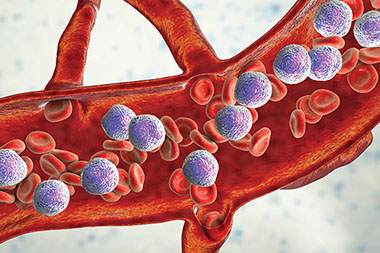
    Illustration of vein with blood cells.

    There are several different types of blood cancers. About half of all blood cancers are lymphomas. Lymphoma is cancer in the lymph system. The lymph system is part of the immune system that fights off illnesses and infections. It also helps control the flow of fluids in the body.

    Lymphoma is not one type of cancer. It is a group of many types.

    Hodgkin lymphoma is one type. It was named after the doctor who discovered it. All other lymphomas are called non-Hodgkin lymphomas. There are more than 60 types of non-Hodgkin lymphomas.

    What’s the difference?

    Hodgkin and non-Hodgkin lymphomas affect lymphocytes, which are cells in the lymphatic system. Doctors can tell which type of lymphoma a person has by looking at their cells under a microscope.

    Hodgkin lymphoma has a special cell with two centers, or nuclei. These are known as Reed-Sternberg cells, and they only occur in people with Hodgkin lymphoma.

    Similar signs

    Even though there are different types of lymphoma, the signs look alike. Some signs include:

    *  A painless lump in the neck, armpit or groin

    *  Excessive sweating

    *  Fever

    *  Trouble breathing

    *  Weight loss

    *  No appetite

    *  Feeling weak

    *  Itching

    Know the risk

    Lymphoma can attack almost any area of the body. Often its symptoms are hard to spot, or they may be blamed on other health issues. That’s why it’s good to know if you’re at a higher risk of getting lymphoma. Risk factors include:

    *  Having a close relative with lymphoma

    *  Previously being exposed to radiation or chemotherapy

    *  Long-term exposure to chemicals

    *  Having a weakened immune system

    Talk to your doctor

    There is no surefire way to prevent lymphoma. However, you can get regular checkups and talk to your doctor about your health. Ask them about your risk of cancer and ways you can lead the healthiest life possible. If you notice changes in your health or symptoms, tell them.

    Sources: American Cancer Society, Leukemia and Lymphoma Society

    © American Institute for Preventive Medicine

  • Where To Get Help For A Drinking Problem

    Substance Use & Abuse

    Image of man seeking help.

    Problem drinkers have many options to help conquer their problem.

    *  Psychotherapy. Counseling, one-on-one with a therapist or in group sessions, focuses on feelings and situations related to drinking. The goal is to help an individual cope with emotional problems and other stresses so that he or she no longer relies on alcohol.

    *  Support groups. Organized groups like Alcoholics Anonymous provide assistance, encouragement, and guidance (including a 12-step recovery plan) for members who share an alcohol problem.

    *  Medication. One type blocks the craving for alcohol and the pleasure of getting high. A second type reduces the physical distress and emotional effects people usually get when they quit drinking. A third type causes physical reactions, such as vomiting, when drinking alcohol.

    *  Alcohol treatment centers. Affiliated with hospitals, medical clinics, or community health centers, alcohol treatment centers generally combine more than one approach. People who need help are either treated as an outpatient or admitted as an inpatient, depending on how serious the problem is.

    For help, consult the following resources.

    *  Your family physician. A doctor who knows the drinker (and the drinker’s family) can determine what type of treatment would be appropriate. Also, anyone with a history of heavy drinking should have a thorough medical exam to uncover any medical conditions that may have been caused or aggravated by alcohol abuse.

    *  Family service agencies. Most communities have agencies that run outpatient alcoholic treatment programs or can refer you to one. Look in your telephone directory or contact your local social services department.

    *  Your religious adviser. Talk with your priest, minister, or rabbi.

    Page from A Year of Health Hints book by the American Institute for Preventive Medicine. www.HealthyLife.com. All rights reserved.

    © American Institute for Preventive Medicine

  • Get Help For Addictive Behaviors

    Substance Use & Abuse

    Image of counseling group.

    Don’t let drug or alcohol dependence rob you of a quality life.

    You know you can’t go on this way much longer. Your drug or alcohol addiction is destroying your relationships, your career, and your health.

    Reasons to get help:

    *  Calling in sick at work, showing up late, or making errors could cause you to lose your job.

    *  You can destroy relationships with your family and friends.

    *  You risk injuring yourself or others.

    *  You are destroying vital organs in your body that cannot be fixed.

    *  You are putting yourself at risk of contracting a sexually transmitted infection including HIV, the virus that causes AIDS.

    *  Using non-sterile needles increases your risk of hepatitis or blood poisoning.

    *  You could die due to an overdose.

    You’re not alone

    *  If you are working, find out if your employer has an Employee Assistance Program (EAP). With this, you can get help at work with a counselor. You do not need to give your employer a reason for your request. The information you share with your counselor remains private.

    *  Ask your doctor or health care provider  for referrals.

    *  Find out about substance abuse services in your area from 1.800.662.HELP (662-4357) orwww.findtreatment.samhsa.gov.

    *  Admit yourself into a drug treatment clinic.

    *  Look for area support groups, such as:

    – Alcoholics Anonymous atwww.aa.org

    – Cocaine Anonymous atwww.ca.org

    – Narcotics Anonymous atwww.na.org

    Action Step

    Don’t wait. Seek help. Take it one step at a time and be prepared to fight for your life. Believe that you and the people who love you are worth it.

    Page from Ways to Well-Being book by the American Institute for Preventive Medicine. www.HealthyLife.com. All rights reserved.

    © American Institute for Preventive Medicine

  • Depression 3

    Mental Health

    Depression is a medical illness. It is just as much an illness as are diabetes and heart disease. Depression is not a sign of being weak. It is not the person’s “fault.” A person who is depressed:

    *  Feels sad.

    *  Feels hopeless.

    *  Feels helpless.

    *  Sleeps or eats too little or too much.

    *  Thinks negative thoughts.

    *  Has lost interest in life.

    Depression makes a person less able to manage his or her life. It affects everything from mood to behavior.

    Persons of all ages, races, and ethnic backgrounds get depression. In the U.S., it will affect 10 to 25 percent of women and 5 to 12 percent of men during their lifetimes.

    Types & Symptoms

    Major Depression

    This is also called clinical depression. You may have this type if, for 2 or more weeks, you have 5 or more of the symptoms listed below or you have 1 or 2 of the symptoms in bold type.

    *  Loss of interest in things you used to enjoy. This includes sex.

    *  Feeling sad, blue, or down in the dumps.

    *  Feeling slowed down or restless.

    *  Feeling worthless or guilty.

    *  Changes in appetite. You lose or gain weight.

    *  Loss of energy or feeling tired all of the time.

    *  Problems concentrating or thinking. It is hard for you to remember things or make decisions.

    *  Trouble sleeping or sleeping too much.

    *  Thoughts of death or suicide. You attempt suicide.

    You Could Also Have One or More of These Symptoms

    *  Anger.

    *  Headaches or other aches and pains.

    *  Stomach and/or bowel problems.

    *  Sexual problems.

    *  Feeling negative, hopeless, anxious or worried.

    Note: Postpartum depression is a form of major depression that occurs in the mother after giving birth. Depression symptoms last more than 2 weeks after the baby is born.

    Dysthymia

    This is a mild but long lasting type of depression. An adult is thought to have this type when he or she has a depressed mood for most of the day, more days than not, for at least 2 years. For children, the same is true, but the symptoms are present for at least 1 year. Besides being sad, children with dysthymia may often:

    *  Be irritable, cranky, or act difficult.

    *  Have low self-esteem.

    With dysthymia, symptoms drain the person’s energy and keep him or her from feeling good. Sometimes people with dysthymia have bouts of major depression.

    Bipolar Disorder

    This used to be called manic-depression. With bipolar disorder, there are feelings of terrible “lows” and feelings of extreme “highs.” With these “highs,” a person feels happy, giddy, elated, or euphoric (manic). These cycles of “highs” and “lows” can last from days to months. In between these cycles, persons with bipolar disorder can feel normal.

    You may have this type of depression if you have had 4 of the symptoms below at one time for at least 1 week or you have had the symptom in bold type.

    *  You feel unusually “high,” euphoric, or irritable.

    *  You need less sleep.

    *  You talk a lot or feel that you can’t stop talking.

    *  You are easily distracted.

    *  You get lots of ideas at one time.

    *  You do things that feel good, but that have bad effects (e.g., foolish business ventures or uncontrolled spending habits).

    *  You have feelings of greatness.

    *  You make lots of plans for activities (at work, school, or socially) or feel that you have to keep moving.

    Causes

    *  Some types of depression run in families.

    *  Brain chemical imbalances.

    *  Life changes, such as the birth of a baby, divorce, retirement, job loss, and the death of a loved one.

    *  Hormonal and other changes, such as after having a baby (postpartum depression) or with menopause.

    *  Medical illnesses.

    *  Problems with others.

    *  Worries about money.

    *  Abuse of drugs or alcohol.

    *  Seasonal Affective Disorder (SAD). This is due to a lack of natural sunlight in the fall and winter.

    *  Low self-esteem. Negative attitudes about the world and self. Low tolerance for stress.

    *  Holiday “blues.”

    *  A side effect of medicines, such as some for high blood pressure. Some antidepressant medicines may increase suicidal thoughts and attempts, especially in children and teens. This is more likely to occur early in treatment or when changing a dose.

    Most Likely, Major Depression is Caused by a Mix of These Things:

    *  Family history of depression.

    *  Brain chemical imbalances.

    *  Emotional issues.

    *  Other factors, such as certain medical problems.

    In some persons, life events, such as extreme stress and grief, may bring on depression. In others, depression occurs when life is going well.

    Treatment

    Too Often, People Don’t Get Help for Depression. They Don’t Get Help for Many Reasons:

    *  They don’t know they are depressed.

    *  They blame themselves for how they feel.

    *  They have a hard time asking for help.

    *  They don’t know what to do or where to go for help.

    Why Get Help?

    Over 80% of people with depression can be treated with success, usually in a short time. Here are good reasons to seek help:

    *  Depression is the most common cause of suicide.

    *  Elderly depressed people have higher rates of chronic medical problems, such as heart disease.

    *  According to one study, severely depressed people are as disabled as those disabled with a chronic physical illness.

    *  Studies show a link between depression and a greater chance of getting ill in people of all ages.

    *  Social and family life suffer. Depressed people withdraw from others. Parents who are depressed have trouble tending to their children.

    *  The annual cost for treatment and lost wages due to depression is estimated at $43 to $53 billion a year.

    Treatment depends on a proper diagnosis. This should start with a complete physical exam by your doctor or health care provider to rule out illnesses and medicine side effects that have the same symptoms as depression. If depression is diagnosed, your doctor or mental health care provider will prescribe one or more treatments for your needs.

    Medicine(s). Antidepressant medicines work to alter brain chemicals. Doing this evens out mood. Over half of the people who take these medicines recover from depression in about 3 to 6 weeks.

    Types of Medicines for Depression

    These are in groups based on their chemical makeup or how they affect brain chemistry.

    *  SSRIs. These medicines alter serotonin, a chemical in the brain that affects mood, sleep, appetite, etc. There are many brand name and generic forms.

    *  SNRIs. These medicines alter serotonin and another brain chemical called norepinephrine.

    *  NDRIs. These medicines alter norephinphrine and another brain chemical called dopamine.

    *  Tricyclic antidepressants (TCAs). These medicines alter serotonin and another brain chemical.

    *  MAOIs. Persons who take MAOIs must follow a special diet. This is needed because some foods, if taken with MAOIs, can cause a high blood pressure crisis. Examples are aged cheeses and red wine. Because of this and other reasons, MAOIs are not used often.

    *  Lithium. This is used to treat bipolar disorder. Lithium reduces both manic and depressive episodes. When episodes occur, they are less severe in most persons who take lithium.

    *  Medicine used to treat acute mania in bipolar disorder.

    *  Over-the-counter herbal remedies, such as SAMe and St. John’s Wort for mild to moderate depression. Consult your doctor before taking these.

    It may take some time to find the medicine that works best with the least side effects. Prescribed antidepressant medicines are not habit forming.

    A therapist listens, talks, and helps you deal with your problems. This treatment is usually brief. Ten to 20 visits is common. This type of therapy can be done with:

    *  Just you and the therapist. This is one-on-one therapy.

    *  You, the therapist, and other people with similar problems. This is group therapy.

    *  You, the therapist, and family members, loved ones, or a partner. This is family or marriage therapy.

    Types of Psychotherapy Used for Depression

    *  Cognitive therapy. This focuses on thoughts and beliefs.

    *  Behavior therapy. This focuses on current behaviors.

    *  Interpersonal therapy. This focuses on current relationships.

    Psychotherapy may begin to help right away. For some people, it may take 8 to 10 weeks to show a full effect. More than half of the people with mild to moderate forms of depression do well in therapy.

    Medicine and Psychotherapy.

    The medicine treats the symptoms of depression. Psychotherapy helps people handle the ways depression can cause problems in their lives.

    Electro-Convulsive Therapy (ECT).

    Most depressions can be treated with medicine, psychotherapy, or both. ECT is mostly used for severe depression that is not helped with medicines. It can also be used for persons who are severely depressed with severe medical illnesses.

    Light Therapy.

    A special kind of light, called broad-spectrum light, is used. This gives people the effect of having a few extra hours of daylight each day. Special light boxes or light visors are used. Light therapy may help people who have Seasonal Affective Disorder (SAD). This mild or moderate form of depression comes in the fall and winter.

    Hospital Care.

    A person with severe depression may need to be given care in a hospital to prevent harm to himself, herself, or others; to monitor medicine(s); and/or to adjust medical therapy.

    Self-Care

    *  Take medicine(s), as prescribed, even when you begin to feel better. Tell your doctor about side effects.

    *  Consult with your doctor before taking over-the-counter herbs, such as SAMe or St. John’s Wort.

    *  Don’t use illegal drugs. Limit alcohol. These can cause or worsen depression. Drugs and alcohol can also make medicines for depression less effective. Harmful side effects can happen when alcohol and/or drugs are mixed with medicine.

    *  Attend support groups, such as ones for new mothers who have postpartum depression.

    *  Know that negative thinking is part of depression. As the depression lifts, the negative thoughts will lift, too.

    *  Don’t make major decisions during bouts of depression. Ask someone you trust to help you.

    *  Eat healthy foods. Eat at regular times.

    *  Exercise regularly.

    *  Express your feelings. Talk to friends, relatives, co-workers, etc.

    *  Try not to isolate yourself. Be with people you trust and feel safe with even though you feel down. Be with positive people.

    *  Help someone else. This will focus your thoughts away from yourself.

    *  Do something new or that you enjoy. Walk or drive to a new place. Try a new place to eat. Take a vacation. Take on a new project that will let you express yourself.

    *  Keep an emergency number handy (e.g., crisis hotline, trusted friend’s number, etc.) in case you feel desperate.

    *  If suicidal thoughts occur, remove any weapons, pills, etc. that could be used for suicide and get medical help.

    Medical Care

    Reasons to Call Doctor or Health Care Provider

    *  Symptoms of major depression occur.

    *  Depression has kept you from doing daily activities for more than 2 weeks or you withdraw from normal activities for more than 2 weeks.

    *  Depression results from one of these things:

    – A medical problem.

    – Taking over-the-counter or prescribed medicine. (This includes an antidepressant.)

    – Alcohol or drug abuse.

    – Grief over the loss of a loved one does not start to improve after a couple of months.

    *  Depression doesn’t lift 2 weeks after having a baby.

    *  Depression comes with dark, cloudy weather or winter months. It lifts when spring comes.

    *  You feel depressed now and one or more of these things apply:

    – You have been depressed before and did not get treatment.

    – You have been treated (with or without medicine) for depression in the past and it has come back.

    *  Any of these problems occur during holiday times:

    – You withdraw from family and friends.

    – You dwell on past holidays to the point that it interferes with your present life.

    Reasons to Get Immediate Care

    *  Attempting or planning suicide or writing a suicide note. Call the Suicide Prevention Lifeline at 800.273.8255 or have someone take you to a hospital emergency room. Or call 9-1-1 or your local rescue squad.

    *  Hearing voices, having overwhelming thoughts, or attempting to harm others, such as your baby after giving birth.

    Resources

    Depression and Bipolar Support Alliance

    800.826.3632

    www.dbsalliance.org

    International Foundation for Research and Education on Depression (iFred)

    www.ifred.org

    National Institute of Mental Health

    866.615.6464

    www.nimh.nih.gov

    Mental Health America! (MHA)

    800.969.6642

    www.mentalhealthamerica.net
    Depression brochure by the American Institute for Preventive Medicine. www.HealthyLife.com. All rights reserved.

    © American Institute for Preventive Medicine

  • Burn Notice

    SELF-CARE CORNER

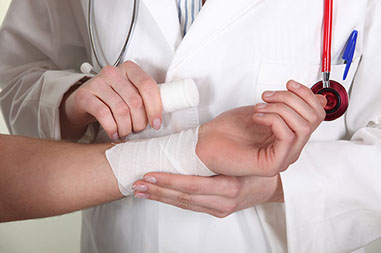
    Close-up image of a doctor wrapping up a burn on a patients arm.

    Follow this simple advice from the Home Safety Council and H2otStop to help reduce the risk of burn and scald injuries at home:

    Bathing

    *  Set your water heater at 120ºF or just below the medium setting.

    *  Fill the bathtub. Run your hand through the water to test for hot spots. Then help children get in. When children are in or near the tub, watch them closely. Young children and older people have thin skin. They burn more quickly.

    *  Install special tub spouts and shower heads that prevent hot water burns. These can sense if the water gets hot enough to cause a burn and shut off the flow of water.

    Cooking

    *  Wear long oven mitts to protect your skin when cooking or handling hot food.

    *  Turn pot handles toward the back of the stove so children cannot pull them down. Use back burners when cooking. Keep children away from the stove when you are cooking. Put tape on the floor around the stove/oven to help children learn to stay out of the “no-kid-zone.”

    *  Food cooked in the microwave can get very hot and cause a burn. Use oven mitts when you take off the lid. Stir and test the food before serving to make sure it is cool enough to eat.

    *  Keep hot drinks away from the edge of tables and counters. Do not use tablecloths or placemats because young children can pull them down. Use a travel mug with a tight-fitting lid for all hot drinks. This can help prevent a burn if the cup tips over.

    *  Do not hold or carry a child while you have a hot drink in your hand. Put only cold drinks in the cup holder of your child’s stroller and child safety seat.

    If a burn occurs:

    *  Cool it with running water. Do this right away.

    *  Keep the burned area in cool water for 3 minutes or longer. Do not put ice, butter, or lotion on the burn. This could make it worse.

    *  Call your doctor or 911 if the burn looks bad.

    © American Institute for Preventive Medicine

  • Teeth Grinding: Causes And Solutions

    SELF-CARE CORNER

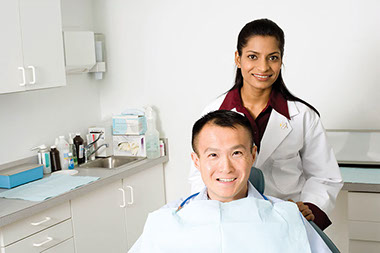
    Image of dentist with a patient.

    Teeth grinding is a movement disorder of the jaw in which there is gnashing, grinding, or clenching of the teeth. It’s called bruxism. Often, people are unaware of their habit.

    The two primary types of teeth grinding are sleep bruxism, which occurs during sleep, and awake bruxism, which occurs when the person is awake.

    There is not a single contributing factor that results in teeth grinding or bruxism, rather it is believed to be the result of complex interactions between many factors, including stress, tension and anxiety; levels of certain chemicals in the brain; other sleep disorders such as snoring or sleep apnea; or a response to pain from earaches or teething (in children).

    “Teeth grinding is most often diagnosed by a combination of information derived from a history reported by the patient and a clinical exam performed by the patient’s dentist,” according to Dr. Erica Harvey, a representative of the Pennsylvania Dental Association.

    While some people noticeably grind their teeth, 80% make no sound, which makes bruxism even harder to discover. Common symptoms include reports of grinding noises during sleep by family members, tooth hypersensitivity, fractured, chipped or worn teeth, and waking up with a constant, dull headache or sore jaws.

    Regular dental checkups can help detect bruxism, and your dentist may recommend these methods to help stop or relieve the symptoms:

    *  Find ways to reduce your stress level and relax.

    *  Avoid or limit the amount of caffeine and alcohol you consume.

    Ask your dentist about the use of a nightguard to prevent further wear of your teeth.

    © American Institute for Preventive Medicine

  • Don’T Let Shin Splints Stop You

    BE FIT

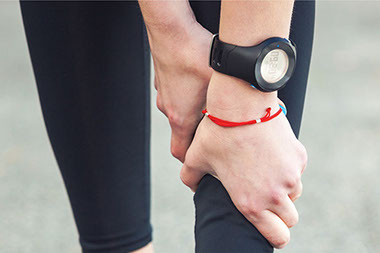
    Close up images of hands holding shins in pain.

    If you’ve ever felt aching or shooting pain up the front of your lower legs after running, it could be shin splints. Though it’s usually not serious, it can be painful enough to stop even the most dedicated exerciser.

    If you get shin splints, try these tips:

    *Switch to lower impact exercise.Until the pain goes away, try swimming, biking, or using an elliptical machine, so you put less pressure on your legs.

    *Wear proper shoes.If you’ve had the same running shoes for years, it may be time for a new pair. Support wears down over time, causing pain in the feet and legs. Make sure you have enough support under the arch and heel areas.

    *Ice the area.Apply ice packs for up to 20 minutes at a time, a few times a day, to help with pain.

    If the pain doesn’t go away, see your doctor. Sometimes shin splints may be a sign of a small bone break or inflammation of tendons in the legs.

    Source: American Academy of Orthopedic Surgeons

    © American Institute for Preventive Medicine

  • Ulcers Not Caused By Stress

    MEDICAL NEWS

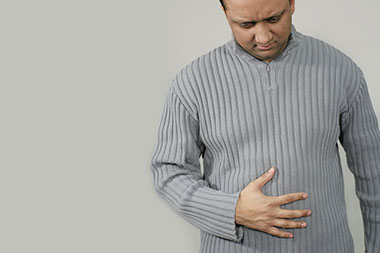
    Image of man holding this stomach.

    The lining of your stomach makes acid and enzymes that help break down food into the nutrients you need. The lining protects itself from acid damage by releasing mucus. But sometimes the lining gets inflamed and starts making less acid, enzymes, and mucus. This type of inflammation is called gastritis.

    You may have gastritis if you have pain or an uncomfortable feeling in your upper stomach. You could have nausea or vomiting. Or you may have no symptoms at all.

    Untreated, some types of gastritis can lead to ulcers. These are sores in the stomach lining.

    Some people think ulcers are caused by stress and spicy foods. But according to the NIH in Health, bacteria called H. pylori are often to blame. These bacteria break down the inner protective coating in the stomach and can cause inflammation.

    H. pylori can spread by passing from person to person or through contaminated food or water. Infections can be treated with antibiotics.

    One type of gastritis, called erosive gastritis, wears away the stomach lining. The most common cause of erosive gastritis is long-term use of medications called non-steroidal anti-inflammatory drugs. These include aspirin and ibuprofen. Stop taking these pain relievers and the gastritis usually clears up.

    Less common causes of gastritis include digestive disorders (such as Crohn’s disease) and autoimmune disorders in which the body’s protective immune cells attack healthy cells in the stomach lining.

    Gastritis can be diagnosed with an endoscope. A thin tube with a tiny camera on the end is inserted through the patient’s mouth or nose and into the stomach. The doctor looks at the stomach lining and may remove some tissue samples for testing. Treatment will depend on the type of gastritis found.

    Although stress and spicy foods don’t cause gastritis and ulcers, they can make symptoms worse. Milk might provide brief relief, but it also increases stomach acid, which can worsen symptoms. Your doctor may advise taking antacids or other drugs to  reduce acid in the stomach.

    Gastritis can lead to ulcers over time. Symptoms of ulcers include pain between the belly button and breastbone that starts between meals or during the night. It briefly stops if you eat or take antacids, lasts for minutes to hours, and comes and goes for several days or weeks.

    Contact your doctor right away if you have sudden sharp stomach pain that doesn’t go away, black or bloody stools, or vomit that is bloody or looks like coffee grounds.

    © American Institute for Preventive Medicine