Tag: treatment

  • A Prescription For Exercise?

    BE FIT

    Image of couple walking through woods.

    Many doctors recommend exercise to help with weight loss, strength and well-being. But, an exercise program may do even more than that. Research shows that exercise can help with certain health conditions. In fact, many people are now getting a “prescription” for exercise from their doctor.

    Fibromyalgia:Several studies support using exercise as a treatment for fibromyalgia pain. Fibromyalgia can cause chronic pain and fatigue. These symptoms may improve when a person exercises regularly.

    Depression:Depression is one of the most common mental health disorders in the U.S. Some studies have found that getting regular exercise helps with mild to moderate depression. This may be because exercise releases the brain’s “feel-good” chemicals. Exercise may also help support other brain functions, which help with depression.

    Osteoporosis:Osteoporosis causes bones to become weaker or more brittle. But, regular exercise can help strengthen muscles and bones, which lowers the risk of breaking bones or falling. Often, people with osteoporosis get good results by doing a combination of aerobic and weight training exercises.

    Arthritis:Exercise is considered the best non-drug option for treating pain and stiffness from arthritis. Walking and water exercise are usually good choices. Plus, exercise can help you maintain a healthy weight which helps to reduce pressure on your weight-bearing joints.

    Hard work pays off

    It can be hard to get up and exercise when you have a health condition, especially one that causes pain or fatigue. But, the evidence shows that the extra effort may be well worth it!

    Always talk to your doctor before beginning any exercise program. Exercise alone may not be enough to treat some health problems. But, it may make you feel better and may be a good “natural” option to try. It can be used along with other treatments, such as medication or therapy.

    © American Institute for Preventive Medicine
  • Depression 2

    Women’s Health

    Close up of women's face as she leans on man chest for support.

    Depression is a state of sadness and despair. Like diabetes, depression is a real medical illness. A person with depression may seek help for other problems, such as insomnia or extreme fatigue.

    Signs & Symptoms

    *  Feeling sad, hopeless, helpless, and/or worthless.

    *  Fatigue. Loss of interest in life.

    *  Having a hard time concentrating or making decisions.

    *  Changes in eating and sleeping patterns.

    *  Feeling easily annoyed, angry, or anxious.

    *  Thoughts of suicide or death.

    The number of symptoms and how severe they are vary from person to person.

    Causes

    Most likely, depression is caused by a mix of: A family history of the illness; brain chemical problems; emotional issues; and other factors, such as a medical illness or alcohol abuse.

    Another cause is seasonal affective disorder (SAD). With this, depression occurs between late fall and early spring due to a lack of natural sunlight.

    In some persons, extreme stress, trauma, grief, etc. may bring on depression. In others, depression occurs even when life is going well.

    In general, depression is noted twice as often in women than in men in part due to hormonal changes women undergo:

    *  Premenstrually, during menopause, or when taking medicines with hormones.

    *  During and especially after childbirth or when a woman stops breastfeeding.

    *  After having a miscarriage.

    *  With health conditions that affect a woman’s hormones, such as some ovarian cysts, endometriosis, etc.

    Other life circumstances unique to women may increase risk of depression, such as cultural stressors and higher rates of sexual or physical abuse.

    Treatment

    Whatever the cause, depression can be treated. Treatment includes medication(s), counseling, and self-care measures. Exposure to bright lights similar to sunlight can treat depression caused by SAD.

    A doctor should be seen for diagnosis and treatment.

    Questions to Ask

    Self-Care / Prevention

    *  Take medications as prescribed. Get your doctor’s advice before you take over-the-counter herbs, like St. John’s Wort, especially if you take other medications.

    *  Don’t use illegal drugs. Limit alcohol. These can cause or worsen depression. Drugs and alcohol can also make medicines for depression less effective. Harmful side effects can happen when alcohol and/or drugs are mixed with medicine.

    *  Eat healthy foods. Eat at regular times. Don’t skip meals or binge on junk food. Limit caffeine and sugary foods.

    *  Try not to isolate yourself. Be with people you feel safe with even though you feel down.

    *  Do something you enjoy. Do things that let you express yourself. Write, paint, etc.

    *  Exercise regularly.

    *  Relax. Listen to soft music, take a warm bath or shower. Do relaxation exercises. Meditation can help you deal with depression.

    *  Keep an emergency number handy (e.g., crisis hotline, trusted friend’s number, etc.) in case you feel desperate.

    Resources

    Women's Self-Care book by the American Institute for Preventive Medicine. www.HealthyLife.com. All rights reserved.

    © American Institute for Preventive Medicine
  • Got Breakouts? Proven Tips For Clear Skin

    SELF-CARE CORNER

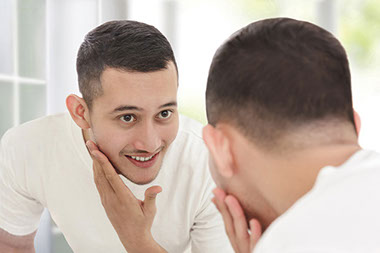
    Image of man looking at face in mirror.

    Acne can be an emotionally challenging condition for people of almost any age. The American Academy of Dermatology says acne affects up to 50 million people each year.

    Fortunately, there are a variety of products that can help you manage acne. If you or your child is dealing with acne, check out some of the most popular options to treat this condition.

    Salicylic acid

    What it does:Reduces redness and unclogs pores.

    Side effects:Minor redness, peeling or stinging.

    How to get it:Drugstore acne cleansers, toners, pads and creams. Dermatologists offer higher strength products and peels.

    Benzoyl peroxide

    What it does:Kills bacteria in the pores that causes acne.

    Side effects:Dryness, redness, peeling or stinging. May bleach hair or clothing.

    How to get it:Drugstore acne washes, creams and gels. Dermatologists offer products that combine benzoyl peroxide with other ingredients, such as an antibiotic.

    Retinoid

    What it does:Decreases the buildup of cells within pores.

    Side effects:Dryness, redness, peeling and burning that can be severe. Should not be used by pregnant or breastfeeding women or women who may become pregnant.

    How to get it:Only available from a dermatologist. Usually used for moderate to severe acne only.

    Antibiotics

    What it does:Kills acne bacteria on the skin.

    Side effects:Dryness and irritation. Some antibiotics can cause antibiotic resistance, especially if not used as directed by a doctor. This means the bacteria is no longer affected by the antibiotic and the medicine will no longer work correctly.

    How to get it:Only available from a dermatologist. Some antibiotics are applied to the skin. Others are taken as a pill.

    Getting breakouts under control can improve self-confidence and emotional well-being. If drugstore products don’t work for you, ask your doctor about stronger options. If your acne treatment is too drying, try a facial moisturizer labeled “non-comedogenic,” which means it won’t clog pores.

    © American Institute for Preventive Medicine
  • 5 Things To Know About Lung Cancer

    MEDICAL NEWS

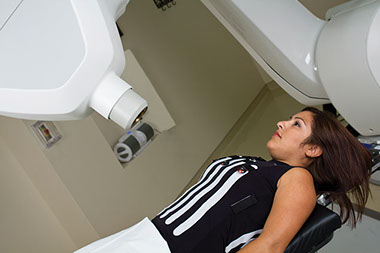
    Image of women getting a lung scan.

    Lung cancer is the country’s leading cause of cancer death. Many of the 160,000 deaths from lung cancer in the U.S. can be prevented. Dr. Bruce Johnson, the director of the Lowe Center for Thoracic Oncology at Dana-Farber Cancer Institute, sorts out the facts about lung cancer and offers simple ways to reduce risk.

    1. Lung cancer targets more than just smokers. The greatest risk factor for lung cancer is smoking, but nonsmokers can also develop lung cancer. About 10 to 15 percent of lung cancer cases occur in nonsmokers, many of them women.

    2. Know the warning signs. They can be subtle but symptoms to be aware of include a cough that does not go away, shortness of breath, back and shoulder pain, and coughing up blood. This could be a sign of something serious and should be discussed with a doctor.

    3. It’s never too late to quit smoking. People who stop and remain a nonsmoker for at least 10 to 20 years can cut their risk of developing lung cancer by 50 to 75 percent.

    4. CT screenings can save lives. Lung cancer can be difficult to detect and, until recently, there has not been a good screening test. But results from the National Lung Screening Trial suggest that screening high-risk people with low-dose CT scans can detect tumors at an earlier stage, resulting in improved lung cancer survival. Screening is currently recommended for people who are between the ages of 55 and 74 and who have smoked a pack a day for 30 years and quit fewer than 15 years ago.

    5. New therapies show promise. Thanks to advances in the last decade, new targeted therapies offer more treatment options for patients.

    © American Institute for Preventive Medicine

  • Safe Ways To Get Rid Of Warts

    SELF-CARE CORNER

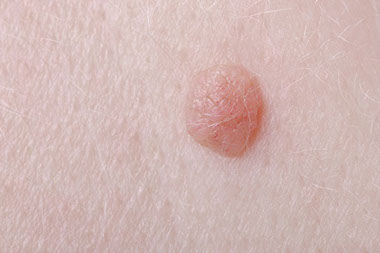
    Close up image of a wart.

    Warts are noncancerous growths caused by a contagious virus. Common warts usually appear on the hands, and plantar warts appear on the bottoms of the feet.

    Most common and plantar warts are harmless and will go away on their own with time. But, they may cause pain or embarrassment. As a result, many people would rather see them gone sooner rather than later.

    Wart basics

    If you’re not sure whether you have a wart, it’s best to see your doctor. Some skin cancers can look like warts.

    You can get warts from other people or from touching a surface that had the wart virus on it. The virus that causes warts is known as human papillomavirus (HPV). Children and teens get warts most often, but they can happen to anyone.

    Keep warts away

    It’s best to try and avoid getting warts in the first place. To help avoid warts, doctors say:

    *  Don’t go barefoot in public showers, bathrooms, locker rooms, and around swimming pools. Wear flip flops or waterproof shoes.

    *  Don’t share towels or personal items with others unless it has been washed.

    *  Wash hands regularly, including before and after eating, after using the bathroom, and after touching shared surfaces like doorknobs and ATMs.

    *  Finally, never pick at or scratch warts. This can spread the wart to other parts of the body.

    Medicines for warts

    There are a few ways to help speed the healing process for warts and get rid of them sooner. They include:

    *Wart medicine:Look for one that contains salicylic acid as the active ingredient. This medicine helps peel the wart off gradually. It can be purchased in a liquid or gel you apply to the skin, or in patches that stick on the wart.

    *Wart freezing sprays:An over-the-counter wart freezing spray can help get rid of warts. The spray blisters the wart and the skin around it, allowing it to fall off in a few days.

    *Duct tape:Some studies suggest that applying duct tape to the wart may help it go away. Put a small piece of duct tape over the wart and change the tape every couple of days. This may help peel the wart off.

    Be patient with any wart treatment. It may take several applications before the wart goes away. If these home remedies aren’t working, talk to your doctor. Most dermatologists offer stronger wart removal treatments when needed.

    Sources: American Academy of Dermatology, American Academy of Family Physicians

    © American Institute for Preventive Medicine
  • Bloody Nose Know-How

    MEDICAL NEWS

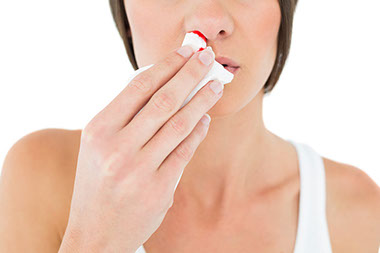
    Image of a nose bleed.

    Maybe you blew your nose too hard or bumped your nose. Causes aren’t always known. But when the blood starts gushing, nosebleeds can be frightening.

    Experts at eMedicineHealth tell what to do: Remain calm. Sit up straight and lean your head forward. Contrary to what some people think, do not lean your head back, you’ll only swallow the blood.

    Ice packs do not help either. Pinch your nostrils tightly together with your thumb and index finger for 10 minutes. Just hold it. Breathe through your mouth, of course. Do not release your grip.

    That should stop the blood flow, usually from an artery in the front of your nose. Then be nice to your tender nose for the rest of the day. Think about adding humidity to the air when you sleep, especially in dry winter weather.

    © American Institute for Preventive Medicine

  • Sure-Fire Ways To Prevent Hair Loss

    SELF-CARE CORNER

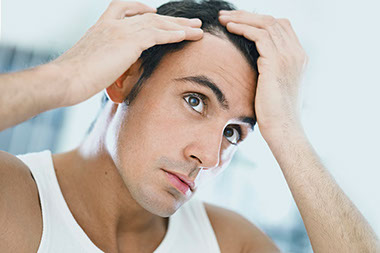
    Image of man examining hair line.

    You can head off hair loss by changing the way you care for your hair, say the experts from the American Academy of Dermatology.

    *  Do you vigorously towel dry your hair? Instead of rubbing wet hair, which is more elastic and vulnerable to breaking, wrap your hair in a towel to absorb the water or let it air dry.

    *  Do you brush or comb your hair when it is wet? If you have straight hair and are of Caucasian or Asian descent, try to comb and brush your hair only when it is dry. Otherwise, you can stretch the strands and cause them to break. People who have tightly curled or textured hair or are of African descent should comb or brush their hair when it is wet. Doing so decreases the chance of hair breakage.

    *  Do you use a blow dryer or curling iron? The high heat from a blow dryer can actually boil the water in the hair shaft leaving the hair brittle. Let your hair partially air dry before you style or comb it.

    *  Do you use styling products that promise a long-lasting hold? While these products may give your hair unbeatable hold, using a comb to style your hair after you apply the product often causes the hair to break. Over time, this can lead to major hair loss. Reduce the use of these products to lessen hair loss.

    *  Do you try to fit in 100 brush strokes per day? It is a myth that 100 strokes a day promotes healthy hair. Vigorous brushing can strip the ends of the hair, causing split ends.

    *  Do you color, perm, or relax your hair? All processes damage the hair and can cause dry, brittle strands.

    * Do you wear braids, a ponytail, or hair extensions? All of these styles pull on your hair and lead to breakage.

    *  Do you skip the conditioner? Use a conditioner after every shampoo. A conditioner cannot repair hair, but it can increase shine, decrease static electricity, improve strength, and offer some protection from harmful sun rays.

    © American Institute for Preventive Medicine