Tag: triggers

  • Say Goodbye To Bad Habits

    WELL-BEING

    Doctor holding apple in one hand and a donut in the other hand.

    Experts say that to stop an unhealthy habit, you must replace it with a healthy habit. Here’s how to get started.

    *Set a date.Make a plan for when you intend to quit your bad habit. Put it in your calendar or planner.

    *Stop the triggers.For instance, don’t eat in front of the T.V. if you tend to overeat while watching it. Eat at a table without distractions.

    *Keep track.Anytime you avoid your unhealthy habit, write down your victory. You’ll see how far you’ve come. This can help you stay motivated.

    *Be kind to yourself.Promise yourself a healthy reward when you meet a certain milestone. And, don’t focus on setbacks or mistakes. Instead, be proud of the things that you did well.

    Source: National Institutes of Health

    © American Institute for Preventive Medicine

  • Smoking Triggers And How To Beat Them

    MEDICAL NEWS

    Cigarettes and nicotine gum.

    Many people have tried to quit smoking but couldn’t. There are many reasons for this, but one of them is because of triggers. A trigger is something that makes you want to smoke.

    Emotional triggers

    When you have certain emotions, you may get the urge to smoke. They may include feeling stressed, nervous, depressed or even bored.

    You can help stop these triggers by dealing with your emotions in other healthy ways. Try meditation, deep breathing or exercise to help manage stress and anxiety. Exercise is also a great way to beat boredom and fight depression. Listen to calming music or talk to a friend who can encourage you to keep up your efforts to quit.

    Pattern triggers

    Sometimes you’re used to smoking when you do something else, such as drinking coffee or alcohol. This is known as a pattern trigger. You may also like to smoke after eating or during a work break.

    Change your routine to help avoid these patterns. Chew your favorite gum, suck on a hard candy or mint or go for a walk. Try brushing your teeth after meals, coloring in an adult coloring book or squeezing a stress relief ball.

    Social triggers

    Many people want to smoke at bars, parties or when they’re with people who smoke. These can be powerful triggers for you to smoke.

    It’s best to avoid these triggers if you’re trying to quit. Instead, surround yourself with people who don’t smoke or who want you to quit. Try taking a class or find a hobby, such as painting or cycling.

    Withdrawal triggers

    Your body will crave nicotine when you quit smoking. Nicotine is very addictive and you may go through withdrawal. Withdrawal triggers include:

    *  Cravings for cigarettes or e-cigarettes

    *  Feeling like you need to do something with your hands or mouth

    *  Feeling restless or uncomfortable

    Withdrawal can be very difficult to manage. As with other triggers, spend time with people who don’t smoke and who want you to quit. Find things to do that have nothing to do with smoking. Avoid places or situations where you might see or smell cigarettes or vaping.

    Quitting is hard. But if you have support from your doctor, family and friends, you can do it. Millions of people have quit and you can too!

    Source: Smokefree.gov

    © American Institute for Preventive Medicine
  • Drug Addiction Triggers

    Substance Use & Abuse

    Are some people more at risk than others?

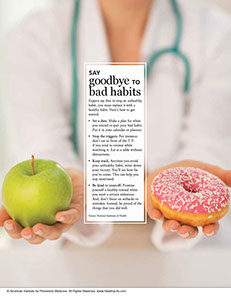
    Addiction is a chronic, often relapsing brain disease. It causes compulsive drug seeking and using, despite the harm it costs. Over time, brain changes occur that destroy a person’s ability for self-control. Even if a person wants to quit, willpower is not enough to fight the urges.

    The brain on drugs

    Drugs contain chemicals that disrupt the way nerve cells normally send, receive, and process information. Over time, changed brain cells reduce the user’s ability to enjoy the drug’s effect without higher dosages. Long-term abuse also alters other brain chemicals and circuits. This impairs areas of the brain that are critical for judgment, decision-making, learning, memory, and behavior control.

    Why do people relapse?

    Addiction is a chronic disease that can be managed, but relapse is common. Treatment helps counter the addiction’s powerful effects. This includes medications and behavioral therapy. A relapse should not be viewed as failure. It is a sign that the treatment should be adjusted.

    Why me?

    The risk for drug addiction is due to a mix of:

    *  Genetics – The risk is higher if other family members have addiction issues.

    *  Environment – Finances, peer pressure, abuse, stress, and the quality of parenting play roles. Having family and friends who abuse drugs is also a factor. So is age. The younger a person is when drug use starts, the greater the risk for addiction.

    Tips to deal with triggers:

    *  Try to avoid situations that involve alcohol and/or drugs.

    *  Do things you know and do well to build confidence.

    *  Attend self-help groups for drug users. These include:

    – Alcoholics Anonymous (AA)

    – Cocaine Anonymous (CA)

    – Narcotics Anonymous (NA)

    Action Step

    If you or someone you love has a problem with drugs, seek professional help.

    Page from Ways to Well-Being book by the American Institute for Preventive Medicine. www.HealthyLife.com. All rights reserved.

    © American Institute for Preventive Medicine

  • Hope For Migraine Headaches

    SELF-CARE CORNER

    Image of man with a migraine.

    Migraine headaches are more than an inconvenience. Migraine pain is severe and can interfere with a person’s life. Fortunately, today’s migraine treatments can help many people get the relief they need.

    There are two types of medicines for migraines: abortive and preventive.

    Abortive medicines

    Abortive medicines, also referred to as acute, are designed to stop, or abort, a migraine. They should be taken as early as possible when a person feels a migraine starting. Some of these medicines include:

    *  Pain relievers. Aspirin, ibuprofen, and other common pain relievers can be used to treat mild migraines. But, for many people, these aren’t enough to get rid of a migraine. Experts say people shouldn’t take these medicines more than twice a week. Overusing these medicines can lead to stomach problems and can even cause more headaches.

    *  Prescription migraine medicines. Your doctor may prescribe special medicines that are designed to relieve migraine pain and other symptoms, such as nausea. These may work well for people who don’t find relief from over-the-counter pain relievers.

    Preventing migraines

    Some of the medicines available today are used to prevent migraines before they happen. These are called preventive treatments. These types of medicines are recommended for people who:

    *  Get four or more migraines a month

    *  Have migraines that last 12 hours or longer

    *  Haven’t found relief with  abortive medicines

    *  Can’t take abortive medicines

    There are different types of preventive medicines available. Sometimes a person needs to try several different medicines before finding the one that works best for them. Keeping track of how many migraines you have and their severity can help you see how well a medicine is working.

    In addition to medicines, you and your doctor may discuss migraine triggers and how to avoid them. Certain foods, stress, lack of sleep, hormonal changes, and many other things can cause migraines. Learning your own triggers and how to avoid them is an important part of preventing migraines.

    What makes a migraine

    Migraines usually have the following symptoms:

    *  Severe pain and intense pounding in the head that makes it impossible to do daily tasks

    *  Nausea and/or vomiting

    *  Sensitivity to light or sound

    Some migraines also start with an aura. An aura may be vision changes, like seeing flashes of light or lines. Some people have trouble seeing clearly and cannot focus on objects. An aura may also cause tingling in an arm or leg. Only about 20 percent of people who get migraines will have an aura.

    © American Institute for Preventive Medicine
  • How To Stop Emotional Eating

    HEALTHY EATING

    Image of young women with thumbs up.

    There’s no doubt that food can be comforting. Our favorite foods can make us feel happy and relaxed. Sometimes when people feel sad, lonely, stressed, or even bored, they may turn to food for comfort. This is known as emotional eating, and most people don’t realize they are doing it. As a result, people eat when their body isn’t truly hungry, and this can lead to weight gain and health problems.

    The University of Rochester Medical Center says emotional eating can be harmful. It can cause type 2 diabetes, high blood pressure, heart disease, and obesity. But, emotional eating can be a hard habit to break. Here are some tips to help you stop:

    Learn to listen to your body.

    Are you truly hungry? If so, your stomach may be grumbling. With emotional eating, people often crave one specific food, such as a cookie. But if you’re really hungry, you’ll be willing to eat something healthier, such as fruits or vegetables.

    Wait a little while.

    If you’re not sure if you’re hungry, tell yourself to wait 15 minutes. In the meantime, do something else. Take a walk, have a glass of water, or call a friend. See if the urge to eat passes.

    Keep unhealthy foods away.

    Stock nutritious foods in your house, and don’t buy the foods you eat when you’re stressed. It’s easier to avoid the temptation if the food isn’t available to you.

    Don’t worry about past mistakes.

    When you’re trying to break a habit, setbacks can happen. Forgive yourself if you end up eating too much or giving in to a craving. Tell yourself you’ll start fresh again tomorrow. Don’t give up.

    Find healthy ways to deal with stress.

    Go for a walk, listen to music, or do deep breathing exercises to help you deal with stress. Then you’re less likely to turn to food for comfort.

    If you have a problem with emotional eating, don’t be afraid to ask for help. Talk with your doctor about the problem. Ask about support groups and mental health experts who help people with emotional eating.

    © American Institute for Preventive Medicine