Tag: truth

  • Busting Diet Myths

    HEALTHY EATING

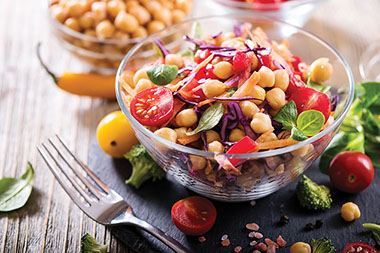
    Salad bowl.

    Losing weight can be challenging. It means you have to change your eating and exercise habits. But does it mean you have to give up all the foods you love?

    Many myths about a healthy diet can make the task harder than it needs to be. But the truth is, you can change your diet for the better and still enjoy your food.

    Learn to recognize these common diet myths. You can make a healthy change to your eating habits.

    Myth:Dieting means I can’t eat my favorite foods.

    Fact:You can use moderation to still enjoy your favorite foods. Moderation means you can have a small amount once in a while. It means you may have to cut back, but you don’t have to give it up.

    Having your favorite high-calorie foods in small amounts can be fine for most people. A small piece of cake at a birthday party or a little piece of dark chocolate can still fit into your healthy eating plan.

    Myth:To lose weight, you have to give up breads, pasta and other grains.

    Fact:Many grains can be part of your healthy diet. You should limit refined, processed grains like white bread and white pasta. But whole grains contain fiber and nutrients you need. Examples of healthy grains include:

    *  Whole wheat bread and pasta

    *  Brown rice

    *  Quinoa

    *  Oats

    Read the nutrition label on whole grain products to help avoid high-calorie choices and added sugars.

    Myth:Gluten-free foods are healthier options for weight loss.

    Fact:Only people who have celiac disease or sensitivities to gluten need to avoid gluten.

    Just because a food says it is “gluten-free” does not mean it’s healthier or has fewer calories than a food that contains gluten. In fact, if you avoid gluten, you could miss out on important nutrients. See a doctor if you think you have a gluten sensitivity.

    Myth:You should avoid fat to lose weight.

    Fact:Some fat in your food is necessary and healthy. Try to eat foods that contain healthy monounsaturated or polyunsaturated fats. Eating small amounts of healthy fat can even help you feel full.

    These foods contain healthy fats that are important for overall health:

    *  Olive oil

    *  Avocadoes

    *  Nuts

    *  Seeds

    *  Eggs

    *  Salmon, trout

    Source: National Institute of Diabetes and Digestive and Kidney Diseases

    © American Institute for Preventive Medicine
  • The Truth About Fast Food

    HEALTHY EATING

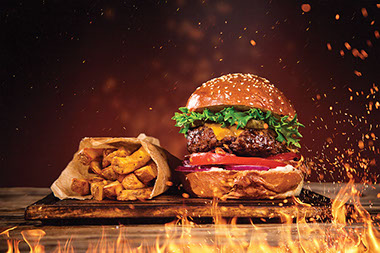
    Burger with french fries and fire.

    When life gets busy, it’s tempting to reach for the convenience of traditional fast food options. Just as the name says, it’s fast and is found pretty much everywhere. However, these types of food come with real downsides.

    Many traditional fast food options do not provide quality nutrition and may even be harmful to your health.

    Why we eat fast food

    A few common reasons people choose fast food include:

    *Lack of time:Long work hours and packed extracurricular schedules leave little time for home-cooked meals.

    *Convenience:Adults with little free time or few cooking skills may prefer the ease of ready-to-eat food.

    *Food environment:Some communities lack adequate access to grocery stores that carry fresh, whole food. Fast food may be all that is available nearby.

    *Financial resources:Fast food is more expensive than food prepared at home. As income goes up, the use of fast food tends to increase as well.

    Health impact of fast food

    An occasional fast food meal isn’t a problem for most people. However, regular consumption carries several health risks:

    *  Fast food is high in fat, saturated fat, salt, sugar, and calories.

    *  Portion sizes are often very large.

    *  Fast food restaurants rely on highly processed food ingredients and offer few fresh fruits and vegetables.

    Diets high in processed food, fat, calories, sugar, and salt may increase your risk of many chronic diseases, including:

    *  Obesity

    *  High blood pressure

    *  Heart disease

    *  Type 2 diabetes

    *  Cancer

    Better options

    If you find yourself stuck choosing fast food, try some of these better options when you order:

    *  Opt for broth soups and salads.

    *  Choose low-fat dressings on the side.

    *  Look for whole-grain bread or bagels instead of croissants or biscuits.

    *  Get the regular or junior size to avoid excessive portions.

    *  Order the single patty without bacon or cheese. Ask for extra lettuce and tomato.

    *  Skip the soda and lemonade. Choose plain or sparkling water.

    © American Institute for Preventive Medicine
  • Debunking Myths On Exercise And Weight Loss

    Weight Control

    Exercise is a critical component in any effective weight-control regimen. Unfortunately, some people have misconceptions about weight and exercise. Here are some of the more common popular fallacies.

    Myth: Exercise increases your appetite.

    Fact: Appetite is actually more manageable after exercise. Furthermore, any slight increase in food intake from physical exercise is more than offset by calories expended by the exercise.

    Myth: In order for exercise to be worthwhile, you must work out every day.

    Fact: Three times a week for around 20 minutes each time will burn off a significant number of calories. (Of course, if you exercise longer-say, 45 minutes to an hour–you’ll bum even more calories.)

    Myth: Exercise must be extremely vigorous to achieve weight loss.

    Fact: Moderate exercise like walking, if done on a regular basis, can be effective. Daily 30-minute walks can burn up to 15 pounds a year.

    Myth: Only aerobic exercise burns calories.

    Fact: Aerobic exercise (cycling, walking, swimming, etc.), speed up your metabolism for 4 to 8 hours after you stop exercising, so calories will be burned when you exercise and after you finish working out. Nonaerobic exercise like weight lifting, burns calories when you exercise and adds lean muscle tissue, which burns more calories than fat. Both types of exercise are important components of fitness.

    Myth: The more you sweat, the faster you lose weight.

    Fact: There is no benefit to excessive sweating. It can even be dangerous. So don’t overdress for exercise, and don’t wear “sauna suits.”

    Page from A Year of Health Hints book by the American Institute for Preventive Medicine. www.HealthyLife.com. All rights reserved.

    © American Institute for Preventive Medicine
  • Look Past Advertising

    Healthylife® Weigh

    Part 3

    Man grocery shopping.

    Advertising can help point out healthy qualities in a food or drink. Advertising can also distract you from less healthy ingredients and nutrition facts. Check the nutrition facts and ingredients list to get the real scoop on what’s in the product. The drawbacks may outweigh the benefits advertised on the package.

    “Made With…”Example: Whole Grains, Real Fruit

    What it Means: At one point, the real ingredient (e.g., whole grain, fruit) was part of the product. That ingredient may have been processed further, causing it to lose nutrients. This claim does not tell you anything about how much of the whole food is in the end product.

    “Sugar Free”

    What it Means: A sugar free food has less than 0.5 grams of sugar per serving. What is in the food is more important than what the food is claiming to be free from. Check to see if extra saturated fat or artificial sweeteners have been added to make up for taste. Avoid foods high in saturated fat or foods containing artificial sweeteners.

    “Fat Free”

    What it Means: This food contains less than 0.5 grams of fat per serving (of any kind). If a food is fat free, make sure sugars or starches haven’t been added to replace the flavor and structure that fat gives food. Remember, unsaturated fat is an important part of a healthy diet and helps keep you feeling full.

    “Contains…”Example: Whole Grains, Real Fruit

    What it Means: This product contains some amount of this ingredient, but that amount may be very small. For example, a fruit drink that “contains real fruit” may be 10% real fruit juice and 90% added water and sugar. If you want more of the ingredient, like a whole grain or fruit, look for it to appear high on the list of ingredients.

    “Contains Zero Trans Fat”

    What it Means: There is no safe amount of trans fats, but a food label can say it contains zero trans fats if the trans fat content is below 0.5 grams per serving. To find trans fats, you will need to look at the ingredients. Avoid ingredients that are “hydrogenated” or “partially hydrogenated.”

    Organic, Grass-Fed, Cage-Free, Free-Range, Non-GMO

    Learn more about these marketing claims and labeling standards inPart 7of this guide.

    © American Institute for Preventive Medicine