Tag: understanding

  • Dealing With Family Arguments

    FAMILY LIFE

    Mother comforting her young son who's upset.

    It’s normal to have arguments with your children and spouse. Children learn to voice their opinions through their family first. And all close relationships have disagreements sometimes.

    But arguments don’t have to be hurtful.

    Handle disagreements in a positive way:

    *Pick your battles:Don’t fight over every disagreement. Decide if small things are worth an argument. Walk away from an argument when it’s not an important matter.

    *Be open.Try to see others’ point of view. Stop and listen to what they’re saying and really consider it before responding.

    *Set boundaries.Arguments should not include name calling, insults or disrespect. Try to avoid shouting, too. If things get heated, take a break and say you’ll discuss it later when everyone feels calmer.

    *Look at root causes.Are you arguing with the same person all the time? Or are you having the same argument with multiple people? Think about why this is happening, and what you can do to stop having these conflicts. Consider this preventive care for your relationships.

    *Remember that you’re an example.Children see how parents argue. Think about how you would want them to handle a disagreement, and try to model that behavior.

    Source: American Academy of Pediatrics

    © American Institute for Preventive Medicine
  • Understanding Autism

    MEDICAL NEWS

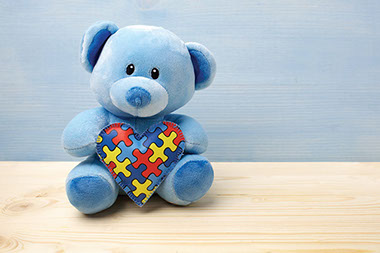
    Blue teddy bear holding heart with autism puzzle icon.

    Autism is a spectrum of developmental disorders that impacts how a person learns, communicates, behaves, and interacts socially. While boys are more likely to be affected, autism spectrum disorders (ASD) can develop in people of all ages, races, and ethnicities.

    Health professionals believe ASD is caused by a mix of genetic and environmental factors. Autism presents differently in each individual and ranges from very mild to requiring extensive support.

    Signs of ASD

    Screening is a routine part of well-child visits during the first few years of life. However, those with only mild impairments from ASD may remain undiagnosed until later in life. Signs include:

    *  Poor eye contact

    *  No babbling or pointing before age 1

    *  Not responding appropriately to name

    *  Poor social responsiveness

    *  Preferring to play alone

    *  Repetitive movements such as hand-flapping

    *  Delays in skill development

    *  Loss of previously acquired skills

    *  Preoccupation with certain objects or subjects

    *  Inflexible adherence to routine

    Diagnosing ASD

    There is no blood test or other medical diagnostic test. A doctor makes the diagnosis based on observation of the child’s behavior and developmental history. Screening tools a physician may use include:

    *  Developmental screening

    *  Developmental monitoring

    *  Comprehensive developmental evaluations

    If a child has additional risk factors for autism, your doctor may recommend additional screenings. Risk factors include:

    *  Preterm delivery

    *  Low birth weight

    *  Lead exposure

    *  Sibling with ASD

    *  Other factors

    Treatment for ASD

    There is no cure for ASD. However, treatment can significantly improve symptoms. Many people with autism benefit from a combination of therapies that help them develop language and social skills and encourage positive behaviors. Common treatment includes:

    *  Speech therapy

    *  Occupational therapy

    *  Educational interventions

    *  Intensive behavioral interventions

    *  Family counseling

    *  Skill-oriented training

    *  Medication

    *  Physical therapy

    *  Cognitive behavior therapy

    *  Nutritional therapy

    © American Institute for Preventive Medicine
  • Understanding Autoimmunity

    MEDICAL NEWS

    Smiling female.

    The immune system is a finely tuned network of organs and cells that protect you. When the body senses a threat, such as an injury, bacteria, or virus, the immune system swings into action. An autoimmune disease occurs when the immune system mistakenly targets your own tissues, causing damage.

    Common autoimmune conditions

    *  Type 1 diabetes

    *  Lupus

    *  Rheumatoid arthritis

    *  Irritable bowel syndrome

    *  Graves’ disease

    *  Hashimoto’s disease

    *  Multiple sclerosis

    *  Psoriasis

    *  Celiac disease

    *  Alopecia areata

    Symptoms

    The specific symptoms vary by type of autoimmune condition. However, many autoimmune diseases share some common symptoms:

    *  Fatigue

    *  Dizziness

    *  Redness and swelling

    *  Muscle aches

    *  Low-grade fevers

    *  Symptoms that come and go, called flares and remission

    Causes

    No one knows exactly why some people develop an autoimmune disease. However, they are more common in some groups of people:

    *  Women are more likely than men to develop an autoimmune condition.

    *  Genetics may predispose a person to certain autoimmune diseases.

    *  Exposure to certain viruses, bacteria, or chemicals may trigger an autoimmune reaction.

    *  Some autoimmune disorders are more common among certain racial or ethnic groups.

    Treatment

    Your doctor is your best resource to properly diagnose and treat autoimmune diseases. The exact treatment depends on the type of autoimmune condition, the areas of the body affected, and your own health and medical history.

    Treatment goals include:

    *  Suppress or slow down the immune system to prevent it from damaging tissues.

    *  Control symptoms, including pain, inflammation, rash, etc.

    *  Replace any substances your body can no longer make, for example, insulin if you have type 1 diabetes.

    © American Institute for Preventive Medicine

  • Helping A Depressed Family Member

    FAMILY LIFE

    Image of man talking with a counselor.

    Depression is a medical condition that can be serious. The National Institutes of Mental Health say depression can affect how you feel, think and cope with daily life. Eating, sleeping, socializing and working can all be difficult for someone with depression.

    If a member of your family has depression, there are ways to support them.

    Tip #1:

    Don’t tell them to “just snap out of it.” Experts believe depression is caused by a chemical imbalance in the brain. This may be due to genetics or it may be triggered by a stressful event such as death of a family member, divorce or abuse. Sometimes, a cause cannot be found. It’s important to understand that the person’s everyday actions may be affected by this disease, and they can’t make it just go away.

    Tip #2:

    Take medical care seriously. Treatment for depression often involves medication  and/or therapy. It can take some time to find the treatment that works for your family member. Whenever possible, offer to go with them to doctor appointments. Support them in following their treatment plan. Do what you can to make sure they take medications as prescribed without forcing or arguing.

    Tip #3:

    Offer to take them out, but don’t push. Many people with depression struggle to get out of bed each day or leave the house. But, with treatment, it is possible to start enjoying life again. Ask the family member if they’d like to do something simple, such as go to the store or park. If they decline, wait a few days and offer again. Eventually, they may say yes.

    Tip #4:

    Listen when they want to talk. If your family member wishes to talk about his or her feelings, let them do so without judging or offering advice. Simply listen to their thoughts and feelings without trying to “fix” anything.

    Take loved ones’ comments about suicide or self-harm seriously. Many times a person will confide in a loved one prior to committing a harmful act.

    With help from a doctor, depression can be treated. Let your family member know you care, and ask them to get the medical help they need. Proper medical care can help them get on the path to a healthier, happier life.

    © American Institute for Preventive Medicine