Tag: update

  • First Aid Kits: Stay Up To Date

    SELF-CARE CORNER

    Women helping wrap man's foot and ankle with sprain wrap.

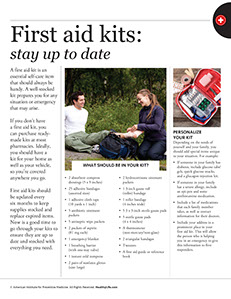
    A first aid kit is an essential self-care item that should always be handy. A well-stocked kit prepares you for any situation or emergency that may arise.

    If you don’t have a first aid kit, you can purchase ready-made kits at most pharmacies. Ideally, you should have a kit for your home as well as your vehicle, so you’re covered anywhere you go.

    First aid kits should be updated every six months to keep supplies stocked and replace expired items. Now is a good time to go through your kits to ensure they are up to date and stocked with everything you need.

    What should be in your kit?

    *  2 absorbent compress dressings (5 x 9 inches)

    *  25 adhesive bandages (assorted sizes)

    *  1 adhesive cloth tape (10 yards x 1 inch)

    *  5 antibiotic ointment packets

    *  5 antiseptic wipe packets

    *  2 packets of aspirin (81 mg each)

    *  1 emergency blanket

    *  1 breathing barrier (with one-way valve)

    *  1 instant cold compress

    *  2 pairs of nonlatex gloves (size: large)

    *  2 hydrocortisone ointment packets

    *  1 3-inch gauze roll (roller) bandage

    *  1 roller bandage (4 inches wide)

    *  5 3 x 3-inch sterile gauze pads

    *  5 sterile gauze pads (4 x 4 inches)

    *  A thermometer (non-mercury/non-glass)

    *  2 triangular bandages

    *  Tweezers

    *  A first aid guide or reference book

    Personalize your kit

    Depending on the needs of yourself and your family, you should add special items unique to your situation. For example:

    *  If someone in your family has diabetes, include glucose tabs/gels, quick glucose snacks, and a glucagon injection kit.

    *  If someone in your family has a severe allergy, include an epi-pen and some antihistamine medication.

    *  Include a list of medications that each family member takes, as well as contact information for their doctors.

    *  Include your address in a prominent place in your first aid kit. This will allow the person who is helping you in an emergency to give this information to first responders.
    © American Institute for Preventive Medicine

  • Why You Should Check Your Social Security Statement

    FINANCIAL HEALTH

    Man smiling while using the computer.

    If you’re not close to retirement, you may not think much about your Social Security statement. But you can – and should – check it once a year. Here’s why:

    *  There could be errors in your wages that need to be corrected.

    *  You can see how much you’ve paid into Social Security.

    *  You can get an estimate of your future Social Security payments.

    *  You can make sure your address or direct deposit information is correct.

    Check your statement for free online at the official Social Security website atssa.gov. Make sure you are on a website that ends in “.gov” or it’s not the official website.

    © American Institute for Preventive Medicine

  • Overhauling Your Medicine Cabinet

    Medication

    Take everything out of the medicine cabinet.

    *  Check expiration dates. Throw out all outdated medicines. If you’re not sure about a certain item, call your pharmacist. Ask what the shelf life is.

    *  Discard old tubes of cream that are hardened or cracked. Throw out any liquid medicines that look cloudy or filmy.

    *  If medications are not in original containers and clearly labeled, throw them away. Some medicines come in tinted glass, for example, because exposure to light may cause them to deteriorate.

    *  Every medication is a potential poison. If there are children in the house, keep all medicines and vitamins locked in a high cabinet, well out of their reach.

    *  Activated charcoal and syrup of ipecac are not advised for home use for swallowed poisons. Call the Poison Control Center at 800.222.1222 for advice.

    Page from the Healthier at Home book by the American Institute for Preventive Medicine. www.HealthyLife.com. All rights reserved.

    © American Institute for Preventive Medicine
  • Review Your Patient Chart

    Medical Care

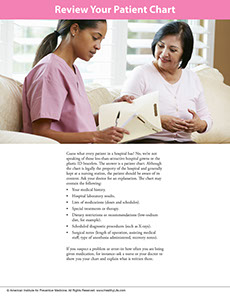
    Guess what every patient in a hospital has? No, we’re not speaking of those less-than-attractive hospital gowns or the plastic ID bracelets. The answer is a patient chart. Although the chart is legally the property of the hospital and generally kept at a nursing station, the patient should be aware of its content. Ask your doctor for an explanation. The chart may contain the following:

    *  Your medical history.

    *  Hospital laboratory results.

    *  Lists of medications (doses and schedules).

    *  Special treatments or therapy.

    *  Dietary restrictions or recommendations (low-sodium diet, for example).

    *  Scheduled diagnostic procedures (such as X-rays).

    *  Surgical notes (length of operation, assisting medical staff, type of anesthesia administered, recovery notes).

    If you suspect a problem or error-in how often you are being given medication, for instance-ask a nurse or your doctor to show you your chart and explain what is written there.

    Page from A Year of Health Hints book by the American Institute for Preventive Medicine. www.HealthyLife.com. All rights reserved.

    © American Institute for Preventive Medicine
  • A Changing Food Label

    Healthylife® Weigh

    Part 3

    Man reading food label.

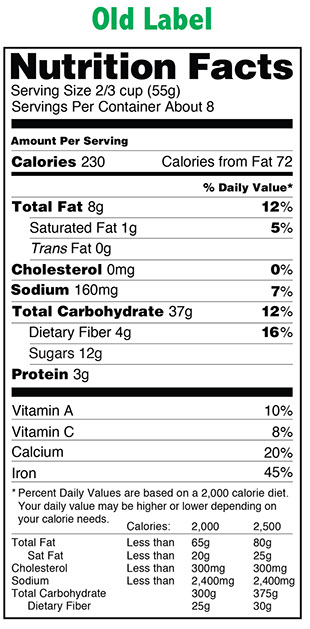
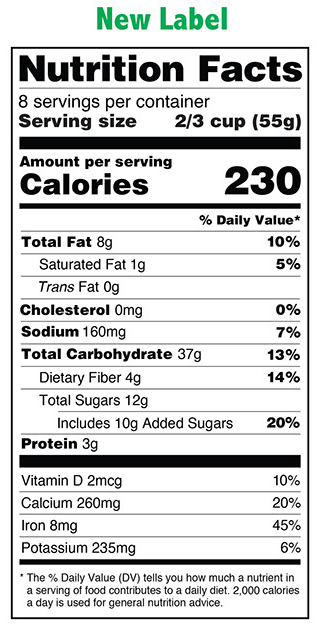
    In 2016, the FDA approved a new food label. The new food label is already on many foods. By mid-2021, all food labels will look like the new label. The new label will help you make more informed choices about what you eat. The changes are shown in the graphic below.

    Graphic of old and new food labels.
    Graphic of old and new food labels.

    © American Institute for Preventive Medicine

  • Going Back To Work After A Leave

    WORK LIFE

    Image of 2 construction workers.

    Many people take a leave of absence from work at some point. It could be for a life event, such as maternity or paternity leave, or because of an illness. A leave of absence is usually an extended period of time off that goes beyond vacation or other type of leave.

    No matter how long your leave is, going back to work can be a big adjustment and cause you plenty of anxiety. But, you can make the transition smoother if you prepare for your new routine. Try these tips:

    *  Get organized. A week or two before you go back, start jotting down things you will need to do every day. Whether it’s packing lunches, walking the dog or dropping kids off at daycare, it helps to have it all written down to feel more in control of the situation. You can then create a schedule or to-do list which helps make it more manageable.

    *  Start moving back to your work schedule. It can be quite a shock to go back to a 6 a.m. work shift if you’ve been staying up late. At least two weeks before you go back, start transitioning your sleep schedule. Give your body time to adjust to getting up at that same time and change your bedtime accordingly. Aim for seven to eight hours of sleep so you can feel rested and productive.

    *  Allow for extra time in the morning. Set your alarm for earlier than you think you need to. You’ll be glad to have the extra time without rushing in the morning. Or, you may find that it takes you longer to get ready than you thought.

    *  Talk with your supervisor before going back. You can discuss your specific job duties and schedule. And, you can touch base about any changes or updates that may have taken place while you were gone. This could save you time and stress on your first day back.

    *  Discuss breastfeeding in advance. Moms who plan to pump breastmilk at work should ask their supervisor or human resources department about this before going back. Come up with a pumping schedule that works for you and your employer. Discuss where you can pump. You’ll need a clean and private area with access to a sink.

    Going back to work can be less stressful with some planning and open discussion with your employer. Don’t wait until you go back to deal with these questions and details.

    © American Institute for Preventive Medicine