Tag: value

  • Improve Your Home

    FINANCIAL HEALTH

    Couple looking at paint swatches.

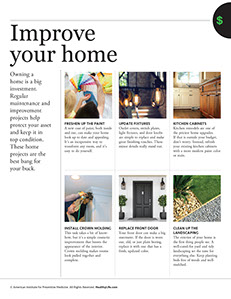
    Owning a home is a big investment. Regular maintenance and improvement projects help protect your asset and keep it in top condition. These home projects are the best bang for your buck.

    Freshen up the paint

    A new coat of paint, both inside and out, can make your home look up to date and appealing. It’s an inexpensive way to transform any room, and it’s easy to do yourself.

    Update fixtures

    Outlet covers, switch plates, light fixtures, and door knobs are simple to replace and make great finishing touches. These minor details really stand out.

    Kitchen cabinets

    Kitchen remodels are one of the priciest home upgrades.  If that is outside your budget, don’t worry. Instead, refresh your existing kitchen cabinets with a more modern paint color or stain.

    Install crown molding

    This task takes a bit of know-how, but it’s a simple cosmetic improvement that boosts the appearance of the interior. Crown molding makes rooms look pulled together and complete.

    Replace front door

    Your front door can make a big statement. If the door is worn out, old, or just plain boring, replace it with one that has a fresh, updated color.

    Clean up the landscaping

    The exterior of your home is the first thing people see. A well-cared-for yard and tidy landscaping set the tone for everything else. Keep planting beds free of weeds and well-mulched.
    © American Institute for Preventive Medicine

  • Beware Of Exercise Gimmicks

    BE FIT

    Image of man running outside.

    Let’s face it: working out is, well, work. It takes time and commitment to exercise regularly, and sticking to it can be tough.

    Exercise gimmicks and fads target the millions of people who want the benefits of exercise but may be looking for a quicker solution. Some products may claim to “spot reduce,” or slim one area of the body, such as the tummy or legs. Others may claim to give you the benefits of a long workout in just a few minutes.

    Sometimes it’s hard to tell whether something is an effective piece of equipment or a scam. Before purchasing, ask yourself if the product:

    *  Promises amazing results without any work or “sweat”

    *  Focuses on just one area of the body, saying you can trim this problem area

    *  Advertises that you can lose many inches or pounds in just a few days or weeks

    *  Doesn’t provide a clear cost for the equipment or only offers monthly payment plans

    Unfortunately, many of these products don’t do what they claim, and some may not work at all. But, you don’t need a device or special equipment to reap the benefits of exercise. You can lose weight and get healthier with just 30 minutes a day of activity. Walking, gardening, dancing and biking are possible options. Pick something you enjoy so you’ll stick with it. If you don’t have 30 minutes in your day, break it up into three 10-minute chunks.

    Instead of worrying about the latest fitness gimmick, stick to the activities listed above. Your health and fitness level will improve, and you can save your money for fitness rewards, such as a new pair of walking shoes or exercise clothes.

    Source: National Institute of Diabetes and Digestive and Kidney Diseases

    © American Institute for Preventive Medicine

  • Make The Most Of Your Health Care Dollars

    SELF-CARE CORNER

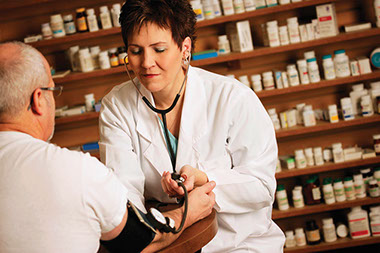
    Image of doctor taking a patient's blood pressure reading.

    So you’ve got that high deductible health plan or flexible spending account. How can you save money-and spend your dollars wisely? Blue Cross Blue Shield of Delaware offers these suggestions:

    *Stay in-network.Make sure your doctors, laboratory, and hospital are a part of your health plan’s provider network so you save on copays and coinsurance amounts.

    *Use alternatives to emergency services.A visit to the hospital ER is generally unnecessary for issues such as the flu, minor cuts and sprains, or urinary tract infections. Overall costs are usually lower at walk-in clinics and urgent care centers. Check your health plan’s provider directory for nearby centers.

    *Take the tests.Receive the screenings, tests, vaccines, and other care that your plan covers, as recommended by your doctor. When you and your family stay healthy, you can avoid doctor visits and time off from work.

    *Take your medicine.To receive the full benefit of your medicine, remember to take the recommended dosage for as long as your doctor prescribes it. People who take their medicine as prescribed need less health care-and less expensive care. If you don’t understand how to take your medicine, ask your doctor or pharmacist.

    *Find the best price for the medication you need.Always ask if a generic prescription drug or an over-the-counter (OTC) drug would be best for you. For any brand-name drug, research the manufacturer before you fill the prescription. Then check its website for any discount coupons or free copay programs that may be available for that drug.

    © American Institute for Preventive Medicine