Tag: vegan

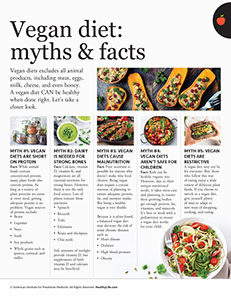
  • Vegan Diet: Myths & Facts

    HEALTHY EATING

    Stuffed butternut squash with chickpeas, cranberries, quinoa cooked in nutmeg, cloves, cinnamon.

    Vegan diets excludes all animal products, including meat, eggs, milk, cheese, and even honey. A vegan diet CAN be healthy when done right. Let’s take a closer look.

    Myth #1: Vegan diets are short on protein

    Fact: While animal foods contain concentrated protein, many plant foods also contain protein. As long as a variety of plant proteins are eaten at every meal, getting adequate protein is no problem. Vegan sources of protein include:

    *  Beans

    *  Legumes

    *  Nuts

    *  Seeds

    *  Soy products

    *  Whole grains such as quinoa, oatmeal, and millet

    Myth #2: Dairy is needed for strong bones

    Fact: Calcium, vitamin D, vitamin K, and magnesium are all essential nutrients for strong bones. However, dairy is not the only food source. Lots of plants contain those nutrients:

    *  Spinach

    *  Broccoli

    *  Tofu

    *  Edamame

    *  Beans and chickpeas

    *  Chia seeds

    Safe amounts of sunlight provide vitamin D, but supplements of both vitamin D and calcium may be beneficial.

    Myth #3: Vegan diets cause malnutrition

    Fact: Poor nutrition is possible for anyone who doesn’t make wise food choices. Being vegan does require a certain amount of planning to ensure adequate protein, fat, and nutrient intake. But being a healthy vegan is very doable.

    Because it is plant-based, a balanced vegan diet may decrease the risk of some chronic diseases such as:

    *  Heart disease

    *  Diabetes

    *  High blood pressure

    *  Obesity

    Myth #4: Vegan diets aren’t safe for children

    Fact: Kids can be healthy vegans, too. However, due to their unique nutritional needs, it takes extra care and planning to ensure their growing bodies get enough protein, fat, vitamins, and minerals. It’s best to work with a pediatrician to ensure a vegan diet works  for your child.

    Myth #5: Vegan diets are restrictive

    A vegan diet may not be for everyone. But, those who follow this way of eating enjoy a wide variety of delicious plant foods. If you choose to switch to a vegan diet, give yourself plenty of time to adapt to new ways of shopping, cooking, and eating.
    © American Institute for Preventive Medicine
  • Other Eating Patterns

    Healthylife® Weigh

    Part 7

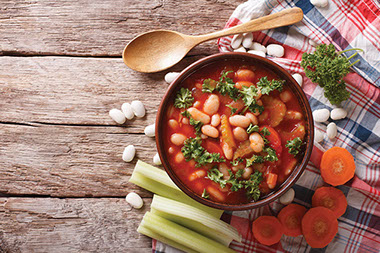
    Homemade bean soup.

    Vegetarian

    Vegetarian diets are plant-based eating patterns. There are variations of the vegetarian diet:

    *  Vegan: includes only foods from plants (e.g., vegetables, fruits, legumes, grains, seeds, and nuts). No foods from animal sources are included.

    *  Lacto-vegetarian: includes plant foods plus cheese and other dairy products.

    *  Lacto-ovo-vegetarian: includes plant foods, cheese, other dairy products, and eggs.

    Vegetarian diets are usually low in saturated fat because animal proteins, a source of saturated fat, are limited or eliminated. Eating a plant-based diet can lower your risk of obesity, coronary heart disease, high blood pressure, type 2 diabetes, and some forms of cancer.

    The healthy eating patterns in this guide encourage you to make most of your food choices from plants. If you follow a vegetarian diet, you don’t need to make many changes to the guidelines in this guide.

    Choose a variety of foods to obtain necessary nutrients. Choose plant-based protein sources. If consuming some animal-based protein sources, choose eggs, seafood, and low-fat dairy.

    Vegetarians are at higher risk for some vitamin and mineral deficiencies. You can obtain these nutrients by eating a variety of plant foods.

    *  Iron can be found in pumpkin seeds, dried beans, legumes, lentils, spinach, whole grains, and enriched products.

    *  Vitamin B12 can be found in fortified breakfast cereals, fortified soy beverages, and some brands of nutritional yeast.

    *  Vitamin D can be found in some mushrooms and pasture-raised eggs. It can also be obtained by spending time in sunlight for at least 15 minutes each day with your arms exposed.

    *  Zinc can be found in whole grains, quinoa, pumpkin seeds, chia seeds, pecans, walnuts, legumes, and shellfish.

    *  Calcium can be found in green leafy vegetables (e.g., spinach, kale), nuts, broccoli, legumes, soybean products, and fortified foods.

    If you are concerned about meeting nutrient requirements, have a dietitian take a closer look at your diet. You may need to take a supplement if you are struggling to meet nutritional requirements from food alone.

    Paleo Diet

    The paleo diet, created by Dr. Loren Cordein, is described as a “caveman” diet that our Paleolithic ancestors would have followed. This is a controversial claim and diet. However, following a paleo diet can point you in the direction of choosing some healthy foods. This diet includes grass-fed meats, fish/seafood, fresh fruits and vegetables, eggs, nuts, seeds, and healthy oils. These are all nutritious foods that fit into MyPlate.

    The diet excludes processed foods, refined sugar, salt, and refined vegetable oils (this guide also suggests you limit them). However, the paleo diet also excludes cereal grains, legumes, dairy, and potatoes. These foods are healthy choices and are included in a healthy eating plan.

    The paleo diet may be high in saturated fats and protein, which may increase risk for heart disease, kidney disease and some cancers if consumed for long periods of time. More research on the paleo diet’s long-term effects is needed. A paleo-themed cookbook or blog may give you ideas for preparing vegetables in different ways or using less sugar. However, avoid strictly following a diet that limits good sources of nutrients, like grains and legumes.

    © American Institute for Preventive Medicine
  • Meatless Meals (Try It)

    HEALTHY EATING

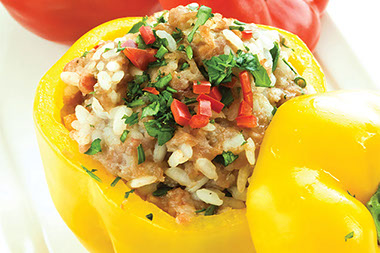
    Image of yellow and red peppers stuffed with rice and other vegetables.

    You don’t have to become a vegetarian to enjoy a meatless meal. Try working more meatless meals into your week, suggests the Recipe Doctor, Elaine Magee, MPH, RD, author of Food Synergy.

    *  Substitute a soy “meat” product for the meat ingredient in casseroles, stews, tacos, and chili.

    *  Break out a can of beans. They make great meal replacers because they’re super satisfying, with high amounts of protein and fiber. In a nice vegetable stew bursting with beans, you might not notice the meat is missing.

    *  Try a veggie potpie featuring potatoes, peas, mushrooms, and any other vegetables with vegetarian gravy and pie crust.

    *  Make Mexican dishes (burritos, nachos, enchiladas, for example) featuring beans and veggies instead of beef and chicken.

    *  Stir-fry Chinese cuisine with veggies and tofu and serve over rice or noodles.

    *  Stuff bell peppers with a mixture of rice with spices and vegetables plus vegetarian sausage, tofu, or beans to make the dish more satisfying.

    *  Layer lasagna with veggies instead of meat. Spinach replaces ground beef.

    *  A grilled Portobello mushroom can stand in for a burger on a bun.

    © American Institute for Preventive Medicine
  • Non-Dairy Calcium-Rich Foods

    HEALTHY EATING

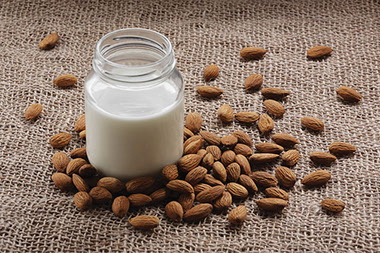
    Image of almond milk.

    Even if you can’t eat dairy, there are plenty of foods that can help you meet your recommended daily calcium intake.

    *  Calcium-fortified soy and almond milk

    *  Tofu

    *  Calcium-fortified orange juice

    *  Sardines

    *  Edamame

    *  Kale, collard greens, broccoli

    *  Figs

    *  White beans

    *  Okra

    © American Institute for Preventive Medicine