Tag: vegetables

  • Grow A Garden

    Healthylife® Weigh

    Part 7
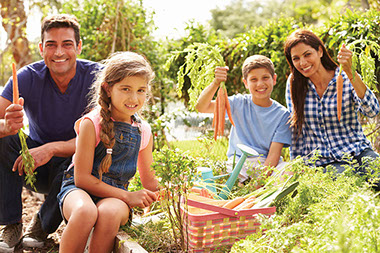
    Family tending to backyard garden.

    Growing your own food is a great way to know where your food comes from. Garden-fresh vegetables and fruits can have more flavor and nutrients than what is at the supermarket. You can also skip the drive to a store and get some sunshine and fresh air!

    Tips for Growing a Garden:

    1.Keep It Small.Keep the size of your garden small and choose a few vegetables to grow. You’ll need fewer supplies to get started. It’ll also take less time to maintain and you’ll have fewer issues to troubleshoot. Pick foods you like. Buy small seed packets at a grocery or gardening store.

    2.Use Containers.Containers can be moved around as needed. Containers can be flower pots, buckets, wooden boxes, or leftover food containers. Cut off the top of a gallon milk jug and use the bottom for a planter. If you are starting from seeds, start plants indoors and move the containers outside when they have started to sprout. Many plants can also be planted directly in the ground outside.

    3.Allow Drainage.Make sure water can drain from the containers. Poke holes in the bottom of containers that don’t already have holes. If plants are indoors or on a patio, put a dish under the pot to catch the water.

    4.Use Quality Soil.Fill the pots with dirt. Use organic potting soil to avoid chemical add-ins. Mix in peat moss to help the soil drain. Go to a store that carries garden supplies. Ask for advice. Or, talk to neighbors who have gardens to learn what works well for them.

    5.Season + Sunlight.Read the label on the back of a seed packet. It will tell you the right time of year to start your seeds. It will also tell you how much sunshine is needed. Some plants may grow best in hot, direct sunlight. Others may prefer shade and cooler temperatures. Most vegetables, on average, need about 6 hours of sunlight per day.

    6.Give Plants Space.Read the back of your seed packet. Plant your seeds according to package directions. Be sure to leave enough space between seeds. This will give plants enough room to develop strong root systems and produce healthy, tasty crops. If you are planting more than one vegetable in a container, look at tips on the seed packet for companion planting. Companion planting is putting plants next to each other that grow well together. Some vegetables, like tomatoes and kale, don’t like sharing pots but tomatoes and spinach are quite happy sharing space.

    7.Water Regularly.Give your plants the right amount of water. Check by sticking your finger in the dirt about an inch. If it feels wet or damp, the plant is probably getting enough water. If it feels dry, add some water. Don’t leave your plants in standing water. If water came out the bottom into another container you’re using to catch the water, empty this out. If the leaves are wilting or drooping, water may perk them up!

    8.Harvest When Ready.Keep up the care of your seeds and plants and before you know it, you’ll be eating what you grow!

    Visit these websites for more information:

    National Agricultural Library (USDA)

    www.nal.usda.gov/topics/home-gardening

    Centers for Disease Control and Prevention (CDC)
    www.cdc.gov/family/gardening

    © American Institute for Preventive Medicine
  • Fall In Love With Fall Vegetables

    HEALTHY EATING

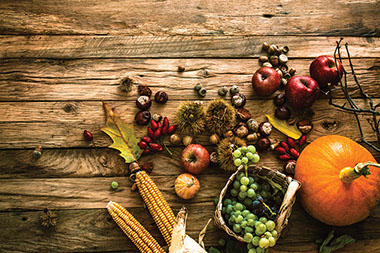
    Image of a variety of fall vegetables.

    Perhaps the days of watermelon and cucumbers are behind us for now, but fall has plenty of delicious in-season veggies and fruits to offer.

    Eating what’s “in season” often means you can get food that’s fresher, more nutritious, and costs less. Check out the grocery store or farmer’s market for some of these delicious fall favorites:

    *  Pumpkins

    *  Carrots

    *  Winter squash, such as acorn, butternut and buttercup

    *  Broccoli

    *  Cauliflower

    *  Sweet potatoes

    *  Mushrooms

    *  Spinach

    *  Grapes

    Of course, some produce is available year-round when it can be shipped from far away. But, check out where the food was grown to ensure you’re getting something fresh. The USDA requires that fresh and frozen fruits and vegetables, along with some meats and fish, have a label on them stating the “country of origin.” In general, the farther it’s had to travel, the less fresh it will be when it gets to your grocery store.

    Remember many of your favorites can be found in the frozen food section if it’s not available fresh at certain times of year.

    © American Institute for Preventive Medicine

  • Fiberize Your Kitchen

    HEALTHY EATING

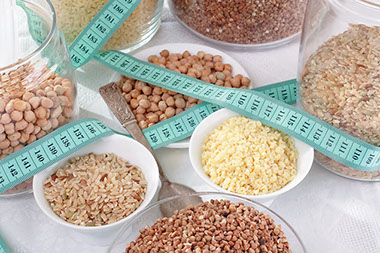
    Image of different grains in bowls and jars.

    To stock your kitchen with whole grains and fiber-containing foods from cupboard to refrigerator to freezer, use this handy list to get started, suggests Anita Kobuszewski, RD, author of Food: Field to Fork, How to Grow Sustainably, Shop Wisely, Cook Nutritiously, and Eat Deliciously. She reminded, “Remember-nutrition doesn’t begin until the food passes your lips.”

    *  Fresh and canned fruits and vegetables

    *  Dried fruits such as raisins and cranberries

    *  Preserves made with whole fruit

    *  Whole wheat, rye, cornmeal, soy, and buckwheat flours

    *  Whole-grain and fortified breads, crackers, bagels, and 100% whole wheat or whole-grain rolls

    *  Ready-to-eat fortified and whole-grain breakfast cereals

    *  Cooked cereals including quick-cooking whole-grains like oatmeal and quinoa

    *  Brown long-grain, brown short-grain, and wild rice

    *  Whole-grain spaghetti, macaroni, and other pastas

    *  Corn and whole wheat tortillas

    *  Air popped popcorn and lower fat microwave varieties

    *  Canned or dried garbanzo beans, pinto, black and lima beans; split peas, and black-eyed peas; refried beans, hummus

    *  Peanut butter

    *  Nuts (such as pecans, almonds, and walnuts) and seeds (such as flax seed, sesame, pumpkin, and sunflower seeds)

    *  Vegetable soups, chili with beans, minestrone

    *  Canned or frozen vegetarian dishes such as chili or cheese lasagna

    © American Institute for Preventive Medicine
  • The Grill Is For More Than Meat

    HEALTHY EATING

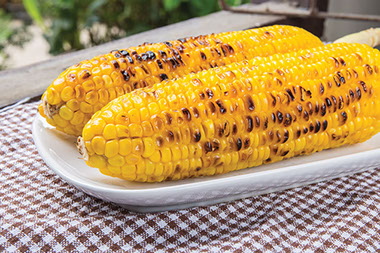
    Image of a grilled corn on the cob.

    If you love getting out the grill for summer meals, don’t stop at burgers and chicken. The grill is an excellent way to prepare some of summer’s most delicious fresh produce. The Produce for Better Health Foundation says you can use the grill to turn many familiar fruits and veggies into healthy and delicious treats. Try these suggestions:

    *  Fresh pineapple chunks can be grilled on skewers for a sweet twist for kabobs and salads.

    *  Cut peaches in half and remove pit. Grill on low, cut side down, for a few minutes.

    *  Corn can be soaked in water, husks on, and grilled. Once they’re cooked, the husks will slide right off, and you’ll have hassle-free corn!

    *  Toss summer squash or zucchini with a little olive oil and fresh herbs before grilling for a nutritious and tasty side dish.

    If you’ve never grilled these items before, don’t be afraid to give them a try. Test them out when you’ve got extra time and no guests coming over. Then you can perfect your method before you serve it to others.

    © American Institute for Preventive Medicine