Tag: veggies

  • Make Soup!

    Nutrition

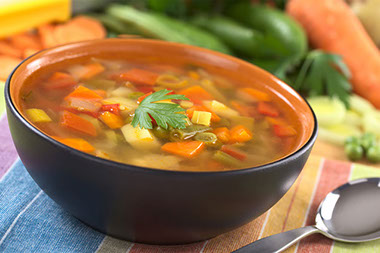
    Image of soup in bowl.

    People sip, slurp, and spoon soup not only for basic sustenance, but also to stay healthy. Chicken soup really does help relieve the nasal stuffiness of a cold. And studies show that soup can help you lose weight. Because soup is mostly liquid, it takes longer to eat than solid food. By the time you’ve sipped the last spoonful, your brain will have noticed that you’ve eaten, and shut off your appetite. If you’d quickly gobbled down a sandwich, your brain would still be asking “What’s for lunch?”

    Here are some tips for making soup that’s a bowlful of nutrition.

    *  Use skim milk instead of whole milk for creamed or condensed soups. You’ll save calories and add calcium, vitamin D, and protein.

    *  Soups that feature vegetables, beans, or rice add fiber and nutrients to your diet.

    *  Add the liquid left over from cooking vegetables to soup stock.

    *  Season homemade soup with herbs and seasonings like parsley, pepper, garlic powder, and onion powder, instead of salt.

    *  If you rely on commercially prepared soup for convenience, try to stick with reduced or low-sodium ones.
    Page from A Year of Health Hints book by the American Institute for Preventive Medicine. www.HealthyLife.com. All rights reserved.

    © American Institute for Preventive Medicine
  • Grill Master

    HEALTHY EATING

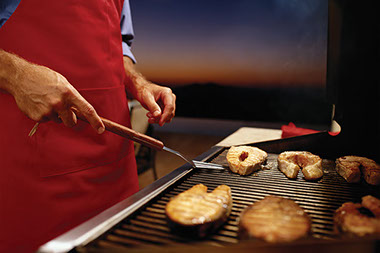
    Close up image of a person grilling.

    Charring, burning, or grilling meat, poultry, and fish over high temperatures causes heterocyclic amines (HCAs) to form. These HCAs can damage your genes and raise your risk for stomach and colorectal cancers, says The University of Texas MD Anderson Cancer Center. You can avoid HCAs:

    *  Use a marinade. Marinating meat in vinegar, lemon juice, and herbs such as mint, rosemary, tarragon, or sage can reduce HCA formation by as much as 96%. Just 30 minutes can help.

    *  Stick with fish. Fish contains less fat and cooks faster than meat and poultry.

    *  Lightly oil the grill. This keeps charred materials from sticking to your food.

    *  Pre-cook food. Cook meat, poultry, or fish in the microwave or oven for 2 to 5 minutes, then finish them on the grill.

    *  Lower the temperature. For a charcoal grill, spread the coals thinly or prop the grill rack on bricks. This reduces the heat by increasing the distance between your food and the coals. And use barbecue briquettes and hardwood products, such as hickory and maple. They burn at lower temperatures than softwood (pine) chips.

    *  Scrub the grill. Cleaning the grill after each use prevents harmful chemicals from building up and transferring to your food.

    © American Institute for Preventive Medicine