Tag: vision

  • Eye Injuries & Irritation

    First Aid

    Signs & Symptoms

    Signs and symptoms depend on the cause. Common symptoms are:

    *  Pain and/or swelling in or around the eye(s).

    *  The eyes burn, are dry, and/or itch.

    Causes

    For Eye Injuries

    *  A physical blow to the eye.

    *  Harsh chemicals.

    *  A foreign body is stuck in the eye.

    For Eye Irritation

    *  Particles in the eye.

    *  Too much sun exposure.

    *  Low humidity.

    *  Strong wind.

    *  Scratches from contact lenses.

    Other causes are allergies, infections, and conditions that make the eyes dry. With aging, the eyes can get irritated more easily because they make less tears.

    Treatment

    Mild eye irritations and injuries can be treated with self-care. More serious problems need medical care.

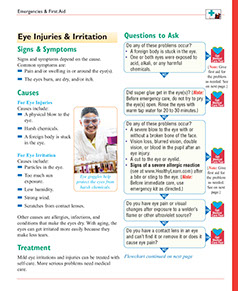
    Questions to Ask

    Self-Care / Prevention

    For a Foreign Body Sticking Into the Eye

    *  Do not remove the object.

    *  Don’t press on, touch, or rub the eye.

    *  Cover the injured eye with a clean object, such as a paper cup that will shield, but not touch the eye or the foreign object. Use tape to hold the cup in place without putting pressure on the eye or the foreign object.

    *  Gently cover the uninjured eye with a clean bandage and tape, too. This helps to keep the injured eye still. Get Immediate Care!

    For Harmful Chemicals in the Eye(s)

    *  Flush the eye(s) with water immediately!

    *  Hold the injured eye open with your thumb and forefinger. At the faucet or with a pitcher or other clean container, flush the eye with a lot of water. Start at the inside corner and pour downward to the outside corner. This lets the water drain away from the body and keeps it from getting in the other eye.

    *  Keep pouring the water for 10 to 30 or more minutes. Flush the eye with water until you get medical help.

    *  If both eyes are injured, pour water over both eyes at the same time. Or, flush one eye at a time with water. Switch back and forth quickly to treat both eyes. Or, place the face in a sink or container filled with water. Tell the person to move his or her eyelids up and down and remove the face from the water to take breaths. Use this method if chemicals get in your eyes and you are alone.

    *  Loosely bandage the eye with sterile cloth and tape. Don’t touch the eye. Get Medical Care Right Away!

    For a Bruise from a Minor Injury that Surrounds the Eye, But Does Not Damage the Eye Itself

    *  Put a cold compress over the injured area right away. Do this for 15 minutes, every hour, for 48 hours.

    *  Take an over-the-counter medicine for the pain and swelling.

    *  After 48 hours, put a warm compress over the injured area.

    *  Seek medical care if these measures do not help.

    To Remove a Foreign Particle On the White of the Eye or Inside the Eyelids

    *  Do not remove an object stuck in the eye, a metal chip, or a foreign body over the colored part of the eye.

    *  Wash your hands.

    *  If the foreign object is under the upper lid, look down and pull the upper lid away from the eyeball by gently grabbing the eyelashes. Press a cotton-tipped swab down on the skin surface of the upper eyelid and pull it up and toward the brow. The upper lid will invert.

    *  Twist a piece of tissue. Moisten the tip with tap water (not saliva). Gently try to touch the speck with the tip. Carefully pass the tissue over the speck which should cling to the tip.

    *  Do not rub the eye or use tweezers or anything sharp to remove a foreign object.

    *  Gently wash the eye with cool water.

    For Dry, Irritated Eyes

    With your doctor’s okay, use over-the-counter artificial tear drops, such as Ocu-Lube. Refrigerate the solution, if needed. Wash your hands before using.

    For an Insect Bite Without a Severe Allergic Reaction

    *  Wash the eye(s) with warm water.

    *  Take an antihistamine if okay with your doctor.

    Prevention

    *  Wear safety glasses when your eyes are exposed to sawdust, etc. Wear sunglasses that block UV rays.

    *  When using harsh chemicals, wear rubber gloves and protective glasses. Don’t rub your eyes if you’ve touched harsh chemicals. Turn your head away from chemical vapors.

    *  To help prevent dry eyes, use a humidifier. Limit exposure to smoke, dust, and wind. Don’t drink alcohol.

    *  Use artificial tear drops with your doctor’s okay.

    *  Don’t stare directly at the sun, especially during a solar eclipse.

    *  Don’t use eye makeup when an allergy or chemical irritant bothers your eye(s).

    *  Don’t allow a child to stick his or her head out of the window of a moving car, etc. Sand, insects, and other flying objects can strike the eye and irritate or damage the cornea.

    *  Don’t let children play with or near sparklers, bottle rockets, and other fireworks.
    Healthier at Home book by the American Institute for Preventive Medicine. www.HealthyLife.com. All rights reserved.

    © American Institute for Preventive Medicine
  • Eye Problems

    Children’s Health

    Signs, Symptoms & Causes

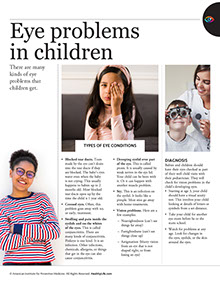
    There are many kinds of eye problems that children get. Here are some of them:

    *  Blocked tear ducts. Tears made by the eye can’t drain into the tear ducts if they are blocked. The baby’s eyes water even when the baby is not crying. This usually happens to babies up to 2 months old. Most blocked tear ducts open up by the time the child is 1 year old.

    *  Crossed eyes. Often, this problem goes away with no treatment.

    *  Swelling and pain inside the eyelids and on the whites of the eyes. This is called conjunctivitis. There are many kinds of conjunctivitis. Pinkeye is one kind. It is an infection. Other infections, chemicals, allergens, or things that get in the eye can also cause conjunctivitis.

    *  Drooping eyelid over part of the eye. This is called ptosis. It is usually caused by weak nerves in the eye lid. Your child can be born with it. Or it can happen with another muscle problem.

    *  Sty. This is an infection on the eyelid. It looks like a pimple. Most sties go away with home treatments.

    *  Vision problems. Here are a few examples:

    – Nearsightedness (can’t see things far away).

    – Farsightedness (can’t see things close up).

    – Astigmatism (blurry vision from an eye that is not shaped right, or from losing an eye).

    It’s hard to know if your child has vision problems until he or she is 3 years old. (The eye is still developing until then.)

    *  Take your child for their first  eye exam at 3 years old.

    *  Take your child for another eye exam before he or she starts school.

    *  Watch for problems at any age. Look for changes in the eyes, eyelids, or the skin around the eyes.

    Questions to Ask

    Self-Care

    A doctor should treat a hurt or infected eye. But you can treat some eye problems at home.

    *  For a blocked tear duct:

    1. Wash your hands.

    2. Press gently on the inner corner of the eye with a cotton swab. Press up, not down, for a few seconds to a few minutes.

    *  For dry eyes, try over-the-counter “tears.” Some kinds are Ocu-Lube®, Refresh®, or Liquifilm®. Wash your hands before you put drops in the eyes. If your child’s eyes don’t get better, take him or her to the doctor.

    *  To help with an insect bite, gently wash the eyes with warm water.

    *  To help the pain of a hurt eye that is not infected:

    – Put a warm (not hot), wet wash cloth on the eye for 5 minutes. Do this 2 or 3 times a day.

    – Use over-the-counter eye drops.

    – Don’t  let your child wear contact lenses or makeup until the eye is better.

    *  If the eye is infected:

    – Wash your hands and your child’s hands every time you touch the eye. (Pinkeye is very easy to catch.)

    – Don’t  share a towel with someone who has pinkeye.

    – Keep your child away from light if he or she got pinkeye from the measles.

    – Don’t  cover the eye. This can make the infection worse.

    *  Here’s how to get something out of your child’s eye: (Make sure you can see the speck before you try to get it out.)

    1. Wash your hands.

    2. Drip clean water into the eye to rinse it.

    3. Twist a piece of tissue at each end. Wet the tip with tap water, not spit. Gently touch the speck with the tip. The speck should stick to the tip.

    – Tell your child to look down if the speck is under the upper lid. Pull the upper lid away from the eye. Do this by gently pulling on the eyelashes. When you can see the speck, try to touch it with the tissue.

    – Don’t  rub the eye. And never use anything sharp to touch your child’s eye.

    4. Gently wash the eye with cool water.

    *  To help with pain from a sty:

    – Put a warm (not hot), wash cloth on the sty 3 or 4 times a day for 5 or 10 minutes each time.

    – Keep your child away from dust and dirt that can get in his or her eyes.

    – Don’t poke or squeeze the sty!

    Children's Self-Care book by the American Institute for Preventive Medicine. www.HealthyLife.com. All rights reserved.

    © American Institute for Preventive Medicine
  • Guard Against Macular Degeneration

    Mature Health: Over Age 50

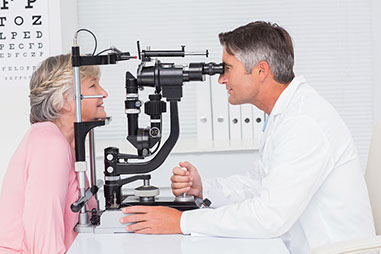
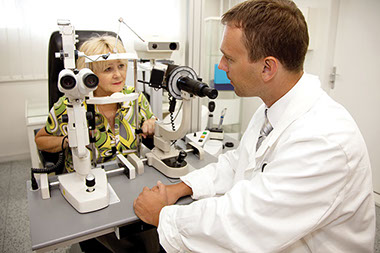
    Image of mature women receiving an eye exam.

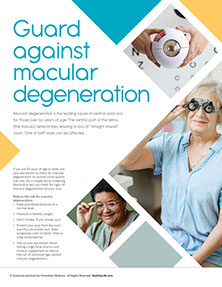
    Macular degeneration is the leading cause of central vision loss for those over 55 years of age. The central part of the retina (the macula) deteriorates, leading to loss of “straight ahead” vision. One or both eyes can be affected. If you are 50 years of age or older, ask your eye doctor to check for macular degeneration at routine vision exams. Ask, too, for a simple home screening device that lets you check for signs of macular degeneration on your own.

    To reduce the risk for macular degeneration:

    *  Keep your blood pressure at a normal level.

    *  Maintain a healthy weight.

    *  Don’t smoke. If you smoke, quit.

    *  Protect your eyes from the sun’s harmful ultraviolet rays. Wear sunglasses with UV block. Wear a wide-brimmed hat.

    *  Talk to your doctor about taking a high dose vitamin and mineral supplement to reduce the risk of advanced age-related macular degeneration.

    A Year of Health Hints book by the American Institute for Preventive Medicine. www.HealthyLife.com. All rights reserved.

    © American Institute for Preventive Medicine
  • See The Light In Healthy Ways

    Eye Conditions

    Women wearing sunglasses with a huge smile.

    *  Compact fluorescent light bulbs (CFLs) uses 75% less energy and last 10 times longer than incandescent bulbs, but contain tiny amounts of mercury. Recycle them according to your state’s guidelines. To safely dispose of a broken CFL, follow EPA guidelines fromepa.gov/hg.

    *  Wear eyewear that protects your eyes from ultraviolet (UV) light when it is sunny and even on cloudy days. Choose sunglasses that block 99 to 100% of both UVA and UVB rays.

    *  Wear a wide-brimmed hat during outdoor activities.

    *  Open blinds and curtains to let daylight fill rooms during the day.

    *  Install a skylight or solar panels for light and warmth and to save on cooling, heating, and lighting costs.

    *  Turn off lights when not in use. Install motion sensors, timers, and task lighting to save on light usage. One to two hours before bedtime, dim the lights.

    *  Wear protective eyewear during sporting events. Before mowing the lawn, look for and remove debris.

    Health at Home Lifetime book by the American Institute for Preventive Medicine. www.HealthyLife.com. All rights reserved.

    © American Institute for Preventive Medicine

  • Tips To Protect Your Eyes

    Eye Conditions

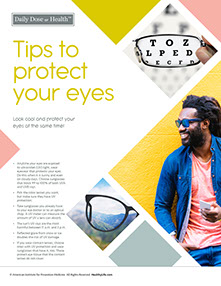
    Man smiling wearing dark sunglasses.

    Look cool and protect your eyes at the same time!

    *  Anytime your eyes are exposed to ultraviolet (UV) light, wear eyewear that protects your eyes. Do this when it is sunny and even on cloudy days. Choose sunglasses that block 99 to 100% of both UVA and UVB rays.

    *  Pick the color lenses you want, but make sure they have UV protection.

    *  Take sunglasses you already have to your eye doctor or to an optical shop. A UV meter can measure the amount of UV a lens can absorb.

    *  The sun’s UV rays are the most harmful between 11 a.m. and 3 p.m.

    *  Reflected glare from snow or ice doubles the risk of UV damage.

    *  If you wear contact lenses, choose ones with UV protection and wear sunglasses that have it, too. These protect eye tissue that the contact lenses do not cover.

    Health at Home Lifetime book by the American Institute for Preventive Medicine. www.HealthyLife.com. All rights reserved.

    © American Institute for Preventive Medicine

  • Cataract Facts

    WELL-BEING

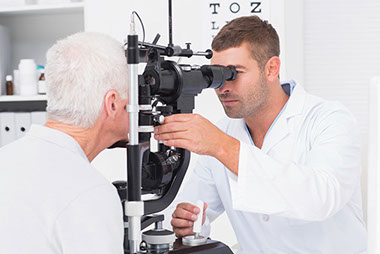
    Image of eye doctor and patient.

    With aging comes the possibility of developing cataracts. In fact, age is the primary risk factor for developing a clouding of the lens of one or both eyes.

    Smoking and diabetes may contribute to the proteins in the eye that clump together and begin to cloud vision, but wear and tear over the years is the main culprit, according to the National Eye Institute.

    If you have trouble identifying blues and purples, you may have what is called lens discoloration from a cataract forming. The condition can begin as early as age 40, but after age 60 is when cataracts start to reduce the sharpness of your vision.

    Other signs of cataract formation include glaring headlights and poor night vision, double vision, faded colors, or frequent prescription changes in your eyeglasses or contacts.

    Wearing sunglasses and a hat with a wide brim to block ultraviolet sunlight may help to delay cataracts. If you smoke, stop. Researchers also believe good nutrition can help reduce the risk of age-related cataract. They advise eating green leafy vegetables, fruit, and other foods with antioxidants.

    If you are age 60 or older, you should have a comprehensive dilated eye exam at least once every 2 years. In addition to checking for cataracts, your eye care professional can check for signs of age-related macular degeneration, glaucoma, and other vision disorders. Early treatment for many eye diseases may save your sight.

    © American Institute for Preventive Medicine

  • Eye-Popping Facts

    WELL-BEING

    Image of 2 young brothers using a tablet at bedtime.

    Kids (and adults) are spending hours using electronics such as iPads, video games, computers, and smartphones. How much is too much for your eyes when it comes to digital device use?

    Eye strain or Computer Vision Syndrome (CVS) is a serious condition that can cause back and neck pain, dry eye, and even headaches. Statistics show that 80% of what we learn is through our eyes, which means that digital eyestrain and CVS can have a major impact on productivity and success.

    VSP optometrist, Dr. Nate Bonilla-Warford suggests these eye-easing ways to avoid digital eye strain:

    *Blink often:When looking at a computer or hand-held digital device, it’s common for you to blink 2 to 3 times less than you normally would. This can lead to “dry eye.” Blinking bathes your eyes in tears, and tears are naturally helpful for the eyes.

    *Follow the 20/20/20 rule:When spending long periods in front of a digital device, every 20 minutes, spend 20 seconds looking at something 20 feet away to allow your eyes to rest.

    *Ensure proper lighting:Poor lighting often causes eye strain. To help ease the strain on your eyes, keep bright lighting overhead to a minimum and position your desk lamp to shine on your desk, and not at you.

    *Wear it:If you or your child wears prescription glasses-for digital use or otherwise-make sure to have them on.

    © American Institute for Preventive Medicine
  • Is 3D As Dangerous As The Warnings?

    WELL-BEING

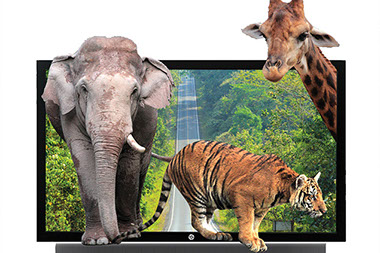
    Illustration of a TV with wild animlas appearing to come out of the television set.

    Have you read the warnings on a 3D TV or gaming system? Can 3D actually cause altered vision, lightheadedness, twitching, nausea, disorientation, especially for children and the elderly?

    Through these disclaimers, companies may have been scaring away the customers they seek, but medical evidence does not back up the claims.

    Professional eye photographer Timothy Bennett of Penn State Hershey Eye Center said there are no health issues associated with 3D imaging. Some people experience headaches or dizziness, but these are temporary. The images may be disorienting, but as soon as you stop looking at 3D, the feelings clear up.

    He recommends sitting far from the screen, especially if you are sensitive, and take breaks from gaming or watching 3D TV.

    Some people experience headaches or dizziness, but these are temporary.

    © American Institute for Preventive Medicine
  • Prevent Vision Loss

    SELF-CARE CORNER

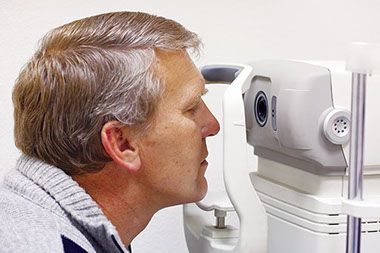
    Image of older man getting an eye exam.

    Glaucoma is a leading cause of irreversible blindness. When glaucoma is treated in its early stages, vision loss can be prevented. Yet studies show that more than half of people with glaucoma don’t use their medications properly.

    The American Academy of Ophthalmology offers this advice:

    *Be honest with your eye doctor about your medication difficulties.Missed a dose? It may not seem to matter much, but research shows that skipping doses can cause your glaucoma to become more severe. Ask about the best way to make up for a missed dose and how to manage your medications.

    *Use memory aids.The most common reason for not taking eye drops is forgetfulness. Try simple memory aids like linking your eye drop schedule to other things you do routinely such as brushing your teeth. Mark times you take your medication on a calendar. Set an alarm on your smartphone.

    *Perfect the “pocket.”Giving yourself eye drops can be challenging. In fact, research has shown that nearly 30% of people taking glaucoma medication are not properly applying their eye drops. Gently pull and pinch the lower lid to make a pocket to catch your drops. Once the drops are in, close your eyes (do not blink) and apply pressure to the point where the lids meet the nose for 2 to 3 minutes. Maybe a loved one can help you apply the drops at home.

    Who’s at risk for developing glaucoma?

    Risk factors include age, family history of glaucoma, African-American and Hispanic-American ancestry, diabetes, and past eye injuries. The American Academy of Ophthalmology recommends that all people get an eye exam by age 40, especially those who have a higher risk of glaucoma.

    © American Institute for Preventive Medicine

  • Simple Steps To Save Your Sight

    WELL-BEING

    Image of older male getting eyes checked by a doctor.

    Age-related macular degeneration (AMD) is the number one cause of blindness in older adults. AMD damages central vision, which means things like reading, driving and seeing faces are limited or impossible. There is no cure for AMD, but there are procedures and steps you can take to help save vision. Lower your risk of getting AMD with these tips:

    *Don’t smoke.Studies show that smoking increases the risk of AMD. Smokers are twice as likely to get AMD as nonsmokers. If you do smoke, take steps to quit.

    *Know your family history.People with a close relative who has AMD have a 50 percent chance of getting AMD. Detecting AMD early means you could save your vision.

    *Eat a healthy diet.People who eat omega-3 fatty acids, found in fatty fish, are less likely to get AMD. Also, focus on eating leafy greens such as spinach, kale and leafy lettuce. Eat plenty of whole fruits (not fruit juice).

    *Limit unhealthy fats and cholesterol.Eating a lot of saturated fat and cholesterol raises the risk of getting AMD. Avoid processed (packaged) foods with unhealthy saturated and trans fats.

    *Be active.Exercise may keep your eyes healthy. Exercising at least three times per week can reduce your risk of getting AMD.

    *See your eye doctor regularly.An eye doctor can catch AMD early with an eye exam. Find out how often you should have your eyes checked.

    *Protect your eyes from the sun.Always wear sunglasses that have 100 percent UV protection when you are outside. For additional coverage, wear a wide-brimmed hat.

    *Get regular checkups from your doctor.Keeping cholesterol, blood sugar and blood pressure under control also helps maintain healthy eyes.

    *Your vision is too important to leave to chance.A healthy lifestyle and good medical care can help you avoid AMD or catch it early, before it damages your sight.

    Sources: American Academy of Ophthalmology, American Macular Degeneration Foundation

    © American Institute for Preventive Medicine