
Tag: visit

  • How To Make The Most Of A Doctor Visit

    Medical Care

    Image of doctor and patient talking.

    When a doctor knows how to really communicate well with a patient, it can make a big difference in how that patient responds. But communication is a two-way process. Listening as well as speaking to one another is something both doctor and patient must work on together. Being honest and open with each other is also important.

    What Your Doctor Should Know about You

    Aside from a general health history, it is important that your doctor ask certain questions about the following:

    *  Dietary habits (Are you a frequent junk-food eater? Are you especially fond of cheesecake, sour cream, or other fatty foods?)

    *  Your occupation (Do you work in a high-stress job? Are you exposed to nickel, nuclear power radiation, or other toxic substances?)

    *  Sleep habits (Do you frequently awaken before dawn or have problems getting to sleep?)

    *  Family problems (Are you currently going through a divorce?)

    *  Lifestyle (Do you get any exercise?)

    *  Stress (Do you work in a noisy environment?)

    *  Health attitude (Are you serious about quitting smoking?)

    *  History of family illness (Does heart disease, high blood pressure, diabetes, kidney problems, or cancer run in your family?)

    *  Major life events (Have you recently retired from work?)

    *  Living arrangements (Do you live alone?)

    Quizzing Your Doctor

    Often, patients feel rushed or uneasy during a doctor visit. And when you’re sick, there is a tendency to feel vulnerable and passive. But by heeding these suggestions, you can still make the most of your doctor-patient communications.

    *  Repeat back in your own words what the doctor has told you.

    *  Use simple phrases like “Do I hear you say that…  ?” or “My understanding of the problem is. . .”

    *  Plan ahead of time what you will say to your doctor about your problem. Your observations about a health problem can be invaluable in making a diagnosis.

    *  Take notes on what is wrong and what you need to do.

    *  If you are confused by medical terms, ask for simple definitions. There is no need to be embarrassed by this.

    *  When a medication is prescribed, ask about its possible side effects, its effectiveness, and how long it must be taken.

    *  If your doctor discusses surgery, ask about alternatives, risks, and a second opinion.

    *  Be frank with the doctor if any part of the office visit is annoying, such as lengthy waiting time or discourteous staff. Be tactful, but honest.

    *  Don’t be afraid to voice your fears or apprehensions about what you’ve heard. The doctor may be able to clarify any misconceptions.

    *  Discuss any self-care practices you’ve used that have relieved symptoms.

    *  Find out the best time for the doctor to receive your phone calls should any questions arise.
    Page from A Year of Health Hints book by the American Institute for Preventive Medicine. www.HealthyLife.com. All rights reserved.

    © American Institute for Preventive Medicine
  • A Routine Checkup

    Medical Exams

    A routine checkup from a doctor or health care provider is a way to find out your health status. It allows you to ask questions, too. It also helps you find out if you have a health problem you don’t know about. Some diseases, such as high blood pressure and some cancers, may not have symptoms in the early stages. Tests and exams can help detect these.

    The Basic Parts of a Checkup

    *  A complete medical history. This includes family health history, past illnesses, and current problems.

    *  A check on how well your eyes, ears, heart, bowels, etc. function.

    *  A check of your blood pressure, pulse, temperature, etc.

    *  A medical exam.

    *  Possible routine tests for your conditions, gender, or age, such as blood tests or X-rays.

    *  A check of specific health concerns.

    *  Vaccinations, as needed.

    Page from the Healthier at Home book by the American Institute for Preventive Medicine. www.HealthyLife.com. All rights reserved.

    © American Institute for Preventive Medicine
  • 5 Must-Ask Questions For Your Next Checkup

    SELF-CARE CORNER

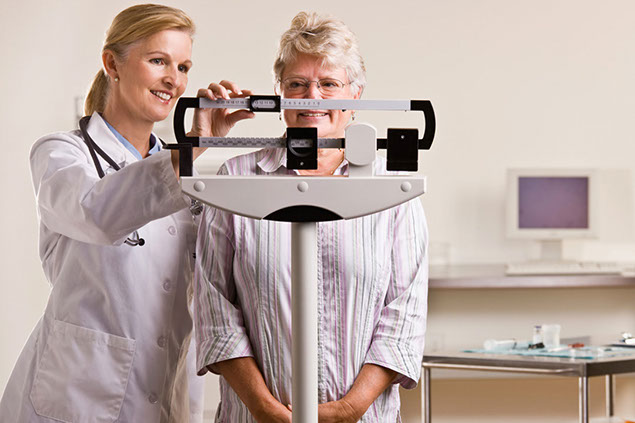
    Image of doctor and patient with thumbs up.

    Got a checkup coming up? Don’t let your doctor do all the talking. Speak up – and ask these important questions to get the most out of your visit. If you don’t understand an answer, always ask him or her to clarify. Your doctor wants to be sure you leave the office knowing how to get – or stay – healthy.

    Are there any vaccines I should get?

    Vaccines aren’t just for kids. Many important vaccines are

    given in the adult years, including:

    *  Influenza (flu)

    *  Tdap (tetanus, diphtheria, and pertussis)

    *  Shingles

    *  Pneumococcal (Pneumovax or Prevnar 13)

    *  Measles, mumps, rubella (MMR)

    The vaccines you need will depend on your age and health status. Your doctor is the best person to help you get fully protected from many diseases.

    Do you have my most recent family history?

    Tell your doctor if you have a family member with health conditions. This history helps you and your doctor think about what health conditions could affect you in the future. Catching problems early boosts your chances of successful treatment.

    Am I due for any cancer or health screenings?

    Your age, gender, family history, and current health all play a role in what tests you may need. High cholesterol, high blood pressure, depression, certain cancers, and diabetes are just a few of the conditions that can be found through preventive care.

    What can I do to feel my best?

    Whether it’s quitting smoking, weight loss, stress management, or other health tips, ask your doctor about your health concerns. Even if you’ve tried in the past to manage these issues, your doctor may have some fresh ideas or tips that could help. Or, if you’re feeling great and in excellent health, talk about ways you can maintain healthy habits in the months and years ahead.

    When should I have my next doctor’s visit?

    Follow-up visits may be needed if you’re managing certain health problems like diabetes or high blood pressure. Even if you don’t have health issues, regular checkups are important. Your doctor can tell you when you should come back for your next visit based on your age and any health concerns.

    Sources: Centers for Disease Control and Prevention, U.S. Department of Health and Human Services

    © American Institute for Preventive Medicine