Tag: vitamins

  • Get More Of These 4

    HEALTHY EATING

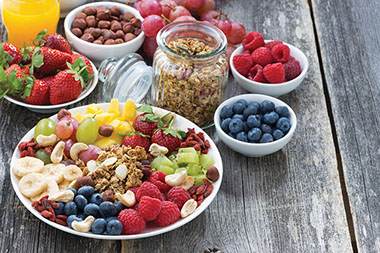
    Dishes filled with berries, nuts and fruits.

    The 2015-2020 Dietary Guidelines for Americans state that four nutrients are a “public health concern.” Many people are not getting enough:

    *  Calcium

    *  Fiber

    *  Potassium

    *  Vitamin D

    Try these tips to get more:

    1.  Eat more vegetables, fruits and legumes. These foods are rich sources of fiber and potassium. High-fiber bran cereal and shredded wheat also pack a fiber punch.

    2.  Eat more yogurt and drink milk. Both are good sources of calcium, potassium and vitamin D. Avoid sweetened yogurt. Instead, buy plain yogurt and add fresh fruit.

    3.  Eat seafood that’s high in vitamin D. This includes salmon, trout, whitefish, herring and tuna. Pregnant and nursing women should ask a doctor how much seafood they can eat.

    4.  Consider healthy foods that have vitamin D added, like soy milk, orange juice, dairy products and cereals.

    © American Institute for Preventive Medicine

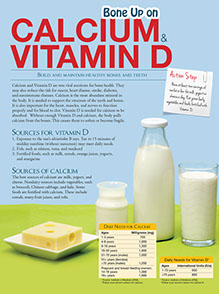
  • Bone Up On Calcium & Vitamin D

    Nutrition

    Build and maintain healthy bones and teeth.

    Calcium and Vitamin D are two vital nutrients for bone health. They may also reduce the risk for cancer, heart disease, stroke, diabetes, and autoimmune diseases. Calcium is the most abundant mineral in the body. It is needed to support the structure of the teeth and bones. It is also important for the heart, muscles, and nerves to function properly and for blood to clot. Vitamin D is needed for calcium to be absorbed. Without enough Vitamin D and calcium, the body pulls calcium from the bones. This causes them to soften or become fragile.

    Sources for vitamin D:

    1.  Exposure to the sun’s ultraviolet B rays. Ten to 15 minutes of midday sunshine (without sunscreen) may meet daily needs.

    2.  Fish, such as salmon, tuna, and mackerel

    3.  Fortified foods, such as milk, cereals, orange juices, yogurts, and margarine

    Sources of calcium:

    The best sources of calcium are milk, yogurt, and cheese. Non dairy sources include vegetables, such as broccoli, Chinese cabbage, and kale. Some foods are fortified with calcium. These include cereals, many fruit juices, and tofu.

    Daily Needs for Calcium*

    Ages

    1-3 years

    4-8 years

    9-18 years

    19-50 years

    51-70 years (males)

    51+ years (females)

    >70 years (males)

    Pregnant and breast-feeding women:

    14-18 years

    19+ years

    Milligrams (mg)

    700

    1,000

    1,300

    1,000

    1,000

    1,200

    1,300

    1,000

    * Source: Institute of Medicine (IOM).

    * Follow your doctor’s advice for calcium.

    Daily Needs for Vitamin D*

    Ages

    1-70 years

    >70 years

    International Units (IUs)

    600

    800

    * Source: Institute of Medicine (IOM). The National Osteoporosis Foundation advises 400-800 IUs for adults under age 50 years; 800-1,000 IUs for adults age 50 years and older.

    * Follow your doctor’s advice for vitamin D.

    Action Step

    Have at least two servings of nonfat or low-fat milk, yogurt or cheese a day. Eat green leafy vegetables and foods fortified with Vitamin D.

    Page from Ways to Well-Being book by the American Institute for Preventive Medicine. www.HealthyLife.com. All rights reserved.

    © American Institute for Preventive Medicine

  • Eat Your Greens

    HEALTHY EATING

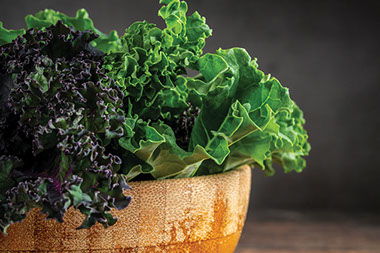
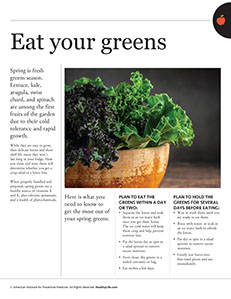
    Variety of greens.

    Spring is fresh greens season. Lettuce, kale, arugula, swiss chard, and spinach are among the first fruits of the garden due to their cold tolerance and rapid growth.

    While they are easy to grow, their delicate leaves and short shelf life mean they won’t last long in your fridge. How you clean and store them will determine whether you get a crisp salad or a bitter bite.

    When properly handled and prepared, spring greens are a healthy source of vitamins A and K, plus calcium, potassium, and a wealth of phytochemicals.

    Here is what you need to know to get the most out of your spring greens:

    Plan to eat the greens within a day or two:

    *  Separate the leaves and soak them in an ice-water bath once you get them home. The ice-cold water will keep them crisp and help prevent nutrient loss.

    *  Pat the leaves dry or spin in a salad spinner to remove excess moisture.

    *  Store clean, dry greens in a sealed container or bag.

    *  Eat within a few days.

    Plan to hold the greens for several days before eating:

    *  Wait to wash them until you are ready to eat them.

    *  Rinse with water, or soak in an ice water bath to refresh the leaves.

    *  Pat dry or spin in a salad spinner to remove excess moisture.

    *  Gently tear leaves into bite-sized pieces and use immediately.

    © American Institute for Preventive Medicine

  • Eat Your Vitamins For Good Health

    HEALTHY EATING

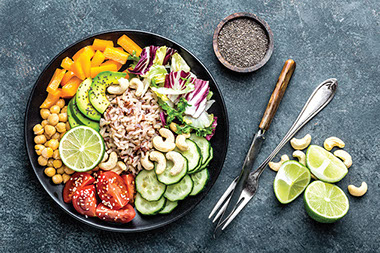
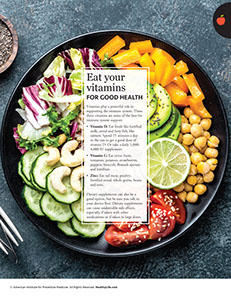
    Bowl of vegetables with rice and chickpeas.

    Vitamins play a powerful role in supporting the immune system. These three vitamins are some of the best for immune system support:

    *  Vitamin D: Eat foods like fortified milk, cereal and fatty fish, like salmon. Spend 15 minutes a day in the sun to get a good dose of vitamin D. Or take a daily 1,000-4,000 IU supplement.

    *  Vitamin C: Eat citrus fruits, tomatoes, potatoes, strawberries, peppers, broccoli, Brussels sprouts and kiwifruit.

    *  Zinc: Eat red meat, poultry, fortified cereal, whole grains, beans and nuts.

    Dietary supplements can also be a good option, but be sure you talk to your doctor first. Dietary supplements can cause undesirable side effects, especially if taken with other medications or if taken in large doses.

    © American Institute for Preventive Medicine

  • Nutrition For Children

    Children’s Health

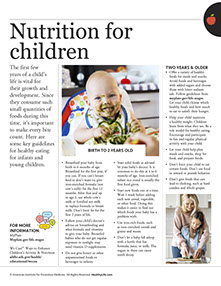
    Image of toddler eating a strawberry.

    Birth to 2 Years Old

    *  Breast-feed your baby from birth to 6 months of age. Breast-feed for the first year, if you can. If you can’t breast-feed or don’t want to, give iron-enriched formula (not cow’s milk) for the first 12 months. After that and up to age 2, use whole cow’s milk to replace formula or breast milk. Don’t limit fat for the first 2 years of life.

    *  Follow your child’s doctor’s advice on breast-feeding and what formula and vitamins to give your baby. Breast-fed babies who do not get regular exposure to sunlight may need vitamin D supplements.

    *  Start solid foods as advised by your baby’s doctor. It is common to do this at 4 to 6 months of age. Iron-enriched infant rice cereal is usually the first food given.

    *  Start new foods one at a time. Wait 1 week before adding each new cereal, vegetable, or other food. Doing this makes it easier to find out which foods your baby has a problem with.

    *  Use iron-rich foods, such as grains, iron-enriched cereals, and meats.

    *  Do not give honey to infants during the first 12 months of life.

    *  Don’t let a baby fall asleep with a bottle that has formula, juice, or milk. The sugars in these can cause tooth decay.

    Two Years and Older

    *  Give a variety of healthy foods for meals and snacks. Follow guidelines from theChooseMyPlate.gov/kidsWeb site. Let your child choose which healthy foods and how much to eat to satisfy his or her hunger.

    *  Help your child maintain a healthy weight. Give proper foods. Promote regular exercise. Lead by example. Children learn from what they see parents do, as well as, from what parents say. Eat with your children. Be a role model for good eating. Exercise, too.

    *  Let your child help plan meals and snacks, shop for food, and prepare foods.

    *  Don’t force your child to eat certain foods. Don’t use food to reward or punish behavior.

    *  Don’t give foods that can lead to choking, such as hard candies and whole grapes.

    *  Teach healthy behaviors in a fun way. For ideas to help get children to eat well and be more active, access the Web sites under “Resources”.

    Resources

    5-2-1-0 Let’s Go!

    www.letsgo.org

    ChooseMyPlate.gov

    www.choosemyplate.gov/kids/index.html

    We Can!™ Ways to Enhance Children’s  Activity & Nutrition

    www.nhlbi.nih.gov/health/educational/wecan

    Page from Healthier at Home book by the American Institute for Preventive Medicine. www.HealthyLife.com. All rights reserved.

    © American Institute for Preventive Medicine

  • Fruits & Vegetables

    Healthylife® Weigh

    Part 2

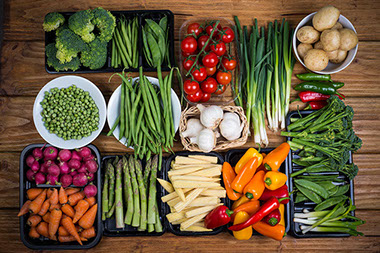
    A variety of vegerables.

    Fruits & vegetables make up the biggest part of MyPlate.

    Why should I eat fruits & vegetables?

    1. Fruits & vegetables are packed with nutrients. They provide essential vitamins and minerals, fiber, and a variety of phytochemicals (plant chemicals) that may play a role in preventing certain diseases.

    2. Fruits & vegetables contain water that helps you stay hydrated.

    3. Fruits & vegetables are high in fiber, which improves digestion and helps you feel full. Fiber also helps you use the energy from your food for a longer period of time, reducing feelings of hunger.

    4. Fruits & vegetables are tasty and can be prepared in many ways. They can add color, crunch, and flavor to your meals and snacks!

    Aim for variety

    Fruit: Choose a variety of whole fruits. The skin contains many unique nutrients and a lot of heart-healthy fiber. Choose fresh, frozen, canned (in juice to avoid added sugars), or dried fruits. ½ cup of fruit counts as:

    *  ½ cup raw or cooked fruit

    *  1 small banana, peach, or orange

    *  1 large plum or 16 seedless grapes

    *  ½ cup of chopped, cooked, or canned fruit

    *  4 tablespoons or 1/4 cup of raisins, prunes or dates

    *  ½ cup 100% fruit juice

    Vegetables: Include a variety of choices during your day. Choices can be fresh, frozen, or canned (choose low-sodium options). 1 cup of vegetables counts as:

    *  2 cups raw leafy vegetables

    *  1 cup of other vegetables; cooked or chopped raw

    *  1 cup 100% vegetable juice (choose juices less often)

    © American Institute for Preventive Medicine

  • Fruits & Vegetables 2

    Healthylife® Weigh

    Menus & Recipes

    A variety of vegerables.

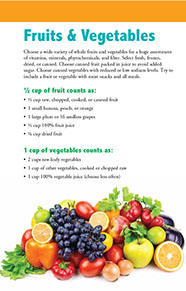
    Choose a wide variety of whole fruits and vegetables for a huge assortment of vitamins, minerals, phytochemicals, and fiber. Select fresh, frozen, dried, or canned. Choose canned fruit packed in juice to avoid added sugar. Choose canned vegetables with reduced or low sodium levels. Try to include a fruit or vegetable with most snacks and all meals.

    ½ cup of fruit counts as:

    *  ½ cup raw, chopped, cooked, or canned fruit

    *  1 small banana, peach, or orange

    *  1 large plum or 16 seedless grapes

    *  ½ cup 100% fruit juice

    *  ¼ cup dried fruit

    1 cup of vegetables counts as:

    *  2 cups raw leafy vegetables

    * 1 cup of other vegetables, cooked or chopped raw

    * 1 cup 100% vegetable juice (choose less often)

    © American Institute for Preventive Medicine

  • Supplements

    Healthylife® Weigh

    Part 7

    Doctor and patient talking.

    The term “dietary supplement” can be used for anything that you take orally to enhance your usual food intake. Dietary supplements include vitamins, minerals, amino acids, protein powders, and herbal products. Supplements do not have to be approved by the FDA.

    Reasons to Take a Supplement:

    *  Females who are pregnant or breastfeeding need more iron, folic acid, and calcium.

    *  Females with excessive menstrual bleeding may need to take an iron supplement.

    *  Some vegetarians may not get enough calcium, iron, zinc, and vitamin B12.

    *  Older adults and people with little exposure to sunlight may need a vitamin D supplement.

    *  People with certain disorders or diseases and people who take some medications may need a supplement. For example, people with high blood pressure who take a water pill may need to take a potassium supplement.

    Ask your doctor if you need any vitamin and/or mineral supplement due to a medical condition or any medication(s) you take. Supplements can interact with food and other medications.

    HealthyLife® Weigh Guidelines:

    1. Healthy adults and children can get the nutrients they need by choosing a variety of foods rather than taking supplements. This reduces the risk of deficiencies, as well as excesses.

    a. Do not take supplements that contain more than 10 times the Recommended Daily Intake (RDI) for a nutrient, particularly fat soluble vitamins (A, D, E, and K). The mineral selenium can also be harmful if taken in large amounts.

    b. The maximum value of vitamins is in food rather than supplements. It’s much better to get your vitamins and minerals from food rather than from pills. Unlike supplements, fruits, vegetables, and grains have dietary fiber that is beneficial, promotes regularity, and aids in the prevention of disease.

    2. Some supplement ingredients can be seriously harmful. Examples include high potency doses of some vitamins, such as niacin, amino acids (e.g., L-tryptophan) and herbs (e.g., chaparral, comfrey, and germander).

    3. Supplements may not be pure. If you have allergies, be sure to follow recommendations from your doctor or allergist before taking a supplement.

    Bottom Line: You should eat healthy foods to get needed nutrients. Consult your doctor or registered dietitian if you think taking vitamin/mineral supplements could benefit you.

    Resources for Supplement Information:

    Center for Food Safety and Applied Nutrition

    www.fda.gov/about-fda/fda-organization/center-food-safety-and-applied-nutrition-cfsan

    Food and Nutrition Information Center

    www.nal.usda.gov/fnic

    National Center for Complementary and Integrative Health (NCCIH)

    www.nccih.nih.gov

    National Institute of Health: Office of Dietary Supplements

    https://ods.od.nih.gov
    © American Institute for Preventive Medicine

  • Fall Foods Fight Cancer

    HEALTHY EATING

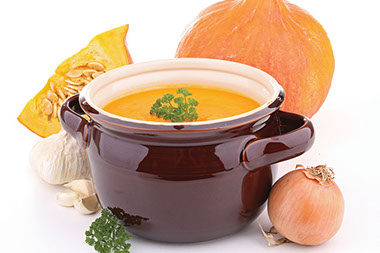
    Image of pumpkin soup.

    The harvest bounty should end up on your dinner table. Stacy Kennedy, a senior nutritionist at Dana-Farber Cancer Institute in Boston, says many fruits and vegetables are at their nutritional peak in the fall so it’s a great time to incorporate them into a healthy diet.

    Kennedy shares the ABC’s of fall foods:

    *“A” is for apple.Studies suggest that eating at least one apple a day can help prevent some types of cancer. Besides being crisp, sweet, and juicy, apples contain quercetin, a nutrient that protects the cells’ DNA from getting damaged. This damage could lead to cancer. Eat apples raw with the skin on because that’s where many of the nutrients are found.

    *“B” is for berries-cranberries.Eat cranberries year-round. Cranberries contain benzoic acid, which has been shown to inhibit the growth of lung cancer, colon cancer, and some forms of leukemia. Buy bags of fresh cranberries now, while they are in season and at their nutritional peak, and pop them in the freezer for later use. This will help ensure that the berries will provide the highest level of cancer protection whenever they’re used.

    *“C” is for color.Just like the leaves on the trees, fall is a time for colorful vegetables like beets, carrots, and parsnips. They add a burst of color and taste. The brighter and richer the pigment, the higher the level of cancer- fighting nutrients.

    *“D” is for dark leafy vegetables.Kale is a top choice because it’s rich in phytonutrients called indoles, which stimulate liver detoxification and help fight cancer. Other members of the cruciferous family include broccoli, cabbage, and Brussels sprouts.

    *“E” is for everything orange.Pumpkins, squash, carrots, and sweet potatoes are all packed with a cancer-fighting nutrient called carotenoid. Kennedy stresses that pumpkin isn’t just for pies. She suggests eating it year round by adding it to soup, smoothies, pancake batter and even raviolis.

    FYI: Tomatoes and plastic

    To keep your plastic storage containers from becoming discolored from acidic tomato products, spray with a non-stick cooking spray first, then place your food items inside. This food prep advice is from the extension experts at the University of Nebraska-Lincoln.

    © American Institute for Preventive Medicine

  • Eat Up To Boost Immunity

    HEALTHY EATING

    Image of man wearing superhero cape and t-shirt while drinking out of a cup.

    The cold and flu season can take its toll on even the healthiest person. With people coughing and sneezing seemingly everywhere, it can be hard to avoid the many illnesses that make their rounds this time of year.

    The good news is, there are some foods that may help you stave off colds and flu. These foods can boost the immune system, helping it fight off bad viruses that could make you sick. A healthy diet is a key part of a healthy immune system.

    Perhaps these foods don’t have superhero powers, but they act like protectors and guardians for our health. For a super-charged immune system, eat foods that contain these nutrients:

    Vitamin A

    This vitamin regulates the immune system. It keeps skin and tissues in the mouth and stomach healthy, which helps keep out unwanted invaders. Good sources of this vitamin include sweet potatoes, carrots, apricots, red bell peppers, spinach, kale and eggs.

    Vitamin C

    Perhaps the most famous of the immunity vitamins, vitamin C is well known for a reason. It tells your immune system to make antibodies to fight off infections. Citrus fruits like oranges and grapefruit are great sources, as well as red bell peppers, strawberries, broccoli and tomato juice.

    NOTE:grapefruit can interact with medicines. If you take any medicines, ask your doctor before eating grapefruit or drinking grapefruit juice.

    Vitamin E

    This vitamin fights off free radicals, which cause damage to the body’s cells and may harm the immune system. Vitamin E is found in wheat germ, sunflower seeds, hazelnuts, almonds, avocado, peanuts, red bell peppers and eggs.

    Zinc

    This mineral is found in many cold remedies and “immune boosting” vitamins. But, getting it from whole foods is usually better than taking a pill. Find immune-boosting zinc in lean meat, poultry and seafood, as well as cooked beans and lentils, cashews, pumpkin seeds, cottage cheese and fortified breakfast cereals.

    A well-rounded diet is very important to overall health. But, don’t rely on foods alone to keep you healthy this cold and flu season. Eat right, get exercise, get plenty of sleep and wash hands frequently for a healthier winter – and a healthier life. Finally, if you do get sick, these same healthy habits will help you feel better sooner.

    Sources: Academy of Nutrition and Dietetics, Food and Drug Administration

    © American Institute for Preventive Medicine