Tag: vitamins

  • Good Mood Foods

    HEALTHY EATING

    Image of couple eating dinner.

    Colder temps, darker and longer days, and the temptation to eat more and move less. Sound like your winter schedule? Boost your mood with this advice from Highmark, a health care company.

    *Focus on nutrient-rich foods.Eating “comfort foods” may help you relax and give you a mood boost, but it’s only temporary. Nutrient-rich foods like fruits, vegetables, whole grains, and lean protein foods provide a consistent and long-lasting impact on your health, mood, energy, and alertness.

    *Cut back on your fat intake.A high-fat diet can be a real brain and energy drainer. Just say “no” to deep-fried foods and look for foods that contain no more than 3 grams of fat per serving.

    *Eat moderate portion sizes and avoid large meals.Have you ever wondered why you feel tired after eating a large meal? During periods of digestion, your blood supply is directed to the digestive tract and away from the rest of the body, which causes you to slow down.

    *Eat regular meals.Skipping meals can slow your metabolic rate, and the lower your metabolism, the lower your energy level. Plan regular meals and snacks to keep your metabolic rate and blood sugar levels normal to provide your brain the best means to function and handle stress.

    *Remember balance, variety, and moderation.The best strategy for maintaining a good mood, high-energy level, and concentration is to consistently eat a wide variety of foods high in nutritional value.

    © American Institute for Preventive Medicine
  • So Do You Really Need That Vitamin?

    MEDICAL NEWS

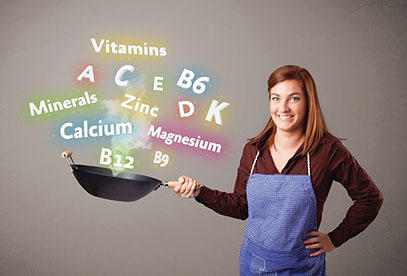
    Concept image of young women with cooking pan and different vitamins words above.

    Before taking a daily vitamin or dietary supplement, you might want to think about what you’re really consuming, suggests a Kansas State University human nutritionist.

    “Supplements are not regulated by the Food and Drug Administration like other drugs are regulated, which is something I think a lot of people don’t realize,” said Brian Lindshield, assistant professor of human nutrition.

    Lindshield researches supplements to see if the ingredients listed on the label actually match what is found in the bottle. You don’t always get what you pay for and think you’re getting.

    If you want to get the most accurate product, look for the bottles with the more descriptive labels. Also, paying a little extra will usually get you the ingredients you are seeking.

    “You should probably avoid buying the cheapest supplement available because if the manufacturer is cutting corners to get the price really cheap, they probably are not using the same standards that the manufacturers of more expensive products are,” Lindshield said.

    Another tip: Don’t expect supplements to make up for a poor diet. “Vitamins and minerals will prevent deficiency, but it’s not going to make up for a lot of the chronic disease risks that come with an unhealthy diet,” Lindshield said.

    © American Institute for Preventive Medicine

  • What Really Are Antioxidants?

    HEALTHY EATING

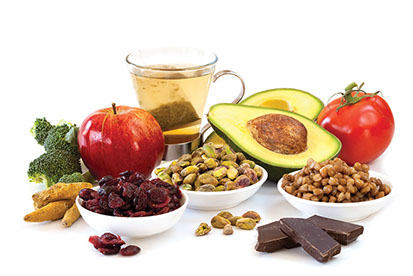
    Image of different sources of antioxidants.

    Antioxidants play an important role in overall health. They are natural compounds found in some foods that help neutralize free radicals in our bodies.

    Free radicals are substances that occur naturally in our bodies but attack the fats, protein, and the DNA in our cells, which can cause different types of diseases and accelerate the aging process, according to Claudia Fajardo-Lira, professor of food science and nutrition at California State University-Northridge.

    The best antioxidant sources are fruits and vegetables, as well as products derived from plants. Some good choices include blueberries, raspberries, apples, broccoli, cabbage, spinach, eggplant, and legumes like red kidney beans or black beans.

    They’re also found in green tea, black tea, red wine, and dark chocolate. Usually, the presence of color indicates there is a specific antioxidant in that food.

    The keyword here is variety. Try to get as many fruits and vegetables with different colors when you plan your meals and go to the grocery store. An array of color in your diet will give you the widest range of helpful antioxidants.

    Antioxidants added to foods are as effective as those that occur naturally. Vitamins such as C, A, and E can be added to foods-and they often are, such as in orange juice.

    It’s important not to overdo it on vitamin supplements because there can be too much of a good thing. With food alone, it would be extremely difficult to consume too many antioxidants.

    The MyPlate tool based on the Dietary Guidelines for Americans recommends that you make half your plate fruits and vegetables. If you aim to do that at most meals, you can be sure to get the antioxidants you need, recommends the Institute of Food Technologists.

    © American Institute for Preventive Medicine