Tag: warning

  • Angina

    Heart & Circulation Problems

    Angina is chest pain or discomfort. It occurs when the heart muscle does not get as much blood and oxygen as it needs for a given level of work.

    Signs & Symptoms

    *  Squeezing pressure, heaviness, or mild ache in the chest (usually behind the breastbone)

    *  Aching in a tooth with or without squeezing pressure in the chest

    *  Aching into the neck muscles, jaw, one or both arms, or back

    *  A feeling of gas in the upper abdomen and lower chest

    *  A feeling that you’re choking or shortness of breath

    *  Paleness and sweating

    *  Nausea and vomiting

    Many people who experience angina for the first time fear they’re having a heart attack. A heart attack damages or injures the heart muscle. Angina does not. Pain from angina is a warning sign that heart attack can occur, though.

    Causes

    Angina is caused by blocked or narrowed blood vessels that supply blood to the heart.

    Episodes of angina are often brought on by anger, excitement, or emotional shock. Exertion or heavy physical work, hurrying up the stairs, or walking rapidly uphill can also bring on an angina episode.

    If you have angina, your doctor or a cardiologist should follow you closely. He or she may prescribe:

    *  Medications, such as nitroglycerin, beta- blockers, and a low- dose daily aspirin

    *  Daily physical exercise specific for you

    *  Surgery, such as angioplasty or bypass surgery

    Self-Care

    Medical care is needed to treat angina. If you have angina, these self-care measures can be part of your treatment plan.

    *  Don’t smoke. If you smoke, quit.

    *  Follow a low-saturated fat, low cholesterol diet.

    *  Eat 5 to 6 small meals instead of 3 large meals a day.

    *  Maintain a healthy weight. If you are overweight, lose weight.

    *  After you eat, rest or do a quiet activity.

    *  Minimize exposure to cold, windy weather.

    *  Take medication(s), as prescribed.

    *  Avoid sudden physical exertion, such as running to catch a bus.

    *  Avoid anger whenever you can.

    *  Manage stress.

    When to Seek Medical Care

    Contact Doctor When:

    *  You have been diagnosed with angina and there is a change in your angina symptoms. You may, for example, start to feel symptoms at rest.

    *  You have minor chest pain that is not due to an injury or strain, does not let up, and/or is not relieved by rest.

    Get Immediate Care When:

    *  You have symptoms of a heart attack.

    *  You have been diagnosed with angina and your chest pain does not respond to your prescribed medicine or the pain does not go away in 10 to 15 minutes.

    Health at Home Lifetime book by the American Institute for Preventive Medicine. www.HealthyLife.com. All rights reserved.

    © American Institute for Preventive Medicine

  • Breast Cancer And Rashes

    MEDICAL NEWS

    Image of pink ribbon.

    When you spot a rash on your skin, you probably don’t worry too much about it. After all, most rashes are simply due to minor problems like a mosquito bite, chafing, or an irritating skin care product. Though most rashes are not dangerous, it’s important to pay attention to your skin. A rare, dangerous form of breast cancer known as inflammatory breast cancer (IBC) often starts with a rash or skin changes on the breast. IBC doesn’t cause a telltale “lump” that many people expect from breast cancer. It may not show up on a mammogram either.

    What rashes should be checked?

    Many things can cause rashes on the breast, but some signs should be checked by a doctor. Call your doctor if you notice any of these changes on the breast:

    *  Pain, tenderness or itching on the breast

    *  Skin that looks or feels thicker

    *  An area that feels hard

    *  Skin that has pits or ridges or looks like an orange peel

    *  A nipple that turns inward or changes shape

    *  Swelling that makes one breast look larger than the other

    *  Skin that is swollen

    *  A breast that feels warm or heavy

    Don’t panic – but get checked

    It’s important to know that IBC is very rare. It makes up about 1 to 3 percent of all breast cancer cases.

    Some less serious problems like mastitis (an infection of the milk ducts) can have some of the same symptoms as IBC. If you notice any changes in your breasts, be sure to contact your health care provider.

    The many types of breast cancer

    There are several different kinds of breast cancer. Some start in the milk ducts, glands or other tissue, such as muscle or fat.

    The most common type of cancer is invasive (or infiltrating) ductal carcinoma. This type of cancer makes up about 80 percent of all breast cancer cases. It starts in a milk duct and spreads into the fatty tissue in the breast.

    Be aware of these other breast cancer signs and call your doctor if you notice them:

    *  A lump or mass in the breast

    *  Nipple discharge (not breast milk for nursing mothers)

    *  Pain or swelling in the breast or nipple

    *  Any unusual changes to the breast or nipple, including new moles

    Seeing your doctor for regular visits and getting mammograms as recommended is the best way to detect breast cancer early.

    Source: American Cancer Society

    © American Institute for Preventive Medicine

  • The Grapefruit Effect

    MEDICAL NEWS

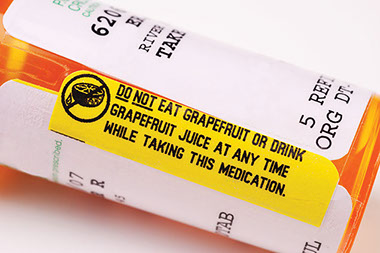
    Image of pill bottle with warning about grapefruit.

    Grapefruit can interact with your drugs. And your doctor may not be aware of it. An article in the Canadian Medical Association Journal points out that drug interactions with grapefruit were noted more than 20 years ago.

    Recently, more and more commonly prescribed newer drugs are found to interact with grapefruit (the fruit and the juice) and can cause serious side effects. Problems can occur even if the grapefruit is eaten hours before taking certain medications.

    Adverse effects include sudden death, acute kidney failure, respiratory failure, gastrointestinal bleeding, bone marrow suppression in ill people, and other serious side effects.

    There are more than 85 drugs that may interact with grapefruit, and 43 can have serious side effects. Other citrus fruits such as Seville oranges, often used in marmalade, limes and pomelos also contain the active ingredients (furanocoumarins) that interact with grapefruit.

    The best advice is to discuss all your medications with your doctor and pharmacist and ask about interactions with grapefruit.

    © American Institute for Preventive Medicine