Tag: Weight Control

  • Practice Relaxation Techniques

    Healthylife® Weigh

    Part 6

    Women deep breathing.

    Use relaxation techniques to manage emotional eating triggers.

    Learn These Four Skills to Relax

    1. Relaxation Reflex: Get rid of muscle tension.

    2. Mindfulness: Be fully present in the moment.

    3. Deep Breathing: Feel relaxed by breathing in more oxygen.

    Plan Relaxation Time

    Plan 15 minutes during the day to intentionally relax. You can also do relaxation exercises as needed throughout the day. Practice these techniques before eating or to cope with an emotion that is triggering you to eat. Relaxation techniques can help reduce stress-related health problems, such as high blood pressure, headaches, and pain. These tools also help you to have greater mental and physical control and improve your response to negative emotions.

    How the mind can control the body:

    *  It can slow brain wave patterns.

    *  It can reduce heart and breathing rates.

    *  It can increase blood flow to the limbs.

    *  It can relax muscles.

    © American Institute for Preventive Medicine

  • Sodium In Packaged Foods

    Healthylife® Weigh

    Part 3

    Deli meat on cutting board with fresh tomatoes and green onions.

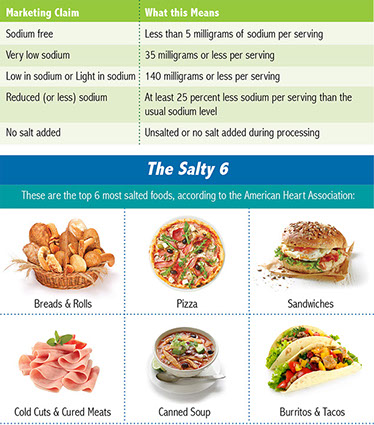
    Many packaged foods have sodium added. Use the food label to compare sodium content between products. Choose options lower in sodium. This chart shows what different sodium-related marketing claims mean.

    Chart of marketing claims and what they mean. And, the salty 6.

    For restaurant items, check the posted nutrition facts or go to the restaurant’s website. Learn more about making healthy choices while eating out and on the go inPart 4of this online guide.

    © American Institute for Preventive Medicine

  • Use The L.A.D.D.E.R. Technique

    Healthylife® Weigh

    Part 4

    Group of friends enjoying a meal outdoors.

    This is a step-by-step way to become more assertive.

    L – Look at your needs, wants, rights, and feelings about the situation.

    A – Arrange a meeting that is convenient for you and the other person to talk.

    D – Define the problem clearly to the other person.

    D – Describe your feelings using “I messages.” I message statements let you take charge of your feelings.

    E – Express your needs and desires in an assertive manner using a few clear sentences. Be aware of your eye contact, hand gestures, posture, voice, and facial expression.

    R – Reinforce your remarks by saying what positive outcomes will occur for you and the other person.

    Example:

    L – I wish my partner would stop stocking the pantry with a food I tend to over-eat when it is available.

    A – I’ll plan to talk with him or her after dinner tomorrow.

    D – Tell your partner, “When cookies are in the pantry, it is hard for me to have just one. I appreciate the treat, but this makes it harder for me to stick with my goal.”

    D – “I feel I could stick with my goals with your help.”

    E – “Let’s keep cookies off the grocery list. I am starting to enjoy fruit as a sweet treat. Let’s get that instead! Also, a hug would be a wonderful treat from you!”

    R – “This change would help me to reach my goal. As I lose weight, I am able to do more physical activity comfortably. Let’s plan a hike together this weekend!”

    © American Institute for Preventive Medicine

  • Add Fruits And Vegetables To Your Current Foods

    Healthylife® Weigh

    Part 2

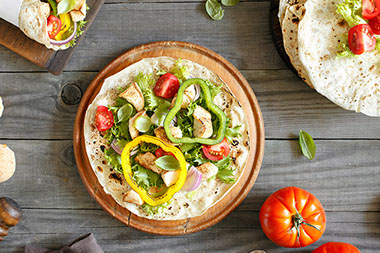
    Tortilla with grilled chicken fillet, peppers, tomato, and lettuce.

    Try to include a fruit or vegetable with most snacks and all meals. Here are a few ideas to get you started.

    Add to Foods You Already Eat:

    *  Add an extra cup (or two!) of chopped veggies into your favorite omelet, soup, casserole, or whole grain pasta or brown rice dish.

    *  Add slices of cucumber, peppers, or onions to a sandwich.

    *  Add veggies as a filling in a burrito or quesadilla. Top a pizza with veggies.

    *  Shred carrots, zucchini, or an apple into muffins or other baked goods. Search for recipes that include crushed pineapple, avocado, and other produce as baking ingredients. Many fruits and vegetables can be used to replace some of the saturated fat and sugar in a recipe.

    *  Blend greens into a smoothie. Remove the stems first. If juicing, use the whole vegetable or fruit when possible. Juices are “sometimes” foods, as they don’t contain as much fiber or nutrients as the whole fruit or vegetable. The whole vegetable or fruit is more filling due to the fiber content and how much longer it takes to chew versus drink.

    © American Institute for Preventive Medicine

  • Build On Your Current Habits

    Healthylife® Weigh

    Part 4

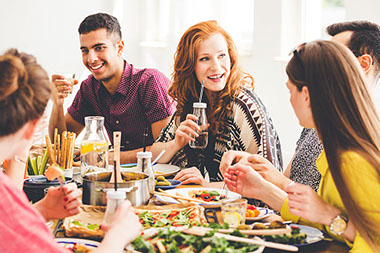
    Group of friends sitting at table full of healthy snacks, salads and organic dishes.

    Your day-to-day activities include hundreds of habits. Some may be second nature or automatic, like reaching for your seatbelt when you get in a car. Some may be weaker and subject to change, like including fruits or vegetables with your meals and snacks. Be patient. It can take several weeks to form a new habit.

    As you went through Parts 1 to 3 of this online guide, you may have noticed differences between your habits and the healthy ones suggested. As you start to make changes, first focus on a habit that you do every day. Or, think of a habit that you do many times a day. Changes to everyday habits are going to make a big difference, as they are repeated more.

    Using the examples below, compare the impact of making changes to occasional habits versus making changes to everyday habits.

    *  Example A: Change an occasional habit, such as choosing healthy snacks at the airport.

    *  Example B: Change an everyday habit, such as having a glass of water with meals and snacks.

    Breaking old habits is not easy. It takes more than willpower. It takes a plan.

    © American Institute for Preventive Medicine

  • Drink Water

    Healthylife® Weigh

    Part 3

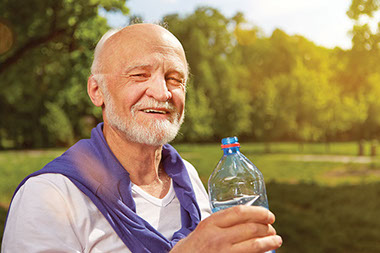
    Elderly man drinking water.

    Water does many important jobs for your body:

    *  Transports nutrients

    *  Helps you digest food

    *  Carries waste from the body

    *  Regulates body temperature

    *  Gives a feeling of fullness

    *  Helps break down fat for energy

    *  Lubricates joints

    *  Helps prevent muscle cramps

    Action Steps:

    *  Drink a glass of water before meals and snacks. This may help you manage your appetite.

    *  Replace a sugar-sweetened drink with water.

    *  Eat foods that are high in water, like cucumbers, leafy greens, and watermelon.

    *  Drink water regularly throughout the day.

    *  Keep a water bottle handy that you can refill when needed.

    *  If you are increasing your fiber intake, also increase your water intake to reduce the risk of constipation.

    How much should I drink?

    Your water needs depend on your activity level and weight. A general rule of thumb is to drink 8 cups of water per day. You may need more if you are very active or sweat a lot.

    How do I know if I’ve had enough?

    Check your urine. When you are properly hydrated, your urine should be light yellow or clear. If it is a darker yellow, you need to drink more water.

    © American Institute for Preventive Medicine

  • Grains And Starches 2

    Healthylife® Weigh

    Menus & Recipes

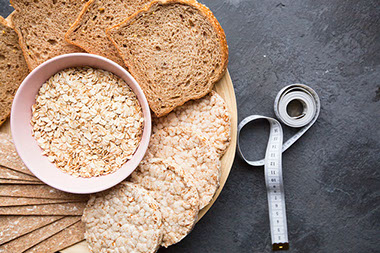
    A bowl of oat flakes, wholegrain bread, crisps and tape-measure.

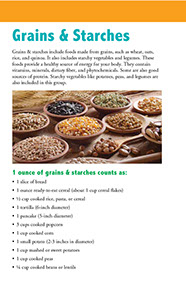
    Grains & starches include foods made from grains, such as wheat, oats, rice, and quinoa. It also includes starchy vegetables and legumes. These foods provide a healthy source of energy for your body. They contain vitamins, minerals, dietary fiber, and phytochemicals. Some are also good sources of protein. Starchy vegetables like potatoes, peas, and legumes are also included in this group.

    1 ounce of grains & starches counts as:

    *  1 slice of bread

    *  1 ounce ready-to-eat cereal (about 1 cup cereal flakes)

    *  ½ cup cooked rice, pasta, or cereal

    *  1 tortilla (6-inch diameter)

    *  1 pancake (5-inch diameter)

    *  3 cups cooked popcorn

    *  1 cup cooked corn

    *  1 small potato (2-3 inches in diameter)

    *  1 cup mashed or sweet potatoes

    *  1 cup cooked peas

    *  ¼ cup cooked beans or lentils

    Eat foods rich in whole grains & fiber

    Choose whole grains or grains with more fiber more often. Try to make at least half of your grain choices whole grains. Look for “whole grain” on the ingredients label. It should be the first ingredient for bread, cereal, or pasta. Here are some examples of whole grains:

    *  Whole wheat, rye, or oats

    *  Millet

    *  Whole grain barley, flour, or cornmeal

    *  Oatmeal

    *  Bulgur

    *  Quinoa

    *  Buckwheat

    *  Brown rice

    In addition to whole grains, fiber is found in fruits, vegetables, seeds, nuts, and legumes.

    © American Institute for Preventive Medicine

  • Keep Food Safe

    Healthylife® Weigh

    Part 3

    Man with frying pan cooking food at home.

    *  Freezing: Keep freezer temperature at or below 0°F. Keep frozen foods in airtight containers.

    *  Refrigerator: Keep refrigerator temperature at or below 40°F. Store foods made from animal products in a drawer or in the back of the refrigerator, where it is cooler.

    *  Thawing: Thaw food on the bottom shelf of the refrigerator. Or, submerge the sealed container in cold water. Or, use the defrost settings on your microwave. Never thaw food on the counter.

    Heat to Safe Temperatures

    Use a food thermometer to make sure foods are safe to eat.

    *  145ºF: Fish, roasts, steaks, chops (beef, pork, veal, and lamb)

    *  160ºF: Egg dishes and ground meats (beef, veal, and lamb)

    *  165ºF: Stuffing, all poultry, casseroles, reheated leftovers

    Simple Cooking Methods

    When you cook vegetables, do so quickly and in little water. Some vitamins, like vitamin C, are lost when soaked in water or overcooked.

    Microwave: Place chopped vegetables in a microwave-safe dish with a lid. Or, use plastic wrap with a few holes poked for venting. Add 2 Tbsp. of water, or enough to cover the bottom of the dish. Microwave on high for 5 minutes. Check firmness. Add time to reach desired softness.

    Stove Top: Add 1 to 2 inches of water to a pot. Add vegetables. Simmer until tender, checking vegetables often after the first 5 minutes. Greens will cook faster, so check these after 2 minutes.

    Oven: Preheat oven to 450ºF. Coat a baking sheet with non-stick cooking spray or use a sheet of parchment paper. Toss vegetables with 1 Tbsp. of canola oil. Spread vegetables evenly and bake for at least 15 minutes. Check for desired softness. Add cooking time, if needed. Experiment with spices to flavor vegetables to your liking.

    © American Institute for Preventive Medicine

  • Meal And Snack Ideas

    Healthylife® Weigh

    Part 3

    Family eating dinner together at home.

    Below are ideas for basic meals and snacks. Use these ideas to start building your meal plan.

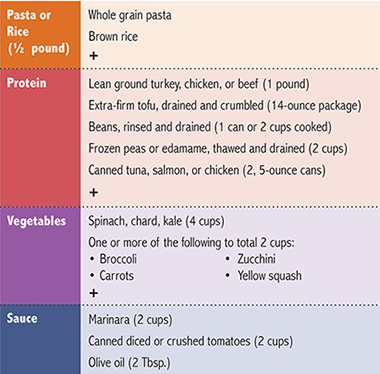
    Meal Idea: Pasta or Rice Dinner

    Choose ingredients from the chart below. This recipe makes four servings.

    Chart of meal ideas, pasta or rice dinner.

    Directions:

    1. Cook pasta or rice according to package directions and drain.

    2. Cook protein choice as needed.

    3. Cook veggies by steaming, grilling, roasting, sautéing, or adding to boiling pasta water in the last few minutes of cooking.

    4. In a large pot, heat sauce over medium heat. If using spices, add them now. Add protein and veggies to heat through. Toss with hot cooked pasta or rice and serve.

    For a casserole, follow the directions above. Then, pour into a 9 x 13-inch baking pan and bake for 40-60 minutes until the top is golden brown.

    Meal Idea: Salad

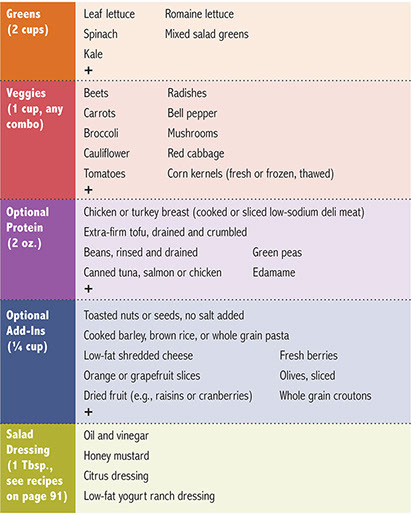
    Choose ingredients from the chart below. This salad recipe serves one person.

    Chart of meal ideas, salad.

    Directions:

    Toss ingredients together when ready to eat. Or, prepare a salad ahead of time in a container, keeping very moist ingredients (like tomatoes and dressing) separate. When you are ready to eat, toss and empty onto a plate or in a large bowl.

    Salad Dressing

    Salad dressing can be a healthy choice for your salad. Use healthy, unsaturated fats in salad dressing to:

    *  Help you feel full and more satisfied.

    *  Help your body get the benefits of other vitamins in your salad, like fat-soluble vitamins A, D, E, and K.

    *  Add flavor. Dressings are a great place for herbs, spices, and other powerful flavors to make your salad POP!

    *  Help you eat vegetables that you don’t like plain.

    Tips for Selecting a Dressing at a Restaurant:

    *  Ask for oil-based dressings, such as olive oil and balsamic vinegar.

    *  Ask for dressing on the side. Toss your salad with half the dressing provided and put the rest to the side. Most restaurants offer much more dressing than you need for your salad.

    *  If you are worried you may use too much dressing, ask for a half-size salad or order another vegetable as a side dish.

    *  On bottled dressings, look for ones made without added sugars.

    Make Your Own Salad Dressing

    Use 1-2 Tbsp. of the dressing on your salad. Store leftovers in a sealed jar.

    *  Oil and vinegar dressing: 3 Tbsp. olive oil, 2 Tbsp. red wine vinegar,  1/8 tsp. salt (a dash), ¼ tsp. black pepper. Serving size: 1 Tbsp.

    *  Honey mustard dressing: 6 Tbsp. mustard, ½ Tbsp. fresh lemon juice or cider vinegar, 1½ Tbsp. honey, 1 tsp. olive or canola oil, 1/8 tsp. salt  (a dash), ¼ tsp. black pepper. Serving size: 2 Tbsp.

    *  Citrus dressing: 2 Tbsp. lime, lemon, or orange juice; 3-4 Tbsp. canola or olive oil, 1/8 tsp. salt (a dash), ¼ tsp. black pepper. Serving size: 1 Tbsp.

    *  Creamy low-fat ranch dressing: 1 (6-ounce) container plain nonfat or  low-fat yogurt, 1/3 cup low-fat mayonnaise, 2 Tbsp. white vinegar, 1 Tbsp. dried dill, ¼ tsp. garlic powder, 1/8 tsp. salt (a dash). Serving size: 2 Tbsp.

    Meal Ideas: Stir-Fry

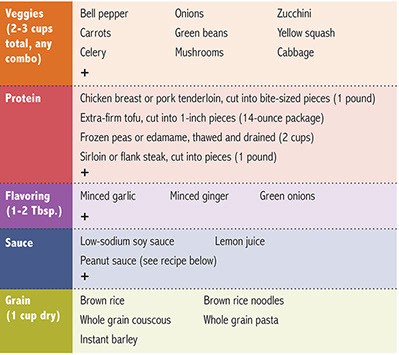
    Choose ingredients from the chart below. This recipe makes four servings.

    Chart of meal ideas, stir-fry.

    Peanut Sauce:In a small bowl, stir together ¼ cup peanut butter, 1/3 cup water, ¼ cup low-sodium soy sauce, 2 Tbsp. cider vinegar, and 4 tsp. sugar.

    Directions

    1. Cook grains. Follow package directions and set aside.

    2. If using meat: In a large skillet over medium heat, cook meat or poultry in 1 tablespoon canola or olive oil. Set aside.

    3. Add veggies to skillet, starting with harder veggies (these take longer to cook). Cook to desired softness. Add flavoring (garlic, ginger, or green onions). If adding tofu, peas, or edamame, add that now.

    4. Add sauce and cook for 1-2 more minutes. Stir in cooked meat.

    5. Serve over cooked grains.

    Meal Ideas: Soup

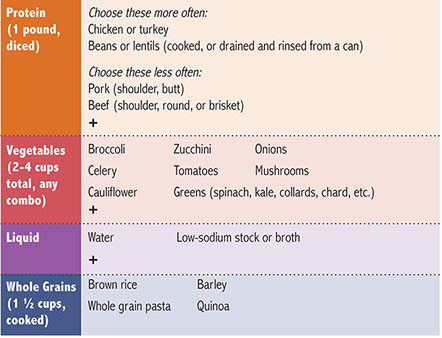
    Choose ingredients from the chart below. This recipe makes four servings.

    Chart of meal ideas, soup.

    Directions

    1. If using meat: Heat 1 Tbsp. of canola or olive oil in a soup pot. Add meat and cook for 5 minutes. If not using meat, skip this step.

    2. Add chosen vegetables and sauté for 5 minutes. If using frozen vegetables, thaw in the microwave first.

    3. Add liquid and beans or lentils (if using) and bring to a boil. Once boiling, reduce heat and simmer for 25-30 minutes. Stir occasionally.

    4. Add grains and seasonings. Cook for an additional 5 minutes.

    Snack Ideas: Trail Mix

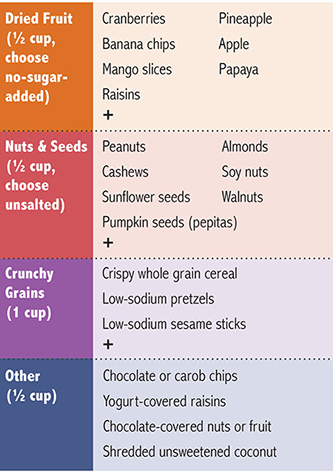
    Choose ingredients from the chart below. This recipe makes four servings.

    Chart of snack ideas, trail mix.

    © American Institute for Preventive Medicine

  • Review And Prepare 6

    Healthylife® Weigh

    Part 6

    Friends having dinner at summer garden party.

    This section built on the tools you have been learning throughout this guide to manage emotional eating triggers. Stress, anxiety, boredom, and celebration can all trigger unhealthy eating behaviors. Answer the questions below.

    *  How do you know when you are physically hungry?

    *  What is the first thing you do when you realize your hunger is emotional?

    *  List relaxation strategies you have practiced this week. If you haven’t practiced any, pick one and do it now.

    *  How has addressing, rather than brushing aside, emotions helped you this week?

    The next section will help you maintain weight loss, overcome plateaus, and connect to weight management in long-lasting and meaningful ways.

    © American Institute for Preventive Medicine