Tag: Weight Control

  • Plan Time To Plan Meals

    Healthylife® Weigh

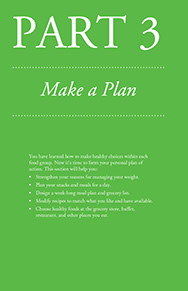
    Part 3

    Notebook with wellness checklist, including diet, fitness and rest.

    Make planning your food part of your weekly routine, like going to work or doing laundry. Planning meals helps you select and eat foods in your MyPlate plan, as well as save time and money.

    Having variety is important over time, but it can help to have the same breakfast each day, plan a similar snack, or prepare a dish that covers several meals. You will need time to:

    Look at the Big Picture

    As you get ready to plan your meals, look at the big picture of your wellness goals. Your lifestyle change is about more than just food! Set a non-food goal that will help you take another step toward living a healthy lifestyle. Use this page to pick an idea for the week or write a new idea.

    Make healthy living something you enjoy.

    *  Walk a new trail or part of my neighborhood.

    *  Volunteer at a local food bank to give back and help others eat well.

    *  Find a positive person to follow on social media.

    *  Give a friend or family member a call.

    © American Institute for Preventive Medicine

  • Seek Downtime Daily

    Healthylife® Weigh

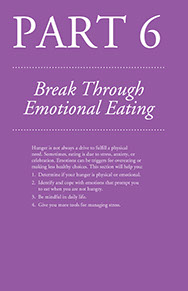
    Part 6

    Women on park bench reading and drinking coffee.

    Downtime is idle time between activities. Examples are the moments you have waiting at a red light, the time spent riding in an elevator, or the extra time you have during a lunch break.

    Idle time allows your brain to rest, process, and store information (how you learn and form memories). If you’ve ever had a great idea come to you in the shower, you know how creative your mind is during this time. Appreciate downtime to reduce feelings of boredom.

    Often, multi-tasking or a feeling that you must always be doing something steals this time away. The resulting “addiction to activity” does not let your mind rest during the day. The result can be a feeling of being busy all the time. You may feel like you need “time to think.” If you go all day without downtime, it can be harder to quiet your mind at night and go to sleep.

    Practice letting your mind rest every day. If you are used to filling   your time with multiple tasks at once, the following exercise may be  eye-opening!

    Try This: Sit in a room or outside for 15 minutes and do nothing. Don’t look at your phone or seek any other distractions. Let thoughts enter your mind.

    Reflect: How did you feel at the end of 15 minutes?

    Ways to Include Downtime Daily

    *  Turn off notifications on your phone. Set aside time for social media during the day-and avoid it at other times.

    *  Listen to music instead of the news or talk radio while driving. Or, sit in silence and let your mind wander.

    *  Set an alarm on your phone to remind you to take at least five minutes of “blank space” time during your day.
    © American Institute for Preventive Medicine

  • Tips For Myplate

    Healthylife® Weigh

    Part 2

    Middle aged man in kitchen about to prepare food.

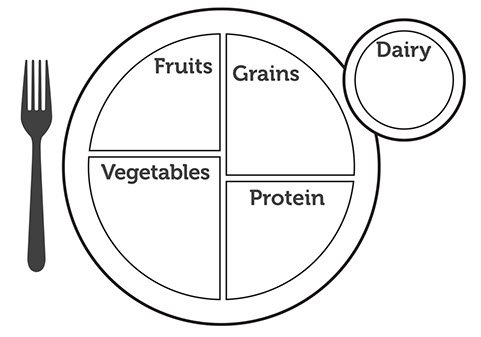
    This activity will go through each part of MyPlate.

    *  Learn how eating certain foods can help your body, energy level, and mood. Learn new ways to prepare foods.

    *  Enjoy foods that taste good to you. Eat new things that you want to try. Avoid eating foods just because you think you “should” eat them. Explore different ways to prepare and eat foods. Celebrate cultural traditions and foods that are special to you.

    *  Allow some room in your diet for less nutritious foods. Make this a small part of your diet. If you have too many less nutritious foods, it will be more difficult to manage weight.

    The chart on “Plan a Balanced Day” gives a whole day’s servings of different food groups. Write amounts from these groups from the plan you selected. Write them on a blank plate. Remember, these are totals for the day.

    © American Institute for Preventive Medicine
  • Miles To Go

    WELL-BEING

    Image of a glass of soda.

    Would you choose that soda if you were told how many miles you needed to walk to burn off the calories?

    You’d choose a lower calorie drink if you saw signs explaining how many miles you would need to walk to burn off the calories in that sugary drink. Research at Johns Hopkins, reported in the American Journal of Public Health, found that simply showing calories is not enough to change bad eating habits.

    But when calories are tied to miles of walking, then behavior changes.

    Teens who shopped in neighborhood stores in Baltimore were presented facts on signs about various soft drinks. Researchers found that the teens who saw the signs either bought lower-sugar choices or smaller bottles.

    A typical 20-oz. soda or sports drink has 16 teaspoons of SUGAR and would take 50 minutes of RUNNING or 5 MILES of WALKING for a 110-pound adolescent to burn off the calories.

    © American Institute for Preventive Medicine
  • Avoid Injury

    Healthylife® Weigh

    Part 5

    Senior couple streching before workout.

    Learn how to do an exercise before you try it. Watch someone demonstrate it, either in person or in a video. If possible, do the exercise with someone who can correct poor form.

    Warm up before moderate or intense exercise. Start slowly. You should gradually start breathing harder and feel your heart rate increasing.

    Cool down after moderate or intense exercise. Cool down slowly. Do the activity that you were doing (e.g., walking, biking), but more slowly.

    Possible Cool Down

    *  Brisk walking: Walk around slowly

    *  Swimming: Walk in shallow end of pool

    *  Cycling: Cycle slowly on flat surface or walk

    *  Aerobics: Walk or stretch slowly

    © American Institute for Preventive Medicine

  • Dairy

    Healthylife® Weigh

    Part 2

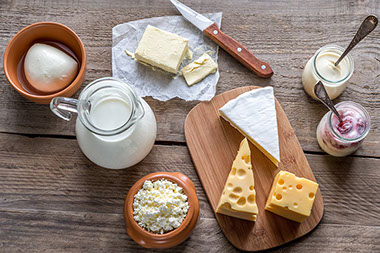
    Dairy products.

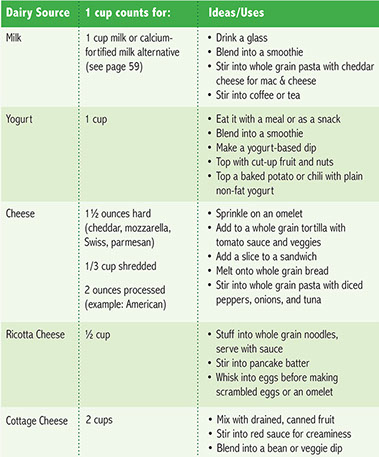
    The dairy group includes milk and foods made from milk. Dairy provides calcium, vitamin D (milk), healthy fats, and protein. Milk alternatives (such as those made from soy) are included if they are fortified with calcium.

    Chart showing dairy sources and ideas.

    Dairy Alternatives

    Many people avoid lactose-containing milk due to an intolerance or preference. Lactose is the sugar in milk that causes digestive problems if you are lactose intolerant. You can obtain many of the nutrients found in milk by eating or drinking lactose-free dairy or fortified dairy alternatives.

    Tips for Reducing Problems with Lactose

    You may be able to consume dairy by having it a different way.

    *  Choose smaller servings of dairy at each meal or snack.

    *  Consume dairy with other foods to slow the digestive process.

    *  Experiment with different dairy products. You may have problems with milk, but are okay with cultured milk products like yogurt.

    *  Take lactase enzyme tablets or drops to help you digest the lactose.

    Dairy alternatives include soy milk, almond milk, rice milk, cashew milk, oat milk, and coconut milk. These milks and products made with them (like yogurt) count toward your daily needs if they are fortified with calcium.

    Calcium

    Calcium is needed for strong bones and teeth. It is also needed for your:

    *  Heart to beat

    *  Nerves to react

    *  Blood to clot

    *  Muscles to flex

    *  Body cells to stick together

    If you cannot tolerate dairy, you can also obtain calcium from these foods:

    *  Calcium-fortified juices, cereals, and breads

    *  Tofu, tempeh, and other fortified soy products

    *  Small bones in canned fish (sardines, salmon with bones)

    *  Leafy greens (collard and turnip greens, kale, bok choy)

    Calcium-fortified foods and beverages may not provide the other nutrients found in dairy products. Try to fulfill your dairy group needs from dairy most of the time.

    © American Institute for Preventive Medicine

  • Food Labels 2.0

    Healthylife® Weigh

    Part 7

    Woman choosing and reading label on bread in market.

    You have learned the clues on a food label that can point you toward a healthy choice or away from an unhealthy one. Here are some other common labels on food packaging and what they mean.

    Organic produceis grown without synthetic pesticides, herbicides, fertilizers, ionizing radiation, or genetically modified organisms (GMOs).

    Organic meat, poultry, eggs, and dairy productsare produced without antibiotics or growth hormones.

    Benefits of Organic Food

    *  Organic food may be tastier to you.

    *  Organic growing practices may be more sustainable and produce more nutritious food, though this is not always the case.

    *  You may avoid potentially harmful chemicals that may be added during conventional growing and processing.

    The Environmental Working Group publishes a list each year of the “Dirty 12™” and “Clean 15™.” Many plants, like avocados and corn, are naturally disease resistant and hardy. This means fewer pesticides are used on these plants, even when conventionally grown. These plant foods make up the “Clean 15™.” Other plants are less hardy and conventional growing tends to apply more synthetic pesticides. Prioritize buying the “Dirty 12™” organically. Go towww.ewg.orgto learn more about organic farming and see the year’s list.

    Clean all produce before use, whether it is grown organically or conventionally.

    Make your own veggie wash:Mix 2 cups cold tap water with ¼ cup white wine vinegar and 2 tbsp. lemon juice. Pour into a spray bottle. Squirt on your produce and let rest for 2 minutes. Rinse in tap water.

    Non-GMO Project Verifiedfoods do not contain GMOs. This means that the plant was not derived through genetic engineering. The most common products containing GMOs are corn, soy, sugar, and products made from these plants.

    Few studies have been done testing the long-term effects of consuming GMOs. However, GMO farming practices have led to increased use of synthetic pesticides and herbicides. Labeling laws and regulations surrounding GMOs are in development at the time of this guide’s publishing.

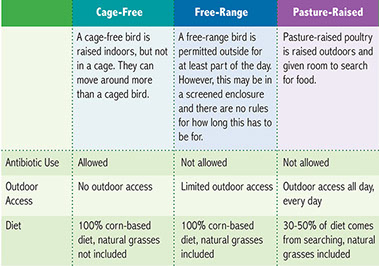
    Cage-Free, Free-Range, and Pasture-Raisedlabels refer to the living conditions of poultry. These labels indicate standards for animal welfare.

    Chart showing Cage-Free, Free-Range, and Pasture Raised definitions.

    © American Institute for Preventive Medicine

  • Improve A Packaged Meal

    Healthylife® Weigh

    Part 3

    Frozen pizza with added fresh vegetables.

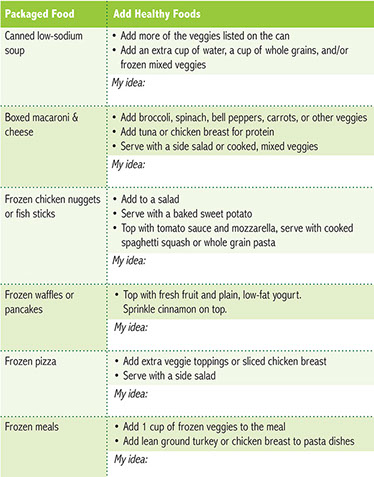
    Cooking from scratch is a great way to know what is in your food and to prepare it how you like it. You can also start with a pre-made, packaged food and make a healthy meal from it! The chart below gives examples of ways to add nutrients to packaged foods. Add your own ideas.

    Chart of ideas to improve packaged meals.

    © American Institute for Preventive Medicine
  • Manage Your Time

    Healthylife® Weigh

    Part 5

    Couple on a walk.

    Incorporate more movement into your daily activities. Take the stairs, park farther away from the building, and get up to stretch every hour. Also, plan at least 30 minutes each day, most days of the week, to engage in moderate-to-intense exercise. Add exercise to your daily schedule.

    Decrease Time Wasters

    If you feel time is a barrier for you, look at how you spend your time now. Keep a time log for a full day. Block off chunks of time when you sleep and are at work or school. Write down how much time you spend getting ready to go places, preparing food, relaxing, doing household chores, watching TV, or browsing social media.

    *  Decrease time spent watching TV or browsing social media. Set limits for yourself. Record shows so you can skip through commercials.

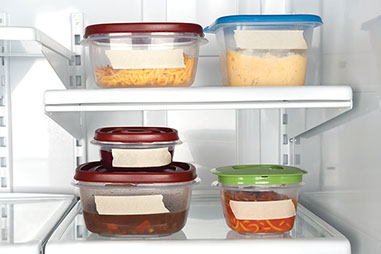
    *  Prepare meals ahead of time. Make more than one meal at once.

    *  Get help from others, especially with household chores and meal preparation.

    It may not be practical to make changes in all areas or plan physical activity every day. Start by taking small steps, such as being active on a weekend day or getting up a little earlier one morning to walk around the neighborhood.

    © American Institute for Preventive Medicine
  • Review And Prepare

    Healthylife® Weigh

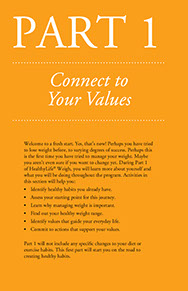
    Part 1

    Fitness concept with notebook pencil for sport goals and resolutions, dumbbells and sneakers and water bottle.

    Getting ready to make a change is important. The next part will continue this process and guide you in taking steps toward a healthier you. Follow along with the activities at your own pace. They are designed to help you move forward.

    Answer the following questions to finish Part 1:

    *  Name one value you could wear on your shirt today.

    *  What actions are you taking that line up with this value?

    *  By choosing to manage your weight, list three of your values that you are putting into action.

    *  Do you need to talk to your doctor about making changes to your diet and exercise habits? You may have a chronic health condition, take medication, or have concerns about your health. If so, talk to your doctor before making any changes to your diet and exercise habits.

    Are you ready for another week of self-discovery, learning new skills, and living out your values?

    © American Institute for Preventive Medicine