Tag: whole grains

  • Foods With Magnesium

    HEALTHY EATING

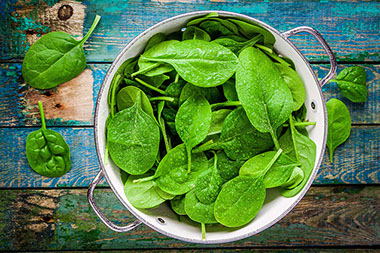
    Image of spinach.

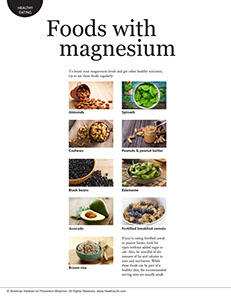
    To boost your magnesium levels and get other healthy nutrients, try to eat these foods regularly:

    *  Almonds

    *  Spinach

    *  Cashews

    *  Peanuts & peanut butter

    *  Black beans

    *  Edamame

    *  Avocado

    *  Fortified breakfast cereals

    *  Brown rice

    If you’re eating fortified cereal or peanut butter, look for types without added sugar or salt. Also, be mindful of the amount of fat and calories in nuts and nut butter. While these foods can be part of a healthy diet, the recommended serving sizes are usually small.

    © American Institute for Preventive Medicine

  • Fiberize Your Kitchen

    HEALTHY EATING

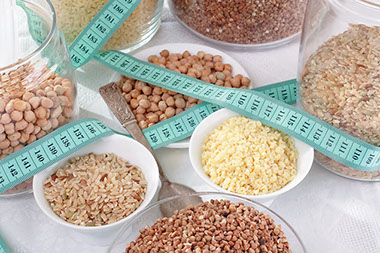
    Image of different grains in bowls and jars.

    To stock your kitchen with whole grains and fiber-containing foods from cupboard to refrigerator to freezer, use this handy list to get started, suggests Anita Kobuszewski, RD, author of Food: Field to Fork, How to Grow Sustainably, Shop Wisely, Cook Nutritiously, and Eat Deliciously. She reminded, “Remember-nutrition doesn’t begin until the food passes your lips.”

    *  Fresh and canned fruits and vegetables

    *  Dried fruits such as raisins and cranberries

    *  Preserves made with whole fruit

    *  Whole wheat, rye, cornmeal, soy, and buckwheat flours

    *  Whole-grain and fortified breads, crackers, bagels, and 100% whole wheat or whole-grain rolls

    *  Ready-to-eat fortified and whole-grain breakfast cereals

    *  Cooked cereals including quick-cooking whole-grains like oatmeal and quinoa

    *  Brown long-grain, brown short-grain, and wild rice

    *  Whole-grain spaghetti, macaroni, and other pastas

    *  Corn and whole wheat tortillas

    *  Air popped popcorn and lower fat microwave varieties

    *  Canned or dried garbanzo beans, pinto, black and lima beans; split peas, and black-eyed peas; refried beans, hummus

    *  Peanut butter

    *  Nuts (such as pecans, almonds, and walnuts) and seeds (such as flax seed, sesame, pumpkin, and sunflower seeds)

    *  Vegetable soups, chili with beans, minestrone

    *  Canned or frozen vegetarian dishes such as chili or cheese lasagna
    © American Institute for Preventive Medicine

  • Go With The Grain

    HEALTHY EATING

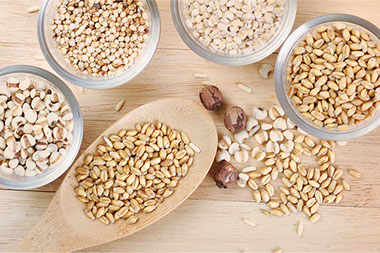
    Image of different grains.

    With one look down the grocery store aisle or a quick glance at a restaurant menu, it’s clear that whole-grain options are popping up everywhere. From quinoa to buckwheat and farro to freekeh, the number of grain possibilities is growing, leaving home cooks and diners puzzled by how to choose the right one and know how to prepare it.

    Not only do whole grains provide an array of health benefits, they can also be an excellent base for hearty dishes that taste great and are remarkably filling. Whether featured in a salad, formed into a patty as a vegetarian burger option, warmed up for breakfast, or used as the base of a thick stew, grains are extremely versatile and can be enjoyed as part of breakfast, lunch, dinner or dessert.

    Although cooking with grains can seem like a daunting task, the chef instructors at Le Cordon Bleu encourage home cooks to soak their long-cooking grains, whether for a few hours or overnight, to minimize the cooking time. This also ensures that any resin left on the grain that can cause a bitter taste will get washed off.

    They also suggest these cooking tips:

    *  Whole-grain options can be customized for each meal of the day. Make a big batch of steel-cut oats on Sunday evening and eat it for breakfast throughout the week. Add quinoa to lunchtime salads-add the dressing in advance so the grain fully absorbs the flavors of the dish. For dinner, add wheat berries or barley to soups for a hearty, filling meal.

    *  Resist the urge to stir grains as they are cooking. Stirring causes whole grains, especially rice, to become sticky and clump together, making it difficult to prepare a fluffy, flavorful dish.

    *  After they are cooked, whole grains stay fresh for several days in the refrigerator. You can cook a large pot of brown rice or quinoa at the beginning of the week and use it in dishes throughout the week to save cooking time.

    © American Institute for Preventive Medicine