Tag: winter

  • Brussels Sprouts: A Winter Veggie Powerhouse

    HEALTHY EATING

    Brussels spouts in red bowl.

    Brussels sprouts may have a reputation for being the vegetable your mother made you eat. But there’s plenty of reasons that adults and kids alike should eat their Brussels sprouts. Their peak season is fall to winter, so now is a good time to try them.

    Why eat Brussels sprouts?

    Brussels sprouts belong to the cruciferous vegetable family. Other cruciferous vegetables include broccoli, cauliflower, kale and cabbage.

    Like other veggies, brussels sprouts are low in calories and packed with nutrients. They also have plenty of fiber to help with digestion. Fiber may also help you feel fuller, longer.

    Brussels sprouts also have some special health benefits. They may play a role in reducing the risk of developing cancer.

    How to cook brussels sprouts

    Brussels sprouts are versatile and can be roasted, used in casseroles, salads and even on pizza. Many people can find a way to cook them that agrees with their tastes.

    A popular way to roast them is to toss them with honey, lemon juice or dried fruit for a sweet side dish. But brussels sprouts also work well with savory flavors like parmesan cheese or garlic.

    Nutrition

    One half cup of cooked Brussels sprouts contains just 28 calories. It also contains 2 grams of fiber and very little fat and carbohydrates. Brussels sprouts are a good source of many important nutrients, including vitamins A and C. These vitamins are antioxidants, which help fight inflammation and some diseases.

    In addition, Brussels sprouts are packed with vitamin K, which is important for blood clotting and healthy bones. Brussels sprouts contain important minerals like iron, magnesium and phosphorus. And finally, they contain heart-healthy omega-3 fats.

    If you haven’t eaten Brussels sprouts in a while, give them a try. They make a nutritious and delicious addition to any diet.

    Sources: Academy of Nutrition and Dietetics, National Institutes of Health, US Department of Agriculture

    © American Institute for Preventive Medicine

  • Say Goodbye To Winter Rash

    SELF-CARE CORNER

    Female using face cream on cheeks.

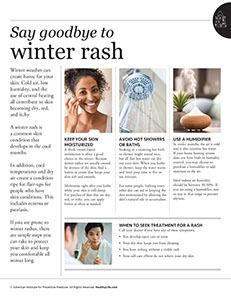
    Winter weather can create havoc for your skin. Cold air, low humidity, and the use of central heating all contribute to skin becoming dry, red, and itchy. A winter rash is a common skin condition that develops in the cool months.

    In addition, cool temperatures and dry air create a condition ripe for flair-ups for people who have skin conditions. This includes eczema or psoriasis.

    If you are prone to winter rashes, there are simple steps you can take to protect your skin and keep you comfortable all winter long.

    Keep your skin moisturized

    A thick, cream-based moisturizer is often a good choice in the winter. Because winter rashes are usually caused by dryness of the skin, find a lotion or cream that keeps your skin soft and smooth.

    Moisturize right after you bathe while your skin is still damp. For patches of skin that are dry, red, or itchy, you can apply lotion as often as needed.

    Avoid hot showers or baths

    Soaking in a steaming hot bath or shower might sound nice, but all that hot water can dry out your skin. When you bathe or shower, keep the water warm and limit your time to five or ten minutes.

    For some people, bathing every other day can aid in keeping the skin moisturized by allowing the skin’s natural oils to accumulate.

    Use a humidifier

    In cooler months, the air is cold and it also contains less water. If your home heating system does not have built-in humidity control, you may choose to purchase a humidifier to add moisture to the air.

    Ideal indoor air humidity should be between 30-50%. If you are using a humidifier, aim to stay in that range to prevent dryness.

    When to seek treatment for a rash

    Call your doctor if you have any of these symptoms:

    *  You develop open cuts or sores

    *  Your dry skin keeps you from sleeping

    *  You have itching without a visible rash

    *  Your self-care efforts do not relieve your dry skin

    © American Institute for Preventive Medicine
  • Beat Winter Doldrums By Using A Pool Indoors

    BE FIT

    Image of smiling female standing next to indoor pool.

    If you think swimming pools are just for summer fun, think again. Winter is a great time to take advantage of an indoor pool to get some low-impact exercise. Exercising in water offers many benefits no matter what the season. Try it this winter because:

    *  It’s low impact, so it’s easy on joints that may get sore with activities like running or jumping.

    *  It helps you be more flexible. In the water, you may be able to move your arms and legs in ways that are difficult on land.

    *  Warm water pools can feel soothing, especially in cold weather.

    *  It helps people with arthritis or orthopedic/joint injuries to improve joint movement without pain or strain from traditional exercise.

    *  It offers a nice change from land exercises – and variety may help you stick with a workout.

    *  A pool workout helps keep you cool, even if you’re working hard.

    *  Water exercise may improve mood and mental well-being.

    *  Water offers natural resistance that can tone and strengthen muscles.

    Don’t swear off pool exercise because you can’t swim.

    There are many exercises that can be done in the water that don’t include traditional swimming. If you can’t swim, stick to the shallow end or wear a life jacket. Try these exercises:

    *  Walk or jog from end to end in the shallow end.

    *  Grab the edge of the pool and kick your legs from side to side.

    *  Try the “superman”: hold the edge of the pool and point your body out straight behind you. Keep your body in a straight line and hold the pose for a few seconds.

    *  Do jumping jacks in chest-deep water

    Many local fitness centers have pools for exercise and even water aerobics classes. A community center, hotel or school may offer public swim times as well.

    To help keep public pools clean and to avoid illness:

    *  Shower before and after using a pool

    *  Don’t get pool water in your mouth

    *  Don’t use the pool if you’re sick, especially if you have had vomiting or diarrhea within the last week

    *  Stay out of the pool if you have an open wound that’s not fully healed or fully covered with a waterproof bandage

    © American Institute for Preventive Medicine

  • Cold Hearts (Why Shoveling Snow Is Extra Dangerous)

    WELL-BEING

    Image of person shoveling snow from the driveway.

    While you may be used to battling frigid temperatures and the inevitable snowstorms that arrive every winter, are you aware of the dangers these pose to your heart?

    “When the temperature outside drops, our blood vessels narrow to prevent our bodies from losing heat. This is a natural response that can also put people with heart conditions and those involved in strenuous exercise at greater risk of having a heart attack,” says Dr. Holly Andersen of the Perelman Heart Institute at NewYork-Presbyterian Hospital/Weill Cornell Medical Center.

    Shoveling snow is one of the most strenuous and dangerous winter exercise activities. It can raise blood pressure, and coupled with the effects of colder temperatures, shoveling can increase heart attack risk drastically. Take these precautions:

    *Warm up.Warm up with stretching and light activity before shoveling, exercising or beginning more strenuous physical activities.

    *Bundle up.When going out to shovel, always wear a scarf over your mouth and nose to warm the air before you breathe in, and dress in layers. Layering clothes underneath a windproof and waterproof outer shell helps maintain body heat.

    *Push the shovel.It is less strenuous to push the snow rather than lifting it, and this reduces the risk of overexerting yourself.

    *Take breaks.You should take frequent breaks while shoveling to give your muscles, especially your heart muscle, a chance to relax. You may also consider sharing the work with a friend to make the workload lighter and ensure that you are not alone in the event of an emergency.

    *Consult a doctor.If you are over the age of 50, overweight, out of shape or have suffered a heart attack, you should consult a doctor before shoveling snow or starting any exercise routine.

    © American Institute for Preventive Medicine

  • Preventing Falls In The Winter

    SELF-CARE CORNER

    Image of family walking outside in the snow.

    Most of us can recall a time when we slipped in the winter snow or on an icy sidewalk. You may have gotten away with just a bruise or a sore spot for a few days.

    But, slips and falls can be serious – especially for older adults and those with health problems. In fact, falls are the leading cause of injuries in older adults. Some falls can even be fatal.

    Colder temperatures mean slick surfaces –  and dangerous falls. Follow these suggestions to help avoid falls in the winter, and share them with the older adults in your life.

    Vehicle safety

    Getting in and out of a car is a prime time for slips and falls.

    *  Look at the surface before you step out of your car.

    *  Keep three or four “points of contact” when getting in and out. This means put both feet on the ground, and have one or two hands on a stable part of the car before you try to move.

    Walk safely

    People who have a high fall risk may need to avoid walking outdoors when it’s icy. But for those who can’t avoid walking in the winter weather, follow these tips:

    *  Get rid of old footwear. Shoes and boots that have worn soles are more likely to lose their grip and slip.

    *  Wear boots with deep cleats or use ice cleats on the outside of boots. These are available at most sporting goods stores.

    *  If you use a cane for walking, consider getting an ice grip that attaches to the tip of your cane.

    *  Wear warm gloves or mittens. Don’t keep hands in pockets, as this makes it harder to keep your balance.

    *  Keep hands free by using a backpack or cross-body purse in place of a handbag.

    *  When possible, choose surfaces that have been salted and that are in direct sunlight.

    *  Keep a small bag of kitty litter in your purse or pocket. If a surface looks icy, scatter some of the litter in front of you before walking.

    *  Don’t be afraid to go “off road.” If a sidewalk looks icy, consider walking on the grass next to it. This can work if you can see that the ground doesn’t have hazards like holes or uneven surfaces.

    *  Use ice melting salt or sand on your sidewalks and around entries to your home. Older adults may need a loved one or a neighbor to help apply this every time it snows or gets icy.

    Source: National Council on Aging

    © American Institute for Preventive Medicine

  • Stay Warm, Save Money

    FINANCIAL HEALTH

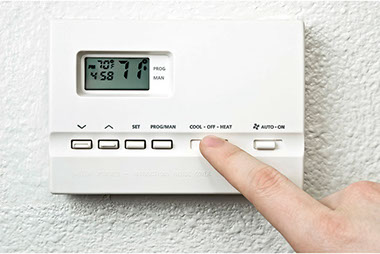
    Image of thermostat being set at 71 degrees.

    When temperatures drop, energy bills are higher. Duke Energy offers some simple energy (and money) saving tips:

    *  Check your heating system’s ductwork to ensure that it is well insulated and completely covered. Ductwork should be properly sealed and not allowed to hang loose under the house.

    *  Keep your thermostat at a comfortable setting. If you are going to be away for several days, turn the thermostat to a lower setting, but not off.

    *  Have your heating or cooling system checked each season by a qualified technician to make sure it is operating properly. Heating and cooling account for at least half of your energy bill.

    *  Check insulation, seal cracks, and weather-strips between heated and unheated areas such as garages, basements, and attics.

    *  If you have a window air conditioning unit, remove it for the winter months to prevent heat from escaping through and around the unit. If it cannot be moved, cover it to prevent drafts.

    *  Always make sure the fireplace damper seals tightly and remains closed except when a fire is burning or smoldering in the fireplace.

    *  Insulate your water heater with at least R-6 insulation. The water heater is the second-largest energy user in your home. You can save enough money in energy bills to pay back the cost of materials within months and then keep on saving.

    *  Ceiling fans help keep you comfortable in the summer and winter. Reversing the direction of the blades pushes warm air down into the room. Fans should turn counter-clockwise in the summer and clockwise in the winter.

    *  On sunny days, leave the draperies open to allow the sun’s rays to warm your house.

    © American Institute for Preventive Medicine

  • Stranded In Your Car During A Winter Storm?

    WELL-BEING

    Image of an older Asian couple stretching.

    A fast-moving winter storm could strand you in your car. The cold can lead to hypothermia and frostbite until you’re rescued.

    A charged cell phone can be your lifeline for first responders, but until help arrives, Amica Insurance with advice from the National Oceanic and Atmospheric Administration offers these tips to help keep you safe if you’re stuck in a winter storm:

    *  Always stay in your vehicle. You will become disoriented quickly in wind-driven snow and cold temperatures.

    *  Run the engine for about 10 minutes every hour to provide heat. However, be sure to slightly open a window to avoid carbon monoxide poisoning.

    *  Turn on the dome light at night when running the engine.

    *  After the snow stops, open the hood of your vehicle to indicate that you need assistance.

    *  Tie a colored cloth – preferably red – to your door or antenna.

    *  Be sure to move your arms, legs, fingers and toes to keep blood circulating.

    © American Institute for Preventive Medicine
  • The Scoop On Shoveling

    WELL-BEING

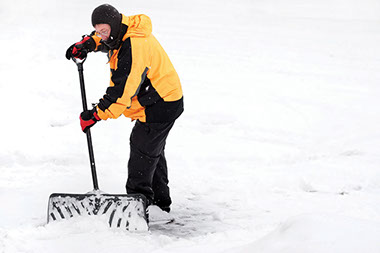
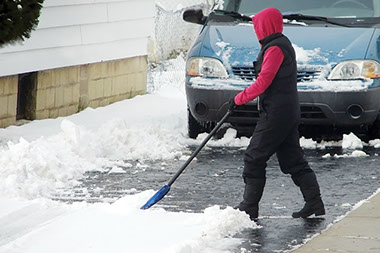
    Image of man shoveling snow.

    Push the snow, dress in layers, and warm up first are sensible rules for shoveling snow. Here are some guidelines you may not know:

    *  Avoid caffeine or nicotine before shoveling, especially if you have a history of or are at high risk for a heart attack. These stimulants may increase your heart rate and cause your blood vessels to constrict, which places extra stress on the heart. If you have a heart condition, respiratory issues, or back problems, check with your doctor before doing any shoveling.

    *  Drink plenty of water to avoid dehydration.

    *  Try to shovel fresh snow, before it becomes packed or refrozen. It may be helpful to shovel a few times during a snowfall rather than waiting until the storm ends when the snow is deeper and heavier.

    *  Switch hands periodically and alternate the side to which you are throwing snow to more evenly distribute the work load and repetitive muscle use.

    *  Use a sturdy snow shovel that has open ends to allow you to easily toss the snow off to the side.

    *  Pace yourself. Be sure to take frequent breaks to rest and avoid overexertion. Exhaustion can make you more susceptible to injury, hypothermia, and frostbite.

    Most important:

    If you begin to experience any pain in your chest, arm or neck, shortness of breath or profuse sweating, stop shoveling immediately and seek emergency medical attention.

    [Source: Kessler Institute]

    © American Institute for Preventive Medicine