Tag: Women’s Health

  • Pap Smear Needed Even With Hpv Vaccine

    MEDICAL NEWS

    Image of women talking with her doctor.

    HPV (human papillomavirus) vaccines that are often recommended to help prevent infections related to cervical and other cancers should not discourage women from also getting a Pap smear, UT Southwestern Medical Center cancer experts said.

    “Women should continue to be screened even if they have undergone HPV vaccination. The vaccine does not target all types of HPV that cause cancer. It is intended to reduce the risk of cancer, but has not been proven to eliminate the need for screening,” explains Dr. Jayanthi Lea.

    Unless you have a history of precancerous lesions, cancer, immune deficiency, or other risks, testing every three years between ages 21 and 65 is sufficient, Dr. Lea said. “There is also the option of combining a Pap test with HPV testing for women over age 30. Screening this way is typically performed every five years.”

    © American Institute for Preventive Medicine

  • How Your Body Changes, How Your Baby Grows

    Pregnancy & Prenatal Care

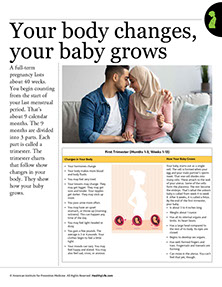
    A full-term pregnancy lasts about 40 weeks. You begin counting from the start of your last menstrual period. That’s about 9 calendar months. The 9 months are divided into 3 parts. Each part is called a trimester. The trimester charts that follow show changes in your body. They show how your baby grows.

    First Trimester

    (Months 1-3, Weeks 1-13)

    Changes in Your Body

    *  Your hormones change.

    *  Your body makes more blood and body fluids.

    *  You may feel very tired.

    *  You pass urine more often.

    *  You may have an upset stomach, or throw up (morning sickness). This can happen any time of the day.

    *  You may feel light-headed or dizzy.

    *  You gain a few pounds. The average is 3 or 4 pounds. Your clothes begin to feel a little tight.

    *  Your moods can vary. You may feel happy and elated. You may also feel sad, cross, or anxious.

    *  Your breasts may change.

    – They may get bigger.

    – They may get sore and tender.

    – Your nipples get darker. They may stick up more.

    How Your Baby Grows

    Your baby starts out as a single cell. The cell is formed when your egg and your male partner’s sperm meet. That one cell divides into many cells. These attach to the wall of your uterus. Some of the cells form the placenta. The rest become the embryo. That’s what the unborn baby is called from week 4 to week 8. After 8 weeks, it is called a fetus. By the end of the first trimester, your baby:

    *  Is about 3 to 4 inches long

    *  Weighs about 1 ounce

    *  Has all its internal organs and limbs. Its heart beats.

    *  Has a large head compared to the rest of its body. Its eyes are closed.

    *  Begins to develop sex organs

    *  Has well-formed fingers and toes. Fingernails and toenails are forming.

    *  Can move in the uterus. You can’t feel that yet, though.

    Second Trimester

    (Months 4-6, Weeks 14-27)

    Changes in Your Body

    *  You probably feel really good during this trimester. Most women do.

    *  You start to look pregnant as your belly expands. You gain about a pound a week. Loose or maternity clothes feel best.

    *  Your heart beats stronger. This helps push the extra body fluids around your body. It helps push them into the placenta, too.

    *  You start to feel your baby move. This usually starts between weeks 15 and 20 with a first baby. It may come earlier than that with babies after the first one. First you feel flutters. Then you feel kicks.

    *  Your breasts get ready to make milk.

    *  Your uterus starts to stretch out and get thinner.

    *  You may notice that you have:

    –  Backache

    –  Constipation

    –  Headache

    –  Mood swings

    –  Braxton-Hicks contractions

    –  Mild swelling of the ankles and feet

    –  Less morning sickness or none at all

    –  Less need to pass urine

    –  Bigger appetite

    –  Heartburn

    –  Larger veins in your hands and arms

    –  Stretch marks on your breasts and belly

    –  Leg cramps at night

    None of these is apt to change your sense of well-being, though.

    How Your Baby Grows

    Your baby begins to grow fast. Its organs mature. By the end of the second trimester, your baby:

    *  Is about 11 to 14 inches long

    *  Weighs about 2 to 2-1/2 pounds

    *  Swallows

    *  Sucks its thumb

    *  Moves and kicks

    *  Has wrinkly skin. Its skin is covered by a thick, white coating called vernix.

    *  Has hair growing on its head

    *  Has teeth forming in the jawbone

    *  Can open and close its eyelids

    *  Has eyes that are almost fully developed. Eyebrows and eyelashes start to grow.

    Third Trimester

    (Months 7-9, Weeks 28-40)

    Changes in Your Body

    You gain about a pound a week until the final few weeks. Then you may stop gaining weight or lose a pound or two. As the baby grows, your uterus and belly expand. You feel lots of pressure on your bladder. You need to pass urine more often.

    The baby pushes up on the bottom of your rib cage. The baby pushes up on the diaphragm. This can cause you to feel short of breath.

    The baby makes stronger movements and moves more often. You can feel its head, elbows, and feet as they push against your belly. You may be able to see the baby’s kicks! You may notice that:

    *  You feel hot and you sweat more than usual.

    *  A yellow liquid leaks from your breasts.

    *  Your hands and feet swell.

    *  Your navel may look flat or stick out.

    *  You feel tired.

    *  You have mood swings.

    Toward the very end of this trimester (near your due date):

    *  You may feel your uterus getting tight and hard.

    *  You may have “practice” contractions. These stop when you move your body or walk around.

    *  The baby “drops” into your pelvis. It is easier for you to breathe. It also makes you need to pass urine more often.

    *  You lose the mucus plug. You usually lose it shortly before delivery. It’s called bloody show then. You may notice it as a thick, stringy discharge for days. Or you may pass a big clump that looks like a wet cotton ball. Some women never notice the bloody show.

    How Your Baby Grows

    Your baby keeps growing and gaining weight. During this trimester, your baby:

    *  Grows to about 20 inches long

    *  Gains weight to 7 pounds or more

    *  Fills the uterus

    *  Opens and closes its eyes

    *  Responds to light and sound

    *  Moves a lot. Its movements are more like rolls and turns instead of kicks. These may slow down close to labor. But the baby does not stop moving before birth. Tell your health care provider if you notice a big decrease in your baby’s activity.

    *  Settles further down into your pelvis. Your baby is getting ready to be born!

    Prenatal Self-Care book by the American Institute for Preventive Medicine. www.HealthyLife.com. All rights reserved.

    © American Institute for Preventive Medicine

  • Headaches

    Brain & Nervous System

    Women sitting with blanket and holding forehead.

    Persons who suffer from headaches should see a doctor for proper diagnosis and treatment.

    Common causes of headaches are tension, sinus problems, tobacco smoke, low blood sugar, and things in your diet like red wine, aged cheese, and MSG.

    Keep a diary of when headaches occur, how long they last, and where and how severe the pain is. Keep track of other symptoms, such as nausea, too. Show this diary to your doctor to help them identify which type of headache you have and the most beneficial treatments.

    The most common treatments for headaches are rest and over-the-counter pain relievers. It is best to treat headaches when they begin or when they are still mild. Prescription medication may also be prescribed by your doctor.

    In addition to medicine, self-care practices can also help manage your symptoms and prevent headaches. Examples include putting a heat or ice pack on your head or neck, getting enough quality sleep, and drinking plenty of water.

    Health at Home Lifetime book by the American Institute for Preventive Medicine. www.HealthyLife.com. All rights reserved.

    © American Institute for Preventive Medicine

  • Premenstrual Syndrome (Pms)

    Women’s Health

    Four out of 10 menstruating women have premenstrual syndrome (PMS). A syndrome is a group of signs and symptoms that indicate a disorder.

    Signs & Symptoms

    As many as 150 symptoms are linked to PMS. The most common ones are:

    *  Abdominal bloating. Weight gain.

    *  Anxiety. Depression.

    *  Breast tenderness.

    *  Fatigue.

    *  Feelings of hostility and anger.

    *  Feeling cranky.

    *  Food cravings, especially for chocolate or sweet and/or salty foods.

    *  Headache.

    *  Mood swings.

    *  Tension.

    For some women, symptoms are slight and may last only a few days before menstruation. For others, they can be severe and last the entire 2 weeks before every period. Also, other problems women have, such as depression, may be worse with PMS. This is known as “menstrual magnification.”

    Causes

    The exact cause or causes for PMS are not known. A female’s response to normal monthly changes in estrogen, progesterone, and testosterone appear to be involved. So do changes in the level of seratonin, a brain chemical. With PMS, symptoms must occur within 2 weeks before the menstrual period and go away shortly after the period begins. Symptoms are not present between days 4 and 12 of the menstrual cycle. True PMS usually stops with menopause.

    Treatment

    *  Self-care measures.

    *  Regular exercise. This includes 20 minutes of aerobic exercise, such as walking or aerobic dance, at least 3 times a week.

    *  Medications. These include:

    – A water pill called spironolactone.

    – An anti-anxiety medicine.

    – An antidepressant medicine, such as an SSRI (e.g., fluoxentine or sertraline). This is taken a week or 2 before the menstrual period.

    – Birth control pills.

    Questions to Ask

    Self-Care / Prevention

    *  Get emotional support.

    *  Do aerobic exercises. Swim. Walk. Bicycle.

    *  Rest. Take naps if you need to.

    *  Learn to relax. Try deep breathing. Meditate. Do yoga. Take a warm bath. Get a massage.

    *  Eat carbohydrate-rich foods. Examples are whole grain breads and cereals, fruits, and vegetables.

    *  Have good sources of calcium, such as skim milk, nonfat yogurt, collard greens, and kale. Choose cereals and juices that have added calcium. Get good sources of magnesium, too. These include spinach; other green, leafy vegetables; and whole grain cereals.

    *  Try to avoid stress when you have PMS.

    *  Limit or avoid caffeine, alcohol, and cigarettes 2 weeks before your period is due.

    *  Limit salt, fat, and sugar.

    *  If you need to satisfy a food craving, do so with a small serving. For example, if you crave chocolate, have a small chocolate bar or add chocolate syrup to skim milk. If you crave salt, eat a small bag of pretzels.

    *  The vitamin and minerals listed below seem to help some females with PMS. Ask your doctor if you should take any of them and in what amounts.

    – Calcium.

    – Magnesium.

    – Vitamin E.

    Resources

    National Women’s Health Information Center

    www.womenshealth.gov

    Women's Self-Care book by the American Institute for Preventive Medicine. www.HealthyLife.com. All rights reserved.

    © American Institute for Preventive Medicine

  • Smoking And Pregnancy

    MEDICAL NEWS

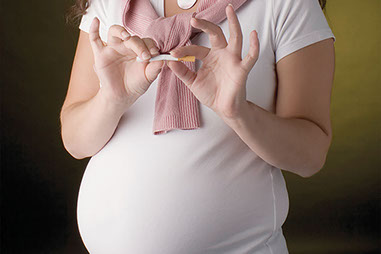
    Image of pregnant women breaking a cigarette in half.

    According to researchers at the Moffitt Cancer Center in Tampa, nearly 50% of pregnant women who smoke will quit during their pregnancies, but more than half of those will start smoking again after they give birth.

    Not only is smoking harmful for new mothers, but their babies could also be exposed to dangerous secondhand smoke or thirdhand smoke which is left on clothing, furniture, curtains and there surfaces.

    © American Institute for Preventive Medicine

  • Breast Care For Nursing Mothers

    Pregnancy & Prenatal Care

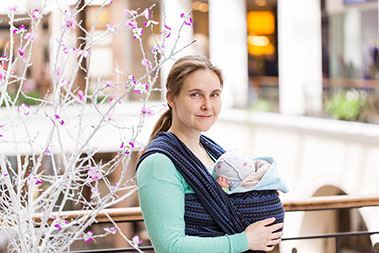
    Image of women with newborn baby.

    Breast-feeding your baby is one of the most fulfilling experiences in life.  But if nursing leaves your breasts tender and sore, satisfaction gives way to discomfort. Proper breast care can minimize this problem, though.

    *  Wear good support bras throughout your pregnancy.

    *  Wear a nursing bra day and night as long as your baby is breast-feeding.

    *  Avoid wearing bras that have a plastic liner.

    *  Change your bra or breast pads when they become damp or wet.

    *  Alternate breasts when nursing.

    *  Avoid nursing your baby more than 20 minutes at a time on each breast.

    *  Don’t pull the baby away from your breast. Instead, break the suction by gently inserting your finger between the baby’s mouth and your breast.

    *  Expect some temporary swelling for the first few days you breast-feed. Warm showers and ice packs can relieve discomfort.

    *  Wash your breasts daily, using warm water and a soft cloth. Don’t use soap; it can dry your skin and irritate your breasts.

    If your breasts are red, inflamed. and painful despite precautions, consult your doctor.

    A Year of Health Hints book by the American Institute for Preventive Medicine. www.HealthyLife.com. All rights reserved.

    © American Institute for Preventive Medicine

  • Headaches 2

    General Health Conditions

    Causes

    *  Anxiety, stress, caffeine withdrawal, or depression

    *  Lack of sleep. Poor sleep position.

    *  A sensitivity to certain foods and drinks.

    *  Reading a lot, especially in dim light

    *  Missing or delaying a meal

    *  Doing boring work

    *  Being in one position for a long time, like at a computer

    *  Hormone changes that come  with menstruation, while taking birth control pills, etc.

    *  Exposure to chemicals and/or pollution

    *  Side effects from some medications

    *  Dirty or polluted air

    *  Airplane travel

    *  Alcohol

    *  Poison

    *  Poor posture

    *  Cigarette smoke

    *  Too much physical activity

    *  Bright lights. This includes watching TV.

    *  Movement, such as riding in a car or elevator

    *  Loud noises

    *  Strong odors

    *  Eating or drinking something very cold, such as ice cream

    Types

    You can have cancer for years without having symptoms. There is usually no pain at the onset of cancer. As different types of cancers grow, warning signs may occur. See your doctor for a proper diagnosis.

    For Tension or Muscular Headaches

    About 90 percent of all headaches are tension or muscular headaches. These headaches respond well to self-care, without causing ongoing problems. Symptoms include:

    *  You have a dull ache in your forehead, above your ears, or at the back of your head.

    *  You feel pain in your neck or shoulders.

    Tense or tight muscles in the face, neck, or scalp result in these headaches. Common causes are:

    *  An illness

    *  Fever

    *  Tiredness

    *  Stress

    *  Worry

    *  Concentrating hard for long periods of time

    For Sinus Headaches

    Symptoms

    *  The pain is in your forehead, cheekbones, and nose.

    *  The pain is worse in the morning.

    *  It hurts more if you bend over or touch your face.

    *  Your nose is stuffy.

    Sinuses are behind your cheeks, around your eyes, and in your nose. You may get a sinus headache from:

    *  A cold or upper respiratory infection

    *  Allergies, like hay fever

    *  Other breathing problems

    *  Swimming in dirty or polluted water

    *  Airplane travel

    These things interfere with fluid drainage in the nose, causing a buildup of pressure. Pain results.

    For Cluster Headaches

    Cluster headaches usually start at night, can last from 15 minutes to 3 hours, and can interrupt sleep. They can also start during the hours a person is awake. These headaches come once or twice a year, usually in older men, and tend to run in families.

    Cluster headaches are much less common than migraines. Spring and autumn are the most common times of the year for them. Symptoms include:

    *  The pain is on one side of your head.

    *  The pain is in or on the sides of your eyes.

    *  Your eyes are watery.

    *  The pain is sharp, burning, and intense.

    *  Your pupils look smaller.

    *  One or both of your eyelids droop.

    *  You get headaches in groups (clusters), everyday for a week or longer.

    For Children’s Headaches

    Children’s headaches that come once in a while can be treated with ibuprofen or acetaminophen. Make sure you use the right type and dose for your child’s weight. Don’t give aspirin to anyone younger than 19 years of age due to its link to Reye’s Syndrome. Reye’s Syndrome is a rare disease that can cause death. It usually occurs 7 to 10 days after the onset of the flu or chicken pox. If the child complains of head pain on a regular basis, take the child to his or her doctor. Symptoms:

    *  The headaches tend to be shorter than ones in adults.

    *  Sometimes, an upset stomach and vomiting are also present.

    *  Headaches come in groups, then are gone for months.

    For Migraine Headaches

    Migraines happen when blood vessels in your head open too wide or close too tight. At least one in eight adults suffer from migraines. Women have migraines more often than men. Migraines tend to run in families, too. Symptoms include:

    *  One side of your head hurts more than the other.

    *  You feel sick to your stomach or throw up.

    *  You may see spots or zigzag flashes of light.

    *  Light hurts your eyes.

    *  Noise bothers you.

    *  Your ears ring.

    *  Your face is pale.

    *  After the headache, some people have a drained feeling with tired, aching muscles. Others feel great after the headache goes away.

    Types of Migraine Headaches

    *  Migraines with an aura. An aura is when a person sees spots or flashing lights for 10 to 15 minutes or his or her face becomes numb. (Ten percent of migraines are this type.)

    *  Migraines without an aura. They start more slowly and tend to last longer than migraines with an aura. They don’t begin with changes in a person’s vision or numbness. (Ninety percent of migraines are this type.)

    Prevention

    Keep a headache diary. Write down when, where, and why the headaches seem to start. Try to avoid things that trigger headaches.

    Be aware of early symptoms. Try to stop the headache as it begins.

    *  Exercise on a regular basis.

    *  Keep regular sleep hours, even on weekends.

    *  Don’t smoke. If you smoke, quit.

    *  Cut down on salt.

    *  Avoid excess alcohol. Alcohol can lead to a “hangover” headache.

    *  Don’t have foods and drinks known to trigger headaches in sensitive people.

    Foods and Drinks That May Cause Headaches

    *  Alcohol, especially red wine

    *  Bananas (if more than 1/2 banana daily)

    *  Beans: Broad, lima, fava, snow peas

    *  Brewer’s yeast

    *  Caffeine (from coffee, tea, cola soft drinks, some medications, chocolate) or caffeine withdrawal

    *  Chicken livers, paté

    *  Citrus fruits (if more than 1/2 cup daily)

    *  Cured meats (hot dogs, luncheon meats, etc.)

    *  Figs, raisins, papayas, avocados, red plums (no more than 1/2 cup daily)

    *  Foods with MSG (monosodium glutamate), such as soy sauce, meat tenderizers, seasoned salt

    *  Hard cheeses (aged cheddar, provolone, etc.)

    *  Herring, pickled or dried

    *  Nuts and peanut butter

    *  Onions

    *  Pickled, preserved, or marinated foods

    *  Sauerkraut

    *  Sour cream

    *  Sourdough bread

    *  Vinegar

    Treatment

    Usually, headaches are not linked to serious health problems. Self-care treats most headaches.

    Self-Care

    *  Rest in a quiet, dark room with your eyes closed.

    *  Rub the base of your skull with your thumbs. Work from the ears toward the center of the back of your head. Also, rub gently along the sides of your eyes, your shoulders, neck, and jaw.

    *  Take a warm bath or shower.

    *  Place a cold or warm washcloth, whichever feels better, over the area that aches.

    *  Take an over-the-counter (OTC) medicine (that your provider recommends) for pain. Take it right away.

    *  Relax. Imagine a calm scene. Meditate or breathe deeply.

    Medication

    *  Over-the-counter (OTC) pain medications. Examples are aspirin, ibuprofen, naproxen sodium and ketoprofen. Most tension and muscular headaches go away with OTC medications. Some OTC medicines (e.g., Excedrin Migraine® and Motrin Migraine Pain®) are FDA approved for migraine headaches.

    *  Prescribed medicines. Examples are:

    – Triptan drugs, such as sumatriptan

    – Ergotamines, with or without caffeine

    – Antihistamines

    – Beta-blockers

    – Calcium channel blockers

    – Tricyclic antidepressants

    Take medicines as prescribed.

    Biofeedback

    Biofeedback is a process of learning how to control internal functions to relieve pain. Biofeedback training has helped many people who have suffered from headaches.

    These things occur with biofeedback:

    *  A biofeedback therapist explains how the muscles react to stress and cause tension headaches.

    *  Most of the time, you sit in a comfortable chair in a dimly lit room.

    *  A headband, connected to a machine, is fastened across your forehead. The machine emits a steady sound that changes if muscles in the head or neck are tensed.

    *  A small thermometer is attached to one of your fingers. Another machine keeps track of your temperature.

    *  You learn how to use these biofeedback machines.

    *  You learn to control the automatic response of your muscles and blood vessels that cause headaches.

    *  Then you learn to do the same thing without the machines to control headaches on your own.

    Medical Care

    Reasons to Get Medical Care Fast

    *  A headache due to a serious head injury or a blow to the head causes severe pain, enlarged pupils, vomiting, confusion, or feeling sleepy.

    *  Severe pain occurs in and around one eye.

    *  A severe, persistent headache occurs with a stiff neck or a red or purple rash that doesn’t fade when pressure is applied to the skin.

    *  The headache came on suddenly and hurts much more than any headache you have ever had.

    Call 9-1-1 if signs of a stoke occur:

    *  A sudden and severe headache with no known cause

    *  Sudden numbness or weakness of the face, arm or leg, especially on one side of the body

    *  Sudden confusion, trouble speaking or understanding

    *  Sudden trouble seeing in one or both eyes

    *  Sudden trouble walking, dizziness, loss of balance or coordination

    Reasons to Call Doctor or Health Care Provider

    *  The headache has lasted more than 2 to 3 days and keeps getting worse.

    *  Migraine headaches (intense, throbbing, one-sided, often with nausea or vomiting) occur often. Flashing lights or spots may precede the pain.

    *  A headache persists or recurs and is present with nausea or vomiting.

    *  A headache started after taking a new medicine (prescribed or over-the-counter).

    Work with Your Health Care Provider

    For headaches that do not need medical care fast, contact your primary care provider first. Most likely, he or she will be able to figure out the type of headache you have. If not, he or she can refer you to a specialist. Tips on working with your doctor or health care provider:

    *  Make notes before your office visit.

    *  List every symptom, even if it seems minor.

    *  Be honest with your health care provider. The facts you give could be important in finding out why you have headaches.

    *  Follow your doctor’s advice. Let him or her know if the prescribed treatment helps. Tell your doctor if you have any side effects from treatment.

    *  Answer these questions before your office visit:

    – When did your headaches begin (days, weeks, months, years ago)?

    – How long does your headache last (minutes, hours, days)?

    – How often do you have these headaches (once a day, once a week, etc.)?

    – Where does it hurt (both sides, one side, etc.)?

    – How does the pain feel (dull, sharp, throbbing, nonstop)? How does the pain usually start (dull or sharp)?

    – Is there a pattern to your headaches? Are they gone for months at a time then come back several times a day? Are they worse lately?

    – Are your headaches different from each other? (You may have more than one kind.)

    – When does the pain usually start (at night, in the morning)?

    – Are there any symptoms just before the headache begins (stuffy nose, pain elsewhere, flashing lights)?

    – Do any other symptoms occur with the headache (upset stomach, pain elsewhere)?

    – What helps the headache go away (rest, medicine, hot or cold treatment, massage)?

    – Does anything make the pain worse (moving the head, standing or lying)?

    – Does an activity or situation bring on headaches (after exercise or eating a certain food)?

    – Are you taking any other medicines or drugs?

    – Is another health care provider treating you for anything else?

    Resources

    National Headache Foundation

    800.843.2256

    www.headaches.org

    Headaches brochure by the American Institute for Preventive Medicine. www.HealthyLife.com. All rights reserved.

    © American Institute for Preventive Medicine

  • Safe Pregnancy After Age Thirty-Five

    Pregnancy & Prenatal Care

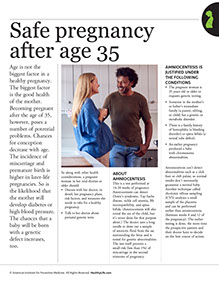
    Image of pregnant older women reading.

    Age is not the biggest factor in a healthy pregnancy. The biggest factor is the good health of the mother.

    Becoming pregnant after the age of 35, however, poses a number of potential problems. Chances for conception decrease with age. The incidence of miscarriage and premature birth is slightly higher in later-life pregnancies. So is the likelihood that the mother will develop diabetes or high blood pressure. The chances that a baby will be born with a genetic defect increases, too. So along with other health considerations, a pregnant woman in her mid-thirties or older should:

    *  Discuss with her doctor, in detail, her pregnancy plans, risk factors, and measures she needs to take for a healthy pregnancy.

    *  Talk to her doctor about prenatal genetic tests.

    About Amniocentesis

    Usually performed at about 16 weeks into the pregnancy, amniocentesis can detect Down’s syndrome, Tay-Sachs disease, sickle cell anemia, Rh incompatibility, and spina bifida. (Amniocentesis will also reveal the sex of the child, but it’s never done for that purpose alone.) The doctor uses a long needle to draw out a sample of amniotic fluid, which is tested for genetic abnormalities. The test itself presents some risk-there is about 1 chance in 100 to 1 chance in 200 that a miscarriage may occur.

    Amniocentesis is justified under the following conditions.

    *  The pregnant woman is 35 years old or older or requests genetic testing.

    *  Someone in the mother’s or father’s immediate family (a parent, sibling, or child) has a genetic or metabolic disorder.

    *  There is a family history of hemophilia (a bleeding disorder) or spina bifida (a neural tube defect).

    *  An earlier pregnancy produced a baby with chromosome abnormalities.

    Amniocentesis can’t detect abnormalities such as a club foot or cleft palate, so normal results don’t necessarily guarantee a normal baby. Another technique called chorionic villous sampling (CVS) analyzes a small sample of the placenta and can be performed earlier than amniocentesis, (between weeks 8 and 12 of the pregnancy). The earlier testing is done, the more time the prospective parents and their doctor have to decide on the best course of action.

    A Year of Health Hints book by the American Institute for Preventive Medicine. www.HealthyLife.com. All rights reserved.

    © American Institute for Preventive Medicine

  • Thinking About Getting Pregnant?

    WELL-BEING

    Image of couple looking at the results of a pregnancy test.

    A healthy pregnancy starts with these steps, according to the CDC:

    *  Take a vitamin with 400 micrograms (mcg) folic acid every day. Read the label.

    *  Avoid alcohol, tobacco, and street drugs.

    *  Keep hands clean by washing them often with soap and water to prevent infections.

    *  See a health care professional regularly. Talk about any medical problems (such as obesity, diabetes, seizures) and medicine use (both prescription and over-the-counter).

    *  Ask about avoiding any substances at work or at home that might be harmful to a developing baby.

    *  Eat a healthy, balanced diet.

    *  Avoid unpasteurized (raw) milk and foods made from it.

    *  Avoid eating raw or undercooked meat.

    *  While pregnant, get early prenatal care and go to every appointment.

    © American Institute for Preventive Medicine

  • Chest Pain & Heart Disease

    Women’s Health

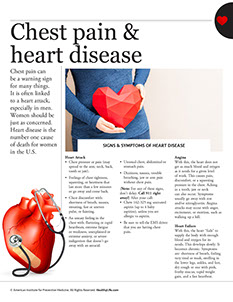
    Women making heart shape with hands and wearing a wear dress.

    Chest pain can be a warning sign for many things. It is often linked to a heart attack, especially in men. Women should be just as concerned. Heart disease is the number one cause of death for women in the U.S.

    Signs & Symptoms

    Angina

    With this, the heart does not get as much blood and oxygen as it needs for a given level of work. This causes pain, discomfort, or a squeezing pressure in the chest. Aching in a tooth, jaw or neck can also occur. Symptoms usually go away with rest and/or nitroglycerin. Angina attacks may occur with anger, excitement, or exertion, such as walking up a hill.

    Heart Attack

    *  Chest pressure or pain (may spread to the arm, neck, back, tooth or jaw).

    *  Feelings of chest tightness, squeezing, or heaviness that last more than a few minutes or go away and come back.

    *  Chest discomfort with: shortness of breath, nausea, sweating, fast or uneven pulse, or fainting.

    *  An uneasy feeling in the chest with: fluttering or rapid heartbeats, extreme fatigue or weakness, unexplained or extreme anxiety, or severe indigestion that doesn’t go away with an antacid.

    *  Unusual chest, abdominal or stomach pain.

    *  Dizziness, nausea, trouble breathing, jaw or arm pain without chest pain.

    {Note: For any of these signs, don’t delay. Call 911 right away!} After your call:

    *  Chew 162-325 mg uncoated aspirin (up to 4 baby aspirins), unless you are allergic to aspirin.

    *  Be sure to tell the EMS driver that you are having chest pain.

    Heart Failure

    With this, the heart “fails” to supply the body with enough blood and oxygen for its needs. This develops slowly. It becomes chronic. Symptoms are: shortness of breath, feeling very tired or weak, swelling in the lower legs, ankles, and feet, dry cough or one with pink, frothy mucus, rapid weight gain, and a fast heartbeat.

    Causes

    Heart disease is caused by atherosclerosis. This is the buildup of plaque in the inner walls of the arteries. The plaque is made up of blood, platelets, cholesterol, fibrous tissue, and sometimes, calcium. Blood flow to the heart is slowed or blocked. Besides heart disease, chest pain can also be a symptom of:

    *  Mitral valve prolapse (MVP), a heart-valve problem.

    *  Bronchitis, pneumonia, lung injuries, etc.

    *  Heartburn or a hiatal hernia.

    *  Shingles.

    *  A pulled muscle or even swallowing too much air.

    Treatment

    Heart disease needs medical treatment. It is not always easy to know whether or not to seek medical care for chest pain. When in doubt, check it out. Prompt medical treatment for a heart attack or severe lung injury could be life-saving.

    Questions to Ask

    Self-Care / Prevention

    Reduce the Risk of Heart Disease

    *  Have regular medical checkups. Get your blood pressure and blood cholesterol checked as often as advised by your doctor.

    *  Don’t smoke or use tobacco. If you do, quit.

    *  Be at a healthy weight.

    *  Take all medications, as prescribed.

    *  If you have diabetes, high blood pressure or high cholesterol, follow your treatment plan.

    *  Follow a diet low in saturated fats, trans fats, and cholesterol. Limit sodium to 1500 mg to 2,400 mg per day. Eat plenty of vegetables and fruit, fiber-rich whole grains, fatty fish, nuts, seeds, beans, lentils, and olive or canola oil. Limit processed meats and sugary foods and beverages.

    *  Do regular exercise.

    *  Avoid or limit alcohol to one drink per day.

    *  Manage stress. Practice relaxation techniques.

    Pulled Muscle or Minor Injury to the Rib Cage

    *  Do not strain the muscle or ribs while pain is felt.

    *  Rest.

    *  Take an over-the-counter medicine for pain.

    Heartburn or a Diagnosed Hiatal Hernia

    *  Lose weight, if you are overweight.

    *  Eat 5 to 6 small meals a day and chew thoroughly.

    *  Avoid tobacco and alcohol. Avoid “trigger” foods, such as caffeine, spicy foods, citrus juices, chocolate, and  carbonated drinks.

    *  Don’t bend over or lie down after eating.

    *  For heartburn, take antacids after meals and before going to sleep.

    *  Don’t have food 2 hours before bedtime.

    *  Do not wear tight clothes, tight belts or girdles.

    *  Sleep on a bed with the head raised about 6 inches.

    Anxiety and Hyperventilating

    *  Talk about your anxiety with someone you trust.

    *  When you hyperventilate: Open up a small paper bag. Loosely cover your nose and mouth with it. Breathe slowly into the bag. Rebreathe the air in the bag. Do this about 10 times. Set the bag aside. Breathe normally for a couple of minutes.

    *  Try to breathe slowly. Focus on taking one breath every 5 seconds.

    Inflammation of the Cartilage Where the Ribs Attach to the Breastbone (Costochondritis)

    *  Take aspirin, ibuprofen, or naproxen sodium for pain.

    Mitral Valve Prolapse (MVP)

    *  Follow your doctor’s guidelines for self-care.

    *  Eat healthy foods. Limit caffeine and alcohol.  Don’t smoke.

    *  After checking with your doctor, exercise regularly to improve cardiovascular fitness.

    *  Deal with and control stress and anxiety.

    Resources

    American Heart Association & Go Red For Women

    888.MY.HEART (694.3278)

    www.heart.org

    www.GoRedForWomen.org

    National Heart, Lung, and Blood Institute (NHLBI)

    www.nhlbi.nih.gov

    Women's Self-Care book by the American Institute for Preventive Medicine. www.HealthyLife.com. All rights reserved.

    © American Institute for Preventive Medicine