SELF-CARE CORNER
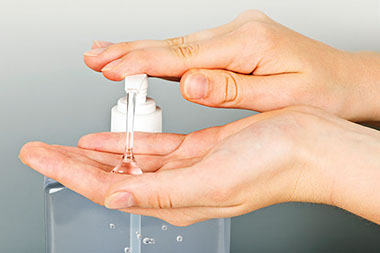
Beyond the obvious-steering clear of runny noses and hacking coughs-the Association for Professionals in Infection Control and Epidemiology presents some practical ways of staying infection-free.
1.Wash your hands often.Germs can live on surfaces anywhere from a few minutes to several months. Common places to pick up germs are kitchen sponges, light switches, elevator buttons, and shared computer keyboards and phones. Wash your hands with good old soap and water for 20 seconds and dry them with a paper towel. When you can’t wash your hands, use alcohol-based gels or wipes to clean your hands.
2.Don’t share personal items.Toothbrushes, towels, razors, handkerchiefs, and nail clippers can all be sources of infectious agents (bacteria, viruses, and fungi). Not sharing is caring, in this case.
3.Cover your mouth when you cough or sneeze.Coughing or sneezing can spread germs through microscopic droplets in the air. Cover your mouth with a tissue, your sleeve or the inside bend of your elbow.
4.Get vaccinated.Vaccines help your body develop immunity to infectious organisms.
5.Use safe cooking practices.Microbes thrive on virtually all food items, and more so on foods left at room temperature. Promptly refrigerate foods within 2 hours of preparation.
6.Be a smart traveler.If you travel to a location where water is questionable, use a safe water source such as bottled water for drinking and brushing your teeth. Eat foods that have been cooked. Avoid raw vegetables and fruits.
7.Practice safe sex.Many sexually-transmitted infections can be prevented using condoms and limiting sexual partners.
8.Don’t pick your nose (or your mouth or eyes either).Many germs prefer the warm, moist environment inside your nose, as well as other mucous-covered surfaces such as your eyes and mouth.
9.Exercise caution with animals.If you have pets, make sure they get regular check-ups and that their vaccinations are up-to-date. Clean litter boxes often (unless you’re pregnant-stay away!), and keep small children away from animal feces. Wash your hands after playing with pets.
10.Watch the news.Find out where outbreaks of infectious diseases occur and avoid going to those areas. Follow warnings to avoid foods found to have listeria, salmonella and other harmful organisms.

© American Institute for Preventive Medicine