SELF-CARE CORNER
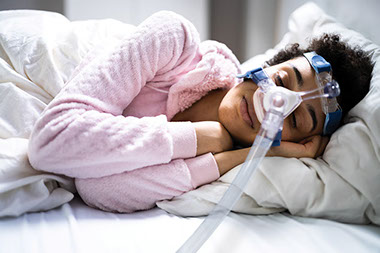
Almost everyone snores sometimes. But some people snore a lot, and it may be disruptive to their sleep and those around them. Snoring may just be a nuisance, but it could also be a sign of a serious problem.
What is snoring?
Snoring is the harsh sound made when air vibrates the tissue around your airway while you breathe. When you sleep, it’s normal for your throat to relax and your tongue to slide back into your mouth. However, if anything obstructs the flow of air, you get vibrations known as snoring.
The sound can range from gentle to grating, depending on the degree of obstruction or the specific structure of your airway.
Causes
* Stuffy nose from a cold or allergies
* Sleep position
* Bulky throat tissue from large tonsils or adenoids
* Your unique mouth anatomy
* Being overweight
* Poor muscle tone due to age, alcohol consumption, or sleep deprivation
* A serious condition called Obstructive Sleep Apnea (OSA)
What makes snoring dangerous?
Excessive snoring may be a sign of obstructive sleep apnea (OSA). This condition occurs when breathing is fully or partially obstructed for more than 10 seconds during sleep. You may wake with a snort or gasp and then fall back to sleep for another cycle of snoring, followed by breath obstruction.
People with OSA often sleep poorly due to multiple cycles of apnea disrupting deep sleep. They are also at higher risk for high blood pressure, heart conditions, and stroke.
Talk to your doctor if you or your partner notice you are frequently snoring.
Warning signs for OSA:
* Feeling very drowsy during the day
* Morning headaches
* Gasping or choking at night
* High blood pressure
* Snoring disrupting your bed partner’s sleep
* Chest pain at night
If your doctor determines you do not have OSA, you may want to try other strategies to reduce snoring:
* Sleep on your side.
* Avoid alcohol and caffeine at night.
* Lose some weight.
* Treat nasal congestion.
* Try devices such as nasal strips or nasal dilators.
* Explore ways to get better sleep.
© American Institute for Preventive Medicine