Author: AIPM

  • The Health Benefits Ofolive Oil

    HEALTHY EATING

    Olive oil bottles on table.

    Oils are high in fat and calories – so why does olive oil have a reputation as a health food? Not all fats are unhealthy if you consume small to moderate amounts. Extra virgin olive oil is a healthy choice because:

    *  It’s high in monounsaturated fats. These fats help lower bad cholesterol, decreasing the risk of heart disease and stroke.

    *  It’s low in saturated fat. Eating high amounts of saturated fat can raise cholesterol levels. When you replace saturated fats with healthier ones like olive oil, you can lower your risk of heart disease. Examples of foods with high saturated fats include fatty meat, cream, lard, butter and cheese.

    Use extra virgin olive oil in place of lard, butter or coconut oil to increase healthy fats in your diet.

    Source: American Heart Association

    © American Institute for Preventive Medicine

  • Keeping An Eye Out For Cataracts

    SELF-CARE CORNER

    Eye doctor examining patients eye.

    Most people will have cataracts by the age of 80. But they don’t have to mean loss of vision. They are treatable.

    What is a cataract?

    A normal lens inside the eye is clear. Cataracts happen when the proteins in the eye’s lens start to break down. Then they clump together. This causes cloudiness and problems with your vision.

    Cataracts may occur with normal aging. But they can also happen after an eye injury or if you had eye surgery.

    Signs of cataracts

    People often notice changes in vision when cataracts start to form. These changes include:

    *  Blurry or distorted vision

    *  Being sensitive to light

    *  Seeing a “halo” around lights

    *  Seeing double

    *  Trouble seeing at night or in dimly lit rooms

    *  Seeing colors as dull or yellow-tinted

    Prevention

    The best way to help prevent cataracts is with eye sun protection. Wear sunglasses that block out 100 percent of UV rays when you’re outside during the day. Not all sunglasses offer 100 percent UV protection. Check the packaging to be sure. Wear a wide-brimmed hat to keep sun off your face.

    Smoking increases the risk for cataracts, so quit smoking. Get help quitting if you need it.

    Finally, get a dilated eye exam regularly. Ask your eye care specialist or doctor how often you need one.

    Seeing a doctor

    If you think you might have cataracts, talk to a doctor. You may need an eye exam from an optometrist or ophthalmologist. During the exam, your eye care specialist can perform tests to look for cataracts.

    Treatment options

    If your doctor finds cataracts, don’t panic. There are ways to treat them.

    First, your doctor may recommend new glasses or contacts for mild symptoms. You may also find that using brighter lights or a magnifying lens is helpful for reading or working.

    If your cataracts are interfering with life, you may need surgery. Cataracts surgery involves putting a new artificial lens in the eye. It is a safe surgical procedure and works well for most people.

    Sources: American Academy of Ophthalmology, National Eye Institute

    © American Institute for Preventive Medicine

  • Is Sea Salt Better Than Regular Salt?

    HEALTHY EATING

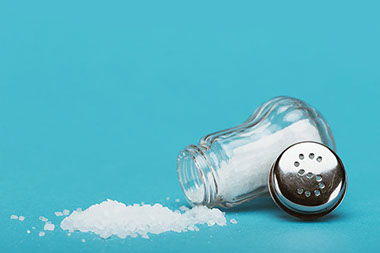
    A salt bottle opened with spilled salt.

    Many food products contain “sea salt” as an ingredient instead of table salt, also commonly called “salt.” In particular, many so-called natural food products say they use sea salt. But is sea salt any healthier than old-fashioned table salt?

    What’s the difference?

    In general, sea salt has a coarse, crunchy texture. Table salt has a more fine grind and may have a weaker taste. In foods like potato chips or sea salt caramels, some people prefer the flavor and texture of sea salt.

    Sea salt is made from evaporated sea water. It’s usually not processed, so it may be considered a more “natural” choice. It may contain trace levels of minerals like magnesium, potassium and calcium. But, these minerals are found in small amounts. So, eating sea salt is not a reliable way to get more minerals in your diet.

    Table salt comes from mined salt deposits. It is processed into a fine texture. During this process, it usually loses its other minerals. However, most table salt brands contain added iodine, which is a necessary nutrient that many people don’t get enough of. Table salt may also contain some additives to prevent clumping.

    Same in sodium

    Although sea salt shows up in many “natural” food products, it’s not usually healthier. Sea salt and table salt have about 40 percent sodium by weight.

    Some types of sea salt say that they contain less sodium than table salt. To check this, read the Nutrition Facts panel on the package. Table salt contains about 575 mg of sodium in ¼ teaspoon.

    Going coarser

    Some very coarse salts like kosher salt may have slightly less sodium, teaspoon for teaspoon. This is because the larger crystal size makes it less compact, so you can’t get as much salt into your measuring spoon.

    In these cases, using a coarse type of salt in cooking may help you reduce sodium content, but probably not by very much. Some people prefer the taste and texture of a very coarse salt. But don’t use it thinking that you’ll really reduce your sodium intake.

    Choose the type of salt you prefer, and use it sparingly. One type isn’t healthier than another. Talk to your doctor about how much sodium you should eat each day.

    Source: American Heart Association

    © American Institute for Preventive Medicine

  • Irritated Eyelids And Blepharitis

    SELF-CARE CORNER

    Grandfather and grandson flexing arms.

    You might not think about your eyelids very much. That is, until there’s a problem with them. Blepharitis, a common eyelid condition, can cause irritated, red, itchy eyelids. It can also cause flaking on the eyelids.

    What causes blepharitis?

    Blepharitis usually happens when bacteria on the skin become unbalanced. Certain things can trigger this bacteria growth, including:

    *  Allergies

    *  Mites

    *  Dandruff

    *  Oily skin

    *  Rosacea

    Signs and symptoms

    Blepharitis can feel different to different people. Blepharitis symptoms include:

    *  Watery eyes or extra tearing

    *  Red and swollen eyelids

    *  Dry eyes

    *  Crusting of the eyelids

    *  Itching

    *  Blurry vision

    Self-care

    Most people can manage blepharitis with self-care at home. Here’s how:

    *  Wash your hands. Then apply a warm, moist compress to each eyelid twice a day. Use a clean cloth for each eye.

    *  Gently scrub the eyelids with water and baby shampoo or a gentle eyelid cleanser.

    *  Rinse thoroughly with clean, warm water and dry with a clean towel.

    *  If you have dandruff, wash your hair with anti-dandruff shampoo on a regular basis.

    *  Avoid using eye makeup or wearing contact lenses until blepharitis symptoms are gone.

    Is blepharitis dangerous?

    Blepharitis isn’t usually dangerous. But its symptoms can be painful or bothersome. Sometimes blepharitis can cause other eye problems, such as:

    *Stye:A red, painful bump on the eyelid caused by a blocked oil gland.

    *Chalazion:A red bump on the eyelid that doesn’t hurt.

    *Cornea damage:The cornea is the clear outer layer of the eye.

    If blepharitis doesn’t get better with self-care measures, contact your doctor. In some cases, you may need special eye drops or antibiotic ointment. Always ask your doctor before using any drops or other products in your eyes.

    Sources: American Academy of Ophthalmology, National Institutes of Health

    © American Institute for Preventive Medicine

  • Importance Of A Drug-Free Workplace

    WORK LIFE

    Sign that says "This is a drug free workplace."

    Keeping the workplace drug-free is essential for everyone’s health and safety.

    Unhealthy use of any type of drug or substance

    These can include:

    *  Illegal or prescription drugs

    *  Alcohol

    *  Tobacco

    *  Marijuana

    Risks with substance abuse

    *  Dependence or addiction

    *  Poor decision making

    *  Damaged relationships

    *  Declining physical health

    Workplace impacts

    *  Missed days of work

    *  Higher cost of healthcare

    *  Legal issues

    *  Poor productivity

    *  Safety concerns

    Seeking help for substance abuse: If you or someone you know is struggling with substance abuse, seek help. Talk to your doctor about your concerns. Usefindtreatment.govto find treatment options in your area.

    © American Institute for Preventive Medicine

  • How Much Exercise Kids Need

    BE FIT

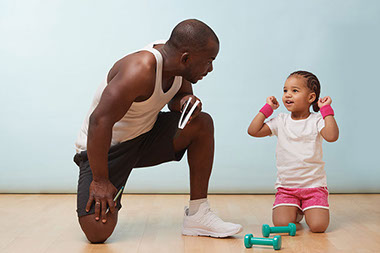
    Father and young daughter about to exercise.

    Being inactive isn’t good for children’s health. Kids can have health problems related to being inactive, such as:

    *  Sleep problems

    *  Type 2 diabetes

    *  Excess weight

    *  High blood cholesterol

    How much exercise is enough?

    Preschool children should be active throughout the day. School aged children should get at least one hour of moderate to intense activity every day. Some exercise is better than none. If your child isn’t active now, start with a few minutes of exercise each day. Gradually increase the time and intensity of their exercise as they get more fit.

    What is ‘moderate to intense activity’ for children?

    When your child is doing moderate to intense activity, their heartbeat will speed up. They will breathe much harder than normal.

    This type of activity can be walking or biking at a brisk pace. It can also be more intense, like jumping on a trampoline or swimming. Whatever your child likes to do, encourage them to do it every day!

    Know the types of exercise

    Exercise doesn’t have to be the same thing all the time. Try to encourage your child to do all three types throughout each week:

    Aerobic exercise

    Anything that speeds up your child’s heart rate. It can include:

    *  Brisk walking

    *  Bike riding

    *  Swimming

    *  Running

    *  Dancing

    *  Playing games that require running and throwing

    Muscle-strengthening exercise

    These exercises build up muscles, which is important for lifelong fitness. Examples include:

    *  Climbing

    *  Push-ups

    *  Lunges

    *  Yoga

    *  Resistance bands

    *  Hand-held weights

    Bone-strengthening

    This puts pressure on bones. Pressure from exercise helps the bones rebuild and stay strong. Exercises include:

    *  Jumping

    *  Running

    *  Skipping

    *  Sports that require running and stopping, like basketball or soccer

    Source: Centers for Disease Control and Prevention

    © American Institute for Preventive Medicine

  • Hepatitis: Causes & Types

    MEDICAL NEWS

    Middle age man smiling.

    Hepatitis is a condition that affects the liver. If a person has hepatitis, their liver may be inflamed or damaged.

    What causes hepatitis?

    Many different things can cause hepatitis. They include:

    *  A virus

    *  Contaminated objects like needles or medical equipment

    *  Heavy alcohol use

    *  Certain medications

    *  Some medical conditions

    Different types of hepatitis

    Hepatitis A:

    *  Is spread through contaminated food, drinks or objects.

    *  Can make you sick for weeks or months, but most people recover.

    *  Can be prevented with a vaccine.

    Hepatitis B:

    *  Is spread through blood, semen or other body fluids.

    *  Can spread through sex, sharing personal items or sharing needles.

    *  Can cause long-term liver problems like liver failure and cancer.

    *  Can be prevented with a vaccine.

    Hepatitis C:

    *  Is spread through blood.

    *  Can spread when people share needles or other equipment.

    *  Causes long-term infection in about half of all cases.

    *  Can cause cirrhosis (scarring) of the liver.

    *  More than 90 percent of people can be cured with proper medical treatment – new treatment has very few side effects.

    Ask your doctor about hepatitis

    Many people may have hepatitis and don’t know it. You may not have any symptoms at first. That’s why it’s important to talk to your doctor. They can find out if you need a vaccine or if you should get tested for hepatitis. Proper medical care can help prevent, treat or cure this disease.

    © American Institute for Preventive Medicine

  • Help For Restless Legs

    SELF-CARE CORNER

    Close up feet laying in bed.

    Do you feel a twitchy, jumpy feeling in your legs when you sit or lie down? Do you have an urge to move your legs when you go to bed at night? If so, you may have restless legs syndrome (RLS).

    What is RLS?

    RLS is known as a sleep disorder, although it can happen when you’re awake or asleep. It occurs when you’re resting or lying still, and is more common at night. Because it can interfere with sleep, RLS is linked to:

    *  Daytime sleepiness

    *  Memory problems or trouble concentrating

    *  Mood changes

    *  Job performance issues

    *  Problems with personal relationships

    RLS affects people of any age, but tends to cause more problems in older adults.

    What causes it?

    RLS can run in families, especially if your symptoms began before age 40. Experts believe RLS may be related to a problem in the part of the brain that controls movement. It may be linked to certain health problems, including:

    *  Low iron in your blood (iron deficiency anemia)

    *  End-stage renal (kidney) disease

    *  Neuropathy (nerve damage)

    Most of the time, though, there’s no clear cause of RLS.

    Self-care tips for restless legs

    You may be able to manage mild RLS at home. Try these tips:

    *  Avoid caffeine. Drinks like coffee, tea, energy drinks and cola usually contain caffeine.

    *  Don’t smoke. Ask your doctor if you need help quitting.

    *  Avoid alcohol.

    *  Get moderate exercise early in the day. Don’t exercise right before bedtime.

    *  Try relaxation techniques like deep breathing, meditation or yoga before bed.

    *  Make sleep a priority. Go to bed and get up at the same time each day. Aim for seven to eight hours of sleep each night.

    See your doctor regularly and tell your doctor about any symptoms you’re having. You may also want to ask if you should get your iron levels checked. Doctors sometimes treat more severe cases of RLS with medications.

    Sources: American Academy of Family Physicians, National Institute of Neurological Disorders and Stroke, Restless Legs Syndrome Foundation

    © American Institute for Preventive Medicine